

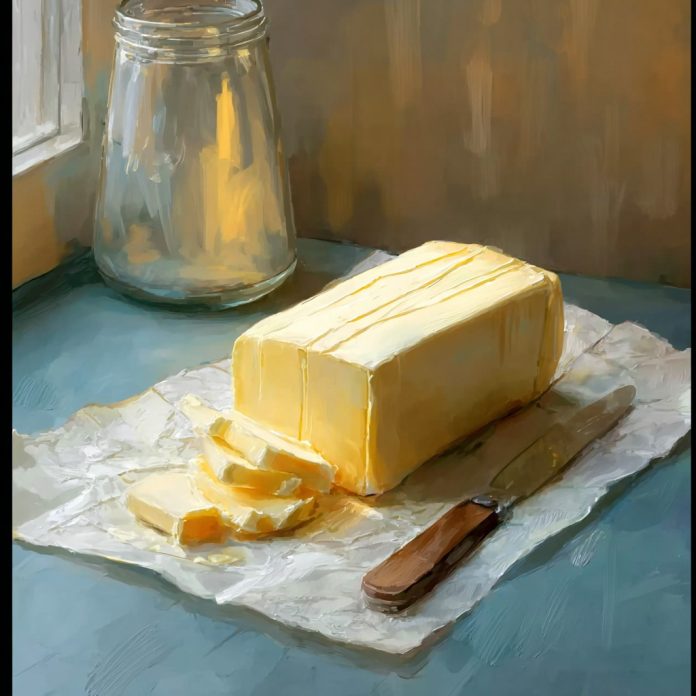

Growing up, there was always a small butter dish on the kitchen counter, right next to the toaster. It was practically a household fixture, like the magnets on the fridge or that pile of mail no one ever sorted. My mom, with all her kitchen wisdom, insisted that cold butter absolutely ruins toast. And honestly? She wasn’t wrong. But now that I’m older (and maybe a tad more paranoid about food safety), I’ve caught myself wondering — is leaving butter out for days really okay?
Turns out, this question leads down a surprisingly fascinating rabbit hole. So let’s dig in.
Why You’ll Fall in Love With Room Temperature Butter (Even If It Feels a Little Risky)
- No more destroyed toast. Soft butter glides on effortlessly. Say goodbye to torn bread tragedies.
- Always ready when you are. No waiting around for a solid brick to soften for baking or spreading.
- Just feels cozier. Something about that little butter dish makes a kitchen feel warm and lived-in.
But the real question lingers: is it actually safe? That’s where things get interesting — and a little complicated.
Let’s Talk About Butter: What’s Actually In It (And Why That Matters)
Butter isn’t just pure fat. It’s mostly fat — about 80% milk fat — but the rest is water and milk solids. And that last part is key, because those non-fat components are where spoilage likes to start.
Here’s the deal: fat doesn’t go bad quickly. It’s actually pretty resistant to bacteria. But add moisture and milk proteins into the mix? That’s when bacteria and mold might decide to move in — especially if your butter is unsalted.
Salted butter, though, comes with a natural preservative. That salt helps keep unwanted microbes away, which is exactly why it lasts longer at room temperature.
So yes, what kind of butter you’re using matters — a lot.
The Science of Spoilage (Or, When Butter Goes From Delicious to Disappointing)
There are two main ways butter can go bad: oxidation and microbial growth.
Oxidation happens when fats react with oxygen. The result? Rancid butter. It smells weird, tastes off, and while it won’t actually hurt you, it will absolutely wreck your morning toast.
Microbial growth is slower in butter than in, say, milk — but it’s still possible. Molds and bacteria can sneak in, especially if the butter’s been exposed to air, moisture, or has been sitting out for days on end.
Warm, humid kitchens speed up both of these processes. So if you live somewhere that feels like a tropical jungle during summer? You might want to rethink keeping butter on the counter.
So… How Long Can Butter Actually Sit Out?
Here’s where the experts mostly agree:
- Salted butter: generally safe at room temperature for up to two days — maybe three if your kitchen stays cool and dry.
- Unsalted butter: best used within 24 hours if left out.
Some people push it longer (my mom definitely did). Others keep theirs strictly in the fridge, only pulling it out when breakfast hits. It really comes down to your comfort level — and how closely you’re paying attention to signs of spoilage.
Which brings us to…
How to Tell If Butter Has Gone Bad (And When to Just Toss It)
You don’t need a science degree to figure this out. Your senses will tell you everything.
Watch for:
- A sour, cheesy, or just generally “wrong” smell
- Darkening or yellowing, especially around the edges
- Any spots or streaks of mold
- A flavor that tastes metallic or bitter
If your butter shows any of these signs? Trust your gut and throw it out.
And please — scraping off the moldy part isn’t enough. Mold has roots. It can spread below the surface. Don’t take that risk.
What Happens If You Accidentally Eat Spoiled Butter?
Let’s not panic — in most cases, a little rancid butter won’t land you in the hospital. But it can cause mild food poisoning symptoms, like:
- Nausea
- Stomach cramps
- Diarrhea
- Vomiting
People with weaker immune systems — kids, older adults, or anyone immunocompromised — should be extra careful. Butter might not be the most dangerous food out there, but it’s not completely harmless either.
The Great Butter Debate: What Do the Experts Say?
Food safety professionals are (predictably) team refrigerator. They recommend keeping butter chilled when you’re not actively using it — especially unsalted or fancy cultured varieties.
But even they’ll admit that a small amount of salted butter left out for a couple of days in a clean, covered dish? It’s probably fine.
Here’s the unofficial consensus:
A little butter on the counter is okay. A lot of butter sitting out for a long time? Probably not.
How to Store Butter Like a Pro (Without Losing That Cozy Vibe)
Want spreadable butter without the worry? Here’s the sweet spot:
- Keep a small amount (maybe half a stick) in a covered dish on the counter.
- Try a butter bell or crock — they create an airtight seal using water, keeping air out and freshness in.
- Store the rest in the fridge, especially if you buy in bulk or bake often.
- Always use clean utensils. No crumbs. No toast debris. It genuinely matters.
- Keep it away from direct sunlight and heat — not above the stove or near a sunny window.
It’s a balancing act — but totally doable.
Quick Flavor Twist: Want to Take Your Butter Up a Notch?
This one’s for the food lovers.
Try making compound butters — softened butter mixed with fresh herbs, honey, roasted garlic, or even cinnamon sugar. They’re incredible on toast, steak, pancakes… you name it.
Keep them in the fridge and let them come to room temp naturally when you’re ready. Better yet, wrap them in parchment and stash them in the freezer for butter whenever you need it.
The Bottom Line (aka, What Would Mom Say?)
So back to my mom. Her countertop butter habit? Not nearly as reckless as I once thought. If she’s using salted butter, keeping the dish clean, and rotating it out every couple of days — she’s totally fine. Honestly, probably safer than some of us with mystery leftovers from last week still hanging out in the fridge.
But if you’re still uneasy? That’s okay too. Refrigerated butter works perfectly — you just need a little patience (or a quick low-power microwave moment).
Either way, butter is better when it makes you feel at home. Whether it’s fridge-cold or counter-soft, that little golden block holds a pretty big place in our kitchens — and our memories.
Got butter questions? Storage tips handed down from your grandma? Strong feelings about butter bells versus classic dishes? I’d honestly love to hear it. Drop a comment below — because the butter debate might just be the tastiest conversation we can have.