


It was one of those evenings. A long one.
You know the type—dishes still lurking in the sink from breakfast, a random wet spot on the floor with no obvious source, and the only thing keeping you going was the hope that dinner would somehow fix everything.
Lucky for me, my husband was already at the stove. Spaghetti night! The aroma of garlic filled the air, the sauce was bubbling away, and there was even bread warming in the oven. Pure magic.
Until I glanced at the colander.
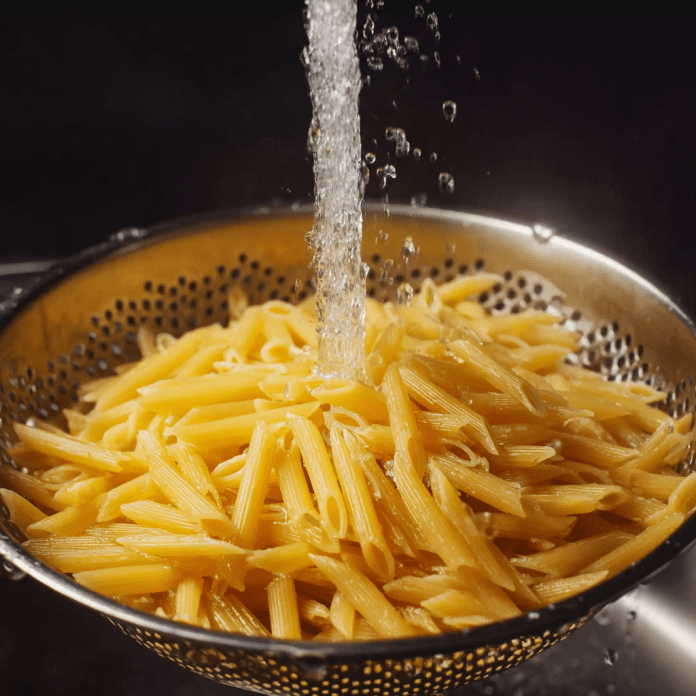
There it was. The spaghetti, fresh out of the pot, dripping with that cloudy, starchy water… completely unrinsed.
I stood there, frozen. It wasn’t just sticky—it was gummy. Clumpy. The kind of texture that makes you pucker.
Now look, I realize most people don’t give this a second thought. But in that moment? I couldn’t eat it. I couldn’t serve it to the kids either. And somehow, we found ourselves in a full-blown kitchen debate about whether rinsing pasta is actually required.
Turns out, the answer isn’t nearly as black and white as I thought.
Let’s Back Up: Why Some of Us Rinse Pasta (Without Question)
Growing up, rinsing pasta was simply part of the routine. You boiled it, drained it, and gave it a quick cold shower. Not some deep culinary statement—just habit. Like soaking beans or trimming the ends off green beans.
But that quick rinse? It does way more than just “cool things down.”
Here’s what skipping the rinse actually does:
The pasta keeps cooking from its own residual heat (especially sitting in a hot strainer).
The starch coats every piece like a layer of glue.
That starch turns into sticky cement.
And if you’re not serving it immediately? You end up with one giant noodle knot.
So yes, I rinse. Not always. But often. Especially when I want those strands separate and smooth—not fused together in some tragic pasta blob.
“But You’re Literally Washing Away the Taste!”
This is the argument people always make. Sometimes loudly. Occasionally with side-eye.
And honestly? They’re not completely off base.
When you rinse, you’re removing that outer layer of starch—which, granted, can help sauce grip the pasta. That’s exactly why traditional Italian cooks would probably faint at the thought of rinsing. And fair enough—in classic dishes, that starch is part of what makes the magic happen.
But here’s the thing—it depends.
Making a hot pasta with a silky sauce?
Sure. Skip the rinse. Let that sauce wrap around every noodle like a warm hug.
But throwing together pasta salad? Meal-prepping for the week? Working with a sauce that’s already plenty thick?
Rinse. Please. Do it for the texture. Do it for everyone who can’t stand mushy noodles. Do it for me.
The Quick Science Lesson (Painless, Promise)
So what’s actually going on in that pot?
When pasta boils, those starch molecules swell up and escape—picture tiny balloons filling with water. That starchy coating is exactly what makes cooked pasta sticky.
Rinsing puts an immediate stop to this process. Cold water does double duty—it stops the cooking cold (literally) and washes away that outer starch layer. End result? Pasta that’s firmer, smoother, and actually stays separated.
Skipping the Rinse = More Flavor? Sometimes.
Here’s where it gets interesting.
For dishes where the sauce really needs to cling—think cacio e pepe, bolognese, carbonara—that surface starch is your best friend. It helps thicken, it helps bind, and it creates that luscious, glossy finish everyone drools over.
This is exactly why so many chefs swear by Team No Rinse.
But reheating leftovers tomorrow? Making cold pasta salad with vinaigrette? That leftover starch turns into glue, fast.
So really, it’s not about “rinsing is right” or “rinsing is wrong.” It’s about: What exactly are you making?
Real Talk: When Rinsing Just Makes Sense
Go ahead and rinse when:
You’re prepping cold pasta salad (especially with lighter dressings).
You’re cooking big batches to eat throughout the week.
You’re making noodle bowls or pasta stir-fry (yes, that’s a thing).
You’re serving buffet-style and want to avoid one giant pasta clump.
Skip the rinse when:
You’re using a hot, hearty sauce and want maximum cling.
You’re tossing the pasta with sauce immediately (no sitting around).
An Italian grandmother is watching. (Mostly kidding. Mostly.)
“Okay, But My Partner Didn’t Rinse—Now What?”
This is the part that actually matters. Because it’s not really about pasta. It’s about habits. Preferences. Those little food “rules” we carry around without knowing why. And how strangely unsettling it feels when someone breaks them.
Here’s what I’ve slowly, awkwardly figured out:
Take a breath before reacting. Maybe it’s not worth the fight. Or maybe it’s a chance to share something.
Stay curious. Try: “Hey, how do you usually handle pasta?” without making it an interrogation.
Share your side gently. “I’ve just always struggled with the sticky thing—it’s a texture thing for me.”
Make it a team experiment. “Want to try rinsing next time and see which we like better?”
We all bring different food histories to the table. What seems completely obvious to one person might be totally new to another. And honestly? That’s not a bad thing—it’s just part of sharing a kitchen.
Pro Tips for Better Pasta, Rinsed or Not
If you want to up your pasta game—regardless of which side you’re on—here’s what actually makes a difference:
✔ Use plenty of water—seriously, more than feels necessary
✔ Salt that water well (“like the sea” is a cliché because it works)
✔ Stir occasionally while it cooks—don’t just abandon it
✔ Taste before draining (timers lie sometimes)
✔ Scoop out some starchy water before draining—it can rescue almost any sauce
✔ And yes, choose rinse or no-rinse based on what you’re actually making
Pasta Already a Sticky Mess? Here’s How to Fix It
If you skipped the rinse and now you’re dealing with a noodle nightmare, don’t panic.
Drizzle a little olive oil and toss gently to break things up.
Add a splash of that reserved pasta water (or even plain hot water) to bring it back to life.
If it’s cold and clumpy, a quick warm rinse can help before you reheat with sauce.
Worst case? Call it “rustic.” Add extra cheese. Nobody’s going to complain.
So What’s the Final Answer? Is Rinsing Necessary?
Nope. Not always. But sometimes? Yeah, it honestly makes a real difference.
It comes down to what you’re cooking. Who you’re feeding. And what textures and flavors feel right to you.
In our house these days? We rinse. Not every single time. But often enough that dinner doesn’t feel like we’re chewing on glue.
So next time you’re hovering over the sink, strainer in hand, asking yourself “To rinse or not to rinse?”—just think about what kind of pasta night you’re actually going for.
And maybe… check with your partner, too.
Got strong pasta opinions? Did someone in your life commit a kitchen crime that made dinner weird? I’d honestly love to hear about it. Drop a comment or send a note—because food is never really just about food. It’s about connection. Even when it gets a little sticky.