
Quiche Lorraine

0

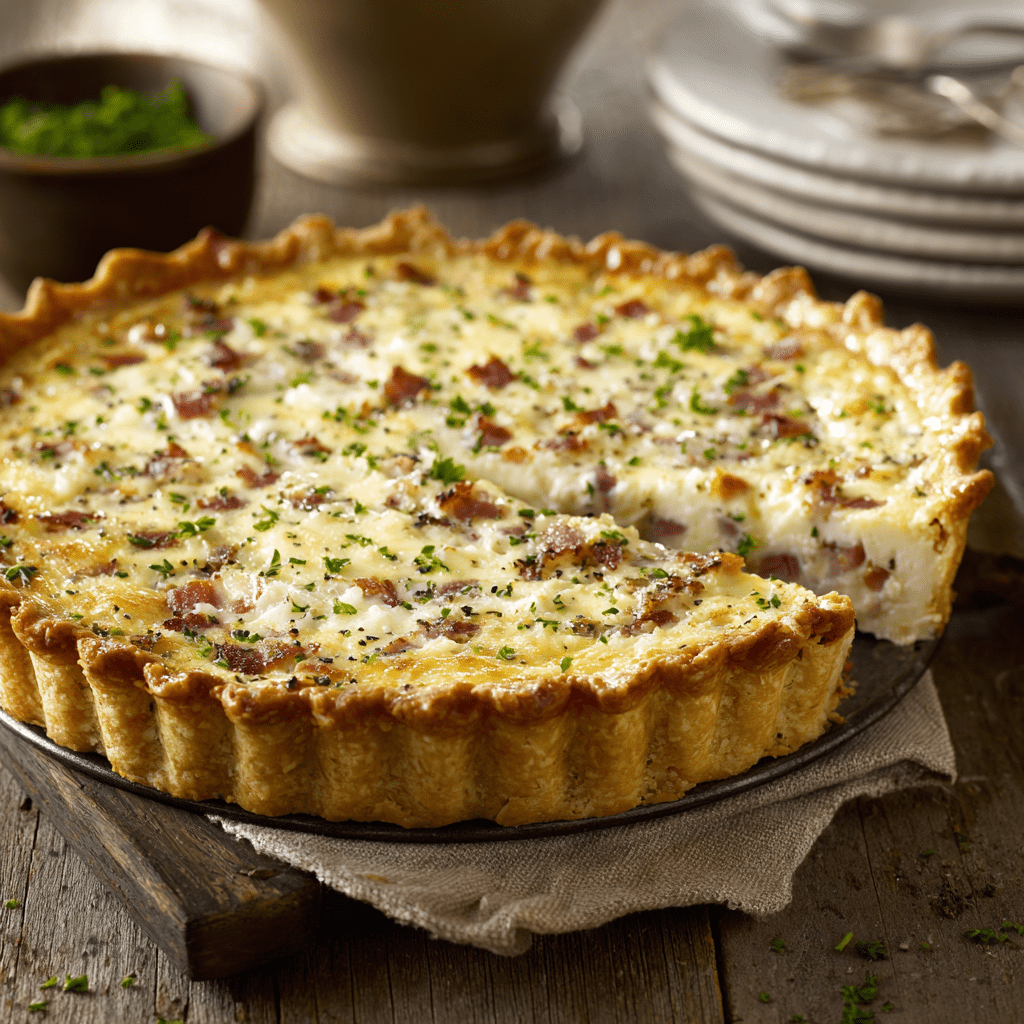
Quiche Lorraine is the epitome of elegant, savory French comfort—a buttery, flaky crust cradling a silky, impossibly rich custard studded with smoky bacon and nutty Gruyère cheese. This recipe is a masterclass in the art of the quiche, transforming simple eggs, cream, and a handful of high-quality ingredients into a dish that feels both effortlessly sophisticated and deeply satisfying. The magic begins with a pre-baked pie crust, providing a sturdy, golden vessel for the luxurious filling. The star of the show is the custard—a velvety emulsion of eggs, heavy cream, and milk, delicately seasoned with salt, pepper, and a whisper of nutmeg that adds warmth without overwhelming. Folded into this silky base are generous amounts of hickory-smoked bacon, rendered until crisp, and sweet, caramelized onions, cooked in the reserved bacon fat for an extra layer of savory depth. A generous blanket of nutty Gruyère cheese melts into the custard, creating a golden, bubbly top and a creamy, cheesy interior in every bite.

The brilliance of this recipe lies in its careful technique and the stunning, crowd-pleasing result it delivers. Cooking the bacon and onions first ensures they contribute maximum flavor without making the custard greasy. The gentle, slow bake allows the custard to set to a perfect, wobbly doneness—firm at the edges but with a slightly soft center that will finish setting as it cools. The final, crucial step is patience: allowing the quiche to rest for a full hour before slicing ensures clean, beautiful wedges and allows the flavors to meld into a cohesive, unforgettable whole. Served warm, at room temperature, or even chilled, Quiche Lorraine is a versatile classic, perfect for brunch, a light lunch with a green salad, or an elegant addition to any gathering.

Why You’ll Love This Recipe:

  • Classic, Elegant French Flavor: The perfect balance of smoky bacon, nutty Gruyère, and a silky, delicately spiced custard.
  • Rich, Luxurious Texture: The combination of eggs, cream, and milk creates a velvety, melt-in-your-mouth filling.
  • Make-Ahead Friendly: Quiche tastes wonderful at room temperature and can be prepared a day in advance.
  • Versatile for Any Occasion: Perfect for brunch, lunch, dinner, or as a stunning addition to a picnic or potluck.
  • Beautiful Presentation: A golden crust and bubbly, golden cheese topping make this quiche as beautiful as it is delicious.
Ingredients:

For the Crust:
1 (9-inch) frozen deep-dish pie crust (or homemade, pre-baked according to package or recipe directions)

For the Filling:
¼ lb (4 oz) hickory-smoked thick-cut bacon
1 small yellow onion, finely chopped
5 large eggs
1 cup heavy cream
¾ cup whole milk
½ teaspoon kosher salt
¼ teaspoon freshly ground black pepper
¼ teaspoon ground nutmeg
1 ¼ cups (about 5 oz) shredded Gruyère cheese, divided
1 tablespoon fresh parsley or chives, chopped

Instructions:

Step 1: Pre-Bake the Crust
Preheat your oven as directed on the pie crust package (usually around 375-400°F). Pre-bake the pie crust according to package directions (this often involves pricking the bottom with a fork and baking for 10-12 minutes). Remove from oven and let cool on a wire rack. Reduce oven temperature to 350°F (175°C).

Step 2: Cook the Bacon and Onions
Line a rimmed baking sheet with foil for easy cleanup. Arrange the bacon slices in a single layer and bake at 375°F for 15-18 minutes, turning halfway, until crisp. Remove bacon to a paper towel-lined plate to drain. Once cool, chop coarsely. Reserve 1 ½ tablespoons of the rendered bacon fat.

Step 3: Sauté the Onions
In a small skillet, heat the reserved bacon fat over medium heat. Add the finely chopped onion and cook, stirring occasionally, for 5-7 minutes until soft and lightly browned. Remove from heat and let cool slightly.

Step 4: Make the Custard
In a large bowl, whisk together the eggs, heavy cream, milk, salt, pepper, and nutmeg until completely smooth and well combined. Stir in the cooked onions, 1 cup of the shredded Gruyère cheese, and the chopped bacon. Mix until evenly distributed.

Step 5: Assemble the Quiche
Place the pre-baked pie crust on a baking sheet (for easy handling). Pour the egg and bacon mixture into the crust, spreading it evenly. Sprinkle the remaining ¼ cup of Gruyère cheese over the top, followed by the chopped fresh parsley or chives.

Step 6: Bake
Bake in the preheated 350°F (175°C) oven for 35-40 minutes, until the top is lightly golden and puffed. The quiche is done when the center is just barely set and still slightly wobbly—it will continue to set as it cools.

Step 7: Cool and Serve
Remove the quiche from the oven and place it on a wire rack. Allow it to cool for at least 1 hour before slicing. This step is crucial for clean slices and allows the custard to fully set. Serve warm or at room temperature.

Tips:

  • Don’t Skip the Pre-Bake: Pre-baking the crust prevents a soggy bottom and ensures a crisp, flaky base.
  • Reserve the Bacon Fat: Cooking the onions in the reserved fat adds an incredible depth of smoky flavor.
  • Room Temperature Ingredients: Using room-temperature eggs, cream, and milk helps create a smoother, more evenly baked custard.
  • Don’t Overbake: The quiche should still have a slight jiggle in the center when you remove it from the oven. Overbaking leads to a rubbery texture.
  • Cool Completely: The 1-hour rest is non-negotiable for perfect slices and allows the flavors to fully develop.

Storage Options:

  • Refrigerator: Store leftover quiche, covered tightly, in the refrigerator for up to 4 days.
  • Reheating: Reheat individual slices in the microwave, or for larger portions, reheat in a 325°F (165°C) oven until warmed through. It’s also delicious cold or at room temperature.
  • Freezing: Quiche freezes well. Cool completely, wrap tightly in plastic wrap and foil, and freeze for up to 2 months. Thaw overnight in the refrigerator before reheating.
  • Make-Ahead: Quiche is an excellent make-ahead dish. Prepare it a day in advance, cool, and refrigerate. Serve at room temperature or reheat gently.

Quiche Lorraine is a timeless, elegant classic that never fails to impress. With its buttery crust, silky custard, and generous fillings of bacon and Gruyère, it’s a dish that embodies comfort and sophistication in perfect harmony.
Perfect Baked Potato

0

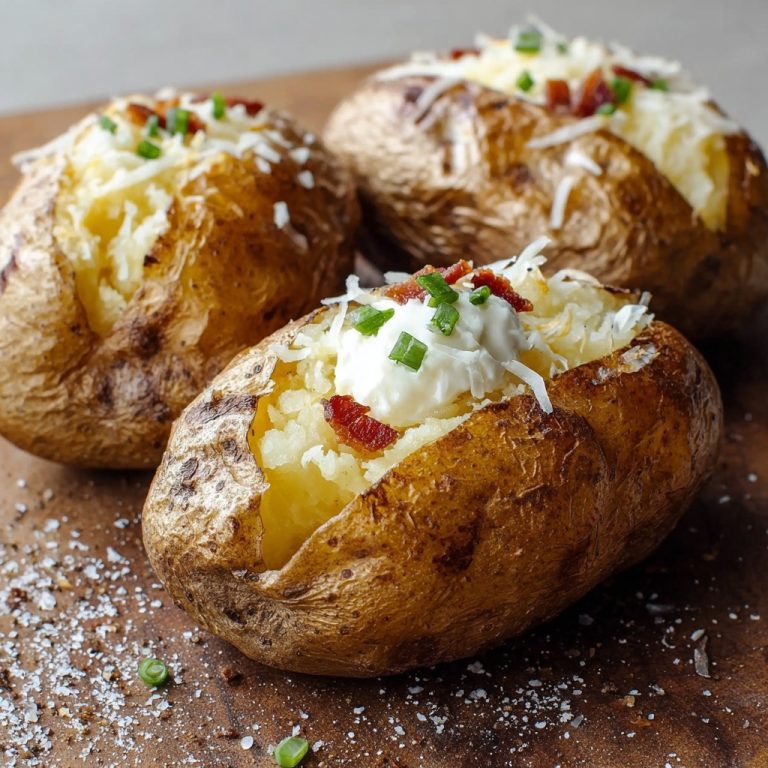
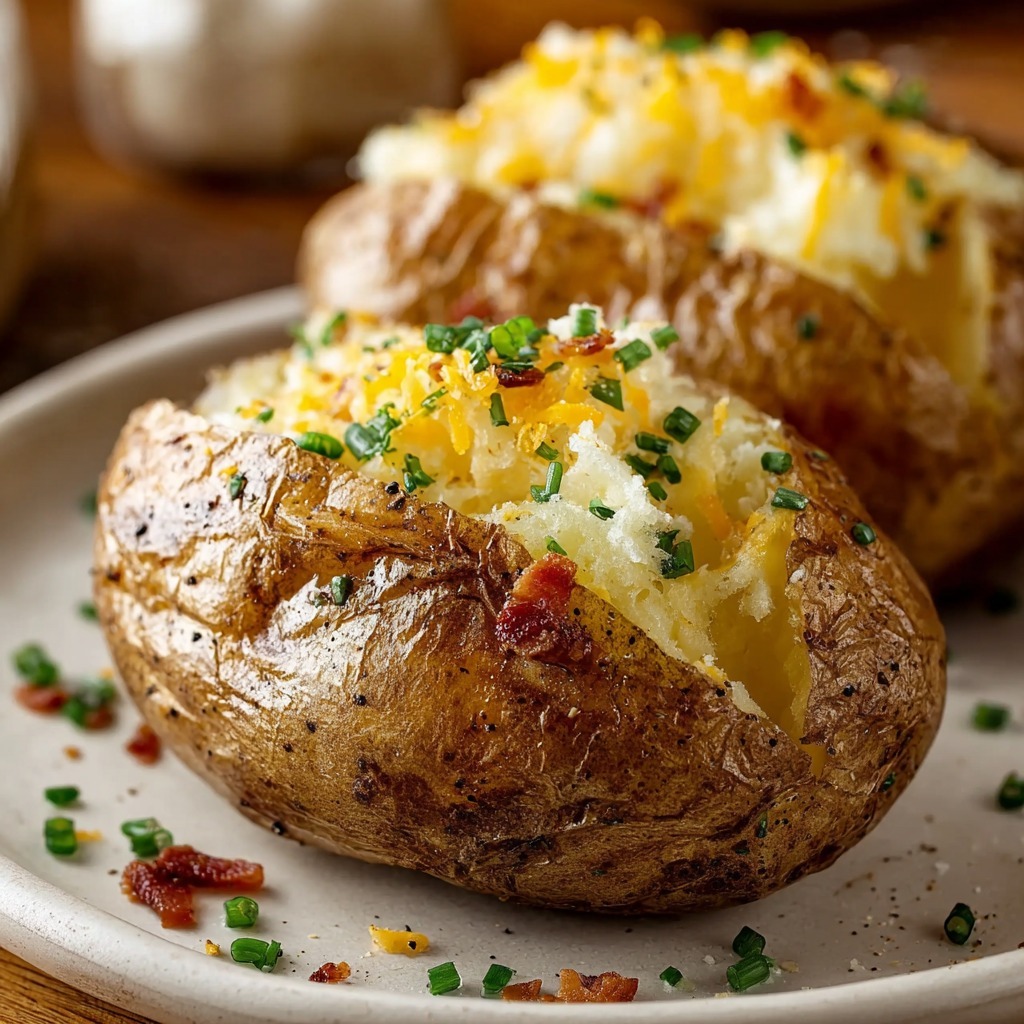
The Perfect Baked Potato is a culinary cornerstone—a simple, humble dish that, when executed with care, transforms into a canvas for endless creativity and a masterpiece of texture and flavor in its own right. This recipe is a celebration of the russet potato’s potential, guiding you through the essential steps to achieve that holy grail of baked potatoes: a skin that is shatteringly crisp and seasoned to perfection, surrounding an interior that is light, fluffy, and cloud-like. The magic begins with a thorough scrub and a thorough drying—moisture is the enemy of crisp skin. A generous coating of olive oil and kosher salt creates a savory crust that crackles with every bite, while the high heat of a 425°F oven works its magic over the course of an hour, transforming the potato’s starches into a pillowy, steam-filled interior just waiting to be fluffed with a fork.

The brilliance of this recipe lies in its simplicity and its role as the ultimate blank canvas. The perfectly baked potato is not just a side dish; it’s an invitation to create. A pat of butter melting into the fluffy depths, a dollop of cool sour cream, a shower of sharp cheddar, and a sprinkle of smoky bacon and fresh chives—each topping adds a new dimension, transforming the humble spud into a hearty meal or an elegant accompaniment. Whether served alongside a perfectly grilled steak, as the base for a loaded potato bar at a party, or simply enjoyed with a generous pat of butter and a sprinkle of salt, this baked potato recipe is a timeless classic that delivers pure, unadulterated comfort in every single bite.

Why You’ll Love This Recipe:

  • Perfectly Crispy Skin, Fluffy Interior: Achieves the ideal baked potato texture—crackly, seasoned skin and light, airy flesh.
  • Simple, Foolproof Method: Just scrub, oil, salt, and bake—no complicated techniques required.
  • Endlessly Customizable: The ultimate blank canvas for your favorite toppings, from classic butter and sour cream to loaded chili and cheese.
  • Versatile Side or Meal: Pairs with everything from steak to chicken, or stands alone as a hearty, satisfying meal.
  • Crowd-Pleasing Classic: Universally loved and perfect for everything from casual family dinners to game-day spreads.

Ingredients:

For the Potatoes:
4 large russet potatoes (about 10-12 ounces each)
2 tablespoons olive oil or avocado oil
1 teaspoon kosher salt
½ teaspoon freshly ground black pepper (optional)

Optional Toppings (Mix and Match):
Butter
Sour cream
Shredded cheddar cheese
Chopped chives or green onions
Crispy bacon bits
Broccoli, steamed and chopped
Chili
Salsa

Instructions:

Step 1: Preheat Oven and Prep Potatoes
Preheat your oven to 425°F (220°C). Position a rack in the center of the oven. Wash and scrub the potatoes thoroughly under cool running water to remove all dirt. Pat them completely dry with a clean kitchen towel—this is crucial for crispy skin.

Step 2: Pierce and Season
Using a fork, pierce each potato 3-4 times on all sides to allow steam to escape during baking. Place the potatoes in a bowl and drizzle with olive oil. Use your hands to rub the oil over every surface of each potato until evenly coated. Sprinkle with kosher salt (and black pepper, if using) and rub again to adhere.

Step 3: Bake
Place the seasoned potatoes directly on the center oven rack for the crispiest skin. (Alternatively, place them on a baking sheet lined with foil for easier cleanup.) Bake for 50-60 minutes, flipping once halfway through with tongs. The potatoes are done when the skins are deep golden and crisp, and a knife or skewer slides easily into the center with no resistance.

Step 4: Rest and Serve
Carefully remove the potatoes from the oven. Let them rest for 5 minutes—this allows the steam to finish cooking the center and makes them easier to handle. To serve, slice a deep “X” lengthwise down the center of each potato. Gently squeeze the ends to open it up. Using a fork, fluff the interior by raking the tines through the flesh.

Step 5: Top and Enjoy
Add your desired toppings while the potato is still hot, allowing the butter and cheese to melt into the fluffy interior. Serve immediately.

Tips:

  • Choose the Right Potato: Russet (or Idaho) potatoes are the ideal choice for baking. Their high starch content creates that signature light, fluffy texture.
  • Dry Thoroughly: Patting the potatoes completely dry before oiling is the secret to a crisp, crackling skin.
  • Don’t Wrap in Foil: Wrapping potatoes in foil steams them, resulting in soft skin. For that classic baked potato texture, bake them unwrapped.
  • Size Matters: Choose potatoes of similar size for even cooking. Adjust baking time up or down for smaller or larger spuds.
  • Test for Doneness: A knife should slide in with absolutely no resistance. When in doubt, give them an extra 5-10 minutes.

Storage Options:

  • Refrigerator: Store leftover baked potatoes (un-topped) in an airtight container in the refrigerator for up to 4 days.
  • Reheating: To recrisp the skin, reheat in a 400°F (200°C) oven or air fryer for 10-15 minutes. The microwave will make the skin soft.
  • Freezing: You can freeze baked potatoes. Wrap individually and freeze for up to 2 months. Thaw and reheat in the oven.
  • Make-Ahead: Bake the potatoes up to 2 days in advance, cool, and refrigerate. Reheat in the oven before serving and adding toppings.

The Perfect Baked Potato is a dish of beautiful simplicity—a testament to the fact that the most satisfying foods often require the fewest ingredients. With a crisp, salty skin and a fluffy, steamy interior, it’s a blank canvas ready to be transformed into whatever your cravings desire.

From Grimy to Glamorous: Give Your Kitchen Cabinets the Upgrade They Deserve

0

Look, no judgment here. Life gets busy, meals happen, toast gets burned, and cabinets… well, they silently accumulate their own little layer of mysterious residue. You know exactly what I’m talking about—that slightly sticky, vaguely greasy film that clings to your cabinet doors like it’s paying monthly rent.

If your cabinets haven’t had a deep clean since you last organized your spice drawer (and let’s be honest, that was probably sometime around 2020), don’t sweat it. You’re in good company. And no, you’re not sentenced to sticky cupboards forever.

Let’s tackle this together, shall we?

Wait—What Actually Is That Sticky Stuff?
Here’s the thing: every time you cook—whether you’re frying eggs, searing chicken, roasting veggies, or just boiling water for tea—tiny particles of oil and steam float through the air like invisible confetti. And where do they eventually land? You guessed it. Right on your poor, unsuspecting cabinets. Add some everyday dust, the occasional splatter of spaghetti sauce, and before long, you’ve got grime that’s practically part of the family.

And here’s the kicker—the longer it sits, the sticker it gets. This isn’t just surface dirt. It’s years of stir-fry nights, Sunday pancake breakfasts, and forgotten pots boiling over. Kind of poetic when you think about it. Also kind of gross.

Let’s Round Up Your Cleaning Squad
Before you channel your inner Cinderella, here’s what you’ll want within arm’s reach:

White vinegar (honestly, if kitchen products could get married, I’d propose)

Baking soda

Gentle dish soap (Dawn remains the MVP, but use what you’ve got)

Warm water

Microfiber cloths (or cut-up t-shirts—we don’t judge here)

Soft brush (an old toothbrush works like magic)

Rubber gloves (if you’re fancy or your hands thank you for it)

Optional: Store-bought degreaser (for when DIY needs backup)

If you’re into little luxuries, a drop or two of lemon essential oil in your vinegar mix makes the whole experience feel like a spa day. Not required, but definitely a nice touch.

Set the Stage Like a Pro
Alright, let’s make this as painless as possible.

Here’s your pre-game checklist:

Clear out the cabinets (yes, even that one with the mysterious jar from 2019)

Pop off handles and knobs if you’re going all out

Protect your countertops and floors with towels or old newspapers

Crack a window—nobody wants to marinate in vinegar air

Pro move? Queue up your favorite playlist or podcast. Everything’s easier when there’s a good beat behind it.

Let’s Get Scrubbing—Here’s Your Game Plan
No fancy tricks. No magic potions. Just honest-to-goodness cleaning that actually works.

Mix equal parts warm water and white vinegar in a spray bottle or bowl.

Dampen your cloth and start wiping down every cabinet surface.

For tough, greasy spots, mix baking soda with a little water to form a paste. Apply with your soft brush and scrub gently—think loving circles, not aggressive scouring.

Rinse your cloth frequently and go over cabinets again until they actually feel clean. Not sort of clean. Actually clean.

Finish with a plain water wipe-down, then dry thoroughly with a soft towel.

Yes, it takes a little effort—but the payoff? Absolutely worth it. Your cabinets will literally look brighter. Like they just stepped out of a shower and remembered how good it feels to be clean.

DIY Remedies That Actually Work (And Smell Pretty Great Too)
Not into harsh chemicals? No problem.

Here’s a homemade hack I absolutely love:

Baking soda + cooking oil paste
I realize this sounds completely backwards—adding oil to clean grease? But hear me out. Mix two parts baking soda with one part oil (olive, canola, whatever’s in your pantry). You’ll get a gritty, creamy paste that somehow lifts grime like nobody’s business. Spread it on, let it hang out for five minutes, then gently scrub and wipe away.

Still seeing grease? Hit it with straight vinegar, let it soak for a minute, and wipe clean. It’s like a detox for your cabinets.

When DIY Needs a Little Backup…
Sometimes, that buildup is just too powerful. And that’s okay. That’s what heavy-duty cleaners are for.

Here are a few cabinet-friendly degreasers that get the job done without destroying your finish:

Krud Kutter – Non-toxic but tough. Think gentle giant.

Goo Gone Kitchen Degreaser – Actually smells decent and slices through gunk like a hot knife through butter.

Zep Citrus Degreaser – For when you want results and you want them now.

Just do yourself a favor: read the instructions, test an inconspicuous spot first, and glove up if the formula is strong. Your hands do a lot for you—treat them right!

Keeping That Fresh-Faced Look: How to Maintain the Magic
Now that your cabinets look practically brand new, let’s talk maintenance. And spoiler alert—it’s way easier than you think.

Try working these into your routine:

Quick cabinet wipe-down once a week with a damp cloth

Monthly vinegar spritz to keep grease from creeping back

Actually use your range hood fan every single time you cook (yes, even for quick meals)

Cover your pans, especially when frying anything

Keep a cloth handy for splatters and wipe as you go

A little regular attention beats another multi-year buildup situation. Trust me on this one.

A Little Encouragement From Someone Who’s Been There
I’ll keep it real with you—this isn’t exactly glamorous work. But there’s something weirdly satisfying about it. Kind of like finally cleaning out your car and finding that gift card you forgot about. Or wiping down a foggy mirror and suddenly seeing yourself clearly for the first time in weeks. That kind of satisfying.

Clean cabinets just make the whole kitchen feel lighter. Fresher. Happier. And once you’re done? You’ll catch yourself smiling every time you walk in. I’m not kidding.

So go ahead—push up those sleeves, cue up your favorite throwback jams, and give those cabinets the love they’ve been quietly begging for.

And when you’re finished? Pour yourself something nice and have a little kitchen dance party. You’ve absolutely earned it.

Slow Cooker Onion Butter Potatoes

0

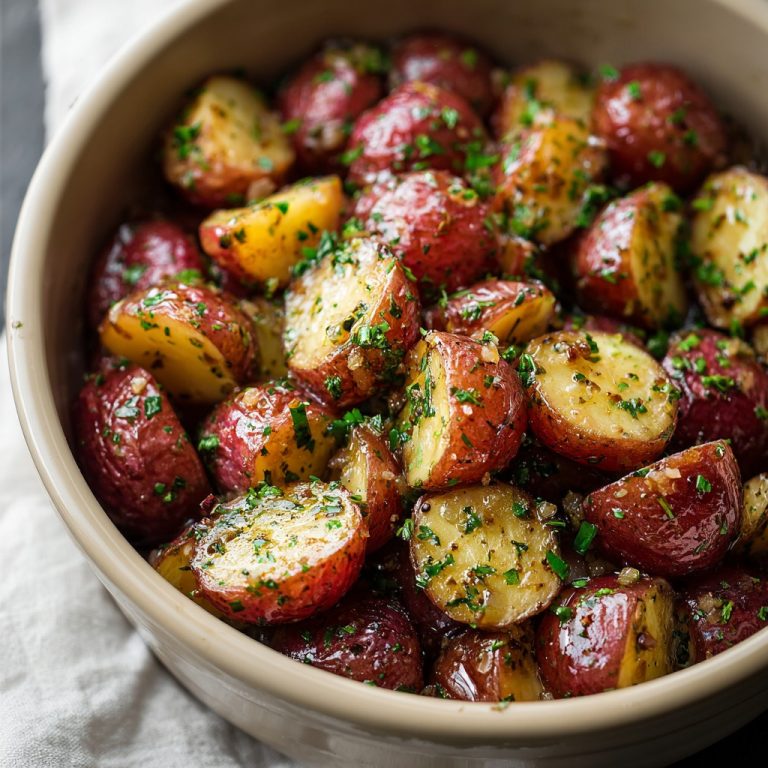
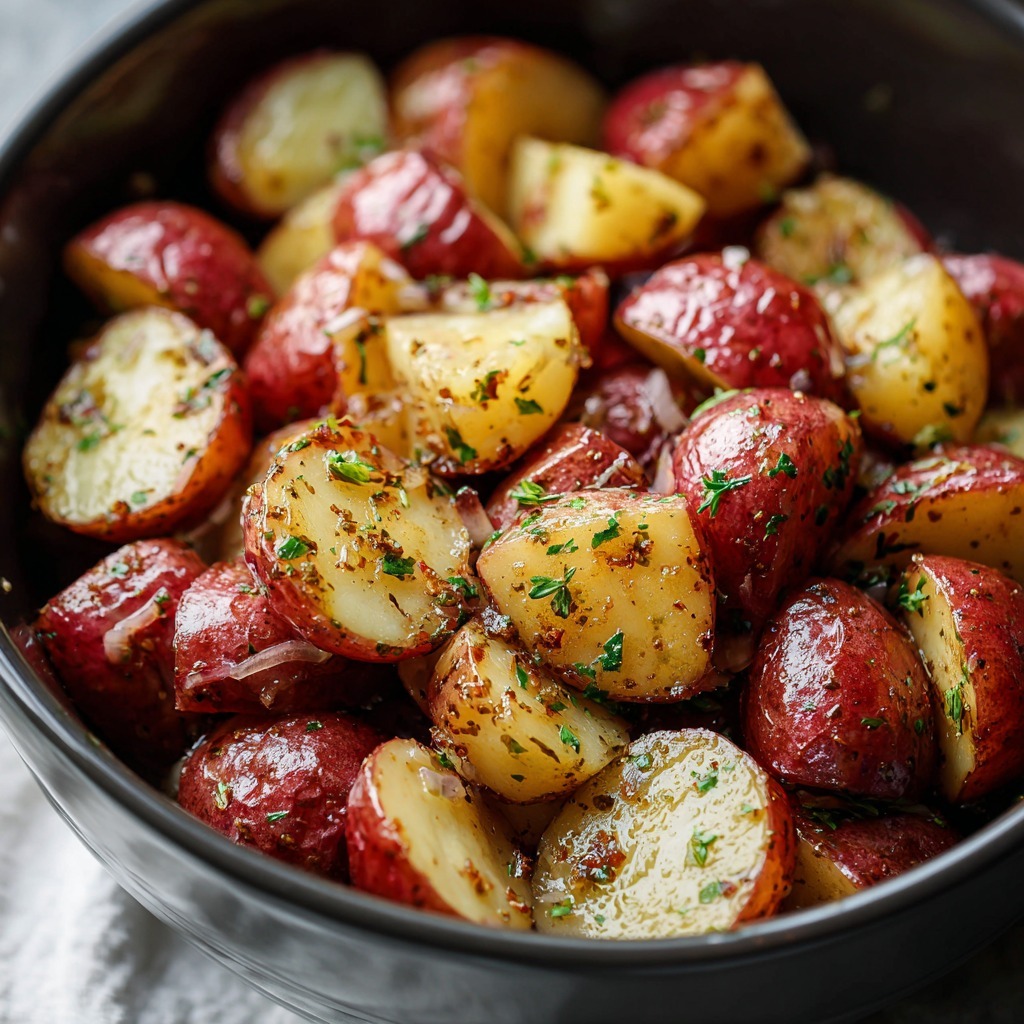
Slow Cooker Onion Butter Potatoes are the ultimate hands-off side dish—a gloriously simple, deeply savory, and utterly addictive way to transform humble red potatoes into a creamy, buttery, flavor-packed masterpiece. This recipe is a testament to the magic of minimalism, requiring just three ingredients and a slow cooker to create a side dish so delicious it will steal the spotlight from the main course. The magic begins with bite-sized red potato chunks, their thin skins becoming tender and flavorful as they slowly cook in a bath of melted butter infused with the savory, umami-rich power of dry onion soup mix. The low, gentle heat of the slow cooker works its magic over hours, allowing the potatoes to absorb every bit of that glorious onion-butter flavor while becoming impossibly tender without falling apart.

The brilliance of this dish lies in its incredible ease and the universally beloved flavor it delivers. There’s no peeling, no constant stirring, no risk of burning—just a quick toss in the crock and a few hours of unattended cooking. The result is a pot of potatoes that are creamy on the inside, slightly caramelized on the edges, and coated in a rich, savory butter sauce speckled with fragrant onion bits. They are the perfect accompaniment to roasted meats, grilled steaks, or simply served alongside a green salad for a comforting vegetarian meal. These potatoes are proof that the simplest combinations—butter, onions, and potatoes—can yield something truly spectacular when given time and gentle heat.

Why You’ll Love This Recipe:

  • Only 3 Ingredients: Butter, onion soup mix, and potatoes—that’s it! Pantry staples become something magical.
  • Completely Hands-Off: The slow cooker does all the work while you go about your day.
  • Incredibly Flavorful: The onion soup mix infuses the butter with savory, herby, umami depth that permeates every potato.
  • Perfectly Tender: Slow cooking yields potatoes that are creamy and tender without being mushy.
  • Versatile Side Dish: Pairs beautifully with almost any main course, from roast chicken to grilled steak to meatloaf.

Ingredients:

For the Potatoes:
3 pounds small red potatoes
½ cup (1 stick) unsalted butter
2 packets (1 ounce each) dry onion soup and dip mix
Non-stick cooking spray or additional butter, for greasing

Instructions:

Step 1: Prep the Potatoes
Start by prepping the potatoes. Rinse them thoroughly under cool running water and scrub away any dirt. Dry them well with a clean towel, then cut each potato into evenly sized chunks or quarters. Keeping the pieces similar in size ensures they cook at the same rate and become perfectly tender.

Step 2: Prepare the Slow Cooker
For easier cleanup, lightly coat the inside of your slow cooker with cooking spray or a small amount of butter. Add the cut potatoes to the crock and spread them out evenly.

Step 3: Make the Onion Butter
Melt the butter in a microwave-safe bowl or small saucepan until fully liquefied. Stir the dry onion soup seasoning into the melted butter, mixing until the spices and onion bits are well combined and slightly thickened.

Step 4: Coat the Potatoes
Drizzle the seasoned butter mixture evenly over the potatoes in the slow cooker. Gently toss the potatoes directly in the crock using a spoon or clean hands until every piece is well coated. The potatoes should appear glossy, with specks of onion seasoning distributed throughout.

Step 5: Cook Low and Slow
Place the lid on the slow cooker and cook on LOW for 4 to 5 hours or HIGH for 2 to 3 hours, until the potatoes are soft and easily pierced with a fork. About halfway through cooking, give them a gentle stir to help redistribute the buttery seasoning and promote even cooking.

Step 6: Serve
Once the potatoes are tender and infused with the rich onion-butter flavor, switch off the slow cooker. Stir one final time to lift any flavorful bits from the bottom. Transfer to a serving dish and spoon the savory butter sauce over the top. Serve warm and enjoy.

Tips:

  • Potato Choice: Small red potatoes or Yukon Golds work best. Their waxy texture holds up well to long cooking.
  • Uniform Size: Cut potatoes into uniform chunks for even cooking. Halve or quarter as needed.
  • Don’t Overcook: Check for doneness at the early end of the cooking time. Potatoes should be fork-tender but not falling apart.
  • Add Fresh Herbs: Stir in a handful of fresh chopped parsley or chives just before serving for a pop of color and freshness.
  • Make it a Meal: Add cooked, crumbled bacon or sliced smoked sausage during the last 30 minutes for a heartier dish.

Storage Options:

  • Refrigerator: Store leftovers in an airtight container in the refrigerator for up to 4 days.
  • Reheating: Reheat gently in a skillet over medium-low heat, in the microwave, or back in the slow cooker on LOW.
  • Freezing: Not recommended. Potatoes tend to become grainy and waterlogged when frozen and thawed.
  • Make-Ahead: You can cut the potatoes a day in advance and store them submerged in cold water in the refrigerator. Drain and pat dry before using.

Slow Cooker Onion Butter Potatoes are the epitome of simple, set-it-and-forget-it side dish perfection. They deliver rich, comforting flavor with almost no effort, proving that sometimes the most memorable dishes come from the humblest ingredients.

One Pot Mexican Rice Casserole

0

One Pot Mexican Rice Casserole is the ultimate weeknight hero—a vibrant, boldly flavored, and completely satisfying meal that delivers all the fiesta flavors of your favorite Mexican restaurant in a single skillet, with minimal prep and even less cleanup. This recipe is a masterclass in efficiency and flavor, transforming simple ground beef, pantry staples, and zesty seasonings into a hearty, cheesy, and crowd-pleasing dinner. The magic begins with browning the beef and aromatics, building a savory foundation before adding the rice, broth, tomato sauce, and salsa, which create a rich, deeply seasoned cooking liquid. As the rice simmers, it absorbs all those bold, spicy, and tangy flavors, plumping into tender, perfectly seasoned grains studded with sweet corn. The final flourish—a generous blanket of melted cheese—creates a golden, bubbly crust that ties everything together in glorious, gooey perfection.

The brilliance of this casserole lies in its truly one-pot method and its incredible ability to please even the pickiest eaters. Everything cooks together in a single skillet, meaning deep, developed flavor and effortless cleanup. The use of taco seasoning, garlic powder, and salsa ensures a complex, authentic taste without a long list of individual spices. It’s a complete meal in itself—protein, starch, and vegetables all in one—but it’s also endlessly customizable. Top it with fresh cilantro, a dollop of sour cream, sliced jalapeños, or diced avocado for a fresh, cool contrast. This casserole is destined to become a regular in your dinner rotation: quick, comforting, and guaranteed to bring smiles to the table any night of the week.

Why You’ll Love This Recipe:

  • True One-Pot Wonder: Everything cooks in a single skillet, from browning the beef to simmering the rice to melting the cheese.
  • Bold, Authentic Mexican Flavors: Taco seasoning, salsa, and tomato sauce create a rich, zesty, and deeply satisfying flavor profile.
  • Hearty & Complete Meal: Packed with protein, carbs, and vegetables, it’s a filling dinner all on its own.
  • Family-Friendly & Crowd-Pleasing: Mildly spiced, cheesy, and comforting—a guaranteed hit with kids and adults.
  • Quick & Easy: From stovetop to table in about 30 minutes, perfect for busy weeknights.

Ingredients:

For the Casserole Base:
1 lb ground beef (85/20 or 90/10)
1 small yellow onion, diced
Kosher salt and freshly ground black pepper, to taste
2 tablespoons taco seasoning (homemade or store-bought)
1 teaspoon garlic powder

For the Rice & Liquids:
1 cup long-grain white rice (uncooked)
1 ½ cups low-sodium beef broth
1 (15 oz) can corn, drained
8 oz (1 cup) tomato sauce
½ cup salsa (mild, medium, or hot, to taste)

For the Topping:
1 cup shredded cheese (cheddar, Monterey Jack, or a Mexican blend)

For Garnish (Optional):
Fresh cilantro, chopped
Sour cream
Sliced jalapeños
Diced avocado

Instructions:

Step 1: Brown the Beef and Aromatics
Heat a large, deep skillet or Dutch oven over medium heat. Add the ground beef and diced onion. Season with salt and pepper. Cook, breaking up the meat with a spoon, until the beef is browned and the onion is softened, about 6-8 minutes. Drain any excess fat.

Step 2: Add Seasonings
Sprinkle the browned beef with the garlic powder and taco seasoning. Stir well to coat the meat evenly and cook for 1 minute until fragrant.

Step 3: Add Liquids, Rice, and Corn
Pour in the beef broth, tomato sauce, and salsa. Add the uncooked rice and the drained corn. Stir everything together until well combined.

Step 4: Simmer Until Rice is Tender
Increase the heat to high and bring the mixture to a boil. Once boiling, reduce the heat to low, cover the skillet with a tight-fitting lid, and let it simmer for 18-20 minutes, or until the rice is tender and has absorbed most of the liquid. Do not lift the lid while it simmers.

Step 5: Add Cheese and Melt
Once the rice is cooked, remove the lid. Sprinkle the shredded cheese evenly over the top of the casserole. Cover the skillet again and let it sit off the heat for 2-3 minutes, until the cheese is completely melted.

Step 6: Serve and Garnish
Scoop the casserole into bowls. Top with fresh cilantro, a dollop of sour cream, and any other desired garnishes. Serve hot.

Tips:

  • Don’t Lift the Lid: Resist the urge to peek while the rice simmers. Keeping the lid on traps the steam needed to cook the rice perfectly.
  • Drain the Beef Well: Removing excess fat after browning prevents a greasy final dish.
  • Adjust the Spice: Use mild, medium, or hot salsa and taco seasoning to control the heat level to your liking.
  • Rice Type Matters: Use long-grain white rice for this recipe. Brown rice or other varieties will require different liquid ratios and cooking times.
  • Add Beans: For extra protein and fiber, stir in a can of drained and rinsed black or pinto beans with the corn.

Storage Options:

  • Refrigerator: Store leftovers in an airtight container in the refrigerator for up to 4 days.
  • Reheating: Reheat individual portions in the microwave, or for larger amounts, reheat in a covered skillet over medium-low heat with a splash of broth or water.
  • Freezing: This casserole freezes well for up to 2 months. Cool completely, portion into freezer-safe containers, and freeze. Thaw overnight in the refrigerator before reheating.
  • Make-Ahead: You can brown the beef and chop the onion a day in advance for even quicker assembly.

One Pot Mexican Rice Casserole is the epitome of simple, satisfying, and delicious weeknight cooking. It’s a flavorful, comforting, and endlessly adaptable meal that proves you don’t need a dozen pots and pans to create something truly special.

Are My Potatoes Still Good After a Week on the Counter? (Asking for a Friend… and Also, Me)

0

There’s this little corner in my kitchen where sunlight never quite hits — and that’s exactly where my potatoes live. Unwashed. Kinda dusty. Sitting in a brown paper bag that I think once held apples. Every time I walk by, I glance over like, “Are you guys still okay? Or are you plotting to sprout?”

Honestly? I keep thinking of my grandma.

Her potatoes always sat out. In a bowl. On the counter. Right next to a stack of coupons and her Reader’s Digest. She never second-guessed them. No fridge. No fancy storage hacks. Just good old-fashioned faith in root vegetables.

But nowadays? We overthink everything, don’t we? So let’s settle this once and for all: how long can potatoes actually sit out? And are Grandma’s ways still safe?

Let’s talk it out.


Wait, Why Did Grandma Leave Her Potatoes Out Anyway?

Simple answer? That’s just how it was done.

Long before we had stainless steel fridges and climate-controlled pantries, people made do with cool spots in the house. The cellar, the back porch, under the sink — wherever it stayed dry and dim. Potatoes, bless their hearty little hearts, didn’t need much. Just a little darkness and air.

And honestly? They tasted better that way. Cold temps mess with a potato’s natural starchiness — and nobody wants sweet mashed potatoes unless it’s dessert. Grandma probably didn’t have a science degree, but she knew something shifted when you chilled a spud.

Also, fun fact: fridges weren’t really mainstream in homes until the 1940s or later. So yeah, this wasn’t just a vibe — it was survival mode.


But Seriously, What Happens When You Stick a Potato in the Fridge?

Okay. Let’s say you toss your taters in the fridge because… well, that’s what we do with produce, right?

Here’s the thing: potatoes hate the cold. Below 45°F (around 7°C), the starches inside them start turning into sugar. That messes with the taste — they get weirdly sweet. And when you go to roast or fry them? That sugar caramelizes too fast, making them brown before they cook through.

Not only that — fridges = moisture. And moisture + potatoes = rot. Fast.

You might think you’re giving them a longer life in there, but really, it’s like putting them in a spa they didn’t ask for.


So, How Long Can Potatoes Sit Out?

Drumroll…

1 to 2 weeks, usually.

If your kitchen is relatively cool (not sauna-level), your potatoes should be just fine hanging out for about two weeks. Maybe even a little longer. But if you’ve got them near the stove or in direct sunlight, that time can shrink fast.

I’ll be honest — I’ve pushed it. Some of mine made it 3 weeks before I noticed the telltale sprouts. Others? Not so lucky.

Here’s what helps:

  • Use a breathable bag (paper > plastic).
  • Keep them somewhere dark-ish.
  • No heat. No sunlight. No onions nearby. (We’ll get to that.)
  • Don’t wash them. Dirt’s kinda their protective armor. Who knew?

Signs Your Potatoes Are Basically Begging to Be Tossed

Okay, so how do you know when they’ve crossed over to the dark side?

Here’s your cheat sheet:

  • Soft and squishy? Nope.
  • Greening? Also nope. That green is a sign of solanine — a naturally occurring toxin that you don’t want in your dinner.
  • Sprouts? A few little ones are fine — just snap them off. But if it’s starting to look like a chia pet? Toss it.
  • Weird smell? Trust your nose. If it smells off, it probably is.
  • Mold? You already know.

Look, potatoes are pretty forgiving — but once they turn, it’s not worth the risk. You don’t want to get sick over a half-dead spud.


What About Those “Storage Hacks” Everyone Swears By?

You’ve probably heard this one: “Stick an apple in with your potatoes and it’ll keep them from sprouting!”

Kinda true.

Apples give off ethylene gas, which can slow sprouting in some produce. But it’s not magic. It won’t stop rot or mold. And too much ethylene? It can do the opposite. So yeah, you can try it, but don’t expect miracles.

Also — and this one’s important — don’t store potatoes near onions. I know, they seem like pantry BFFs. But onions release gases that speed up sprouting in potatoes. It’s a toxic friendship.


Fridge vs Counter vs Root Cellar: The Ultimate Potato Smackdown

Here’s the honest truth:

  • Counter or Pantry: Easiest. Convenient. Ideal if it’s cool and dry. Just don’t forget them.
  • Fridge: Only if your home is hot year-round. But even then, keep it short-term.
  • Root Cellar: Ah, the dream. Cool, dark, humid-controlled. If you’ve got one, I’m jealous. If not, your pantry will do just fine with a little attention.

No method is perfect — it depends on your home, your habits, and how fast you actually eat potatoes (guilty of letting them sit too long).


A Few Potato-Saving Tips from People Who’ve Been There

If you’re like me and forget what’s in your pantry until it grows eyes, here are a few helpful habits:

  1. Buy only what you’ll use in 2 weeks (unless you live with a teenager who eats three meals of fries a day).
  2. Use a basket or open bin — airflow = longer life.
  3. Label the bag with the date you brought them home. (I do this in Sharpie like a nerd.)
  4. Do a quick check once a week. One spoiled potato can take the whole bunch down.

Honestly, it’s kinda like a middle school sleepover. One troublemaker ruins it for everyone.


Quick Recap (For Those Who Skim — No Judgement)

  • Potatoes are fine on the counter for 1–2 weeks.
  • Avoid the fridge unless it’s the only cool spot you’ve got.
  • Keep them away from sunlight, heat, moisture, and onions.
  • Don’t panic over small sprouts — just don’t ignore them forever.
  • If they’re green, slimy, moldy, or smell like a science experiment — toss ’em.

Before You Go — Let’s Be Real for a Sec

The truth is, most of us overthink food storage because we want to do things “right.” But sometimes, the old ways hold up. Grandma wasn’t storing her potatoes on the counter because she didn’t know better — she was doing it because she did.

If your potatoes still feel firm, aren’t green, and don’t smell funky, they’re probably fine. Take a cue from Grandma. Trust your senses. Trust your gut.

And hey — if you’re still unsure? Send me a pic or drop a comment. We can assess your potatoes together like it’s a weird cooking show.

Thanks for hanging out — and give your spuds a little check-up when you’re done reading. They’ll appreciate the attention. 🥔💚

Parmesan Roasted Brussels Sprouts with Bacon

0

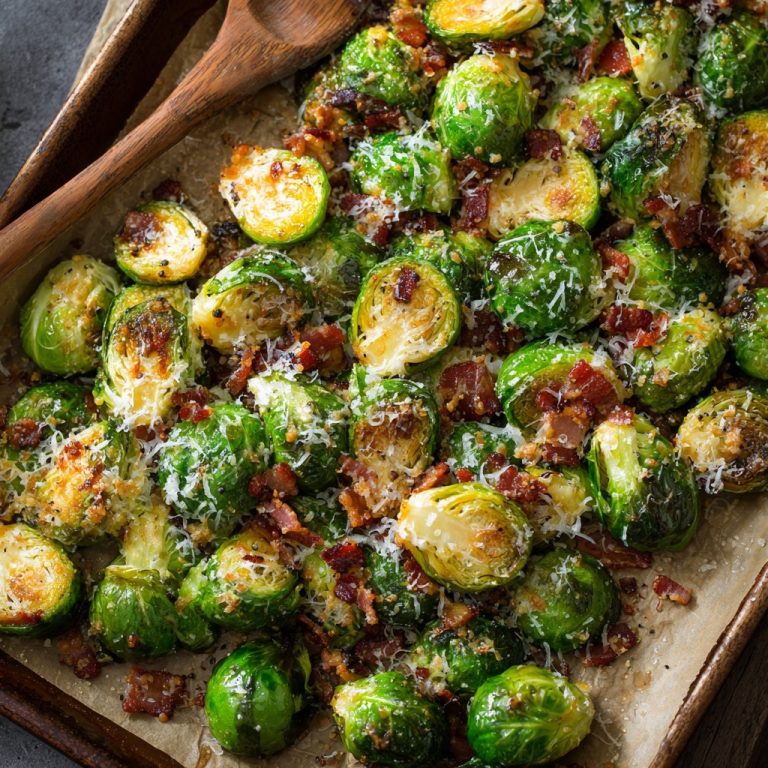
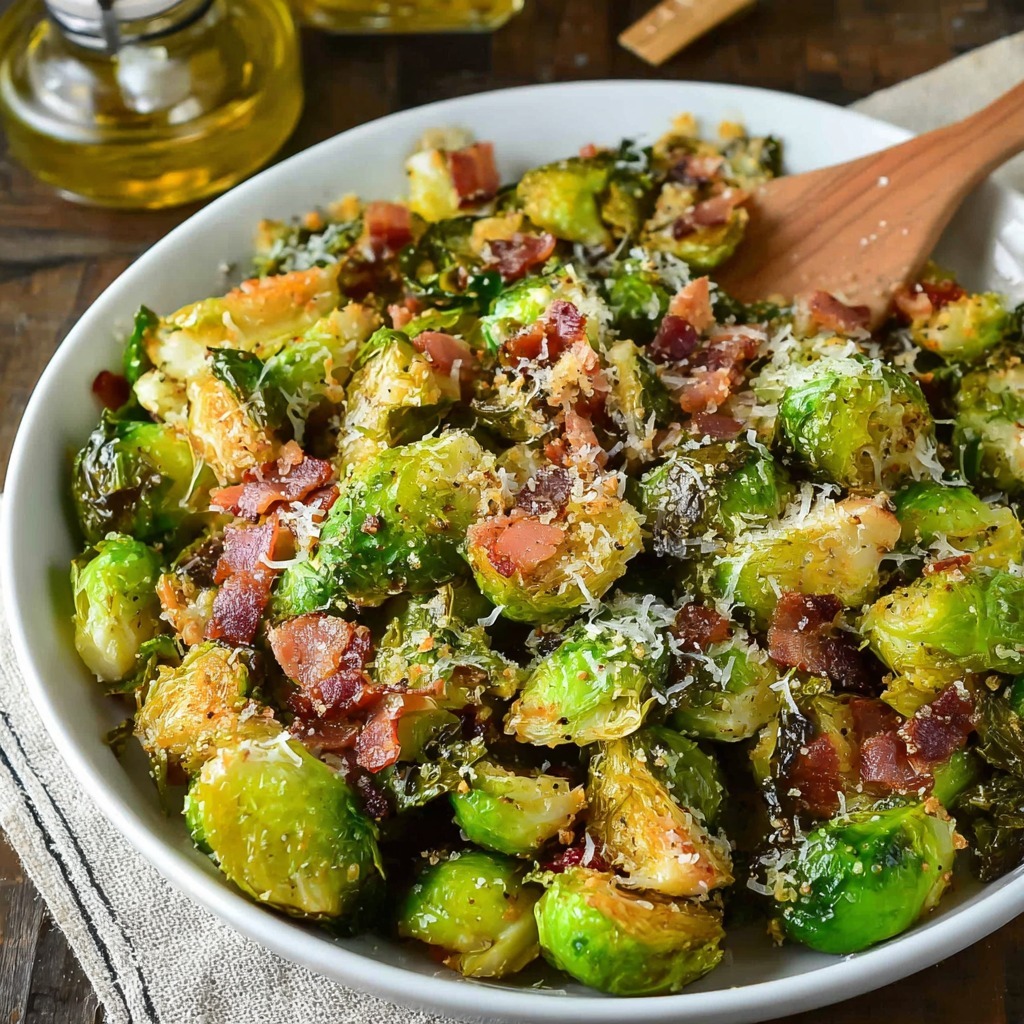
Parmesan Roasted Brussels Sprouts with Bacon are the dish that converts even the most dedicated Brussels sprout skeptic into an ardent fan—a glorious transformation of a humble vegetable into a caramelized, crispy, utterly irresistible side dish. This recipe is a masterclass in roasting, where high heat works its magic on halved Brussels sprouts, coaxing out their natural sugars and creating deeply browned, crispy edges while the interiors become tender and sweet. The magic is amplified by the addition of savory bacon, its smoky, salty crunch providing the perfect counterpoint to the sprouts’ earthy sweetness. A generous shower of grated Parmesan cheese, added in two stages, melts and crisps into golden, nutty bits that cling to every sprout, creating an irresistible crust of cheesy, savory perfection.

The brilliance of this dish lies in its simplicity and the profound depth of flavor it achieves with minimal effort. The roasting process does the heavy lifting, transforming the sprouts without any fussy techniques. The bacon, cooked until crisp and roughly chopped, adds not only flavor but also a satisfying textural contrast. The final toss with the remaining Parmesan just before serving ensures every sprout is coated in a final layer of cheesy goodness that melts slightly from the residual heat. This side dish is the perfect accompaniment to any roast, holiday turkey, or simple weeknight chicken, and it’s so delicious it often steals the spotlight from the main course. It’s proof that with a little heat and the right companions, Brussels sprouts can be absolutely spectacular.

Why You’ll Love This Recipe:

  • Caramelized, Crispy Perfection: High-heat roasting creates irresistible crispy edges and tender, sweet interiors.
  • Irresistible Flavor Trio: The combination of earthy sprouts, smoky bacon, and nutty Parmesan is pure magic.
  • Simple, Foolproof Method: Just toss, roast, and serve—no complicated steps.
  • The Ultimate Side Dish: Pairs beautifully with everything from roasted chicken to holiday turkey to steak.
  • Converts Sprout Haters: This recipe is famous for winning over even the most resistant vegetable skeptics.

Ingredients:

For the Roasted Sprouts:
2 lbs Brussels sprouts, fresh
2 tablespoons olive oil
1½ teaspoons kosher salt
1 teaspoon freshly ground black pepper

For the Toppings:
6 slices cooked bacon, roughly chopped
½ cup grated Parmesan cheese, divided (¼ cup for roasting, ¼ cup for finishing)

Instructions:

Step 1: Preheat Oven and Prepare Pan
Preheat your oven to 400°F (200°C). Line a large, rimmed baking sheet with parchment paper or aluminum foil for easy cleanup.

Step 2: Prepare the Brussels Sprouts
Trim the tough ends off each Brussels sprout. Cut each sprout in half lengthwise. If any sprouts are very large, cut them into quarters so all pieces are roughly the same size for even roasting.

Step 3: Toss with Seasonings
Place the prepared Brussels sprouts in a large bowl. Drizzle with olive oil and sprinkle with kosher salt and black pepper. Add half (¼ cup) of the grated Parmesan cheese. Toss well until every sprout is evenly coated.

Step 4: Roast
Spread the seasoned sprouts in a single, even layer on the prepared baking sheet, cut-side down if possible for maximum caramelization. Roast for 20-25 minutes, stirring once halfway through, until the sprouts are tender and deeply golden brown with crispy edges.

Step 5: Add Bacon and Remaining Cheese
Remove the baking sheet from the oven. Immediately sprinkle the chopped bacon and the remaining ¼ cup of Parmesan cheese over the hot sprouts. Toss gently to combine. The residual heat will slightly melt the cheese.

Step 6: Season and Serve
Taste and adjust with additional salt and pepper if needed. Serve immediately.

Tips:

  • Uniform Size: Cut sprouts into similar-sized pieces to ensure even cooking.
  • Don’t Overcrowd: Give the sprouts room on the baking sheet. If they’re crowded, they’ll steam instead of roast. Use two sheets if necessary.
  • Cut Side Down: Arrange sprouts with the cut side touching the pan for the best caramelization.
  • Cook Bacon Ahead: Prepare the bacon by frying, baking, or air-frying until very crisp, then chop or crumble.
  • Add a Squeeze of Lemon: A final squeeze of fresh lemon juice brightens all the flavors beautifully.

Storage Options:

  • Refrigerator: Store leftovers in an airtight container in the refrigerator for up to 4 days.
  • Reheating: Reheat in a 375°F (190°C) oven or air fryer for 5-10 minutes to restore crispness. The microwave will make them soggy.
  • Not for Freezing: The texture of roasted sprouts becomes waterlogged and unappetizing upon thawing.
  • Make-Ahead: You can trim and halve the sprouts a day in advance and store them in the refrigerator. Roast just before serving.

Parmesan Roasted Brussels Sprouts with Bacon are a revelation—a side dish so delicious it deserves a place at every table. They are crispy, savory, cheesy, and utterly addictive, proving that the simplest preparations often yield the most spectacular results.

Peanut Butter Stuffed Brookies

0

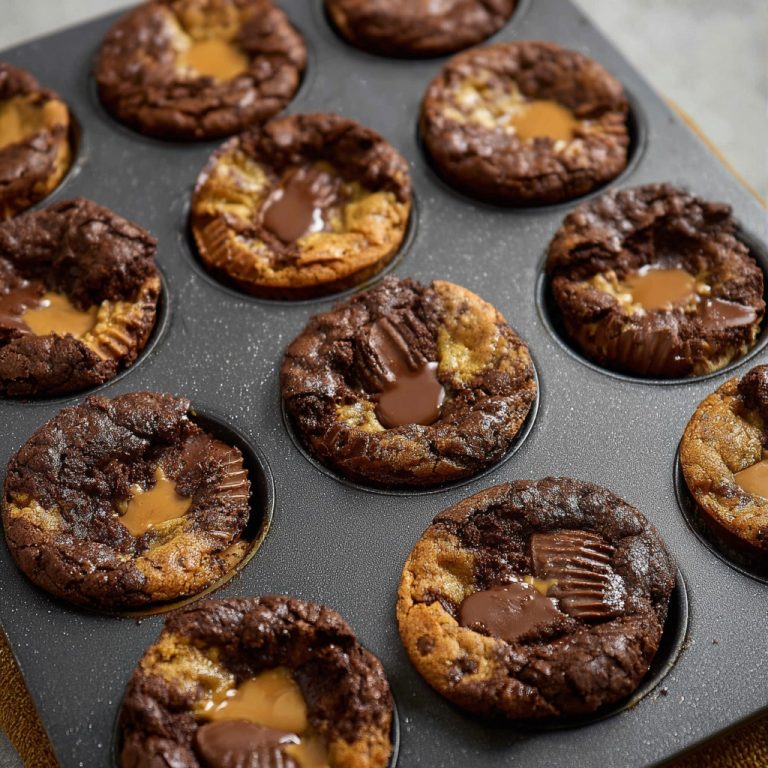
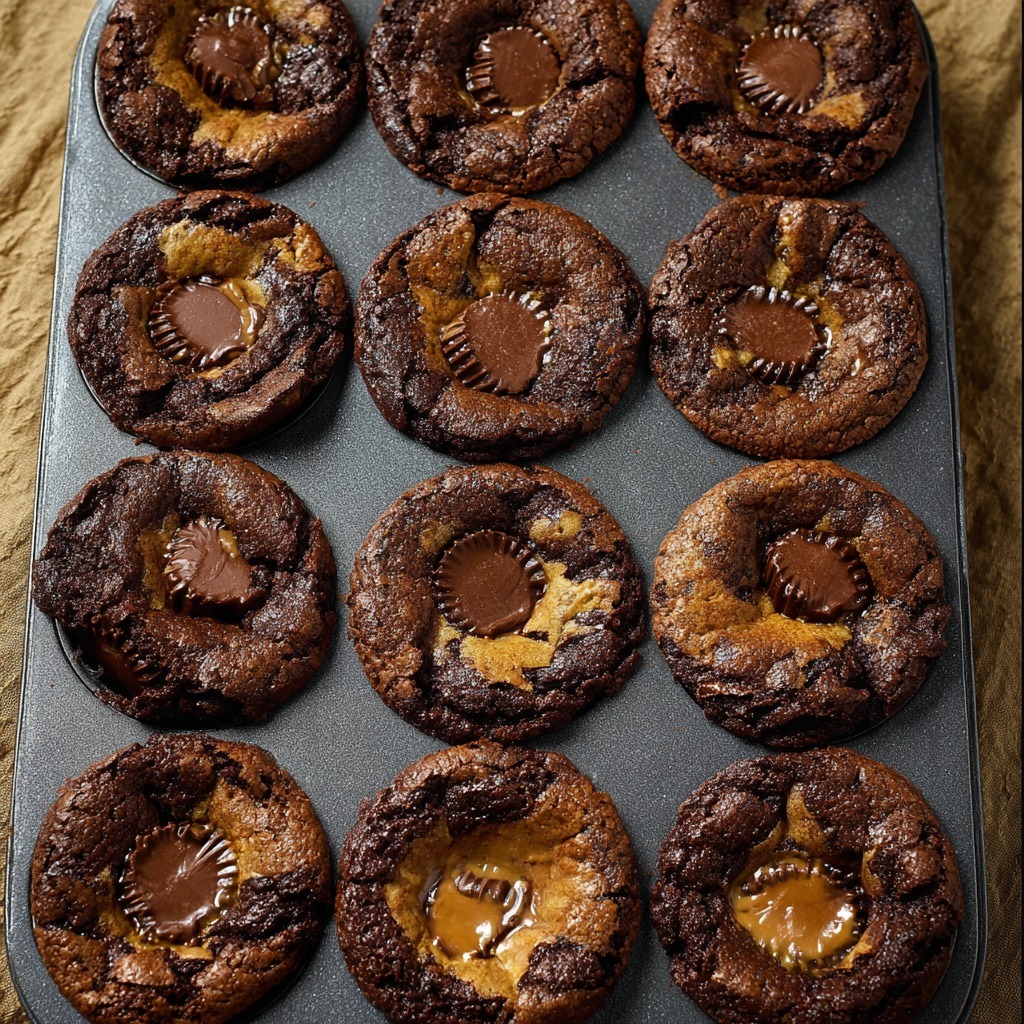
Peanut Butter Stuffed Brookies are the ultimate hybrid dessert—a glorious, indulgent mashup that combines the chewy, chocolate chip cookie goodness of a classic brookie with the rich, fudgy decadence of a brownie, all wrapped around a molten, creamy Reese’s peanut butter cup center. This recipe is a stroke of genius, transforming simple, store-bought shortcuts into a dessert that looks and tastes like it came from a gourmet bakery. The magic begins with a layer of chocolate chip cookie dough pressed into a muffin tin, forming a soft, chewy base. A whole peanut butter cup, placed upside down, becomes the hidden treasure at the heart of each brookie. The cups are then filled to the brim with prepared brownie batter, which bakes into a crackly-topped, fudgy crown that envelops the peanut butter cup in rich, chocolatey goodness.

The brilliance of this recipe lies in its incredible ease and the guaranteed wow factor it delivers. Using refrigerated cookie dough and a boxed brownie mix streamlines the process, making this an accessible project for bakers of any skill level. The individual muffin-tin portions are perfect for serving—no slicing, no mess, just a perfectly portioned, self-contained treat that reveals its gooey, peanut butter heart when you bite in. The contrast of textures is sublime: the chewy cookie base, the fudgy brownie top, and the creamy, slightly melted peanut butter cup center all in one glorious bite. These brookies are the ultimate party dessert, guaranteed to be the first thing to disappear from any dessert table and leave everyone asking for the recipe.

Why You’ll Love This Recipe:

  • Ultimate Triple-Threat Dessert: Combines chocolate chip cookie, fudgy brownie, and a creamy peanut butter cup in one bite.
  • Incredibly Easy & Quick: Uses convenient refrigerated cookie dough and boxed brownie mix for a stunning result with minimal effort.
  • Perfect Individual Servings: Baked in a muffin tin, each brookie is a self-contained, ready-to-serve treat.
  • Molten Peanut Butter Surprise: The Reese’s cup melts slightly during baking, creating a gooey, irresistible center.
  • Guaranteed Crowd-Pleaser: A universally adored combination that will be the hit of any party or gathering.

Ingredients:

For the Brookies:
1 package (16.5 oz) refrigerated chocolate chip cookie dough
1 box (18 oz) brownie mix, prepared according to package directions (plus eggs, oil, and water as called for)
12 full-size Reese’s peanut butter cups, unwrapped

For the Pan:
Baking spray with flour

Instructions:

Step 1: Preheat and Prepare Pan
Preheat your oven to 350°F (175°C). Generously spray the cups of a 12-cup standard muffin tin with baking spray, ensuring all surfaces are well coated.

Step 2: Prepare the Cookie Dough Base
Remove the cookie dough from its packaging. Divide it into 12 equal portions (about 1½ tablespoons each). Roll each portion into a ball, then press it firmly into the bottom of one muffin cup, creating an even layer that covers the bottom completely.

Step 3: Add the Peanut Butter Cup
Place one Reese’s peanut butter cup upside down on top of the cookie dough in each muffin cup. Press it down gently so it’s nestled into the dough.

Step 4: Prepare and Add the Brownie Batter
Prepare the brownie mix according to the package directions (typically combining the mix with eggs, oil, and water). Carefully spoon the brownie batter over the peanut butter cups in each muffin cup, filling each cup almost to the top (about ¾ full). The batter will rise as it bakes.

Step 5: Bake
Bake for 20-25 minutes, or until the brownie tops are set and a toothpick inserted into the brownie portion (avoiding the peanut butter cup) comes out with a few moist crumbs. The tops may look slightly crackly.

Step 6: Cool Completely
Place the muffin tin on a wire rack and let the brookies cool in the pan for at least 20-30 minutes. This step is crucial—they need time to set so they hold their shape when removed. Do not attempt to remove them while warm.

Step 7: Remove and Serve
Once completely cool, carefully run a small knife or offset spatula around the edge of each brookie to loosen. Gently lift them out of the muffin tin. Serve at room temperature.

Tips:

  • Spray the Pan Generously: These brookies are sticky. Don’t skimp on the baking spray to ensure easy removal.
  • Upside-Down Peanut Butter Cup: Placing the cup upside down ensures the peanut butter center is perfectly positioned to melt into a gooey pocket.
  • Don’t Overfill: Fill the muffin cups only about ¾ full with brownie batter to allow room for rising.
  • Cooling is Non-Negotiable: The brookies need time to set. Rushing this step will result in a crumbly mess.
  • Customize It: Use different flavors of peanut butter cups (dark chocolate, white chocolate) or try other filled candies.

Storage Options:

  • Room Temperature: Store cooled brookies in an airtight container at room temperature for up to 4 days.
  • Refrigerator: For longer storage, keep in the refrigerator for up to 1 week. Bring to room temperature before serving.
  • Freezing: These brookies freeze beautifully. Wrap individually in plastic wrap and store in a freezer bag for up to 2 months. Thaw at room temperature.
  • Make-Ahead: You can bake them a day in advance and store them covered at room temperature.

Peanut Butter Stuffed Brookies are the ultimate expression of dessert decadence—easy, fun, and absolutely irresistible. They prove that with a few clever shortcuts and a great idea, you can create a treat that tastes like a million bucks and brings pure joy to every single bite.

Wait—Are We Not Rinsing Pasta Anymore?

0

It was one of those evenings. A long one.

You know the type—dishes still lurking in the sink from breakfast, a random wet spot on the floor with no obvious source, and the only thing keeping you going was the hope that dinner would somehow fix everything.

Lucky for me, my husband was already at the stove. Spaghetti night! The aroma of garlic filled the air, the sauce was bubbling away, and there was even bread warming in the oven. Pure magic.

Until I glanced at the colander.

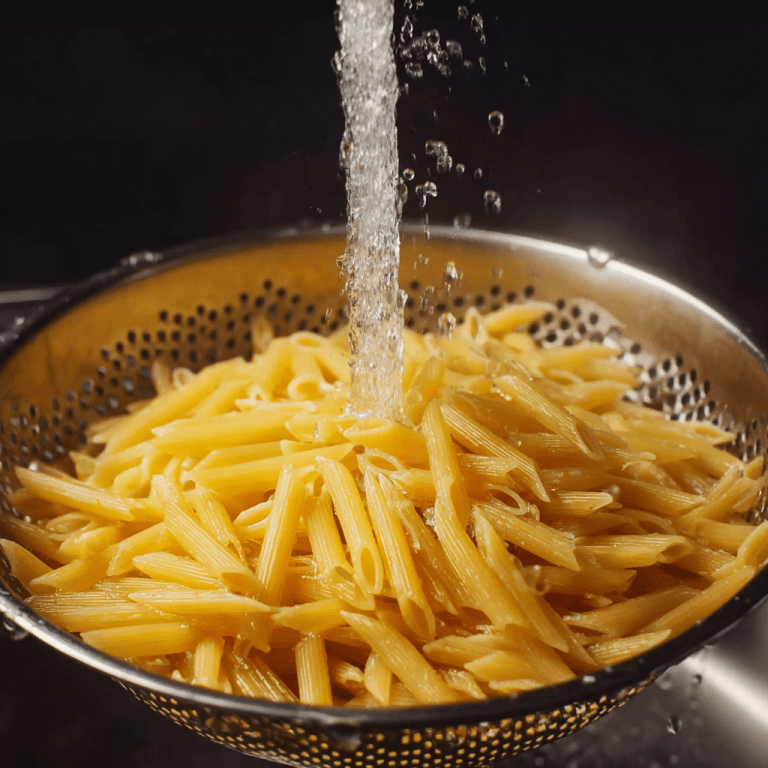
There it was. The spaghetti, fresh out of the pot, dripping with that cloudy, starchy water… completely unrinsed.

I stood there, frozen. It wasn’t just sticky—it was gummy. Clumpy. The kind of texture that makes you pucker.

Now look, I realize most people don’t give this a second thought. But in that moment? I couldn’t eat it. I couldn’t serve it to the kids either. And somehow, we found ourselves in a full-blown kitchen debate about whether rinsing pasta is actually required.

Turns out, the answer isn’t nearly as black and white as I thought.

Let’s Back Up: Why Some of Us Rinse Pasta (Without Question)
Growing up, rinsing pasta was simply part of the routine. You boiled it, drained it, and gave it a quick cold shower. Not some deep culinary statement—just habit. Like soaking beans or trimming the ends off green beans.

But that quick rinse? It does way more than just “cool things down.”

Here’s what skipping the rinse actually does:

The pasta keeps cooking from its own residual heat (especially sitting in a hot strainer).

The starch coats every piece like a layer of glue.

That starch turns into sticky cement.

And if you’re not serving it immediately? You end up with one giant noodle knot.

So yes, I rinse. Not always. But often. Especially when I want those strands separate and smooth—not fused together in some tragic pasta blob.

“But You’re Literally Washing Away the Taste!”
This is the argument people always make. Sometimes loudly. Occasionally with side-eye.

And honestly? They’re not completely off base.

When you rinse, you’re removing that outer layer of starch—which, granted, can help sauce grip the pasta. That’s exactly why traditional Italian cooks would probably faint at the thought of rinsing. And fair enough—in classic dishes, that starch is part of what makes the magic happen.

But here’s the thing—it depends.

Making a hot pasta with a silky sauce?
Sure. Skip the rinse. Let that sauce wrap around every noodle like a warm hug.

But throwing together pasta salad? Meal-prepping for the week? Working with a sauce that’s already plenty thick?
Rinse. Please. Do it for the texture. Do it for everyone who can’t stand mushy noodles. Do it for me.

The Quick Science Lesson (Painless, Promise)
So what’s actually going on in that pot?

When pasta boils, those starch molecules swell up and escape—picture tiny balloons filling with water. That starchy coating is exactly what makes cooked pasta sticky.

Rinsing puts an immediate stop to this process. Cold water does double duty—it stops the cooking cold (literally) and washes away that outer starch layer. End result? Pasta that’s firmer, smoother, and actually stays separated.

Skipping the Rinse = More Flavor? Sometimes.
Here’s where it gets interesting.

For dishes where the sauce really needs to cling—think cacio e pepe, bolognese, carbonara—that surface starch is your best friend. It helps thicken, it helps bind, and it creates that luscious, glossy finish everyone drools over.

This is exactly why so many chefs swear by Team No Rinse.

But reheating leftovers tomorrow? Making cold pasta salad with vinaigrette? That leftover starch turns into glue, fast.

So really, it’s not about “rinsing is right” or “rinsing is wrong.” It’s about: What exactly are you making?

Real Talk: When Rinsing Just Makes Sense
Go ahead and rinse when:

You’re prepping cold pasta salad (especially with lighter dressings).

You’re cooking big batches to eat throughout the week.

You’re making noodle bowls or pasta stir-fry (yes, that’s a thing).

You’re serving buffet-style and want to avoid one giant pasta clump.

Skip the rinse when:

You’re using a hot, hearty sauce and want maximum cling.

You’re tossing the pasta with sauce immediately (no sitting around).

An Italian grandmother is watching. (Mostly kidding. Mostly.)

“Okay, But My Partner Didn’t Rinse—Now What?”
This is the part that actually matters. Because it’s not really about pasta. It’s about habits. Preferences. Those little food “rules” we carry around without knowing why. And how strangely unsettling it feels when someone breaks them.

Here’s what I’ve slowly, awkwardly figured out:

Take a breath before reacting. Maybe it’s not worth the fight. Or maybe it’s a chance to share something.

Stay curious. Try: “Hey, how do you usually handle pasta?” without making it an interrogation.

Share your side gently. “I’ve just always struggled with the sticky thing—it’s a texture thing for me.”

Make it a team experiment. “Want to try rinsing next time and see which we like better?”

We all bring different food histories to the table. What seems completely obvious to one person might be totally new to another. And honestly? That’s not a bad thing—it’s just part of sharing a kitchen.

Pro Tips for Better Pasta, Rinsed or Not
If you want to up your pasta game—regardless of which side you’re on—here’s what actually makes a difference:

✔ Use plenty of water—seriously, more than feels necessary
✔ Salt that water well (“like the sea” is a cliché because it works)
✔ Stir occasionally while it cooks—don’t just abandon it
✔ Taste before draining (timers lie sometimes)
✔ Scoop out some starchy water before draining—it can rescue almost any sauce
✔ And yes, choose rinse or no-rinse based on what you’re actually making

Pasta Already a Sticky Mess? Here’s How to Fix It
If you skipped the rinse and now you’re dealing with a noodle nightmare, don’t panic.

Drizzle a little olive oil and toss gently to break things up.

Add a splash of that reserved pasta water (or even plain hot water) to bring it back to life.

If it’s cold and clumpy, a quick warm rinse can help before you reheat with sauce.

Worst case? Call it “rustic.” Add extra cheese. Nobody’s going to complain.

So What’s the Final Answer? Is Rinsing Necessary?
Nope. Not always. But sometimes? Yeah, it honestly makes a real difference.

It comes down to what you’re cooking. Who you’re feeding. And what textures and flavors feel right to you.

In our house these days? We rinse. Not every single time. But often enough that dinner doesn’t feel like we’re chewing on glue.

So next time you’re hovering over the sink, strainer in hand, asking yourself “To rinse or not to rinse?”—just think about what kind of pasta night you’re actually going for.

And maybe… check with your partner, too.

Got strong pasta opinions? Did someone in your life commit a kitchen crime that made dinner weird? I’d honestly love to hear about it. Drop a comment or send a note—because food is never really just about food. It’s about connection. Even when it gets a little sticky.

Chicken Caprese

0

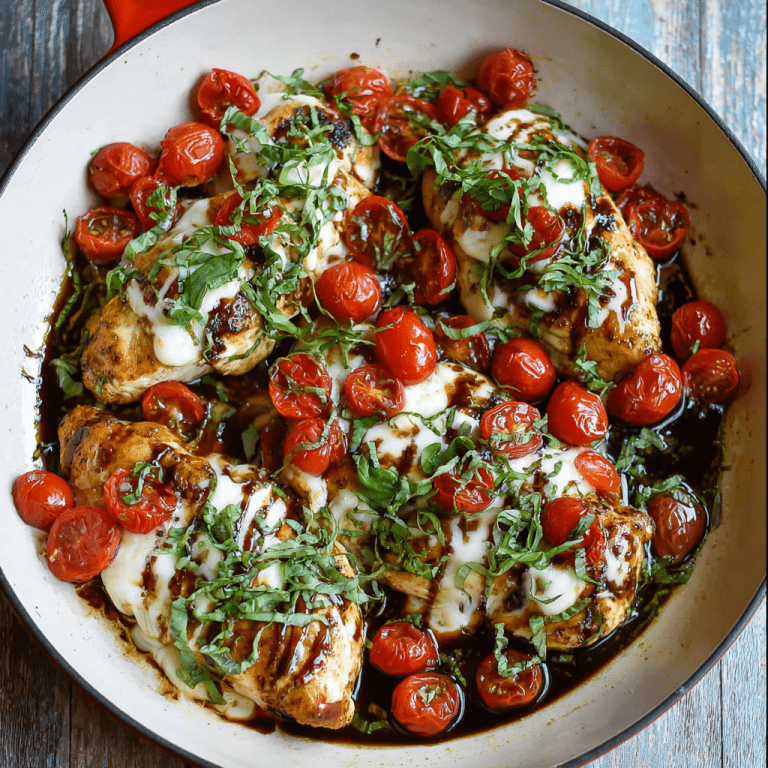
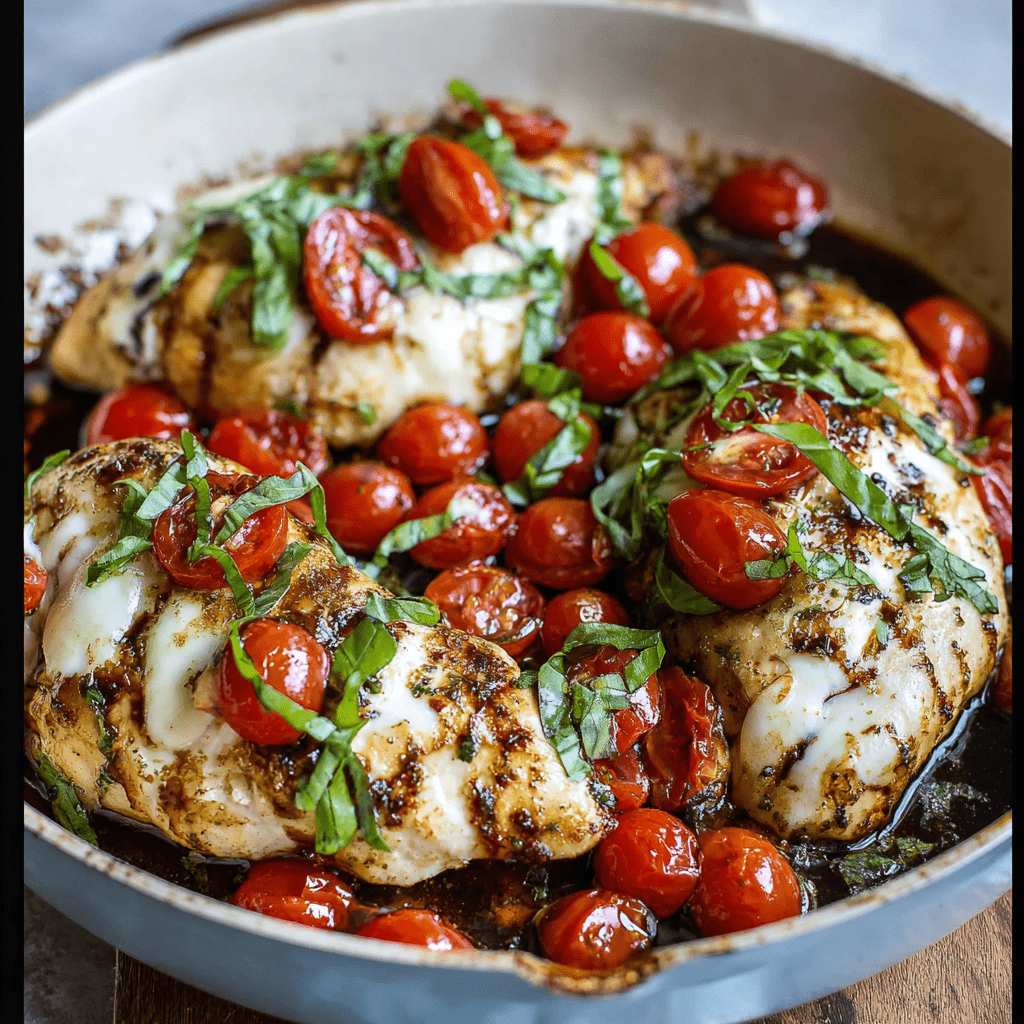
Chicken Caprese is a stunning, restaurant-quality dish that beautifully marries the classic Italian Caprese salad flavors—ripe tomatoes, fresh mozzarella, and fragrant basil—with tender, juicy chicken breast, all elevated by a luscious, tangy-sweet balsamic glaze. This recipe is a celebration of simplicity and elegance, transforming everyday ingredients into a visually impressive and deeply satisfying meal. The magic begins with pan-seared chicken breasts, browned to golden perfection, then finished in the oven to ensure they remain succulent and moist. A generous topping of shredded mozzarella melts into a blanket of creamy, milky goodness, while halved grape tomatoes soften and sweeten in the heat. The crowning glory is the homemade balsamic glaze—a reduction of balsamic vinegar and brown sugar that becomes syrupy, glossy, and intensely flavorful, adding the perfect balance of sweetness and acidity to tie all the elements together.

The brilliance of this dish lies in its beautiful presentation and the way each component complements the others. The rich, savory chicken is the perfect canvas for the bright, fresh flavors of tomato and basil, while the melted cheese adds a luxurious, creamy texture. The balsamic glaze, drizzled artfully over the top, not only enhances the flavor but also creates a stunning visual finish that makes this dish worthy of any dinner party. Served with a side of pasta, crusty bread, or a simple green salad, Chicken Caprese is a complete, elegant meal that feels special yet is surprisingly simple to prepare. It is a testament to the power of a few high-quality ingredients, treated with care and presented beautifully.

Why You’ll Love This Recipe:

  • Restaurant-Quality at Home: A stunning, elegant dish that tastes as incredible as it looks.
  • Fresh, Classic Italian Flavors: The combination of tomato, mozzarella, basil, and balsamic is timeless and universally loved.
  • Simple, Straightforward Technique: Pan-searing and oven-finishing ensures perfectly cooked, juicy chicken every time.
  • Homemade Balsamic Glaze: The sweet-tart reduction elevates the entire dish far beyond a simple drizzle of vinegar.
  • Impressive Yet Approachable: Perfect for date night, entertaining, or a special family dinner.

Ingredients:

For the Balsamic Glaze:
1 cup balsamic vinegar
¼ cup packed light brown sugar

For the Chicken:
4 boneless, skinless chicken breasts (about 6 oz / 170g each)
2 tablespoons extra virgin olive oil
Kosher salt and freshly ground black pepper, to taste

For the Topping:
2 cups shredded whole-milk, low-moisture mozzarella cheese
1½ cups grape tomatoes, sliced in half lengthwise
¼ cup fresh basil leaves, cut into thin ribbons (chiffonade)

Instructions:

Step 1: Make the Balsamic Glaze
In a small saucepan, combine the balsamic vinegar and brown sugar. Bring to a boil over medium-high heat, then reduce the heat to maintain a steady simmer. Cook for 10-15 minutes, stirring occasionally, until the mixture has reduced by about half and is thick enough to coat the back of a spoon. Remove from heat and set aside. It will continue to thicken as it cools.

Step 2: Preheat Oven and Prepare Chicken
Preheat your oven to 350°F (175°C). Pat the chicken breasts dry with paper towels and season generously on both sides with kosher salt and freshly ground black pepper.

Step 3: Sear the Chicken
Heat the olive oil in a large, ovenproof skillet over medium-high heat. Carefully place the chicken breasts in the hot skillet and cook without moving for 4-5 minutes, until a golden-brown crust forms. Flip the chicken and cook for an additional 3-4 minutes on the second side.

Step 4: Finish Cooking in Oven
Cover the skillet loosely with foil and transfer it to the preheated oven. Bake for 10-15 minutes, or until the internal temperature of the chicken reaches 165°F (74°C) when measured with an instant-read thermometer. The cooking time will vary depending on the thickness of your chicken.

Step 5: Add Toppings and Melt Cheese
Carefully remove the skillet from the oven (the handle will be hot!). Increase the oven temperature to broil. Sprinkle the shredded mozzarella evenly over each chicken breast. Scatter the halved grape tomatoes over and around the chicken. Return the skillet to the oven, uncovered, and broil for 2-4 minutes, watching closely, until the cheese is melted, bubbly, and lightly golden in spots.

Step 6: Garnish and Serve
Remove from the oven. Sprinkle the fresh basil ribbons over the top. Drizzle the balsamic glaze generously over the chicken and tomatoes. Serve immediately.

Tips:

  • Pound Chicken for Even Thickness: If your chicken breasts are very thick, pound them to an even ½-inch thickness for more uniform cooking.
  • Use an Ovenproof Skillet: A cast-iron or stainless steel skillet is ideal for going from stovetop to oven. Wrap the handle in a kitchen towel to remind yourself it’s hot.
  • Don’t Over-Reduce the Glaze: It should be syrupy and coat a spoon. It will thicken further as it cools. If it becomes too thick, gently reheat with a splash of water.
  • Fresh Mozzarella Alternative: For an even more authentic Caprese experience, use sliced fresh mozzarella instead of shredded.
  • Add Garlic: Sauté a minced clove of garlic in the skillet for 30 seconds before adding the chicken for extra flavor.

Storage Options:

  • Refrigerator: Store leftovers in an airtight container in the refrigerator for up to 3 days.
  • Reheating: Reheat gently in a covered skillet over low heat or in the microwave. The balsamic glaze can be drizzled fresh after reheating.
  • Make-Ahead: The balsamic glaze can be made up to a week in advance and stored in the refrigerator. The chicken is best cooked fresh.
  • Not for Freezing: The texture of the cooked chicken and melted cheese will suffer upon thawing.

Chicken Caprese is a celebration of fresh, vibrant flavors and elegant simplicity. It’s a dish that proves you don’t need complicated techniques or a long ingredient list to create something truly memorable and delicious. It’s sure to become a favorite in your recipe collection.