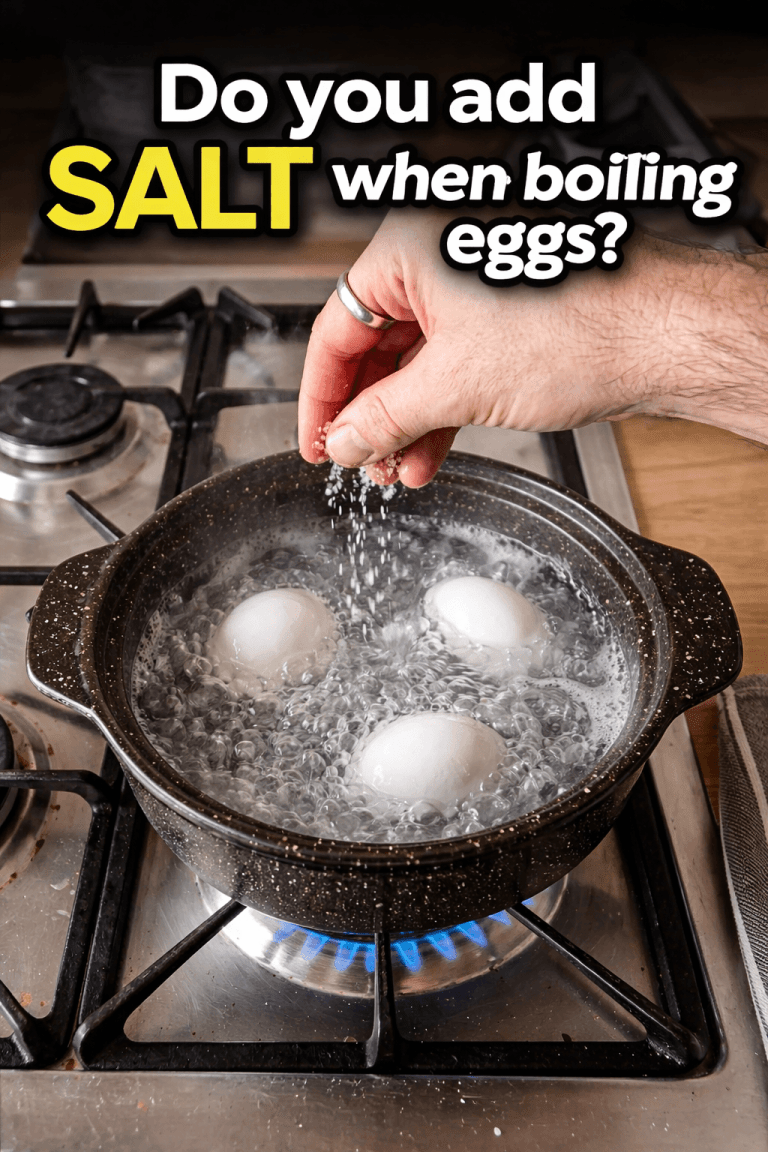
Why Do People Add Salt When Boiling Eggs? (And Does It Actually Help?)

0

It started with something small.

I was at a friend’s house—nothing fancy, just one of those slow weekend brunches where coffee keeps getting refilled and nobody’s in a rush. She was making boiled eggs, chatting away, and without thinking twice, she tossed a pinch of salt into the pot before the water even heated up.

I noticed. Of course I noticed.

And I had that moment—you know the one—”Wait… have I been doing this wrong my whole life?”

Because honestly, boiling eggs feels like the simplest thing in the kitchen… until it isn’t.

Boiling Eggs Should Be Easy… So Why Isn’t It?

Here’s the thing—eggs are deceptively tricky.

On paper, it’s just water + heat + time. But in reality? You’ve got:

  • shells that crack at the worst moment
  • whites that leak out like they’re escaping
  • yolks that go from perfect to chalky in what feels like seconds

It’s a bit dramatic for such a humble ingredient.

What’s happening behind the scenes is actually pretty interesting. As the egg heats up, the proteins—especially in the white—start to tighten and set. That’s what turns it from liquid to solid. But if the shell cracks early, those proteins spill out into the water before they’ve had a chance to firm up.

And that’s where salt enters the conversation.

So… What Does Salt Actually Do Here?

Let me explain in simple terms.

When you add salt to the water, you’re not just seasoning it (because let’s be honest, the shell blocks most of that anyway). What you’re really doing is slightly changing how the water behaves.

And more importantly—how the egg behaves if something goes wrong.

If an egg cracks, even just a tiny hairline crack, the salted water can help the egg white firm up faster as it hits the hot water. Instead of drifting away in wispy strands, it kind of “sets” near the shell.

Is it magic? No.
Does it help a little? Yeah… it actually does.

But Wait—Does Salt Make Water Boil Faster?

This is where things get a little… overhyped.

You’ve probably heard that salt raises the boiling point of water. That part is true. It’s basic kitchen science.

But here’s the part people don’t always mention:

The amount of salt you’d need to make a noticeable difference? It’s a lot. Like, way more than anyone would reasonably add to a pot of eggs.

So in everyday cooking, the difference is tiny. Almost negligible.

In other words:

  • Will salt make your eggs cook faster? Not really.
  • Will you notice a timing difference? Probably not.

It’s one of those things that sounds impressive but doesn’t change much on your stove.

The Real Reason People Add Salt (It’s Not What You Think)

If you strip it down, most people add salt for one practical reason:

👉 To deal with cracked eggs.

That’s it.

Because if you’ve ever had an egg burst open mid-boil, you know how frustrating it is. The white leaks out, turns cloudy, and suddenly your pot looks like a science experiment.

Salt can help reduce that mess. Not eliminate it—but reduce it.

And honestly? Sometimes that’s enough.

Does It Make the Shell Stronger?

You might hear people say that salt “strengthens” the shell.

That’s… kind of a stretch.

There might be a very slight effect, but it’s not something you’d rely on. If your eggs are going to crack—because of temperature shock, rough handling, or tiny fractures—they’ll crack.

A more reliable trick?

  • Let eggs sit out for a few minutes before boiling
  • Don’t drop them straight into aggressively boiling water
  • Or start them in cold water and bring it up gently

Those steps matter more than the salt ever will.

Other Little Tricks People Swear By

Salt isn’t the only thing people toss into the pot. If you ask around, you’ll hear all kinds of methods—some practical, some… questionable.

A few common ones:

  • Vinegar: Similar idea to salt—it helps egg whites coagulate faster if the shell cracks. Slightly more effective, but you might catch a faint smell.
  • Steaming instead of boiling: This one’s actually worth trying. Steamed eggs tend to peel easier and cook more evenly.
  • Ice bath after cooking: Not optional in my kitchen. It stops the cooking immediately and helps prevent that gray ring around the yolk.

Funny enough, everyone has their “one trick,” and they’ll defend it like it’s family tradition.

So… Should You Add Salt or Not?

Here’s the honest answer:

  • It won’t hurt.
  • It might help a little.
  • But it’s not essential.

If you’ve had issues with eggs cracking and leaking, adding a pinch of salt is a simple habit that can make things slightly smoother. Nothing dramatic—but noticeable enough.

If your eggs already turn out just how you like them? You’re not missing anything.

Final Thought (Because This Is One of Those Small Kitchen Habits…)

You know what I’ve realized?

Cooking is full of these tiny rituals—things we pick up from family, friends, or random moments like that brunch I mentioned. Some are backed by science, some are just habit, and most fall somewhere in between.

Adding salt to boiling eggs?

It’s one of those in-between things.

Not necessary. Not useless. Just… quietly helpful.

And honestly, those are often the best kitchen tricks—the ones that don’t try too hard but still make your life a little easier.
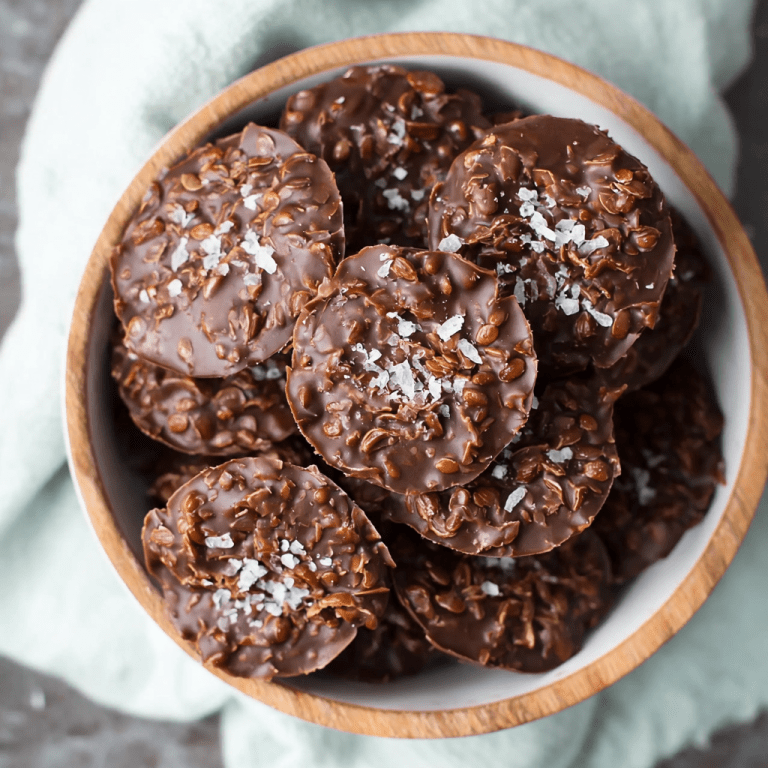
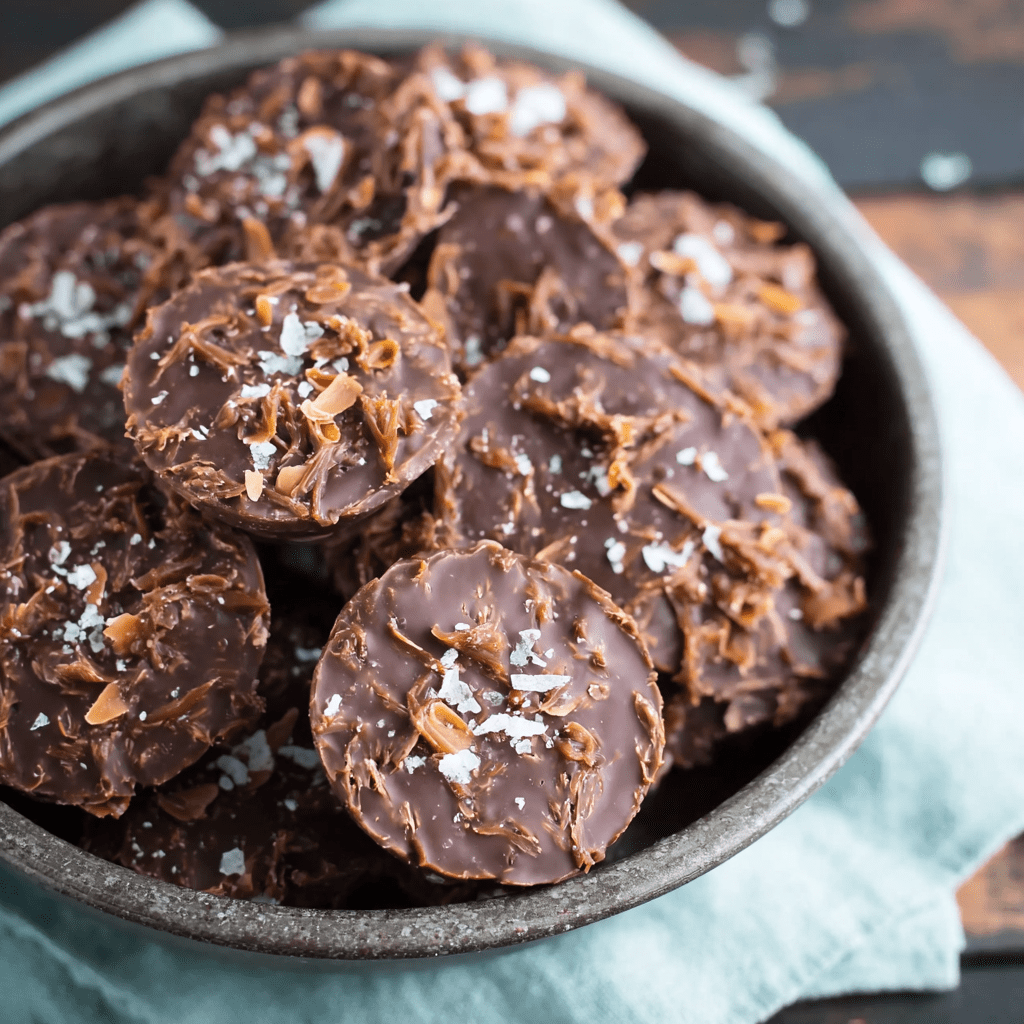
Keto No-Bake Cookies

0

Keto No-Bake Cookies are a miraculous low-carb creation, delivering all the rich, fudgy, chocolate-peanut butter satisfaction of the classic childhood treat in a completely sugar-free, grain-free package that aligns perfectly with a ketogenic lifestyle. This recipe is a masterclass in keto-friendly alchemy, transforming a handful of wholesome ingredients into decadent, bite-sized morsels that are as addictive as they are virtuous. The magic begins with a simple stovetop melting of coconut oil and creamy peanut butter, which forms a luscious, fatty base. The addition of cocoa powder transforms it into a deep, dark chocolate fudge, while the low-carb sweetener dissolves seamlessly, providing the necessary sweetness without any sugar crash. The final stir of unsweetened coconut flakes and nutritious hemp seeds adds delightful texture and chew, creating a cookie that is satisfyingly substantial.

The brilliance of these cookies lies in their astonishing simplicity and their perfect nutritional profile for keto dieters. With no baking required and just 15 minutes in the freezer, they come together in a flash, making them the ideal solution for a sudden sweet craving or an easy, crowd-pleasing dessert for gatherings where dietary restrictions are a concern. The use of coconut oil ensures they set firmly at cool temperatures, creating a meltaway texture that is both rich and refreshing. Stored in the freezer, they are a perfect portion-controlled treat, ready to be enjoyed straight from the cold. These cookies prove that a ketogenic diet never has to mean deprivation, offering a deeply satisfying, fudgy, and utterly delicious experience that will fool even the most dedicated sugar-lover.

Why You’ll Love This Recipe:

  • Authentic No-Bake Flavor: Perfectly captures the fudgy, chocolate-peanut butter taste of the classic cookies without any sugar or grains.
  • Keto-Friendly & Low-Carb: Uses monk fruit or Swerve, unsweetened coconut, and healthy fats to keep carbs minimal and flavor maximal.
  • Incredibly Quick & Easy: Ready in under 20 minutes with just a saucepan and a freezer—no baking required.
  • Perfectly Portioned Treats: The mini muffin size makes for easy portion control and satisfying snacking.
  • Customizable & Adaptable: Easily swap the peanut butter for almond butter, add nuts, or adjust the sweetness to your preference.

Ingredients:

For the Fudge Base:
¾ cup (170g) coconut oil
¾ cup (190g) creamy low-carb peanut butter or almond butter
¼ cup (20g) unsweetened cocoa powder
1 cup (180g) Monkfruit, Swerve, or other erythritol-based sweetener (brown sugar or granular)
1 teaspoon vanilla extract (optional)

For Texture & Flavor:
1 ½ cups (120g) unsweetened coconut flakes
2 tablespoons hulled hemp seeds (hemp hearts)
Flaky sea salt, for topping (optional)

Instructions:

Step 1: Melt the Base
In a medium saucepan over medium-low heat, combine the coconut oil and peanut butter. Stir frequently as they melt together until the mixture is smooth, fully combined, and glossy.

Step 2: Add Dry Ingredients
Stir in the cocoa powder, vanilla extract (if using), and the low-carb sweetener. Continue to stir until the sweetener is completely dissolved and the mixture is smooth with no visible granules.

Step 3: Incorporate Texture
Remove the saucepan from the heat. Stir in the unsweetened coconut flakes and hemp seeds until everything is evenly coated in the fudge mixture.

Step 4: Cool Slightly
Allow the mixture to cool for 5-10 minutes at room temperature. This prevents it from being so hot that it melts the silicone molds, but it should still be pourable.

Step 5: Portion and Set
Carefully spoon the mixture into silicone mini muffin tins, filling each cup about ¾ full. If desired, sprinkle a tiny pinch of flaky sea salt over the top of each cookie.

Step 6: Freeze to Set
Place the filled muffin tin in the freezer for 15-20 minutes, or until the cookies are completely firm and set.

Step 7: Store and Enjoy
Pop the cookies out of the silicone molds. Transfer to an airtight container and store in the freezer. Enjoy straight from the freezer for the perfect fudgy texture.

Tips:

  • Silicone Molds are Essential: Silicone mini muffin tins make removal effortless. If using metal, line with paper liners and grease well.
  • Sweetener Dissolving: Ensure your sweetener is fully dissolved into the warm fat mixture. Granular sweeteners can leave a gritty texture if not fully melted.
  • Watch the Heat: Don’t overheat the mixture once the sweetener is added, as erythritol can recrystallize.
  • Customize Texture: Add chopped pecans or walnuts, sugar-free chocolate chips, or a dash of cinnamon for variety.
  • Peanut Butter Note: Use a no-sugar-added peanut butter. Avoid natural brands that separate, as they can affect the set.

Storage Options:

  • Freezer (Recommended): Store in an airtight container in the freezer for up to 2 months. They are meant to be enjoyed firm and cold.
  • Refrigerator: They can be stored in the refrigerator for up to 1 week, but they will be softer. Keep in a sealed container.
  • Room Temperature: Not recommended, as coconut oil melts at warm room temperatures and the cookies will lose their shape.
  • Make-Ahead: These are perfect for making ahead and keeping on hand for a quick keto dessert fix.

Keto No-Bake Cookies are a revelation for anyone following a low-carb lifestyle. They deliver the nostalgic joy of a classic treat with absolutely no compromise on taste or texture, proving that healthy eating can be delicious, satisfying, and incredibly simple.

Cinnamon Rolls with Cream Cheese Frosting

0

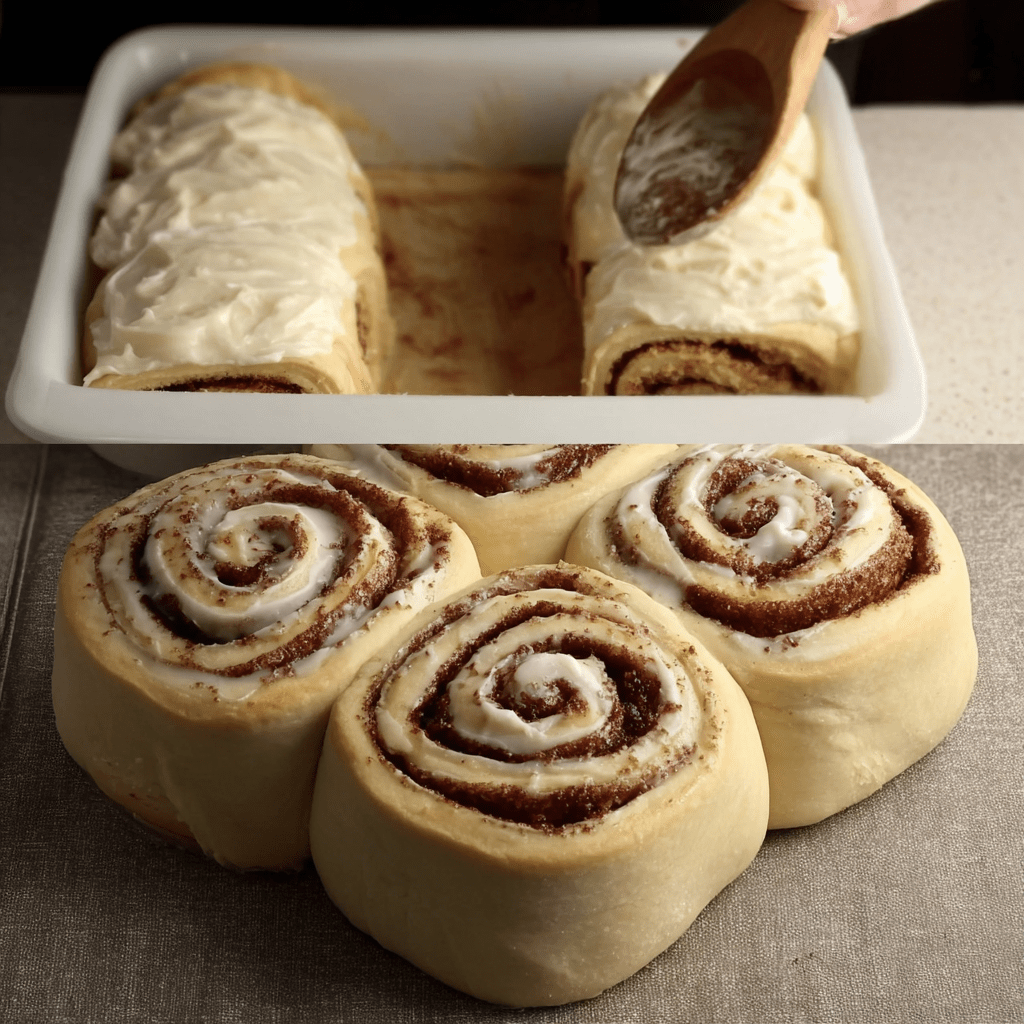
Cinnamon Rolls with Cream Cheese Frosting are the pinnacle of baked breakfast indulgence—a warm, pillowy, and impossibly tender spiral of enriched dough swirled with a generous ribbon of brown sugar and cinnamon, all crowned with a thick blanket of tangy, velvety cream cheese frosting. This recipe is a masterclass in classic baking, guiding you through the deeply satisfying process of creating soft, bakery-quality cinnamon rolls from scratch. The magic begins with activating the yeast in warm milk, a small but essential step that brings the dough to life. From there, a simple mixture of butter, egg, and flour is kneaded into a smooth, elastic dough that, given time to rise, transforms into a light and airy canvas for the fragrant filling. The roll-up and slice method creates those iconic, beautiful spirals that puff and expand in the oven, filling your kitchen with the intoxicating aroma of warm cinnamon and butter.

The true crowning glory of these rolls is the cream cheese frosting—a luscious, dreamy blend of softened cream cheese and butter, sweetened with powdered sugar and brightened with a touch of vanilla. Slathered generously over the warm rolls fresh from the oven, it melts slightly into the crevices, creating pockets of gooey, creamy perfection in every bite. This is not just a recipe; it’s an experience—a weekend morning project that rewards patience with the most spectacular, shareable treat. Whether for a holiday brunch, a special birthday breakfast, or a cozy Sunday morning at home, these cinnamon rolls deliver pure, unadulterated comfort and joy in every single spiral.

Why You’ll Love This Recipe:

  • Soft, Pillowy, Bakery-Quality Texture: The enriched dough rises to perfection, creating rolls that are incredibly tender and light.
  • Perfectly Spiced Cinnamon Swirl: The generous brown sugar and cinnamon filling creates a gooey, fragrant ribbon throughout.
  • Tangy, Creamy Cream Cheese Frosting: The ultimate topping—rich, smooth, and perfectly balanced with the sweet rolls.
  • Deeply Satisfying from Scratch Experience: The process of kneading, rising, and baking is therapeutic and rewarding.
  • Make-Ahead Friendly: Can be prepared the night before for a stress-free morning bake.

Ingredients:

For the Dough:
3 ¾ cups (470g) all-purpose flour, plus more for dusting
¼ cup (50g) granulated sugar
2 ¼ teaspoons (1 packet) active dry yeast
¾ cup (180ml) whole milk, warmed to 110°F (43°C)
¼ cup (60g) unsalted butter, melted and slightly cooled
1 large egg, at room temperature
½ teaspoon salt

For the Cinnamon Filling:
⅔ cup (135g) packed light brown sugar
2 tablespoons ground cinnamon
¼ cup (60g) unsalted butter, very soft

For the Cream Cheese Frosting:
4 oz (113g) full-fat cream cheese, softened
¼ cup (60g) unsalted butter, softened
1 cup (120g) powdered sugar, sifted
½ teaspoon pure vanilla extract
1–2 tablespoons milk, as needed

Instructions:

Step 1: Activate the Yeast
In a small bowl or the bowl of a stand mixer, stir together the warm milk, 1 tablespoon of the granulated sugar (taken from the ¼ cup), and the yeast. Let it sit undisturbed for 5-10 minutes until foamy and bubbly. This confirms your yeast is active.

Step 2: Make the Dough
To the yeast mixture, add the remaining sugar, melted butter, egg, salt, and 2 cups of the flour. Mix on low speed until combined. Gradually add the remaining flour, ½ cup at a time, until a soft dough forms. Knead with a dough hook for 8-10 minutes (or by hand on a floured surface) until the dough is smooth, elastic, and slightly tacky.

Step 3: First Rise
Place the dough in a lightly greased bowl, turning once to coat. Cover with a clean kitchen towel or plastic wrap and let rise in a warm, draft-free place for 1 to 1 ½ hours, or until doubled in size.

Step 4: Prepare the Filling
In a small bowl, mix the brown sugar and cinnamon together until well combined. Set aside. Ensure the ¼ cup of butter for the filling is very soft for easy spreading.

Step 5: Roll and Fill
Punch down the risen dough. On a lightly floured surface, roll it out into a 14×9-inch rectangle. Spread the softened butter evenly over the entire surface. Sprinkle the cinnamon sugar mixture evenly over the butter, leaving a small border at one long edge for sealing.

Step 6: Shape and Slice
Starting from the long edge opposite the bare border, tightly roll the dough into a log. Pinch the seam to seal. Using a sharp knife or unflavored dental floss, slice the log into 10-12 equal rolls (about 1 ½ inches thick).

Step 7: Second Rise
Arrange the rolls in a generously greased 9×13-inch baking dish or a 10-inch round pan, cut side up, leaving a little space between each. Cover loosely and let rise for 30-45 minutes, until puffy and touching each other.

Step 8: Bake
Preheat oven to 350°F (175°C). Bake the rolls for 20-25 minutes, until golden brown on top and cooked through. If the tops are browning too quickly, tent loosely with foil during the last 5-10 minutes.

Step 9: Make the Frosting
While the rolls bake, make the frosting. In a medium bowl, beat the softened cream cheese and butter together until smooth and creamy. Beat in the powdered sugar and vanilla until well combined. Add milk, 1 tablespoon at a time, until you reach a thick but pourable consistency.

Step 10: Frost and Serve
Remove the rolls from the oven and let them cool in the pan for 5-10 minutes. Spread the cream cheese frosting generously over the warm rolls. The frosting will melt slightly and seep into all the crevices. Serve warm.

Tips:

  • Milk Temperature is Crucial: Milk that is too hot will kill the yeast; too cool won’t activate it. Use a thermometer for accuracy.
  • Don’t Skip the Second Rise: This final puff is essential for light, airy rolls.
  • Soft Butter for Filling: Butter that is too cold will tear the dough when spreading.
  • Clean Slices with Floss: For perfect, un-squashed rolls, slide a piece of unflavored dental floss under the log, cross the ends over the top, and pull tight.
  • Frost While Warm: Frosting the rolls while they’re still warm allows the frosting to become deliciously gooey and soak into the rolls.

Storage Options:

  • Room Temperature: Store frosted rolls in an airtight container at room temperature for up to 2 days.
  • Refrigerator: For longer storage, keep in the refrigerator for up to 5 days. Bring to room temperature or warm slightly before serving.
  • Freezing: Freeze unfrosted, baked rolls in an airtight container for up to 2 months. Thaw and reheat, then frost before serving.
  • Make-Ahead: Prepare the rolls through Step 6, cover tightly, and refrigerate overnight. In the morning, let them sit at room temperature for 30-60 minutes while the oven preheats, then bake as directed.

Cinnamon Rolls with Cream Cheese Frosting are the ultimate expression of homemade comfort and love. They are a labor of patience that rewards you with the most gloriously soft, sweet, and unforgettable treat—a true classic that will fill your home with warmth and your heart with joy.

Slow Cooker Savory Bread Pudding with Sausage and Cheese

0

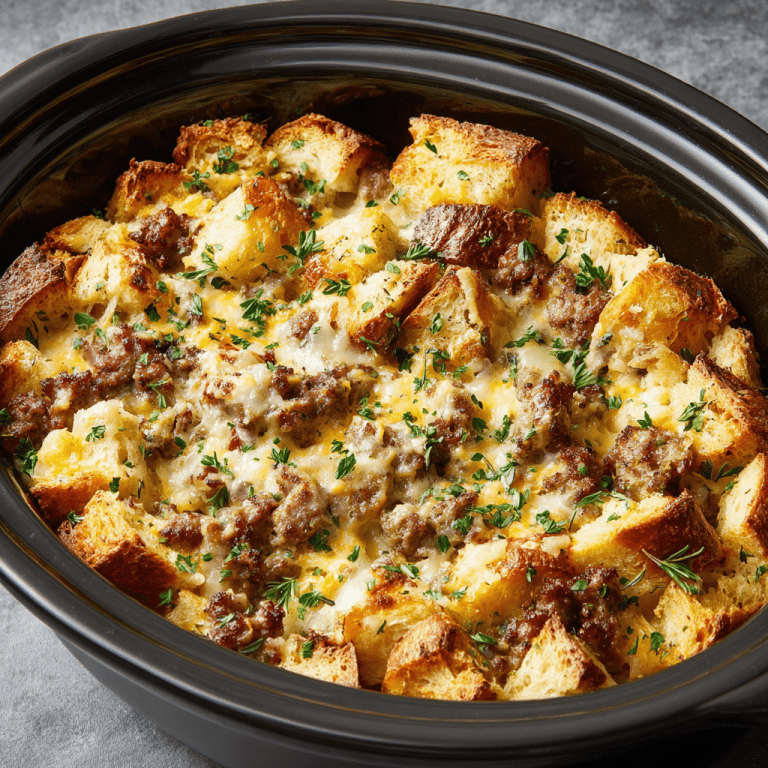
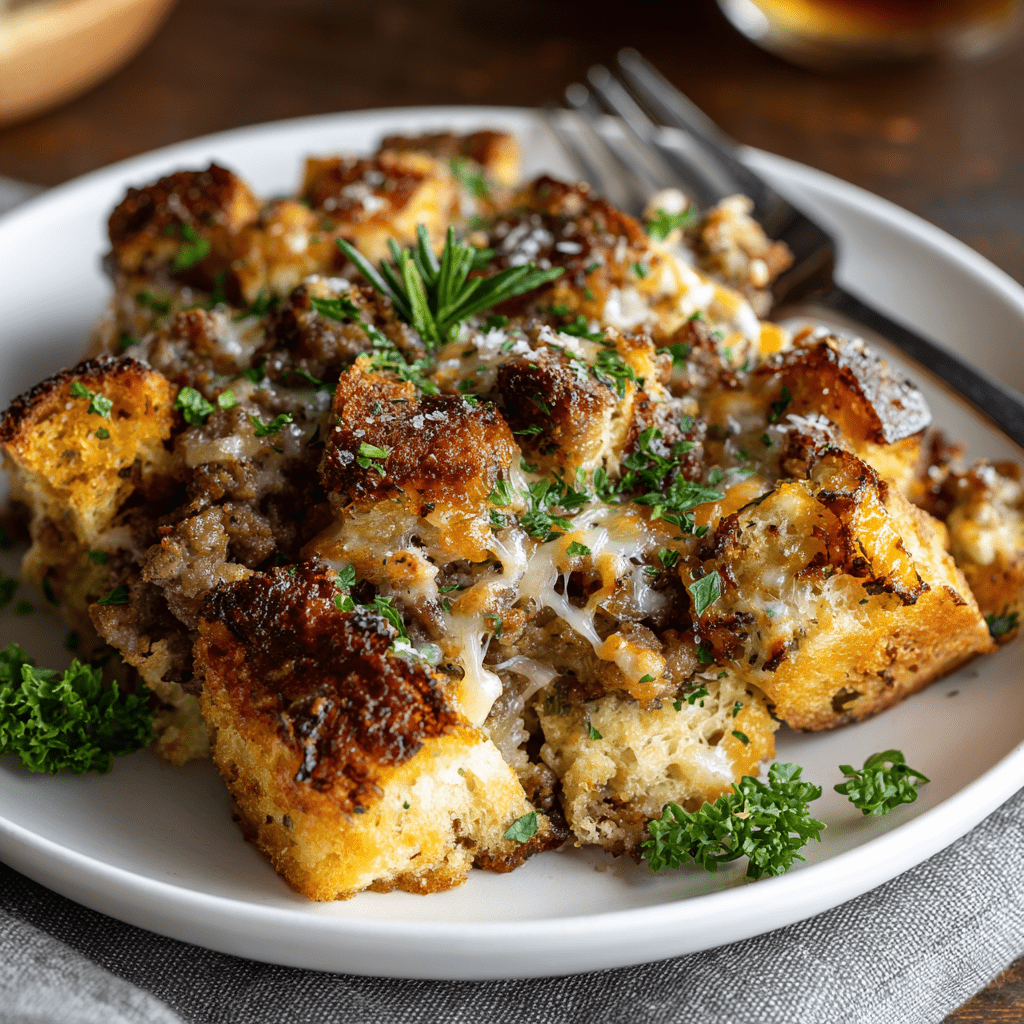
Slow Cooker Savory Bread Pudding with Sausage and Cheese is the ultimate breakfast-for-dinner indulgence, a magnificent, custardy casserole that transforms humble day-old bread into a golden, puffed, and impossibly tender savory masterpiece. This recipe is a brilliant adaptation of the classic strata, leveraging the gentle, consistent heat of the slow cooker to create a dish that emerges perfectly set, gloriously cheesy, and deeply satisfying—all without ever heating up your kitchen. The magic begins with stale bread cubes, which act as a sponge, absorbing a luxuriously rich custard of eggs, whole milk, and heavy cream, seasoned with fragrant thyme and rosemary. As it cooks low and slow, the bread softens into a pillowy, soufflé-like interior while the edges against the pot turn beautifully crisp and golden. Interwoven throughout are savory crumbles of browned sausage and generous pockets of melted cheese, creating a harmonious bite of salty, savory, creamy, and herbal notes in every spoonful.

The brilliance of this dish lies in its effortless, hands-off method and its incredible versatility for any meal of the day. It is the perfect solution for a holiday brunch, a cozy weekend breakfast, or an easy weeknight dinner that feels special with minimal effort. The slow cooker does all the work, allowing the flavors to meld and the custard to set to perfection without the risk of over-baking or drying out. The final sprinkle of fresh parsley adds a necessary pop of color and freshness that cuts through the richness. Served straight from the crock, this savory bread pudding is a guaranteed crowd-pleaser, offering the warm, nostalgic comfort of a breakfast casserole with the ease of set-it-and-forget-it convenience.

Why You’ll Love This Recipe:

  • Completely Hands-Off: No oven monitoring, no water baths—just layer, pour, and let the slow cooker work its magic.
  • Incredibly Rich & Creamy Texture: The combination of eggs, milk, and heavy cream creates a luxuriously soft, custardy interior.
  • Bold, Savory Flavor: Savory sausage, fresh herbs, and melted cheese infuse every bite with satisfying depth.
  • Perfect for Any Meal: Equally at home on a holiday brunch table or as a comforting breakfast-for-dinner meal.
  • Make-Ahead & Overnight Friendly: Assemble the night before and start the slow cooker in the morning for a stress-free feast.

Ingredients:

For the Bread Pudding Base:
8 cups (about 1 lb) day-old bread, cut into 1-inch cubes (French bread, sourdough, or challah work best)
1 pound bulk breakfast sausage (mild, hot, or maple)
2 cups (8 oz) shredded sharp cheddar cheese (or a mix of cheddar, Monterey Jack, or Gruyère)
Butter or non-stick spray, for greasing

For the Savory Custard:
6 large eggs
2 cups whole milk
1 cup heavy cream
1 teaspoon kosher salt
½ teaspoon freshly ground black pepper
1 teaspoon dried thyme
1 teaspoon dried rosemary, crushed slightly

For Garnish:
¼ cup fresh parsley, chopped

Instructions:

Step 1: Grease the Slow Cooker
Generously grease the insert of a 6-quart slow cooker with butter or non-stick cooking spray.

Step 2: Prepare the Bread and Sausage
Place the cubed bread into the prepared slow cooker, spreading it into an even layer. In a large skillet over medium heat, cook the sausage, breaking it up with a spoon, until browned and cooked through. Drain excess fat. Sprinkle the cooked sausage and shredded cheese evenly over the bread cubes.

Step 3: Make the Custard
In a large mixing bowl, whisk together the eggs, milk, heavy cream, salt, pepper, thyme, and rosemary until completely smooth and well combined.

Step 4: Assemble and Soak
Pour the egg mixture evenly over the bread, sausage, and cheese in the slow cooker. Using a spatula, gently press down on the bread to help it absorb the custard. Cover and let it rest for 20-30 minutes at room temperature, or refrigerate overnight.

Step 5: Cook Low and Slow
Cover the slow cooker with the lid. Cook on the LOW setting for 4-5 hours. The bread pudding is done when the center is set (not jiggly) and the edges are golden brown and slightly crisp. A knife inserted near the center should come out clean.

Step 6: Rest and Garnish
Turn off the slow cooker and let the bread pudding rest, uncovered, for 10-15 minutes to set further. This makes it easier to serve. Sprinkle with fresh parsley before serving.

Tips:

  • Use Stale Bread: Day-old, slightly dried-out bread absorbs the custard perfectly without turning to mush. Fresh bread can become overly soggy.
  • Don’t Skip the Resting Period: Allowing the bread to soak in the custard before cooking is essential for a cohesive, tender texture.
  • Drain the Sausage Well: Removing excess fat prevents a greasy final dish.
  • Cheese Variety: Experiment with different cheeses—smoked Gouda, provolone, or fontina add wonderful flavor.
  • Add Vegetables: Sautéed mushrooms, spinach, or roasted red peppers can be layered in with the sausage for extra color and nutrition.

Storage Options:

  • Refrigerator: Store leftovers in an airtight container in the refrigerator for up to 4 days.
  • Reheating: Reheat individual portions in the microwave, or for larger amounts, reheat in a covered baking dish at 325°F (165°C) for 15-20 minutes.
  • Freezing: This bread pudding freezes well. Cool completely, portion into individual servings, wrap tightly, and freeze for up to 2 months. Thaw overnight in the refrigerator before reheating.
  • Make-Ahead: Assemble the entire dish (through Step 4) the night before, cover, and refrigerate. In the morning, place the cold insert into the slow cooker base and cook as directed, adding 30-60 minutes to the cooking time.

Slow Cooker Savory Bread Pudding with Sausage and Cheese is the ultimate testament to the magic of slow cooking. It transforms simple, humble ingredients into a spectacular, golden-crusted casserole that is creamy, savory, and utterly irresistible. It’s comfort food at its most effortless and most delicious.

Do You Keep Ketchup in the Fridge or in the Pantry? I’m Trying to Finally Settle This Debate.

0

The debate over whether ketchup should be stored in the fridge or the pantry is one that has divided households for years. Some argue that refrigeration is necessary to maintain freshness and prevent spoilage, while others insist that ketchup can safely be stored at room temperature without any adverse effects. This article aims to explore both sides of the argument, examining the science behind ketchup’s ingredients, expert opinions, and consumer habits to finally settle this culinary conundrum.

Understanding Ketchup Ingredients and Preservation

Ketchup is primarily made from tomatoes, vinegar, sugar, and various spices. The acidity from the tomatoes and vinegar acts as a natural preservative, which is why some people believe it can be stored safely in the pantry. However, the sugar content can also be a breeding ground for bacteria if not stored properly. Understanding these ingredients is key to determining the best storage method for ketchup.

The Case for Storing Ketchup in the Fridge

Proponents of refrigerating ketchup argue that keeping it cold extends its shelf life and maintains its quality. The cooler temperature slows down the growth of bacteria and mold, ensuring that the ketchup remains safe to consume for a longer period. Additionally, refrigeration can help preserve the flavor and consistency of the ketchup, preventing it from becoming too runny or losing its tangy taste.

The Argument for Keeping Ketchup in the Pantry

On the other hand, those who prefer to store ketchup in the pantry highlight its high acidity and sugar content as natural preservatives that make refrigeration unnecessary. They argue that ketchup was traditionally kept at room temperature before the widespread use of refrigerators and that it can safely remain in the pantry for several weeks after opening without any risk of spoilage.

Expert Opinions on Ketchup Storage

Experts in food safety and preservation have weighed in on the debate, with many recommending refrigeration as the safest option. The USDA advises refrigerating ketchup after opening to ensure maximum freshness and safety. However, some culinary experts argue that the decision ultimately depends on personal preference and how quickly the ketchup is consumed.

Consumer Preferences and Habits

Consumer habits vary widely when it comes to ketchup storage. Surveys indicate that a significant portion of the population prefers to keep ketchup in the fridge, citing concerns about spoilage and taste. However, there is also a substantial number of people who store it in the pantry, often due to convenience or tradition. These preferences are often influenced by cultural practices and individual taste preferences.

Impact of Storage on Ketchup Taste and Quality

Storage conditions can affect the taste and quality of ketchup. Refrigeration tends to preserve the original flavor and texture, while room temperature storage might lead to slight changes in taste and consistency over time. Some people prefer the thicker texture of refrigerated ketchup, while others enjoy the slightly runnier consistency of pantry-stored ketchup.

Health and Safety Considerations

From a health and safety perspective, refrigerating ketchup is generally considered the safer option. The cooler environment inhibits bacterial growth, reducing the risk of foodborne illnesses. However, if ketchup is consumed relatively quickly after opening, the risk of spoilage is minimal even when stored in the pantry.

Conclusion: Settling the Ketchup Storage Debate

In conclusion, whether ketchup should be stored in the fridge or the pantry depends on several factors, including personal preference, consumption rate, and safety concerns. While refrigeration is recommended for those who prioritize safety and longevity, storing ketchup in the pantry is also acceptable if it is used within a reasonable timeframe. Ultimately, the decision comes down to individual taste and lifestyle, allowing each household to choose the method that best suits their needs.

I Soaked My Fish in Milk for 30 Minutes—Here’s What Actually Happened

0

You know that moment—you open a pack of fresh fish, and before you even start cooking, there it is. That sharp, slightly off smell that makes you pause for a second.

It’s not spoiled. Not really. But it’s… noticeable.

And if you’ve ever stood there wondering whether you should keep going or quietly switch dinner plans, you’re not alone. A lot of home cooks run into this, especially when working with perfectly good fish that just smells stronger than expected.

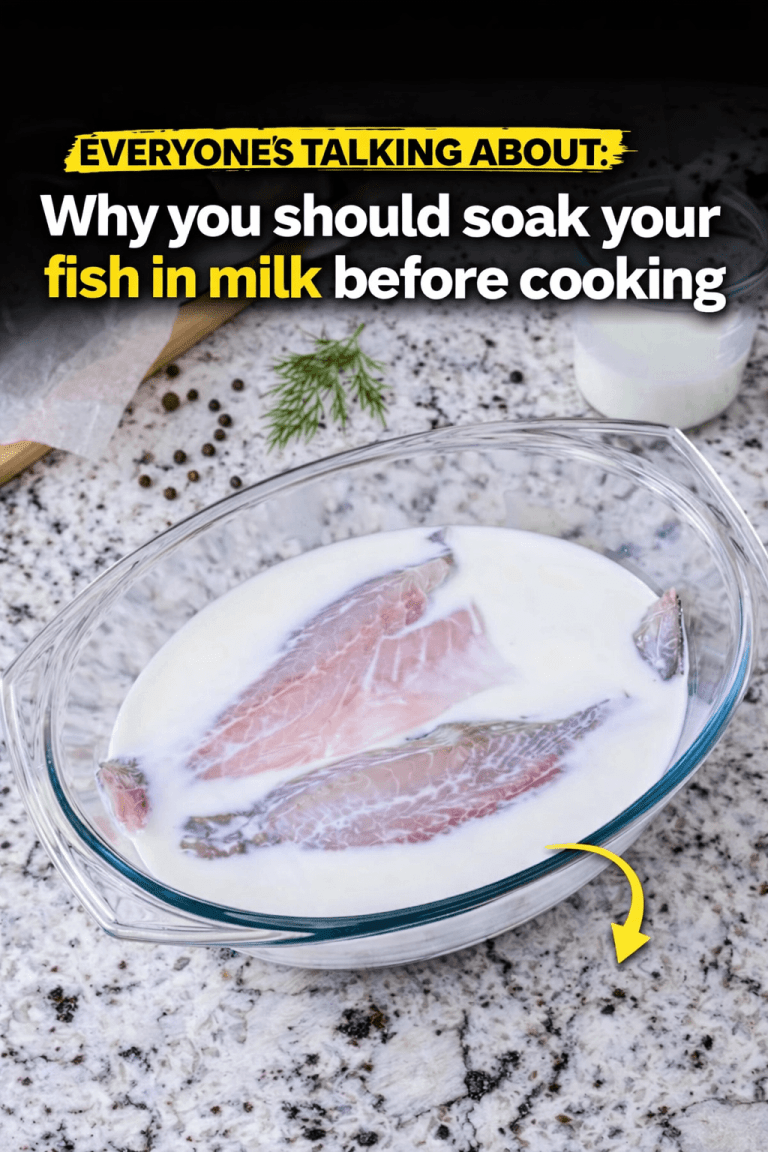
That’s exactly how I ended up trying something I’d heard about for years but never actually tested: soaking fish in whole milk.

Sounds simple. Almost too simple, right?

Well—here’s the thing.

Why This Even Matters (More Than You’d Think)

Cooking fish at home is one of those skills that feels impressive but can also feel a little intimidating. Not because it’s hard—it’s not—but because small details make a big difference.

Smell is one of those details.

It affects everything:

  • How confident you feel cooking it
  • How your kitchen smells afterward
  • Even how the final dish tastes in your mind

And honestly? If something smells “off” before cooking, it can throw off your whole experience—even if the fish turns out fine.

So finding a simple fix that doesn’t involve fancy ingredients or complicated prep… that’s worth paying attention to.

So… What’s Actually Going On With That Smell?

Let me explain—without turning this into a science lecture.

That “fishy” smell mostly comes from compounds that develop as fish ages, even slightly. It’s normal. Fresh fish can still have it, especially certain types like cod or tilapia.

Now here’s where milk comes in.

Milk contains proteins (mainly casein) and fat. These components interact with those odor-causing compounds and help pull them away from the surface of the fish.

In simpler terms? The milk kind of “grabs onto” the smell and takes it with it.

It’s not magic—but it does feel a little like it.

Wait… Does This Trick Actually Work?

I had the same question.

Honestly, I expected a subtle difference at best. Maybe psychological.

But after trying it side by side—one batch soaked in milk, one not—the difference was noticeable. Not dramatic, not life-changing, but definitely there.

The milk-soaked fish:

  • Smelled cleaner before cooking
  • Had a milder aroma while cooking
  • Tasted slightly fresher

And here’s the important part—it didn’t taste like milk. Not even a hint.

That was my biggest concern going in, and it turned out to be a non-issue.

How to Do It (It’s Almost Too Easy)

This is one of those kitchen tricks where the instructions feel almost unnecessary—but let’s keep it clear.

What you need:

  • Fresh fish fillets
  • Whole milk (enough to submerge the fish)

Steps:

  1. Place the fish in a shallow dish or bowl
  2. Pour enough milk over it to fully cover the fillets
  3. Let it sit for about 15–20 minutes
  4. Remove the fish and gently pat dry with paper towels
  5. Cook as usual

That’s it. No extra seasoning, no rinsing afterward—just a quick soak and you’re done.

A Few Things People Get Wrong (Because It Happens)

This method is simple, but there are still a couple of small missteps that can make it less effective.

  • Using low-fat milk: It still works—but whole milk does a better job. The fat helps.
  • Soaking too long: More isn’t better here. Stick to about 20 minutes. Longer doesn’t improve the result and can slightly affect texture.
  • Skipping the drying step: If the fish is too wet when it hits the pan, you won’t get that nice sear. Pat it dry—gently, but thoroughly.

Little Kitchen Wisdom (That You Only Learn Over Time)

Here’s something interesting—this trick doesn’t just help with smell. It can also slightly improve texture, especially for lean fish.

It won’t turn a tough fillet into something buttery, but it softens the edges, so to speak. Makes it feel more forgiving when cooking.

And if you’re someone who cooks fish for family members who are a bit sensitive to strong flavors (kids, especially), this can make a noticeable difference in how well the dish is received.

Funny how small tweaks like this quietly change everything.

Can You Use Something Else Instead?

People sometimes ask if they can swap milk for something like lemon water or vinegar.

Short answer—yes, but it’s not the same.

Acidic options like lemon juice will mask or balance the smell, not remove it in the same way milk does. They also start to “cook” the fish slightly (like ceviche), which changes texture if left too long.

Milk is gentler. More neutral.

If you want clean flavor without altering the fish itself, milk is the better choice.

When You Might Not Need This Trick

Here’s a small contradiction—but an honest one.

If your fish is extremely fresh, you probably don’t need this at all.

Good-quality, just-caught fish should smell mild—almost like the ocean, not “fishy.” In those cases, soaking might not make a noticeable difference.

But for everyday grocery store fish? This trick earns its place.

The Takeaway (Simple, But Worth Remembering)

Cooking isn’t always about big techniques or complicated recipes. Sometimes it’s these small, almost old-fashioned habits that make the biggest difference.

Soaking fish in milk is one of those quiet upgrades:

  • Easy
  • Inexpensive
  • Surprisingly effective

And once you try it, it kind of sticks with you. You start doing it without thinking—just part of the routine.

Honestly, it’s the kind of thing someone might’ve told you years ago, and you brushed it off. Then one day you try it… and think, “Oh. That actually works.”

And that’s the best kind of kitchen trick, isn’t it?

No-Bake Key Lime Cheesecake

0

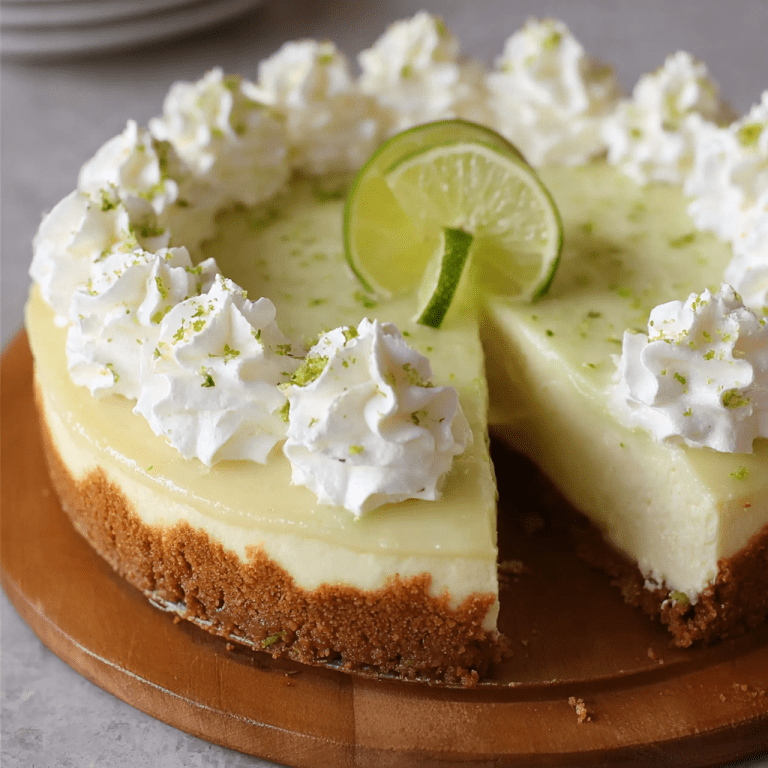
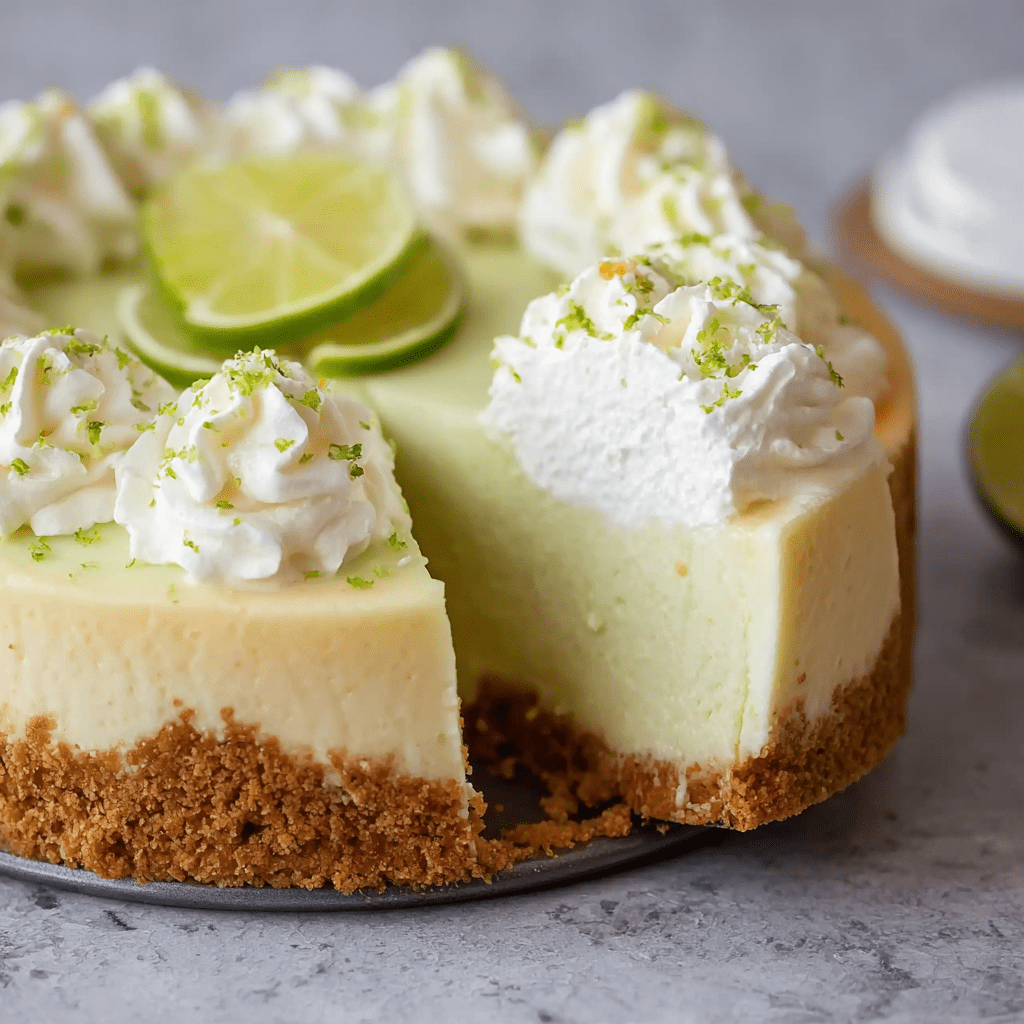
The No-Bake Key Lime Cheesecake is a sublime and sun-kissed triumph of effortless elegance, a dessert that captures the vibrant, tropical essence of key lime pie and marries it with the rich, creamy luxury of a classic cheesecake—all without ever turning on your oven. This recipe is a masterclass in balancing bold, bracing citrus with luxurious sweetness, beginning with a buttery graham cracker crust that provides the perfect sturdy, crumbly foundation. The true magic unfolds in the filling, where room-temperature cream cheese is whipped into a silky-smooth canvas before being infused with the intense, aromatic tang of fresh key lime juice and zest. The inclusion of cold, stiffly whipped heavy cream is the transformative secret; folded in gently, it lightens the filling into an ethereally smooth, mousse-like consistency that sets firm yet melts dreamily on the tongue.

The brilliance of this cheesecake lies in its flawless no-bake technique and the pure, bright flavor it delivers. It eliminates the common pitfalls of cracking and water baths, relying instead on the science of chilling to achieve a perfect, sliceable texture. The patient refrigeration—a non-negotiable 5 to 6 hours—is where the alchemy happens, allowing the flavors to meld and the structure to solidify into creamy perfection. Topped with a simple dollop of sweetened whipped cream, each slice is a stunning contrast of creamy white and pale green, offering a taste experience that is simultaneously refreshing and decadently rich. It’s the ultimate make-ahead dessert for warm days, special occasions, or any moment that calls for a burst of citrusy joy without the heat of the oven.

Why You’ll Love This Recipe:

  • Bright, Vibrant Citrus Flavor: The perfect balance of tart key lime and sweet, creamy cheesecake that is incredibly refreshing.
  • No Oven Required: A cool, foolproof dessert perfect for summer or any time you want to avoid baking.
  • Light & Creamy Mousse-Like Texture: The whipped cream folded in creates an irresistibly smooth and airy filling.
  • Stunning Make-Ahead Dessert: Needs to chill for hours, making it the ideal stress-free finale for dinner parties and holidays.
  • Customizable Sweetness & Tartness: Easily adjust the sugar or lime zest to perfectly suit your taste preferences.

Ingredients:

For the Graham Cracker Crust:
2 ½ cups (about 300g) graham cracker crumbs (from about 18-20 full sheets)
½ cup (1 stick / 113g) unsalted butter, melted
2 tablespoons granulated sugar (optional, for a sweeter crust)

For the Key Lime Filling:
3 (8 oz / 226g) packages full-fat cream cheese, completely softened to room temperature
1 ½ cups (180g) powdered sugar, sifted
¼ cup (60ml) freshly squeezed key lime juice (or regular Persian lime juice)
1-2 tablespoons finely grated key lime zest (from about 4-6 key limes or 2 regular limes)
1 teaspoon pure vanilla extract
¾ cup (180ml) cold heavy whipping cream (36-40% fat), for whipping

For Garnish:
Sweetened whipped cream
Additional lime zest or thin lime slices

Instructions:

Step 1: Prepare the Crust
In a medium bowl, combine the graham cracker crumbs and melted butter (and optional sugar) until the mixture resembles wet sand. Press firmly and evenly into the bottom and about 1 inch up the sides of a 9-inch springform pan. Use the bottom of a glass or measuring cup to compact it well. Place in the refrigerator to chill while you make the filling.

Step 2: Make the Cream Cheese Base
In a large bowl using a hand mixer or stand mixer fitted with the paddle attachment, beat the softened cream cheese on medium speed until completely smooth, creamy, and free of any lumps, about 2-3 minutes. Scrape down the bowl.

Step 3: Flavor the Base
Add the sifted powdered sugar, key lime juice, lime zest, and vanilla extract to the cream cheese. Beat on medium-low speed until everything is fully incorporated and the mixture is smooth. Taste and adjust with more zest for intensity or a touch more sugar if desired.

Step 4: Whip the Cream and Fold
In a separate chilled bowl, using clean beaters or a whisk attachment, whip the cold heavy cream on medium-high speed until stiff peaks form. Using a large flexible spatula, gently fold about one-third of the whipped cream into the cream cheese mixture to lighten it. Then, carefully fold in the remaining whipped cream until no white streaks remain. Be gentle to maintain the airy volume.

Step 5: Assemble and Chill
Pour the filling into the prepared crust and smooth the top with an offset spatula. Cover the pan tightly with plastic wrap.
Refrigerate for a minimum of 6 hours, and ideally overnight (8-12 hours), to allow the cheesecake to set completely.

Step 6: Serve
Just before serving, carefully run a thin knife around the edge of the pan before releasing the springform collar. Garnish slices with sweetened whipped cream and a sprinkle of fresh lime zest. For clean slices, dip your knife in hot water and wipe it dry between each cut.

Tips:

  • Room Temperature Cream Cheese is Crucial: This is the #1 rule for a smooth, lump-free filling. Let it sit out for 2-3 hours.
  • Fresh Lime Juice & Zest: For the brightest, most authentic flavor, use freshly squeezed juice and zest. Avoid bottled juice.
  • Whip the Cream to Stiff Peaks: The whipped cream provides the structure for the no-bake filling. It should hold its shape firmly when the beaters are lifted.
  • Fold Gently: Overmixing after adding the whipped cream will deflate it, resulting in a denser cheesecake.
  • Patience with Chilling: Do not rush the chilling time. The cheesecake needs the full time to set properly for perfect, clean slices.

Storage Options:

  • Refrigerator: Store covered in the springform pan or in an airtight container in the refrigerator for up to 5 days.
  • Freezing: This cheesecake freezes very well. Wrap the whole cheesecake or individual slices tightly in plastic wrap and then in foil. Freeze for up to 2 months. Thaw overnight in the refrigerator before serving.
  • Make-Ahead: This is the ultimate make-ahead dessert. Prepare it 1-2 days before you need it for the best flavor and texture.

No-Bake Key Lime Cheesecake is a celebration of vibrant, effortless elegance. It delivers the perfect harmony of tart and sweet with a luxuriously creamy texture, proving that the most impressive desserts can also be the simplest to create.

Chicken Alfredo Calzone

0

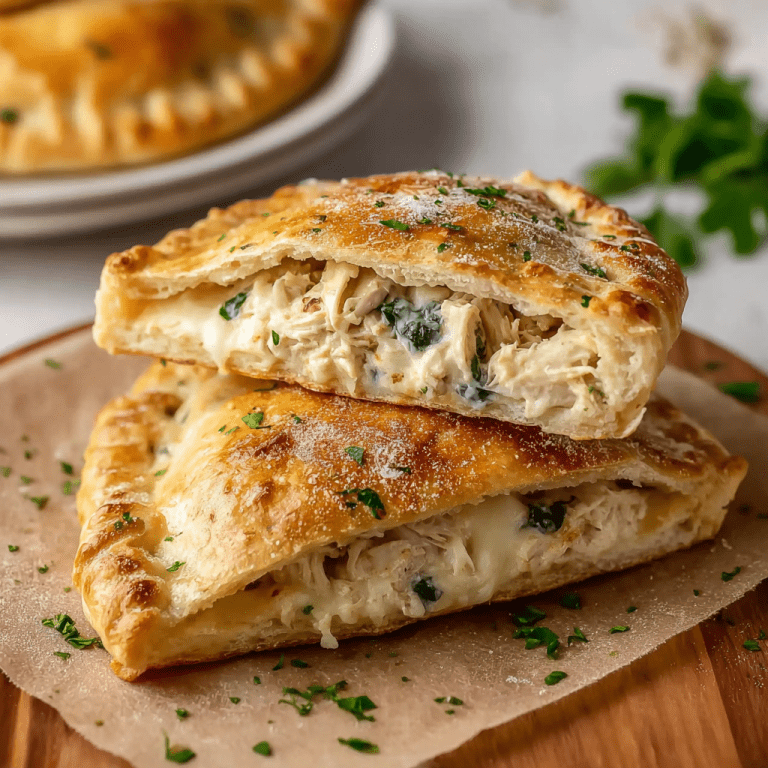
The Chicken Alfredo Calzone is a magnificent handheld feast, a brilliant Italian-American hybrid that ingeniously encases the creamy, luxurious flavors of a classic pasta dish within a golden, chewy, freshly baked pocket of pizza dough. This recipe masterfully transforms a simple ball of dough into a portable, self-contained meal, where each bite delivers the perfect ratio of tender, seasoned chicken, rich Alfredo sauce, and melty, stretchy cheeses. The genius lies in the folding technique: the generous mound of filling is carefully sealed inside its doughy envelope, which puffs and bakes into a sturdy yet tender crust that crisps beautifully under an egg wash. As it bakes, the steam trapped inside works its magic, melding the creamy Alfredo with the chicken and cheese into a cohesive, molten center that is decadent yet perfectly contained.

Beyond its deliciousness, the brilliance of this calzone is its ultimate convenience and customizability. It is a complete, satisfying meal that travels beautifully—ideal for lunches, picnics, or busy weeknights. The simple addition of garlic powder and Italian seasoning to the filling elevates it beyond mere assembly, ensuring every bite is deeply flavorful. The optional add-ins, like earthy spinach or savory sun-dried tomatoes, invite personalization, making it a versatile canvas for your favorite ingredients. Served warm with a side of extra Alfredo or marinara sauce for dipping, this calzone is the epitome of comfort food innovation: a fun, mess-free, and utterly delicious way to enjoy the soul-satisfying taste of Chicken Alfredo in a whole new, irresistibly edible package.

Why You’ll Love This Recipe:

  • Portable Alfredo Feast: All the creamy, cheesy goodness of Chicken Alfredo in a neat, handheld, no-fuss package.
  • Crispy, Golden-Brown Crust: The egg wash gives the dough a professional, shiny, and perfectly crisp exterior.
  • Endlessly Customizable: Easily add your favorite ingredients like spinach, mushrooms, bacon, or artichokes to the filling.
  • Perfect for Meal Prep & On-the-Go: Makes excellent leftovers that reheat beautifully for lunches or quick dinners.
  • Fun & Family-Friendly: A hit with kids and adults alike, making dinner interactive and enjoyable.

Ingredients:

For the Dough:
1 lb (450g) prepared pizza dough, at room temperature
1 tablespoon olive oil (for brushing dough)
All-purpose flour, for dusting

For the Chicken Alfredo Filling:
2 cups cooked chicken breast, shredded or diced
1 cup prepared Alfredo sauce (jarred or homemade)
1 cup shredded mozzarella cheese
½ cup grated Parmesan cheese
½ teaspoon garlic powder
½ teaspoon Italian seasoning
¼ teaspoon freshly ground black pepper
¼ teaspoon kosher salt (optional, taste sauce first)

For Assembly & Topping:
1 large egg, beaten with 1 teaspoon water (egg wash)
1 tablespoon grated Parmesan cheese (for sprinkling)
½ teaspoon dried parsley (for sprinkling)

Optional Add-Ins:
½ cup sautéed spinach, squeezed dry
½ cup sautéed mushrooms, chopped
¼ cup chopped sun-dried tomatoes, patted dry

Instructions:

Step 1: Preheat and Prepare
Preheat your oven to 400°F (200°C). Line a large baking sheet with parchment paper. Let the pizza dough sit at room temperature, covered, for 20-30 minutes to make it easier to shape.

Step 2: Make the Filling
In a large bowl, combine the shredded chicken, Alfredo sauce, mozzarella, Parmesan, garlic powder, Italian seasoning, and pepper. Mix until everything is evenly coated and creamy. If using any optional add-ins, fold them in now.

Step 3: Divide and Shape the Dough
On a lightly floured surface, divide the dough into 4 equal portions. Roll or gently stretch each portion into a circle about 7-8 inches in diameter and ¼-inch thick.

Step 4: Fill and Seal the Calzones
Spoon about ¾ cup of the chicken Alfredo filling onto one half of each dough circle, leaving a 1-inch border around the edge. Brush the edges lightly with water. Fold the empty half of the dough over the filling to create a half-moon shape. Press the edges firmly together to seal. To ensure a tight seal, crimp the edges by pressing down with the tines of a fork.

Step 5: Vent, Glaze, and Season
Place the sealed calzones on the prepared baking sheet. Use a sharp knife to cut 2-3 small slits (about 1-inch long) in the top of each calzone to allow steam to escape. Brush the tops and sides generously with the egg wash. Sprinkle with the extra Parmesan and dried parsley.

Step 6: Bake
Bake for 18-22 minutes, or until the calzones are puffed and a deep, golden brown all over.

Step 7: Rest and Serve
Let the calzones cool on the baking sheet for at least 5-10 minutes before serving. The filling will be extremely hot. Serve warm with extra Alfredo sauce or marinara sauce on the side for dipping.

Tips:

  • Seal Tightly: A good seal is crucial to prevent filling from leaking out during baking. The fork crimp is both decorative and functional.
  • Don’t Overfill: Overfilling makes sealing difficult and can cause the calzone to burst open.
  • Room Temperature Dough: Cold dough is difficult to stretch and more likely to tear. Let it warm up for easy handling.
  • Steam Vents are Essential: The small slits prevent the calzone from becoming a soggy, bloated pillow by letting steam escape.
  • Dry Your Add-Ins: If using spinach or other moist ingredients, squeeze out as much liquid as possible to avoid a wet filling.

Storage Options:

  • Refrigerator: Store cooled calzones in an airtight container in the refrigerator for up to 4 days.
  • Reheating: Reheat in an air fryer or toaster oven at 375°F (190°C) for 8-10 minutes until hot and crust is re-crisped. The microwave will soften the crust.
  • Freezing: Freeze unbaked, assembled calzones on a parchment-lined tray until solid. Then transfer to a freezer bag. Bake from frozen, adding 5-10 minutes to the bake time. You can also freeze baked calzones.
  • Meal Prep: Assemble calzones up to a day in advance. Cover and refrigerate until ready to bake. Brush with egg wash just before baking.

The Chicken Alfredo Calzone is a fun, delicious, and incredibly satisfying twist on two classic favorites. It’s a guaranteed way to turn a simple weeknight dinner into a special, handheld event that everyone will love.

Simple Sausage, Peppers, and Onions Meal

0

Simple Sausage, Peppers, and Onions is a triumphant ode to rustic Italian-American cooking, a one-pan wonder where humble ingredients are transformed through the alchemy of sautéing and simmering into a robust, deeply flavorful, and profoundly satisfying meal. This recipe is a masterclass in building layers of flavor, starting with the savory foundation of Italian sausages browned to render their flavorful fat, which then becomes the cooking medium for the vibrant trinity of bell peppers and onions. As these vegetables soften and sweeten in the rendered fat, their natural sugars caramelize, creating a sweet and savory base. The final simmer in a bath of crushed tomatoes allows the sausages to steam to juicy perfection while their spices and the aromatic garlic and Italian seasoning infuse the entire dish, marrying all the components into a cohesive, saucy, and comforting feast.

The brilliance of this dish lies in its elegant simplicity, versatility, and the minimal cleanup it requires. It is a complete meal that delivers protein, vegetables, and sauce in a single skillet, with flavors that improve as they meld, making it equally perfect for a quick weeknight dinner or a casual gathering. The method of browning the sausages first and finishing them in the sauce ensures they are cooked through without becoming dry, while the peppers and onions retain a pleasant texture, offering a sweet contrast to the savory, fennel-spiced sausage. Served alongside crusty bread for soaking up the sauce, over a bed of polenta, or tucked into a hero roll, this dish is a timeless, crowd-pleasing staple that proves the most memorable meals are often the simplest to prepare.

Why You’ll Love This Recipe:

  • One-Pan Wonder: A complete, protein-packed meal with minimal cleanup, cooked entirely in one skillet.
  • Bold, Rustic Flavors: The sweet peppers and onions, savory sausage, and garlicky tomato sauce create a deeply satisfying and aromatic dish.
  • Incredibly Versatile: Serve it over pasta, rice, or polenta, in a sandwich, or with a chunk of crusty bread.
  • Meal Prep & Leftover Hero: Tastes even better the next day and reheats beautifully for easy lunches or dinners.
  • Effortless & Foolproof: Simple techniques yield restaurant-quality results perfect for any night of the week.

Ingredients:

For the Sausage & Vegetables:
5 Italian sausages (sweet or hot, about 1.25 lbs)
2 tablespoons olive oil
1 large red bell pepper, seeded and sliced into strips
1 large orange or yellow bell pepper, seeded and sliced into strips
1 large yellow onion, sliced into half-moons
3-4 cloves garlic, minced
1 (28-ounce) can crushed tomatoes
2 teaspoons Italian seasoning
Kosher salt and freshly ground black pepper, to taste

For Serving (Optional):
Crusty bread, cooked pasta, polenta, or sub rolls
Fresh basil or parsley, chopped
Grated Parmesan cheese

Instructions:

Step 1: Brown the Sausages
In a large, heavy-bottomed skillet or Dutch oven, heat olive oil over medium-high heat. Add the sausages and brown well on all sides, about 5-7 minutes total. They do not need to be cooked through. Transfer to a plate.

Step 2: Sauté the Vegetables
Reduce heat to medium. Add the sliced onions and bell peppers to the fat in the skillet. Season with a pinch of salt and pepper. Cook, stirring occasionally, for 8-10 minutes until the vegetables have softened and begun to caramelize.

Step 3: Add Aromatics & Tomatoes
Add the minced garlic and Italian seasoning to the skillet. Cook, stirring constantly, for 1 minute until fragrant. Pour in the crushed tomatoes, stir to combine, and bring to a gentle simmer. Season the sauce with salt and pepper to taste.

Step 4: Simmer to Perfection
Nestle the browned sausages back into the skillet, submerging them partially in the sauce. Cover, reduce heat to low, and simmer for 20-25 minutes, or until the sausages are cooked through (internal temperature of 160°F) and the peppers and onions are very tender.

Step 5: Rest and Serve
Turn off the heat and let the dish sit, covered, for 5 minutes. This allows the flavors to settle and the sausages to reabsorb some juices. Serve hot with your chosen sides, garnished with fresh herbs and Parmesan if desired.

Tips:

  • Don’t Skip the Browning: A proper sear on the sausages adds crucial flavor and texture to the final dish.
  • Slice Evenly: Cut peppers and onions into uniform strips for even cooking.
  • Simmer Gently: A low, covered simmer ensures the sausages cook through without tightening up and allows the flavors to fully develop.
  • Adjust Consistency: For a thicker sauce, simmer uncovered for the last 5-10 minutes. For a looser, soupier dish, add a splash of water or red wine with the tomatoes.
  • Customize It: Add sliced mushrooms with the peppers, throw in a pinch of red pepper flakes for heat, or stir in a handful of chopped greens (like spinach or kale) at the end of cooking.

Storage Options:

  • Refrigerator: Store leftovers in an airtight container in the refrigerator for up to 4 days. The flavors improve overnight.
  • Reheating: Reheat gently in a covered saucepan over medium-low heat, stirring occasionally, until hot throughout. Can also be reheated in the microwave.
  • Freezing: This dish freezes exceptionally well for up to 3 months. Cool completely and store in a freezer-safe container. Thaw overnight in the refrigerator before reheating.
  • Make-Ahead: The entire dish can be cooked, cooled, and refrigerated 1-2 days in advance. Reheat gently before serving.

Simple Sausage, Peppers, and Onions is the quintessential hearty, no-fuss meal. It delivers immense flavor with straightforward technique, offering the warmth and satisfaction of a slow-cooked Sunday gravy any day of the week. It’s a recipe you’ll return to again and again.

Can You Reuse Cooking Oil Without Messing It Up? (Here’s the Honest Answer)

0

There’s usually that one moment after frying something—maybe fries, maybe chicken—where you look at the pot and think…

That’s a lot of oil.

And then the question comes up:

Do I throw this out… or can I use it again?

If you’ve ever had that debate (sometimes with yourself, sometimes with someone else in the house), you already know—people feel strongly about this.

Some swear reused oil makes food taste better. Others won’t touch it twice.

So what’s actually going on here?

Let’s talk it through in a way that makes sense—not just the science, but what it looks like in a real kitchen.

First Things First—Yes, People Reuse Oil All the Time

This isn’t some weird shortcut.

Reusing oil has been around forever. Long before cooking oil came in neatly labeled bottles, people used what they had—and they used it more than once.

And honestly, even now, it makes sense.

Oil isn’t cheap. Especially if you’re deep frying. Tossing it after one use feels… wasteful. A little painful, even.

So saving it? Totally normal.

The real question is whether it stays safe—and whether it still tastes good.

Not All Oils Behave the Same (This Part Actually Matters)

Here’s something people don’t always think about:

Some oils handle heat like champs. Others fall apart pretty quickly.

If you’ve ever noticed oil smoking early or smelling “off” the second time around, that’s not random.

It comes down to something called the smoke point—basically the temperature where oil starts to break down.

Oils like:

  • peanut oil
  • canola oil

…they hold up well. They’re stable. You can reuse them a few times if you treat them right.

But oils like olive oil or butter? They don’t love high heat to begin with. Reusing them just speeds up that breakdown.

So right away, the answer isn’t just “yes or no.” It’s more like—depends what you started with.

What Actually Happens to Oil When You Heat It (In Plain English)

Okay, quick reality check.

When oil gets hot, it doesn’t just sit there quietly.

It changes.

It reacts with air, with heat, with tiny bits of food floating around in it. Over time, those changes stack up.

You might notice it in small ways:

  • the color gets darker
  • the texture feels thicker
  • the smell shifts (kind of stale, kind of sharp)

That’s not your imagination—that’s the oil breaking down.

There are two main things happening behind the scenes:

  • it’s reacting with oxygen (which isn’t great long-term)
  • and the molecules start linking together, making the oil heavier and less clean

You don’t need to remember the chemistry—but you can trust your senses here. If it looks or smells off, it probably is.

The Health Side—This Is Where People Get Nervous

And for good reason.

As oil breaks down, it can form compounds you don’t really want in your food—things like trans fats and other byproducts that aren’t great if you’re consuming them regularly.

Also, if you leave bits of food sitting in the oil (like crumbs or batter), those can burn over time and make everything worse—flavor-wise and safety-wise.

So it’s not that reused oil is automatically dangerous.

It’s that badly handled oil can become a problem pretty quickly.

But Here’s the Twist—Reused Oil Can Taste Better (Sometimes)

This is the part that keeps the debate alive.

Because… it’s kind of true.

Oil picks up flavor from whatever you cook in it.

So if you fry something like chicken or turkey, the oil can carry a bit of that savory depth into the next batch—fries, for example.

That’s why some people swear their second fry is better than the first.

But—and this matters—that window is short.

There’s a sweet spot where the oil has a little extra flavor.

After that? It starts going downhill. Fast.

That same oil can suddenly make food taste:

  • heavy
  • slightly burnt
  • just… off

So yeah, it can improve flavor—but only for a while.

How to Reuse Oil Without Ruining It

If you’re going to reuse oil, this is where you want to be a little careful.

Not complicated—just intentional.

Here’s what actually helps:

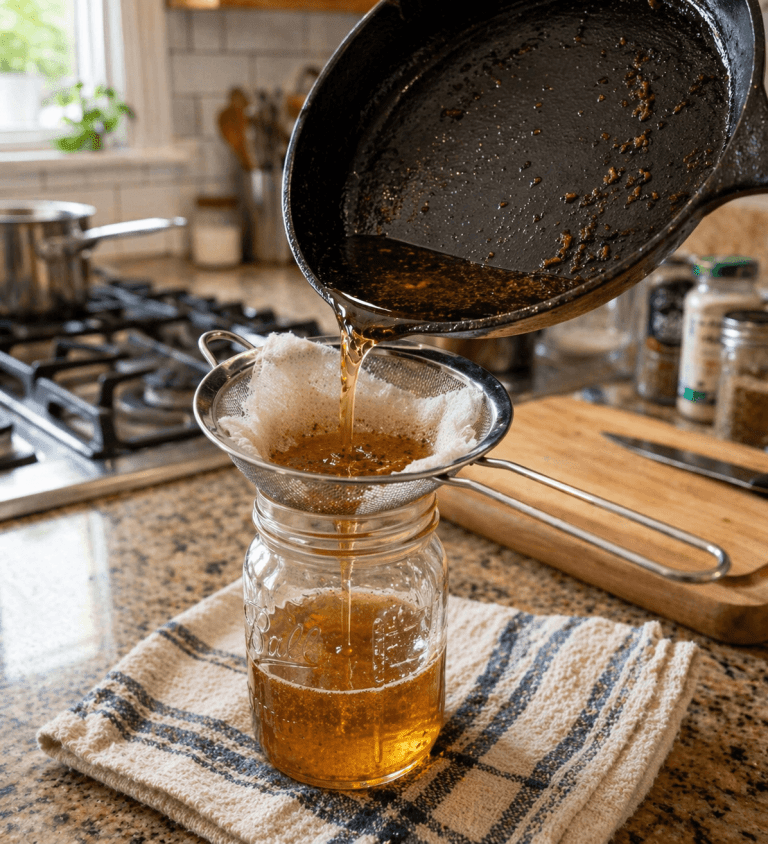
  • Let the oil cool down (not completely, just enough to handle safely)
  • Strain it—this is big—get rid of any food bits
  • Store it in a clean container with a lid
  • Keep it somewhere cool and away from light

That’s it.

Some people even label it—what it was used for, when. It sounds extra, but it actually helps you keep track of when it’s time to let it go.

Temperature Is Quietly Doing a Lot of Work Here

This part gets overlooked.

If your oil gets too hot, too often, it breaks down faster. Way faster.

So even if you plan to reuse it, overheating it once can shorten its life a lot.

If you’ve ever seen oil start smoking aggressively—that’s basically the oil saying, “I’m done.”

Keeping the temperature steady (not cranked all the way up) makes a huge difference.

Those Internet Hacks… Yeah, Some Work, Some Don’t

You’ve probably seen a few of these:

  • adding fresh oil to “refresh” old oil
  • dropping a slice of potato in to absorb bad flavors

Some of them kind of help. Adding fresh oil, for example, can dilute the old stuff a bit.

But none of these fix oil that’s already gone bad.

Once it smells wrong or looks murky, there’s no saving it. No trick is going to reverse that.

What Experts Tend to Say (Without Making It Complicated)

Food safety experts usually land somewhere in the middle.

They don’t say “never reuse oil.”

They just say—be reasonable about it.

A few uses? Fine, if it’s clean and stored properly.

Over and over again? That’s where the risks start stacking up.

It’s less about strict rules and more about paying attention.

One Thing People Forget—The Environmental Side

Throwing oil away every time isn’t exactly great either.

Reusing it a couple of times can actually reduce waste, especially if you cook a lot.

But—and this is important—once you’re done with it, don’t pour it down the sink.

That causes a whole different kind of problem (and not just in your kitchen).

A lot of places have recycling programs for used oil, which is honestly a better way to deal with it.

So… Should You Reuse Cooking Oil?

Here’s the honest answer:

You can—if you do it carefully.

If the oil:

  • still smells clean
  • looks relatively clear
  • hasn’t been overheated

…it’s probably fine for another round or two.

But if you’re hesitating—if something feels off about it—you’re better off tossing it.

The Simple Rule That Actually Works

If you’re not sure what to do, just remember this:

Good oil feels clean. Bad oil doesn’t.

That sounds basic, but it’s surprisingly reliable.

You don’t need to overthink it.

Use it once, maybe a couple of times if it still looks and smells right—and then move on.

And honestly? Once you’ve had food fried in oil that’s just a little too old… you’ll recognize it instantly next time.