
Chasing the Perfect Fried Fish (Without That Fishy Punch)

0

You know what? Fried fish has a funny reputation. Some folks light up at the thought of a golden fillet with a squeeze of lemon. Others wrinkle their noses before the pan even heats up. And usually, it comes down to one thing: that strong fishy taste people swear they can’t stand.

I’ve cooked for plenty of picky eaters over the years — neighbors’ kids, skeptical spouses, even my own sister who once declared she’d “rather eat cereal for dinner than fish.” Funny thing is, the right fish, cooked well, changes minds fast. Frying seals in moisture, gives you that irresistible crunch, and softens any sharp seafood notes. Suddenly, fish feels friendly again.

So let’s talk about choosing fish that stays mild, clean-tasting, and crowd-pleasing. Whether you’re just getting comfortable around a skillet or you’ve been cooking long enough to remember when recipe cards lived in a shoebox, this guide will steer you toward better bites and fewer side-eye glances at the table.

Here’s the thing — fish doesn’t have to taste fishy. Promise.

Why Some Fish Taste “Fishy”

A quick kitchen science moment, but I’ll keep it friendly. That fishy smell and flavor usually come from natural compounds that build up as fish ages or when it has higher fat content. Freshness matters more than most people realize. A fish that’s been sitting too long, even on ice, starts announcing itself in ways nobody asked for.

Water source plays a role too. Some farmed fish can pick up muddy or earthy notes if water quality isn’t great. Wild fish can taste stronger depending on what they eat. None of this is bad — just different.

And fat content? Rich fish like salmon or mackerel naturally carry stronger flavors. They’re wonderful when grilled or baked with bold seasoning, but they’re not always what you want when you’re chasing mild fried comfort food.

If your goal is crispy, clean, and easygoing flavor, lean fish is your friend.

What to Look for When You’re Buying Fish

Before we get to the fish lineup, let me share a few shopping habits that make a big difference. Honestly, this is where half the battle is won.

  • Smell matters. Fresh fish should smell clean, slightly briny, or like the ocean — never sharp or sour. If it smells loud, walk away.
  • Firm flesh. Press gently. It should bounce back, not stay indented.
  • Clear eyes and shiny skin if you’re buying whole fish.
  • Ask questions. Your fish counter staff usually knows what arrived that morning.
  • Frozen is fine. Flash-frozen fillets can be fantastic and sometimes fresher than what’s sitting in the case.

I keep a little cooler bag in my trunk during summer. Old habit from farmers market runs. It keeps everything happy on the drive home and saves me from that anxious “Did this thaw too much?” feeling.

The Five Best Fish for Mild, Happy Frying

Let’s get to the good stuff. These are the fish I reach for when someone says, “I like fish… just not fishy fish.” You’ve probably seen most of them at your grocery store.

1. Cod – The Old Reliable

Cod has earned its reputation for a reason. Mild, flaky, and sturdy enough to hold up to batter and hot oil, it’s practically made for frying. Think classic fish and chips wrapped in paper, eaten with fingers and laughter.

Cod absorbs seasoning beautifully without letting any seafood flavor take over. Lemon, Old Bay, garlic powder, even a little paprika — it all plays nicely. If you’re cooking for kids or hesitant eaters, cod rarely causes trouble.

One thing to watch: cod can overcook quickly. Pull it when it flakes easily and still looks juicy inside. Dry cod is nobody’s friend.

2. Tilapia – Budget-Friendly and Easygoing

Tilapia shows up in my freezer more often than I’ll admit. It’s affordable, easy to find, and mild as a Sunday afternoon nap. The texture stays firm enough for pan frying and shallow frying, which makes weeknight dinners manageable.

Because tilapia is so neutral, it acts like a blank canvas. Cajun seasoning? Sure. Light beer batter? Absolutely. Simple salt and pepper? Still tasty.

If you’re cooking for a crowd or feeding teenagers who inhale food like vacuum cleaners, tilapia keeps the grocery bill from climbing into scary territory.

3. Catfish – Southern Comfort with Personality

Catfish has a little more personality than cod or tilapia, but still stays friendly. In the South, fried catfish is practically a love language. Cornmeal coating, hot oil, maybe a side of hush puppies — that’s supper.

It takes seasoning extremely well and holds moisture nicely. If you’re nervous about fish flavor, soak catfish briefly in milk or buttermilk before breading. It mellows any lingering earthiness and adds tenderness.

I’ll admit, the first time I cooked catfish years ago, I worried it would taste too bold. Turned out, it disappeared faster than the coleslaw.

4. Flounder – Light and Delicate

Flounder is the gentle soul of the group. Thin fillets, soft texture, and a very subtle flavor. It fries quickly, so keep an eye on it. This is not a “walk away and check your phone” fish.

Flounder works beautifully with light batters or a simple flour dredge. It doesn’t need much fuss. A squeeze of lemon, a sprinkle of salt, and maybe a little fresh parsley if you’re feeling fancy.

If you like seafood that almost melts into the coating, flounder delivers.

5. Halibut – The Special Occasion Pick

Halibut costs more, no sugarcoating that. But it’s thick, meaty, and slightly sweet, making it wonderful for frying when you want something that feels a little extra.

Because halibut is firmer, it stays juicy inside even with a crisp exterior. It pairs well with heavier batters or panko crumbs and holds up nicely for sandwiches.

I save halibut for company dinners or when I just want to spoil myself a little. Life’s short. Good fish helps.

How Batter, Oil, and Seasoning Change Everything

You could buy the perfect fish and still miss the mark if the coating and oil aren’t right. Let me explain.

  • Oil matters. Neutral oils like vegetable, canola, or peanut oil keep flavors clean. Olive oil burns too quickly for frying and adds its own taste.
  • Temperature matters. Too cool and your fish absorbs oil like a sponge. Too hot and the coating burns before the fish cooks. Aim for about 350–375°F if you’re using a thermometer. If not, drop a tiny pinch of batter in the oil — it should sizzle happily right away.
  • Season the coating, not just the fish. Salt, pepper, garlic powder, maybe a touch of cayenne if you like warmth. Bland batter leads to disappointment.
  • Don’t crowd the pan. Give each piece space so the oil temperature stays steady and the coating stays crisp.

Honestly, frying feels intimidating until you’ve done it a few times. After that, it’s like riding a bike — with a spatula.

Little Kitchen Tricks That Keep Fish Tasting Clean

Over the years, I’ve picked up a few habits that quietly make fried fish better:

  • Pat fish dry before breading. Moisture causes soggy coating.
  • Let breaded fish rest a few minutes before frying so coating sticks.
  • Salt lightly after frying for that final pop.
  • Drain on a rack instead of paper towels if you can — keeps the crust crisp.
  • Finish with lemon or vinegar for brightness.

And don’t forget ventilation. Fried fish smells wonderful while cooking, but opening windows keeps the house from smelling like a seafood shack for three days.

Food Memories and a Little Nostalgia

Fried fish always takes me back to summer evenings when the sun stayed up late and everyone lingered on the porch. My dad loved a simple fish fry. Paper plates, tartar sauce in a squeeze bottle, laughter drifting across the yard. No one talked about macros or smoke points back then. We just ate and enjoyed each other.

Funny how food does that. One bite can bring back a whole season of life. Maybe that’s why I still lean toward comfort cooking even when new trends come along. Some flavors just feel like home.

So, Which Fish Should You Try First?

If you’re brand new — meaning slightly nervous — start with cod or tilapia. They’re forgiving and gentle. Feeling curious? Try catfish with a seasoned cornmeal crust. Want something delicate? Flounder shines. Celebrating something? Halibut makes dinner feel special without much extra work.

Honestly, your favorite might surprise you. Mine changes depending on mood, weather, and who’s coming to dinner. That’s part of the fun.

A little experimenting keeps cooking joyful instead of routine. And when someone who “hates fish” asks for seconds? That’s a quiet victory worth savoring.

So heat that skillet, grab your favorite seasoning, and give one of these fish a try. Who knows — you might just convert a skeptic or two.

Why Is There Jelly in Spam? (And Should You Be Worried?)

0

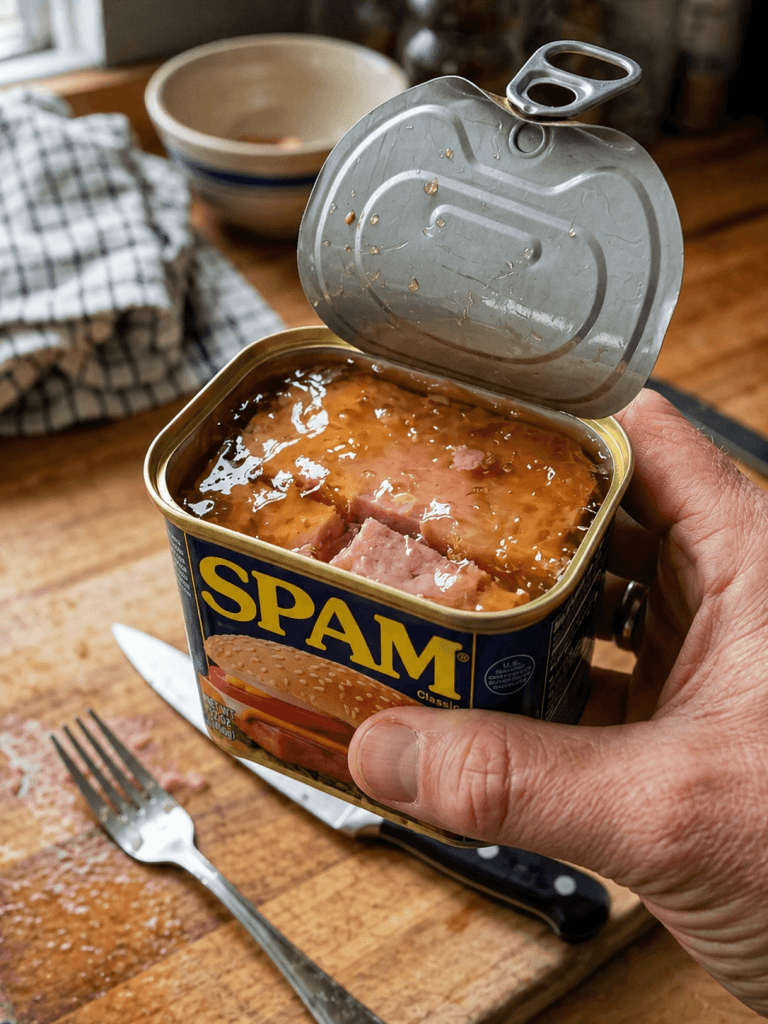
You crack open a can of Spam—maybe for the first time, maybe not—and there it is. That glossy, slightly wobbly layer sitting around the meat like it owns the place.

And if you’ve never seen it before? Yeah… it can feel a little questionable.

Is it supposed to look like that? Did something go wrong? Should you even eat it?

Honestly, you’re not alone in wondering. That jelly has confused a lot of people over the years. But here’s the thing—it’s not weird in the way you think. In fact, it’s completely normal. Let me explain.

So… What Is That Jelly, Really?

That clear, slightly firm layer is just natural gelatin. That’s it.

It forms from the meat itself—specifically from collagen, which is a protein found in pork and ham (the main ingredients in Spam). When the meat gets cooked during processing, that collagen breaks down and turns into a liquid. Then, once the can cools… it sets.

Kind of like what happens when you chill homemade broth in the fridge and it turns jiggly the next day.

Same idea. Just… in a can.

No weird additives. No mystery goo. Just a normal byproduct of cooking meat.

Why It Forms (And Why That’s Actually a Good Thing)

Here’s where it gets interesting—because that jelly isn’t just sitting there doing nothing.

It actually helps preserve the meat.

During the canning process, everything is sealed tight and heated to kill bacteria. As it cools, the gelatin forms a sort of protective layer. It locks in moisture and keeps the Spam from drying out.

So yeah, it might look a little odd—but it’s part of why Spam lasts so long on the shelf.

You know how some foods get dry or crumbly after storage? This helps prevent that.

Okay But… Could It Mean the Spam Is Bad?

Short answer: usually, no.

Longer answer: it depends on what you’re seeing (and smelling).

That jelly should look:

  • Clear or slightly amber
  • Smooth and firm (but not rubbery or slimy)
  • Basically odorless

If that’s what you’ve got—you’re fine.

But if something feels off… trust that instinct.

A Quick Reality Check: What Spoilage Actually Looks Like

This is where people get tripped up. The jelly itself isn’t the problem—it’s changes in the jelly that matter.

Watch for things like:

  • Cloudy or murky appearance
  • Green, gray, or very dark tones
  • Strong or sour smell
  • Unusual sliminess

And honestly? If the can was bulging, leaking, or dented badly before you opened it, that’s already a red flag.

No second guessing there—just toss it.

Use Your Eyes (They’re Better Than You Think)

When you slide the Spam out of the can, take a second. You don’t need to overanalyze it—but a quick glance helps.

The meat should be:

  • Pinkish and uniform
  • Firm but not dry
  • Free of weird spots or discoloration

The jelly? Light, clean-looking, not dramatic.

If anything looks dramatically different from that… yeah, don’t risk it.

And Then There’s the Smell Test

This one’s simple.

Spam should smell like… cooked, salty meat. Nothing fancy. Nothing strong.

If you open the can and immediately pause because something smells off—that’s your answer.

No need to debate it.

Do You Actually Have to Eat the Jelly?

Nope. Not at all.

It’s completely safe, but that doesn’t mean you have to love it.

Some people cook it right along with the Spam and never think twice. Others rinse it off immediately. Both are fine.

If you’re unsure, try this:

  • Fry Spam with the jelly once
  • Then try it rinsed off another time

You’ll figure out pretty quickly what you prefer.

What Happens When You Cook It?

Here’s the funny part—the jelly basically disappears.

Once it hits a hot pan, it melts down and blends into the cooking process. In fact, it can help the Spam get that crispy, golden edge people love.

So even if it looks odd cold, it doesn’t stay that way.

Kind of like butter solid in the fridge—totally different once heated.

Storage, Shelf Life… and That Expiration Date

Spam is known for lasting a long time—but it’s not immortal.

Keep it in a cool, dry place. Nothing fancy—just don’t leave it somewhere hot or humid.

And yes, check the date.

Canned foods can last past that date, but quality can slowly drop. If you’re already unsure and it’s way past the date, that’s another reason to skip it.

Also—watch the can itself:

  • Rust?
  • Deep dents?
  • Leaks?

Not worth the risk.

What About Leftovers? (Because It Happens)

Once opened, Spam behaves like any cooked meat.

  • Store it in an airtight container
  • Keep it in the fridge
  • Use it within 3 to 5 days

If you want to stretch it longer, freezing works too. Slice it first—it’s way easier to use later.

Let’s Clear Up a Few Common Myths

People have some strong opinions about that jelly. Not all of them are accurate.

  • “It means the Spam is spoiled.” — Nope. It’s normal.
  • “It’s artificially added.” — Also no. It forms naturally from the meat.
  • “You have to remove it.” — Only if you want to.
  • “It’s unhealthy.” — It’s just gelatin—basically protein from the meat.

So yeah… not nearly as dramatic as it looks.

When in Doubt, Keep It Simple

If you’re ever unsure, just run through this quick checklist:

  • Can looks normal
  • Jelly is clear and mild
  • Meat looks consistent
  • Smell is neutral

If all that checks out—you’re good.

If something feels off? Don’t overthink it. Toss it.

Final Thought (Because This One’s Simple)

That jelly might look strange at first, especially if you weren’t expecting it. But once you know what it is, it stops being a mystery.

It’s not a defect. It’s not a warning sign. It’s just part of how Spam works.

And honestly? After a couple of times, you probably won’t even notice it anymore.

3-Ingredient Fried Cornmeal Mush

0

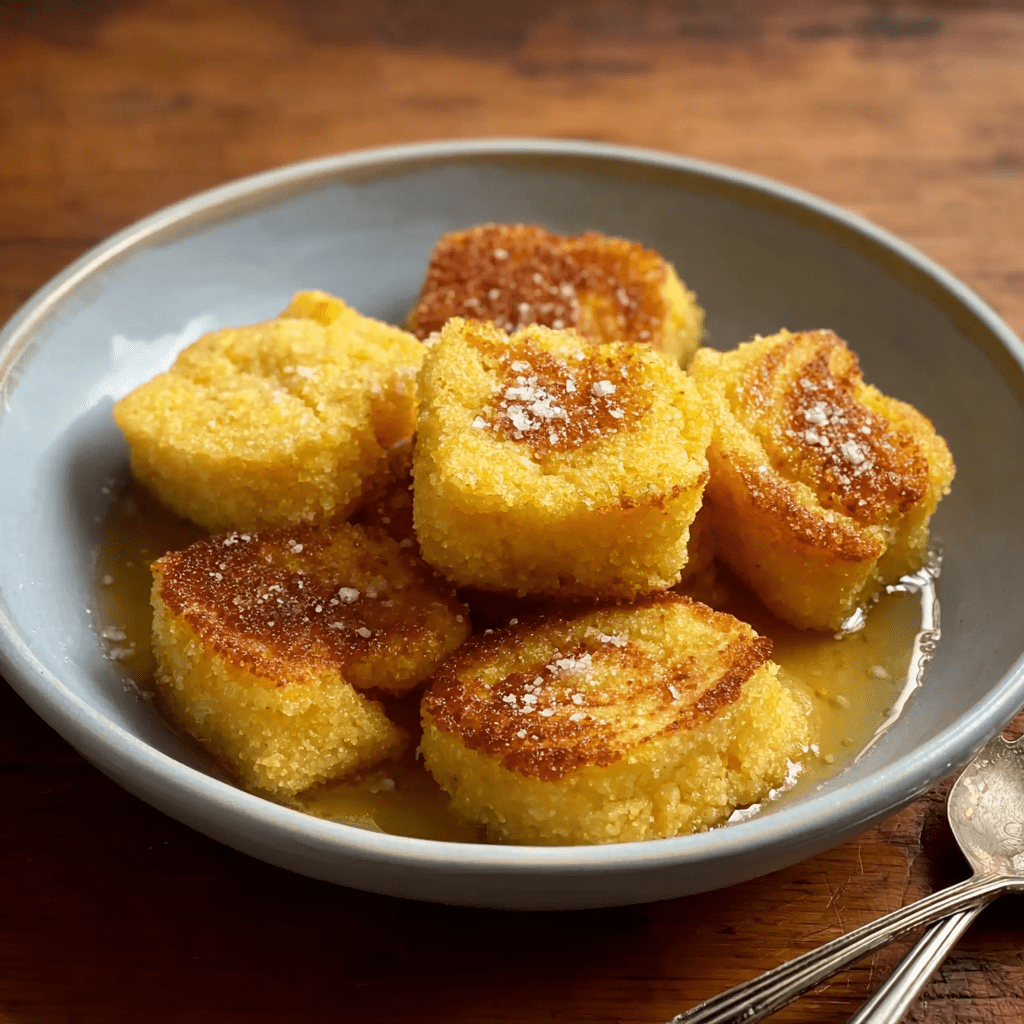
Fried Cornmeal Mush is a humble, nostalgic Southern classic—a simple, comforting dish that transforms basic cornmeal, water, and salt into golden, crispy-on-the-outside, creamy-on-the-inside breakfast magic. This recipe is a celebration of frugal, resourceful cooking, where just three pantry staples come together to create something far greater than the sum of their parts. The magic begins by whisking cornmeal with cold water to create a smooth slurry, then slowly incorporating it into boiling salted water. As the mixture cooks, it thickens into a dense, polenta-like mush that sets into a firm loaf when chilled. Sliced into hearty pieces and fried in hot oil or bacon grease until deeply golden and crisp, each slice offers a satisfying crunch that gives way to a soft, creamy, subtly corn-sweet interior.

The brilliance of this recipe lies in its simplicity and versatility. It’s the epitome of “waste not, want not” cooking—using basic ingredients to create a warm, filling meal that has sustained generations. The overnight chill in the refrigerator is essential, transforming the loose mush into a sliceable, fryable block that holds its shape beautifully in the skillet. Serve it for breakfast with a drizzle of maple syrup or honey, alongside fried eggs and bacon, or as a savory side with butter, salt, and pepper. Some even top it with tomato gravy or sausage gravy for a hearty Southern plate. However you serve it, Fried Cornmeal Mush is a taste of tradition—simple, honest, and deeply satisfying.

Why You’ll Love This Recipe:

  • Only 3 Ingredients: Cornmeal, water, and salt—that’s it!
  • Crispy on the Outside, Creamy on the Inside: The perfect texture contrast.
  • Budget-Friendly: Pennies per serving from pantry staples.
  • Versatile: Serve sweet or savory, for breakfast, lunch, or dinner.
  • Nostalgic and Comforting: A true taste of Southern heritage.

Ingredients:

For the Cornmeal Mush:*
1 cup yellow cornmeal
3 cups water, divided
1 teaspoon salt

For Frying:*
Oil or bacon grease, for frying (about ¼ inch deep in the pan)

Instructions:

Step 1: Make the Cornmeal Slurry*
In a medium bowl, whisk together the cornmeal with 1 cup of cold water until completely smooth.

Step 2: Boil the Remaining Water*
In a medium saucepan, bring the remaining 2 cups of water and the salt to a rolling boil over high heat.

Step 3: Add the Cornmeal Mixture*
Reduce the heat to low. Slowly pour the cornmeal slurry into the boiling water while whisking constantly to prevent lumps.

Step 4: Cook the Mush*
Continue cooking, stirring constantly with a wooden spoon or whisk, until the mixture thickens significantly and pulls away from the sides of the pan, about 5-7 minutes. The texture should be very thick, like a dense porridge.

Step 5: Transfer to a Pan*
Lightly grease an 8×8-inch or 9×5-inch loaf pan. Pour the hot cornmeal mush into the pan, spreading it evenly with a spatula. Smooth the top.

Step 6: Chill Until Firm*
Cover and refrigerate for at least 2 hours, or overnight, until the mush is completely firm and set.

Step 7: Slice and Fry*
Turn the chilled mush out onto a cutting board. Slice into ½-inch thick pieces (rectangles or squares). Heat about ¼ inch of oil or bacon grease in a large skillet over medium-high heat until shimmering. Fry the slices in batches without overcrowding, cooking for 2-4 minutes per side, until deep golden brown and crispy.

Step 8: Drain and Serve*
Transfer the fried cornmeal mush to a paper towel-lined plate to drain excess oil. Serve hot.

Tips:

  • Use Yellow Cornmeal: Yellow cornmeal gives the best flavor and color, but white cornmeal works as well. Avoid cornmeal mix (which contains flour and leavening agents).
  • Whisk Constantly: Stirring continuously while cooking prevents lumps and scorching on the bottom of the pan.
  • Chill Time is Non-Negotiable: The mush must be completely firm before slicing and frying, or it will fall apart in the pan. Overnight chilling is best.
  • Use Bacon Grease for Frying: Bacon grease adds an incredible smoky, savory flavor that pairs beautifully with the cornmeal.
  • Don’t Overcrowd the Pan: Fry in batches to maintain oil temperature and ensure even browning.

Flavor Variations:

  • Sweet Breakfast Style: Serve with maple syrup, honey, or a dusting of powdered sugar.
  • Savory Southern Style: Top with butter, salt, and pepper, or serve with sausage gravy.
  • Cheesy: Stir ½ cup of shredded cheddar cheese into the hot mush before transferring to the pan.
  • Herbed: Add a teaspoon of dried herbs (thyme, rosemary, or chives) to the cooking mush.

Storage Options:

  • Refrigerator: Store uncooked, chilled mush in the pan, covered, for up to 5 days.
  • Freezer: Freeze the uncooked, firm block of mush wrapped tightly in plastic wrap for up to 2 months. Thaw in the refrigerator before slicing and frying.
  • Cooked Leftovers: Fried cornmeal mush is best enjoyed fresh but can be stored in the refrigerator for up to 3 days. Reheat in a skillet or oven to restore crispness.
  • Make-Ahead: Prepare the mush up to 2 days in advance and keep chilled until ready to slice and fry.

Fried Cornmeal Mush is a true Southern heirloom recipe—simple, honest, and deeply comforting. With its crispy golden crust and soft, creamy center, it’s a breakfast classic that deserves a place at every table.

Easy Garlic Knots

0

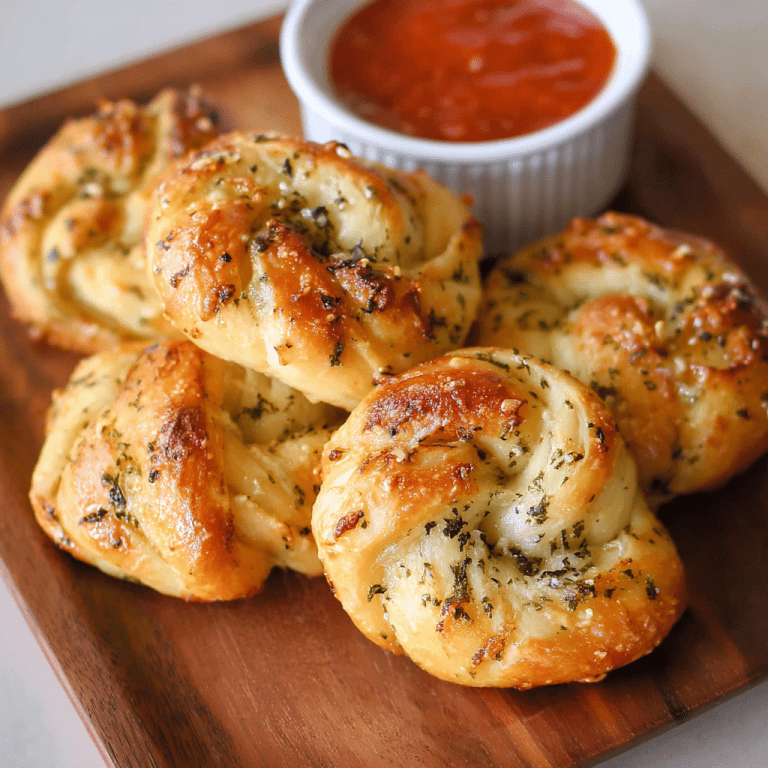
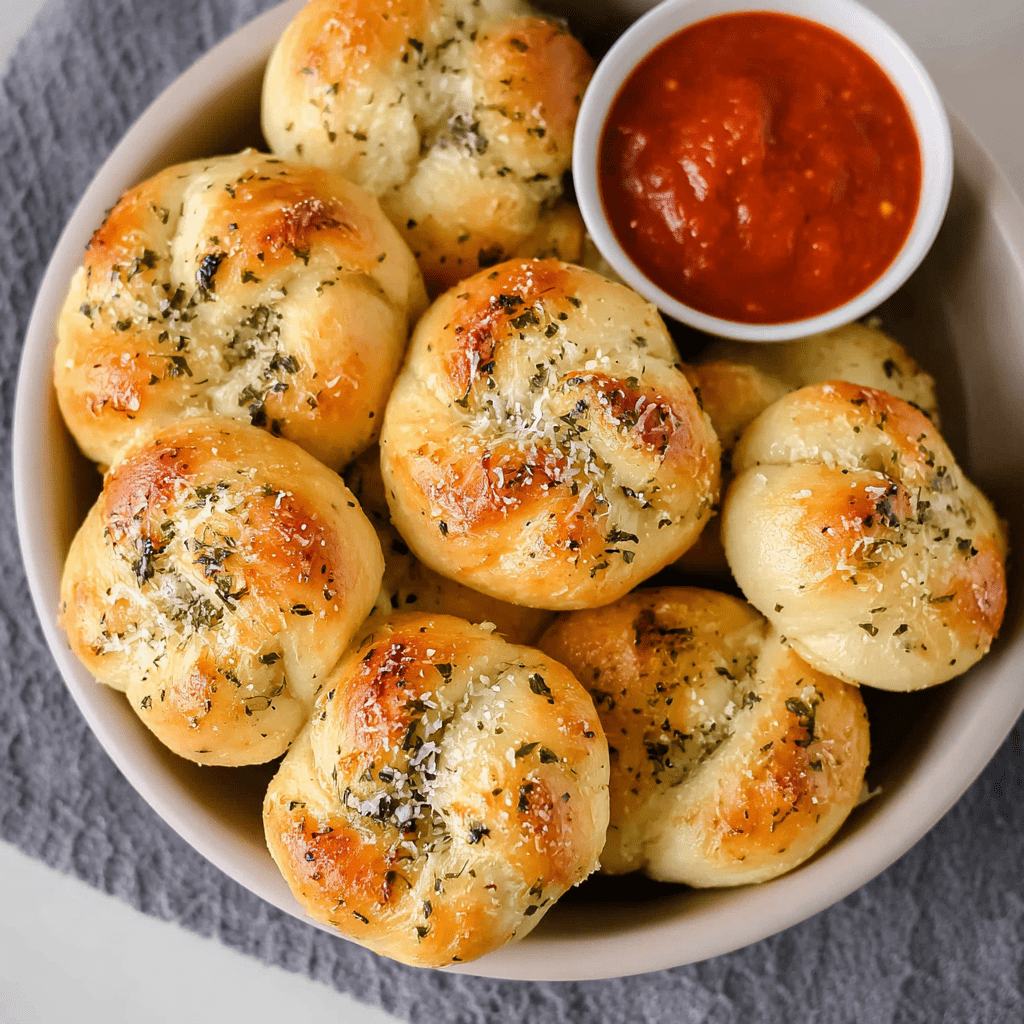
Easy Garlic Knots are the ultimate pull-apart bread sidekick—soft, pillowy knots of homemade dough, brushed with a fragrant garlic herb butter, sprinkled with salty Parmesan, and baked to golden perfection. This recipe transforms simple pantry ingredients into warm, irresistible knots that will have everyone reaching across the table for “just one more.” The magic begins with a simple yeast dough—warm water, sugar, and yeast bloom together, then combine with flour, salt, and olive oil to create a soft, elastic dough that rises into a pillowy masterpiece. After a gentle punch-down, the dough is rolled into ropes, tied into classic knots, and left to rise again, ensuring that signature light, airy texture.

The brilliance of these garlic knots lies in the double-brushing technique. Half of the warm garlic herb butter is brushed onto the knots before baking, infusing every layer with flavor as they bake. The remaining butter is brushed on immediately after they emerge from the oven, creating a glossy, fragrant coating that soaks into the warm bread. A final shower of grated Parmesan adds a salty, nutty finish and a touch of golden crispness. Serve these knots fresh from the oven with a side of warm marinara sauce for dipping, and watch them disappear in minutes. They’re the perfect accompaniment to pasta night, salad, soup, or any meal that calls for something warm, buttery, and wonderfully garlicky.

Why You’ll Love This Recipe:

  • Soft, Pillowy, and Buttery: Homemade dough creates the most tender, irresistible garlic knots.
  • Double-Brushed Garlic Herb Butter: Infuses every bite with rich, savory flavor.
  • Easy to Make: Simple ingredients and straightforward steps for a show-stopping result.
  • Perfect for Pasta Night: The ultimate sidekick to spaghetti, lasagna, or chicken Parmesan.
  • Better Than Takeout: Fresh, warm, and infinitely more delicious than delivery breadsticks.

Ingredients:

For the Roll Dough:*
1½ cups warm water (110°F / 43°C)
1 tablespoon granulated sugar
2¼ teaspoons active dry yeast (1 packet)
3½ cups all-purpose flour (or bread flour, or a mix of both)
1 teaspoon kosher salt
1 tablespoon olive oil

For the Garlic Herb Butter:*
6 tablespoons unsalted butter
½ teaspoon dried oregano
½ teaspoon dried parsley
½ teaspoon garlic powder
¼ teaspoon dried basil
¼ teaspoon kosher salt

For Topping and Serving:*
3 tablespoons freshly grated Parmesan cheese
Warm marinara sauce, for dipping (optional)

Instructions:

Step 1: Bloom the Yeast*
Warm the water to 110°F (43°C) using a microwave or stovetop, checking with a digital thermometer. In a small bowl or liquid measuring cup, gently whisk together the warm water, sugar, and yeast. Cover with plastic wrap and let it sit for 7-10 minutes until foamy and bubbly.

Step 2: Make the Dough*
In the bowl of a stand mixer fitted with a dough hook, combine the bloomed yeast mixture and 1 cup of the flour. Turn the mixer to low and beat for about 1 minute. Scrape down the sides of the bowl. Add the remaining flour and the salt. Continue mixing on medium-low for about 2 minutes, until the dough starts to pull away from the sides of the bowl. If the dough is too wet, add 1 teaspoon of flour at a time until it comes together.

Step 3: Knead*
Knead the dough on low speed (speed 2) for about 5 minutes, until the dough is smooth and elastic.

Step 4: First Rise*
Lightly coat a large bowl with olive oil. Transfer the dough to the bowl, turning to coat with oil. Cover the bowl tightly with plastic wrap and let it rise in a warm, draft-free place until doubled in size, about 1-2 hours.

Step 5: Prepare the Garlic Herb Butter*
While the dough rises, melt the butter in a small saucepan over low heat. Stir in the dried oregano, dried parsley, garlic powder, dried basil, and salt. Remove from heat and set aside.

Step 6: Shape the Garlic Knots*
Gently punch down the risen dough. Turn it out onto a lightly floured surface and roll or pat it into a 15-inch rectangle. Using a pizza cutter or sharp knife, cut the dough into 12 even strips (each about 1¼ inches wide). Roll each strip into a 10-12 inch rope. Tie each rope into a loose knot, tucking the ends underneath. Place the knots on a parchment-lined baking sheet, spacing them about 1½ inches apart to allow for rising.

Step 7: Second Rise*
Brush the knots with half of the melted garlic herb butter. Cover loosely with plastic wrap and let them rise for 30 minutes.

Step 8: Bake*
Preheat your oven to 400°F (200°C). Bake the knots for 12-15 minutes, until they are lightly golden brown on top.

Step 9: Finish and Serve*
Remove the knots from the oven and immediately brush them with the remaining garlic herb butter. Sprinkle with the grated Parmesan cheese. Serve warm with marinara sauce for dipping, if desired.

Tips:

  • Check Your Yeast: If the yeast mixture doesn’t become foamy after 10 minutes, your yeast may be dead. Start over with fresh yeast.
  • Use a Thermometer: Water that is too hot will kill the yeast; too cold won’t activate it. 110°F is the sweet spot.
  • Don’t Overflour: Add flour gradually. The dough should be soft and slightly tacky but not sticky.
  • Work Gently: When shaping the knots, handle the dough gently to avoid deflating it.
  • Make Ahead: Prepare the dough through the first rise, then punch it down, wrap tightly, and refrigerate for up to 24 hours. Bring to room temperature before shaping.

Storage Options:

  • Room Temperature: Store leftover knots in an airtight container at room temperature for up to 3 days.
  • Reheating: Reheat in a 350°F (175°C) oven for 5-7 minutes to restore warmth and softness. The microwave works but may make them chewy.
  • Freezing: Freeze baked, unbuttered knots on a baking sheet until solid, then transfer to a freezer bag for up to 3 months. Thaw and brush with butter, then reheat in a 350°F oven. You can also freeze the shaped, unbaked knots.

Easy Garlic Knots are a warm, buttery, garlicky bread lover’s dream. Soft and tender on the inside, golden and fragrant on the outside, they’re the perfect addition to any Italian meal—or just a snack on their own. Once you make them from scratch, you’ll never go back to store-bought again.

White Gravy

0

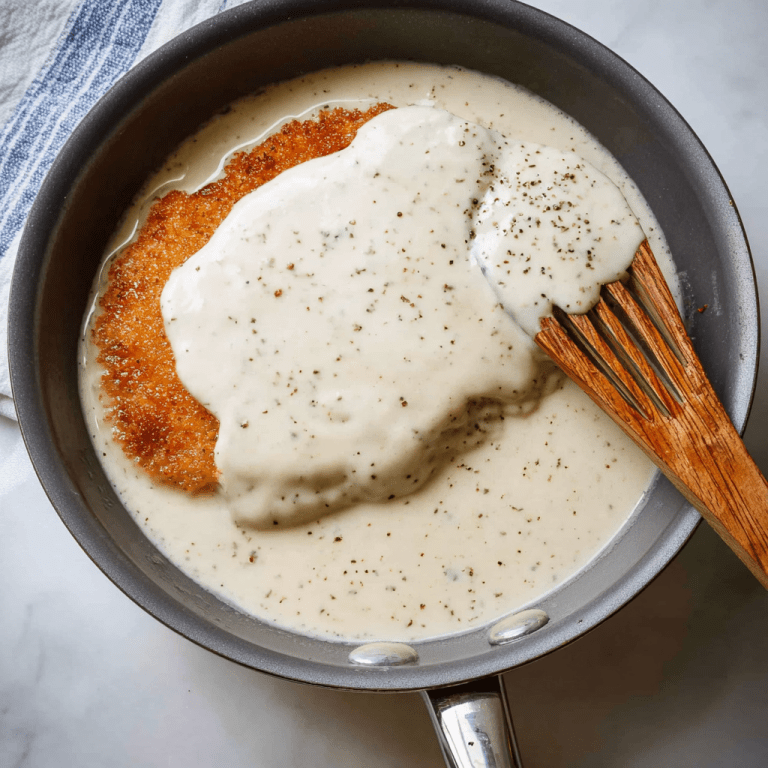
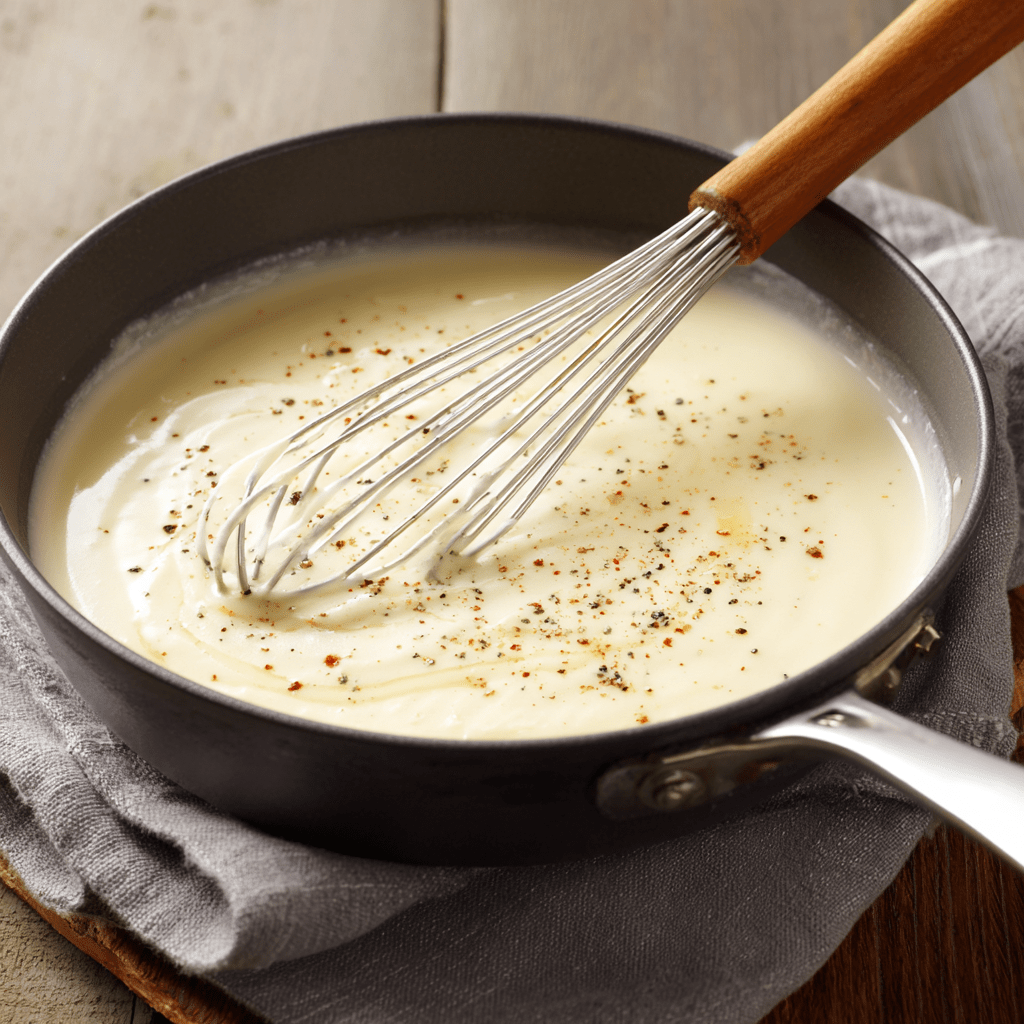
White Gravy is the soul of Southern cooking—a silky, peppery, impossibly creamy country gravy that transforms biscuits, fried chicken, mashed potatoes, and breakfast platters into something truly transcendent. This recipe is a masterclass in simplicity and technique, turning just a handful of pantry staples into a velvety, soul-warming sauce that’s far greater than the sum of its parts. The magic begins with a roux—butter melted gently in a skillet, then whisked with flour until it turns a light, nutty golden brown. This simple mixture is the foundation of all great gravies, providing body and flavor without a hint of raw flour taste. Whole milk is then slowly whisked in, creating a smooth, creamy base that’s seasoned simply with salt, pepper, and a whisper of cayenne for warmth.

The brilliance of this white gravy lies in its perfect texture and balance. It’s thick enough to cling to a warm biscuit or coat a piece of fried chicken, but never gluey or pasty. The key is patience: whisking continuously as the milk incorporates, allowing the gravy to simmer gently until it reaches that ideal, spoon-coating consistency. The classic Southern addition of plenty of freshly ground black pepper gives it its signature speckled appearance and gentle heat. Whether ladled over a plate of flaky biscuits, drizzled over crispy chicken-fried steak, or spooned onto a mountain of creamy mashed potatoes, this white gravy is the taste of home—simple, honest, and utterly comforting.

Why You’ll Love This Recipe:

  • Rich, Creamy, and Peppery: The perfect Southern-style white gravy with a warm, comforting flavor.
  • Made from Scratch: Simple pantry ingredients create something truly special.
  • Quick and Easy: Ready in under 10 minutes with minimal fuss.
  • Versatile: Serve over biscuits, fried chicken, mashed potatoes, chicken-fried steak, or country-fried pork chops.
  • Customizable: Easily adapt with bacon fat, sausage drippings, or different seasonings.

Ingredients:

For the Gravy:*
¼ cup unsalted butter (or substitute bacon fat for a smoky flavor)
¼ cup all-purpose flour
2–2½ cups whole milk or 2% milk
1–2 pinches cayenne pepper (optional)
Kosher salt, to taste
Freshly ground black pepper, to taste (be generous—this is a peppery gravy)

Instructions:

Step 1: Make the Roux*
Melt the butter in a large skillet or saucepan over medium-low heat. Once melted, add the flour and whisk continuously for about 3 minutes, until the mixture is smooth and lightly browned (the color of pale peanut butter). Do not let it burn.

Step 2: Add the Milk*
Slowly pour in the milk while whisking constantly to prevent lumps. Continue whisking until the mixture is smooth and begins to thicken.

Step 3: Season and Simmer*
Whisk in the cayenne pepper (if using), salt, and a generous amount of freshly ground black pepper. Continue cooking over medium-low heat, whisking frequently, until the gravy has thickened to your desired consistency, about 3-5 minutes.

Step 4: Adjust Consistency*
If the gravy becomes too thick, whisk in additional milk a little at a time. If it’s too thin, simmer for another minute or two, whisking constantly.

Step 5: Taste and Serve*
Taste and adjust seasoning with more salt and pepper if needed. Serve hot over biscuits, chicken, potatoes, or your favorite comfort food.

Tips:

  • Use a Whisk: A whisk is essential for a smooth, lump-free gravy.
  • Keep the Heat Medium-Low: Rushing the roux can cause scorching. Patience yields a better-tasting gravy.
  • Start with Cold Milk: Adding cold milk to the hot roux helps prevent lumps.
  • Don’t Skimp on Pepper: Southern white gravy is known for its bold black pepper flavor. Be generous!
  • Make it Sausage Gravy: Brown ½ pound of breakfast sausage in the skillet, remove the sausage, then make the gravy in the drippings. Stir the cooked sausage back in at the end.

Storage Options:

  • Refrigerator: Store cooled gravy in an airtight container in the refrigerator for up to 5 days.
  • Reheating: Reheat gently in a saucepan over low heat, whisking frequently. Add a splash of milk to loosen the consistency if needed. Do not microwave, as it can cause uneven heating and separation.
  • Freezing: Not recommended, as the texture of milk-based gravies can become grainy upon thawing.
  • Make-Ahead: White gravy is best made fresh, but you can prepare the roux in advance and store it in the refrigerator. When ready to make the gravy, reheat the roux in the skillet and proceed with adding the milk.

White Gravy is the heart and soul of Southern comfort food—simple, creamy, peppery, and absolutely irresistible. Master this basic recipe, and you’ll have the foundation for biscuits and gravy, chicken-fried steak, and countless other beloved dishes.

Blueberry Cream Cheese Loaf

0

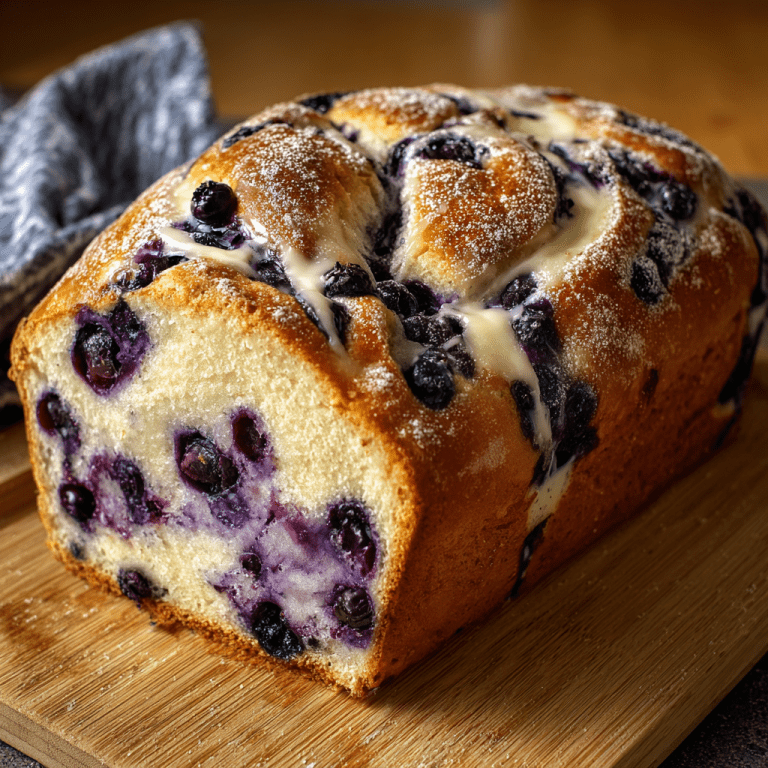
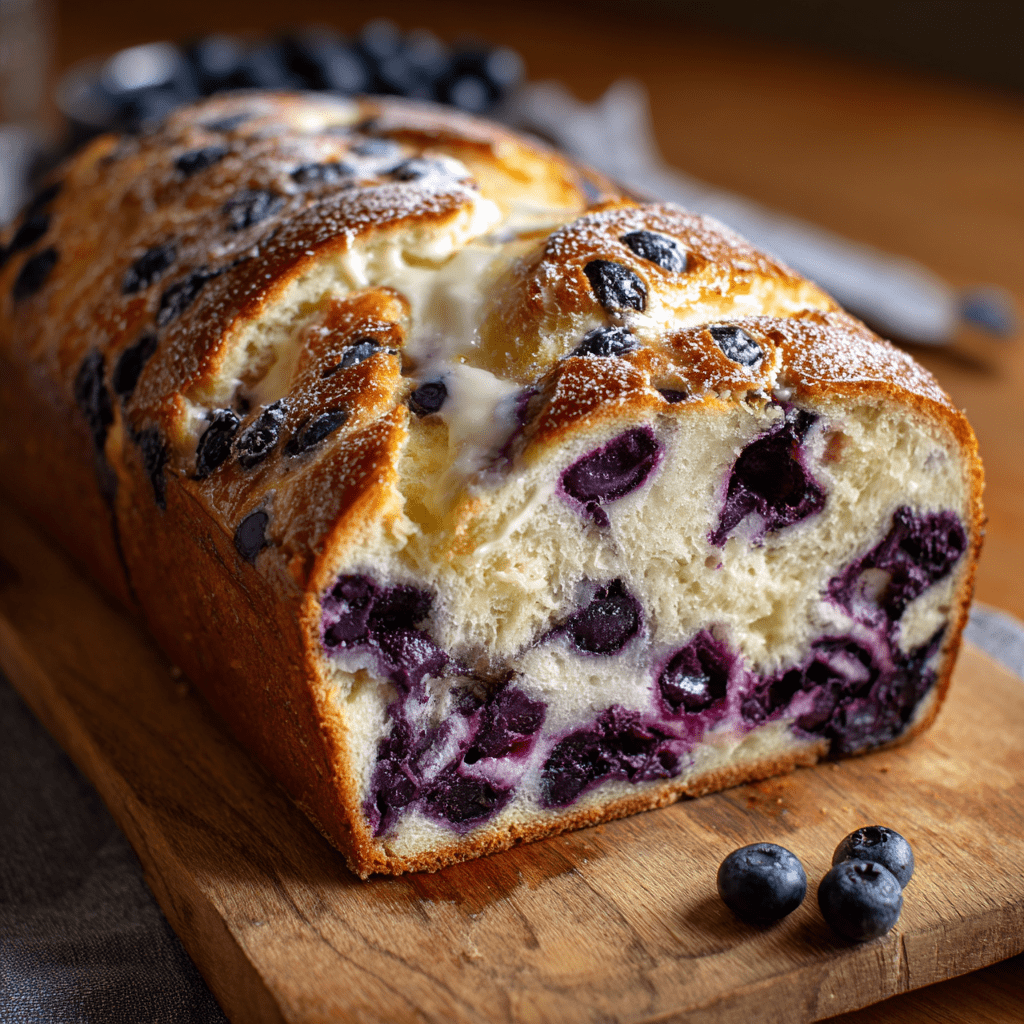
Blueberry Cream Cheese Loaf is the ultimate breakfast treat or afternoon indulgence—a tender, buttery, and impossibly moist quick bread, rippled with swirls of tangy cream cheese and bursting with sweet, juicy blueberries in every slice. This recipe is a celebration of perfect balance, where the richness of cream cheese and butter meets the bright, fresh pop of blueberries, all wrapped in a soft, golden crumb. The magic begins with creaming together butter, cream cheese, and sugar until light and fluffy, creating a luxuriously rich base that yields a tender, almost velvety texture. A generous amount of fresh or frozen blueberries, gently coated in flour to prevent sinking, are folded into the batter, ensuring they stay suspended throughout the loaf rather than sinking to the bottom.

The brilliance of this recipe lies in its thoughtful technique and the stunning result it delivers. The cream cheese doesn’t just appear in the filling—it’s incorporated directly into the batter, creating a uniquely moist, dense, yet tender crumb with a subtle tang that perfectly complements the sweetness of the blueberries and sugar. Baking in two 9×5-inch loaves makes it perfect for sharing, gifting, or freezing one for later. The finished loaf is a masterpiece of simplicity: a golden-brown, crackly top gives way to a soft, creamy interior studded with jammy blueberries. Serve it for breakfast with a cup of coffee, as an afternoon snack, or even as a not-too-sweet dessert. It’s a loaf cake that feels both rustic and elegant, and it’s sure to become a favorite in your baking rotation.

Why You’ll Love This Recipe:

  • Incredibly Moist and Tender: The cream cheese in the batter creates an exceptionally soft, velvety crumb.
  • Perfectly Distributed Blueberries: Coating the berries in flour prevents them from sinking to the bottom.
  • Rich, Buttery, Tangy Flavor: Sweet blueberries, rich butter, and tangy cream cheese are a perfect match.
  • Great for Gifting or Freezing: This recipe makes two loaves—one to enjoy now, one to save for later.
  • Versatile: Enjoy for breakfast, brunch, afternoon tea, or dessert.

Ingredients:

For the Blueberries:*
2 cups fresh or frozen blueberries (do not thaw if using frozen)
2 tablespoons all-purpose flour

For the Batter:*
2 cups (4 sticks / 226g) unsalted butter, softened to room temperature
8 ounces (226g) full-fat brick cream cheese, softened to room temperature
1 ½ cups (300g) granulated sugar
1 teaspoon pure vanilla extract
4 large eggs, at room temperature
2 cups (250g) all-purpose flour
1 ½ teaspoons baking powder
½ teaspoon salt

Instructions:

Step 1: Preheat and Prepare Pans*
Preheat your oven to 350°F (175°C). Generously grease two 9×5-inch loaf pans with butter or non-stick spray. Line the bottom of each pan with a strip of parchment paper, leaving an overhang on the two long sides for easy removal.

Step 2: Coat the Blueberries*
In a small bowl, toss the fresh or frozen blueberries with the 2 tablespoons of flour until they are evenly coated. Set aside. This prevents the berries from sinking to the bottom of the loaves.

Step 3: Cream the Butter, Cream Cheese, and Sugar*
In a large mixing bowl, using an electric hand mixer or a stand mixer fitted with the paddle attachment, beat the softened butter, cream cheese, granulated sugar, and vanilla extract together on medium-high speed until the mixture is light, pale, and smooth, about 3-4 minutes. Scrape down the sides of the bowl as needed.

Step 4: Add the Eggs*
Add the eggs one at a time, mixing on low speed after each addition just until incorporated. Do not overmix. Scrape down the bowl after each addition.

Step 5: Combine Dry Ingredients*
In a separate medium bowl, whisk together the remaining 2 cups of flour, the baking powder, and the salt until well combined.

Step 6: Combine Wet and Dry*
Gradually add the dry flour mixture to the wet ingredients, mixing on low speed just until combined. Do not overmix—a few streaks of flour are fine.

Step 7: Fold in Blueberries*
Using a rubber spatula, gently fold the flour-coated blueberries into the thick batter until evenly distributed.

Step 8: Bake*
Divide the batter evenly between the two prepared loaf pans. Smooth the tops with the spatula. Bake for 45-55 minutes, or until a toothpick inserted into the center of each loaf comes out clean or with just a few moist crumbs. If the tops are browning too quickly, tent loosely with foil during the last 15 minutes of baking.

Step 9: Cool*
Remove the pans from the oven and place them on a wire rack. Let the loaves cool in the pans for exactly 10 minutes. Run a thin knife around the edges to loosen. Using the parchment overhangs, lift the loaves from the pans and transfer them to the wire rack to cool completely before slicing.

Tips:

  • Room Temperature Ingredients: Softened butter, cream cheese, and room temperature eggs are essential for a smooth, lump-free batter.
  • Don’t Overmix: Once you add the flour, mix only until combined. Overmixing develops gluten and results in a tough, dense loaf.
  • Frozen Blueberries: Do not thaw frozen blueberries before using. Toss them with flour while still frozen.
  • Check for Doneness: Ovens vary. Start checking at 45 minutes. A toothpick should come out clean or with a few moist crumbs.
  • Cool Completely: Slicing into a warm loaf can cause it to crumble. Patience is key for clean slices.

Storage Options:

  • Room Temperature: Store cooled loaf wrapped tightly in plastic wrap or in an airtight container at room temperature for up to 3 days.
  • Refrigerator: Store in the refrigerator for up to 1 week. Bring to room temperature or warm slices before serving.
  • Freezer: These loaves freeze beautifully for up to 3 months. Wrap tightly in plastic wrap, then in foil. Thaw overnight in the refrigerator or at room temperature.
  • Make-Ahead: Bake the loaves, cool completely, wrap tightly, and freeze. Perfect for having on hand for unexpected guests or busy mornings.

Blueberry Cream Cheese Loaf is a tender, buttery, berry-studded delight that’s as beautiful as it is delicious. Whether for a special breakfast, an afternoon treat, or a homemade gift, it’s a recipe you’ll turn to again and again.

That Green Spot on Your Cheddar… Cut It Off or Toss the Whole Thing?

0

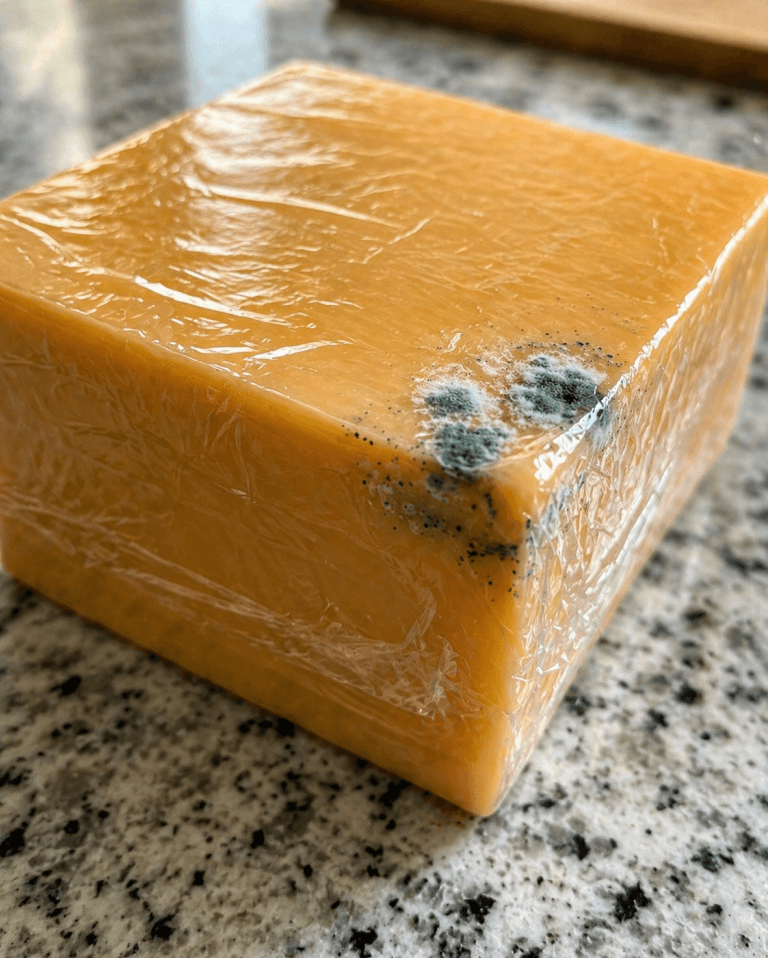
You open the fridge, already halfway into dinner mode. Maybe you’re thinking grilled cheese, maybe a quick pasta—something easy. Then you see it. A fuzzy little green patch on your block of cheddar.

And just like that, everything pauses.

Do you cut around it? Throw the whole thing away? Stand there for 30 seconds staring at it like it might answer you?

Honestly, we’ve all been there.

This isn’t just about cheese—it’s about not wasting food, not wasting money, and also not doing something you’ll regret later. So let’s talk through it, calmly, like two people in a kitchen trying to make a smart call.

First Things First… How Bad Is That Mold, Really?

Here’s the part most people don’t realize: not all mold is the enemy.

Some cheeses are literally built around mold—think blue cheese, for example. But cheddar? That’s not supposed to be part of the deal.

What you’re seeing is usually a type of mold called Penicillium. Sounds scientific, but in plain terms—it’s common. It shows up when conditions are right: moisture, air, time.

Now, does that mean it’s dangerous?

Not necessarily.

For most people, a small patch on a hard cheese isn’t a health emergency. The bigger concerns are:

  • Allergies or sensitivities
  • Breathing in spores (rare, but worth noting)
  • Or deeper contamination you can’t see

So no—don’t panic. But don’t ignore it either.

The Cheese Type Changes Everything (Seriously)

Here’s where things get a little more clear—and a little more strict.

Hard cheeses (like cheddar):

  • Dense structure
  • Mold tends to stay on the surface
  • Usually salvageable

Soft cheeses (like brie, ricotta, cream cheese):

  • High moisture
  • Mold spreads invisibly inside
  • Not salvageable

So if this were brie? Different conversation. You’d be tossing it, no hesitation.

But cheddar gives you a little wiggle room.

Take a Closer Look (And Yes, Smell It)

Before you grab a knife, pause for a quick inspection. It takes 20 seconds and can save you from making the wrong call.

Look for:

  • Multiple mold spots (not great)
  • Odd colors like black, pink, or orange (worse)
  • Any spreading beyond the obvious patch

Smell it:

  • Sharp cheddar smell? Fine
  • Sour, ammonia-like smell? That’s your sign to stop

Touch it:

  • Still firm? Good
  • Slimy or weirdly soft? Not good

If everything else looks normal, you’re probably in safe territory to trim it.

How to Cut It Off Without Making It Worse

This is the part people mess up—cutting too close.

Here’s the right way:

  1. Use a clean, sharp knife
  2. Cut at least 1 inch (2.5 cm) around and below the mold
  3. Don’t slice straight through the mold and keep going—that drags spores into the good part
  4. Cut wide, then discard the moldy portion immediately

It might feel like you’re sacrificing a bit more cheese than necessary. You are. That’s the point.

Better safe than sorry.

When It’s Not Worth Saving (Even If It Hurts a Little)

There are moments where trimming just isn’t the move.

Toss the whole block if:

  • Mold is in multiple places
  • It looks like it’s spread deeper than the surface
  • The texture feels off (soft, wet, sticky)
  • The smell makes you hesitate—even slightly

And here’s the honest part: if you’re unsure… you’re already uncomfortable. That alone is enough reason to let it go.

Food should feel safe, not questionable.

What the Experts Actually Say

According to the USDA, hard cheeses like cheddar can be saved by cutting away mold with a 1-inch margin.

Soft cheeses? Toss them completely.

It’s a simple rule, and honestly—it holds up in real life.

Can You Still Cook With It After Trimming?

Short answer: yes.

Once you’ve removed the mold properly, cheddar can still be used—especially in cooked dishes.

Think:

  • Grilled cheese
  • Pasta sauces
  • Casseroles

Heat helps reduce any remaining risk, and melted cheddar tends to hide minor imperfections anyway.

Still, give it a quick taste first. If something feels off, don’t force it.

How to Store Cheddar So This Doesn’t Happen Again

This is where most of the problem starts, quietly.

Cheddar doesn’t love:

  • Too much moisture
  • Too much air
  • Temperature swings

A better approach:

  • Wrap it in parchment or wax paper (not directly in plastic)
  • Then place it in a loose container or bag
  • Keep it in a stable, cold part of the fridge—not the door

It’s a small habit, but it makes a noticeable difference.

So… What Would I Do?

If I saw one small mold spot on a block of cheddar?

I’d inspect it, cut around it generously, and use the rest—probably in something cooked that same day.

But if I saw more than one spot, or if it looked even slightly questionable?

I’d toss it. No second guessing.

Because here’s the thing—saving food feels good, but feeling confident about what you’re eating feels better.

When in Doubt, Trust Yourself

Guidelines are helpful. Science helps even more. But your instincts matter too.

If something about that cheese makes you hesitate—even just a little—that’s your answer.

Throwing away a block of cheddar isn’t fun. But neither is worrying about it after you’ve already eaten it.

And honestly? Peace of mind is worth more than cheese.

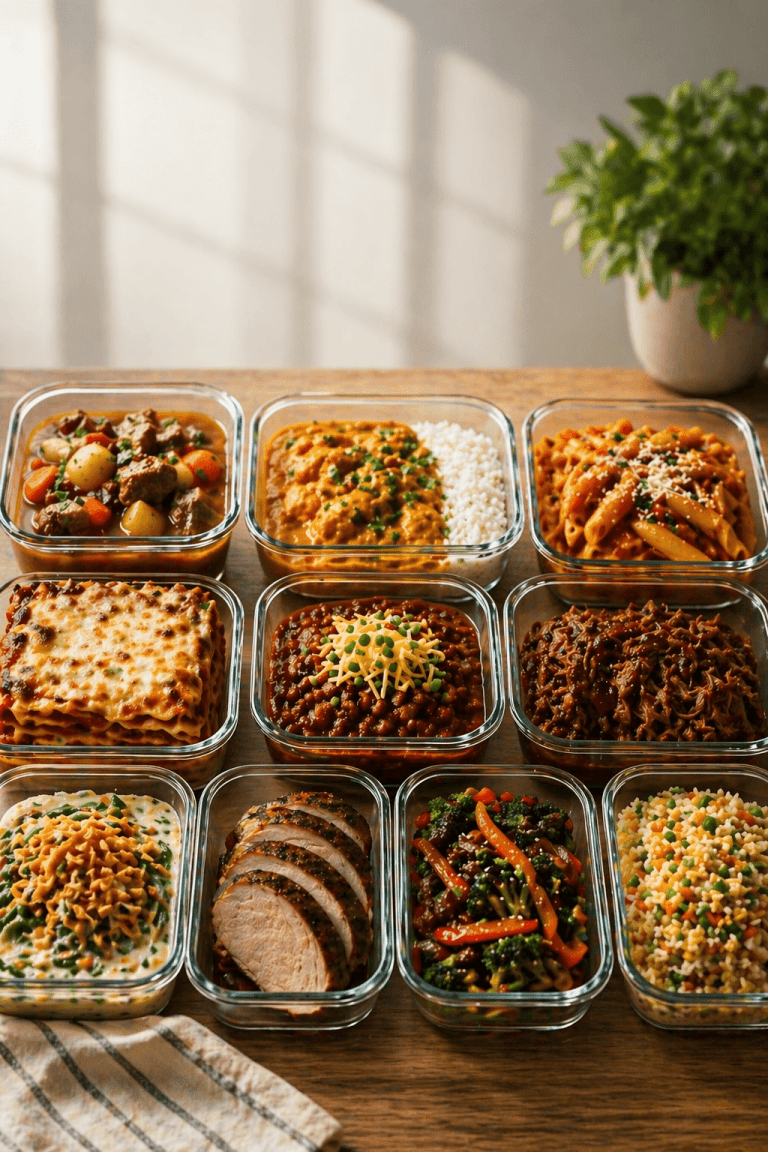
10 Meals That Weirdly Taste Way Better the Next Day

0

You ever take a bite of something out of the fridge — cold, barely reheated — and think, “Wait… why is this actually better than it was last night?”

Yeah. Me too.

There’s something kind of magical (and honestly unfair) about how some foods just glow up after a night in the fridge. Like, they had time to think about who they are, get their seasoning sorted out, and show up ready to impress.

I used to think leftovers were punishment. Now? I plan for them.

Here are 10 dishes that prove time might just be the most underrated ingredient in your kitchen.

1. Stews & Soups — The Day-After Powerhouse

Let’s start with the obvious: stew and soup leftovers hit different.

Whether it’s a chunky beef stew, cozy chicken noodle, or some spicy lentil situation, these things get deeper, bolder, and cozier after chilling out overnight.

It’s like the broth and the veggies and the meat had a group hug in the fridge. Everything blends, softens, and suddenly you’ve got flavor that wasn’t even trying this hard yesterday.

Warm it up slow, toss in a hunk of bread, and try not to cry happy tears.

2. Curries — Spices Settled, Drama Resolved

Curries are built to be better the next day. Indian, Thai, Jamaican — doesn’t matter.

All those bold spices that were kinda fighting for attention when it was fresh? They chill out overnight and become besties. Ginger, garlic, turmeric, cumin — they melt into the sauce and wrap around the meat or veggies like a cozy blanket.

Suddenly it’s less “fire in your mouth” and more “wow this is so layered and dreamy.”

Serve with rice. Eat silently. Stare into the distance.

3. Pasta — The Saucy Makeover Queen

You already know.

That spaghetti you barely tasted because you were starving last night? Come back tomorrow. It’s richer, thicker, and tastes like you simmered it for hours when really it was a jar of sauce and a prayer.

Mac and cheese? Baked ziti? Lasagna’s cousin you made in a rush? The cheese has set, the sauce has soaked in, and the noodles have become one with everything else.

Honestly, cold or hot — next-day pasta doesn’t miss.

4. Lasagna — The Beyoncé of Leftovers

Look, lasagna deserves its own category. It’s not just “better” the next day — it’s practically reborn.

The layers finally firm up. No more slippy-slidey noodles. The ricotta settles in like it pays rent. You slice into it and every piece is a masterpiece.

Cold, it’s bold. Warm, it’s perfect. Lasagna the next day is a whole event. Respect it.

5. Chili — Spicier, Deeper, Beefier

If Day One chili is the trailer, Day Two is the Oscar-winning film.

The beans get softer. The spices mellow but somehow get stronger. The tomato base turns silky. And if there’s meat in it? That’s basically flavor gold after 12 hours in the fridge.

Top with cheese, maybe sour cream, maybe Fritos if you’re feeling chaotic. It’s your chili now.

6. BBQ Meats — Stickier, Saucier, WOW

BBQ ribs, pulled pork, chicken slathered in sauce — whatever you had on the grill last night? Give it a nap in the fridge. Let it soak.

The sauce sinks in, the char gets friendlier, and everything turns into a sticky, sweet-savory situation that’s honestly better than the original plate.

Reheat low and slow. Or cold, straight from the container — I won’t judge.

7. Casseroles — They Just Needed Time, Okay?

I used to think casseroles were kind of a mess. Then I met them the next day.

Whether it’s green bean, tuna, breakfast, or whatever-you-had-left-in-the-fridge casserole, they tighten up overnight. No more watery layers. No more mystery zones. Everything just… works.

It slices better. Tastes better. Makes sense emotionally.

8. Roasts — Cold Slices Are Elite, Actually

Roast chicken, pork, or beef — whatever you made for that “real dinner” last night? Slice it cold the next day and tell me it doesn’t slap.

The flavor settles in. The meat firms up. If it was marinated? Oh baby. Throw it in a sandwich, salad, wrap, or just dip it in mustard straight from the fridge like an animal.

Again, no judgment.

9. Stir-Fries — One Word: Soakage

Stir-fries are fast and fun but often kinda chaotic on day one. Sauce goes here, garlic clings there, a broccoli floret still tastes raw.

Day Two? It’s cohesive.

The sauce has soaked into the veggies. The meat is tender. The rice or noodles are unified with everything else. It’s less “thrown together” and more “composed.”

Just reheat gently — microwave ruins it. A pan, a flick of water, a little care. You’re golden.

10. Rice Dishes — Don’t Sleep on the Cold Biryani

Okay, let’s talk fried rice, biryani, arroz con pollo — all the rice-based legends.

The thing with rice is, it dries out in the fridge. Which sounds bad — but actually makes it perfect for absorbing flavor.

That sauce that was too thin last night? It’s now married to every grain. The meat or veggies you pushed aside? Now you’re hunting them down for their flavor bomb potential.

Cold rice is honestly the backbone of any good leftover plate.

Final Thought: Some Dishes Just Need a Little Time

Honestly? Food is like people. Some of us are great right away. Others? We need a nap, some time alone, and a solid chill before we really shine.

Leftovers aren’t just second-best. They’re proof that time plus flavor equals magic.

So the next time you’re cooking dinner, double that recipe. Because Future You is hungry, tired, and about to be so thankful you knew how to make chili that gets better by the hour.

Garlic Butter Steak Bites & Creamy Parmesan Shells

0

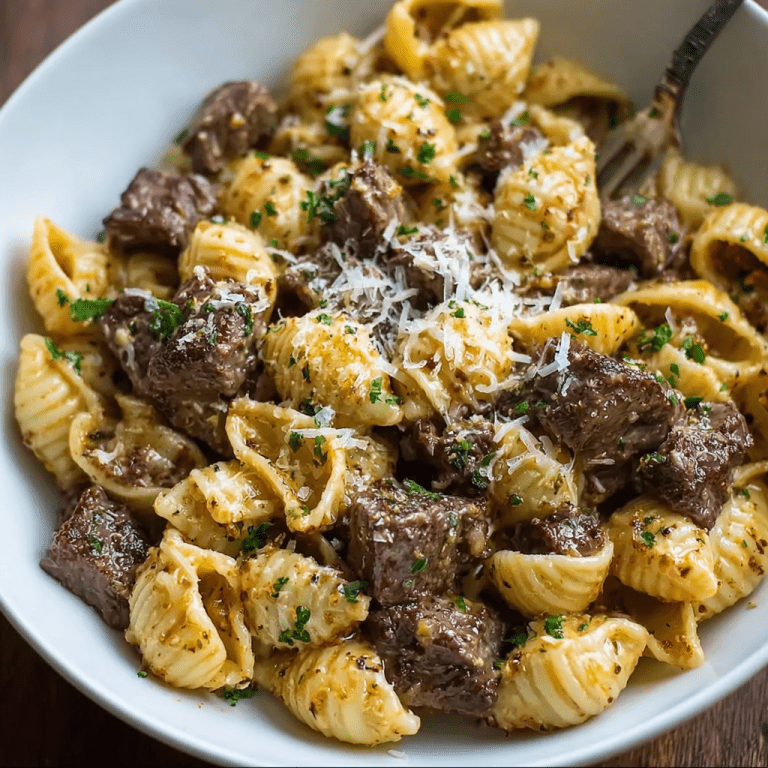
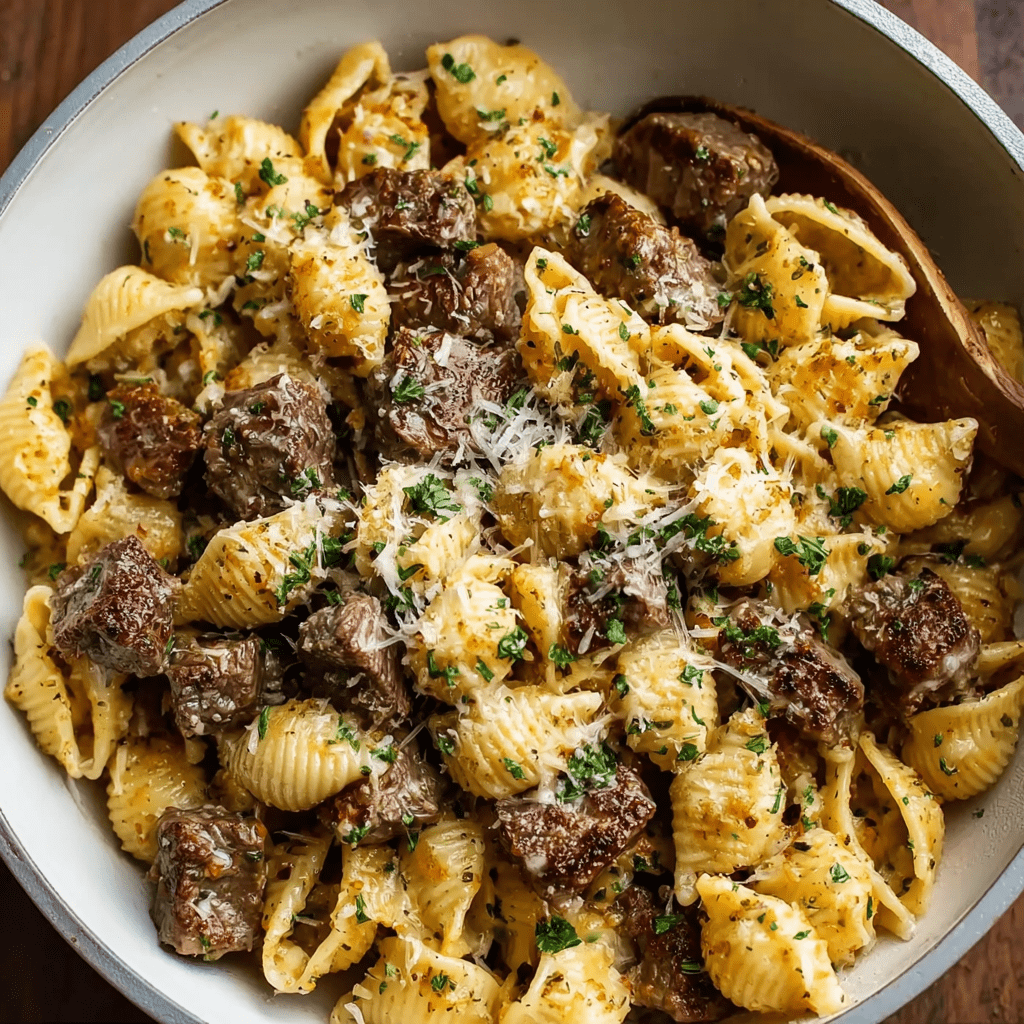
Garlic Butter Steak Bites & Creamy Parmesan Shells is the ultimate surf-and-turf-adjacent comfort feast—a luxurious, restaurant-quality meal that pairs tender, seared garlic butter steak bites with a velvety, rich Parmesan cream sauce enveloping tender pasta shells. This recipe is a celebration of bold, savory flavors and irresistible textures, where juicy, golden-brown cubes of sirloin or ribeye are cooked to perfection in a hot skillet, then tossed in a luscious garlic butter glaze. The magic continues with the creamy Parmesan shells: a simple yet elegant sauce made from butter, garlic, heavy cream, and freshly grated Parmesan, seasoned with a whisper of nutmeg and finished with a splash of reserved pasta water for silky perfection. Together, these two components create a meal that is deeply satisfying, surprisingly easy to execute, and guaranteed to impress.

The brilliance of this recipe lies in the balance of flavors and the dual cooking process. The steak bites are seared hard and fast, locking in juices and creating a beautiful caramelized crust, then finished with a generous amount of garlic butter that coats every piece. The creamy Parmesan shells are cooked separately, allowing you to perfect the sauce—adding a pinch of nutmeg for warmth and a touch of pasta water to achieve that ideal, clingy consistency. Served side by side, with the steak nestled over or beside the pasta, each forkful offers a perfect bite of tender, buttery beef and creamy, cheesy shells. It’s a date-night dinner or a weeknight celebration that comes together in under 30 minutes.

Why You’ll Love This Recipe:

  • Restaurant-Quality at Home: A luxurious, satisfying meal that rivals your favorite steakhouse.
  • Juicy, Tender Steak Bites: Perfectly seared and coated in a rich garlic butter glaze.
  • Velvety, Creamy Parmesan Shells: A luscious sauce that clings to every piece of pasta.
  • Quick and Easy: Ready in about 30 minutes with simple ingredients.
  • Perfect for Date Night or Family Dinner: Elegant enough for company, easy enough for a weeknight.

Ingredients:

For the Steak Bites:*
1.5 lbs sirloin steak or ribeye, cut into 1-inch cubes
1 tablespoon olive oil
Kosher salt, to taste
Freshly ground black pepper, to taste
3 tablespoons unsalted butter
4 cloves garlic, minced
Fresh parsley, chopped (for garnish)

For the Creamy Parmesan Shells:*
8 ounces medium pasta shells
2 tablespoons unsalted butter
2 cloves garlic, minced
1 cup heavy cream
1 cup freshly grated Parmesan cheese
¼ teaspoon garlic powder
¼ teaspoon onion powder
1 pinch ground nutmeg
Reserved pasta water, as needed

Instructions:

Step 1: Cook the Pasta Shells*
Bring a large pot of generously salted water to a boil. Cook the pasta shells according to package directions until al dente. Before draining, reserve ½ cup of the pasta water. Drain the shells and set aside.

Step 2: Make the Creamy Parmesan Sauce*
In the same pot or a large skillet over medium heat, melt the 2 tablespoons of butter. Add the 2 minced garlic cloves and sauté for 30 seconds until fragrant. Pour in the heavy cream and bring to a gentle simmer. Reduce the heat to low and gradually whisk in the grated Parmesan until melted and smooth. Stir in the garlic powder, onion powder, and nutmeg. If the sauce is too thick, add reserved pasta water a tablespoon at a time until it reaches a silky, pourable consistency. Add the cooked shells to the sauce and toss to coat. Cover and keep warm.

Step 3: Prepare the Steak Bites*
Pat the steak cubes completely dry with paper towels. Season generously on all sides with salt and pepper. Heat the olive oil in a large cast-iron or heavy-bottomed skillet over medium-high heat until shimmering. Add the steak cubes in a single layer (work in batches if needed to avoid overcrowding). Sear for 1-2 minutes per side until deeply browned and cooked to your desired doneness (125°F for medium-rare, 135°F for medium).

Step 4: Add Garlic Butter*
Reduce the heat to low. Add the 3 tablespoons of butter and the 4 minced garlic cloves to the skillet with the steak. Toss and stir for 1 minute until the butter is melted and the garlic is fragrant, coating the steak pieces evenly.

Step 5: Assemble and Serve*
Spoon the creamy Parmesan shells onto plates or into shallow bowls. Top with the garlic butter steak bites. Garnish with chopped fresh parsley and serve immediately.

Tips:

  • Pat Steak Dry: Removing surface moisture is essential for a good sear.
  • Don’t Overcrowd the Pan: Cook steak bites in batches if needed. Overcrowding lowers the pan temperature and causes steaming instead of searing.
  • Use Freshly Grated Parmesan: Pre-shredded cheese contains anti-caking agents that prevent smooth melting.
  • Reserve Pasta Water: The starchy water is liquid gold for adjusting the sauce’s consistency and helping it cling to the pasta.
  • Rest the Steak Bites: Let the steak rest for 2-3 minutes after cooking, just like a whole steak, to allow juices to redistribute.

Storage Options:

  • Refrigerator: Store steak bites and pasta separately in airtight containers for up to 3 days.
  • Reheating: Reheat steak bites gently in a skillet over medium-low heat. Reheat pasta with a splash of cream or milk in a saucepan over low heat, stirring frequently.
  • Freezing: The creamy Parmesan sauce may separate upon thawing. The steak bites can be frozen for up to 2 months; thaw and reheat gently.

Garlic Butter Steak Bites & Creamy Parmesan Shells is a decadent, satisfying, and surprisingly quick meal that brings steakhouse luxury to your own table. Perfect for a special dinner or when you just need something truly delicious.

Southern 3-Ingredient Pepper Jelly Dip

0

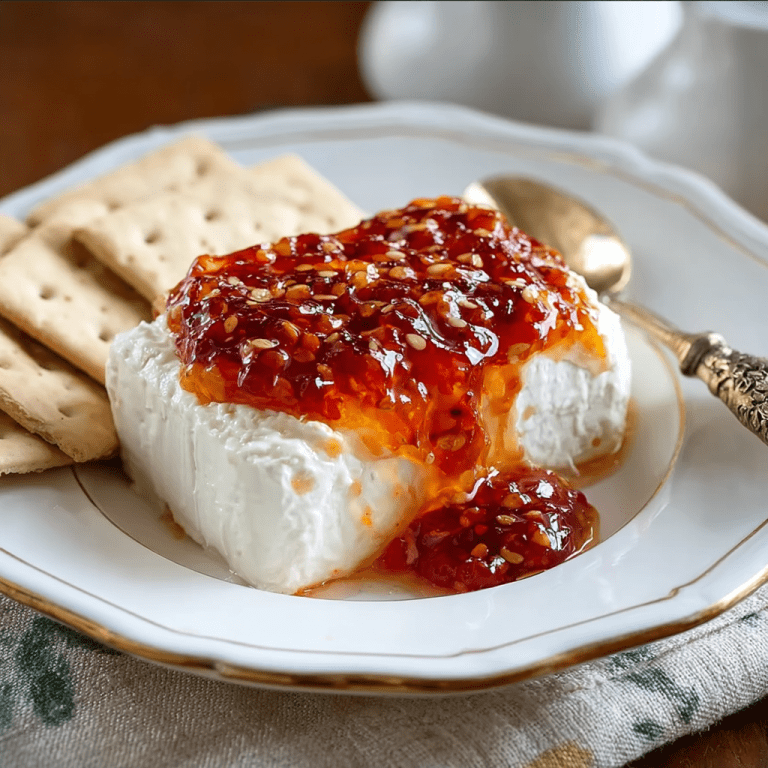
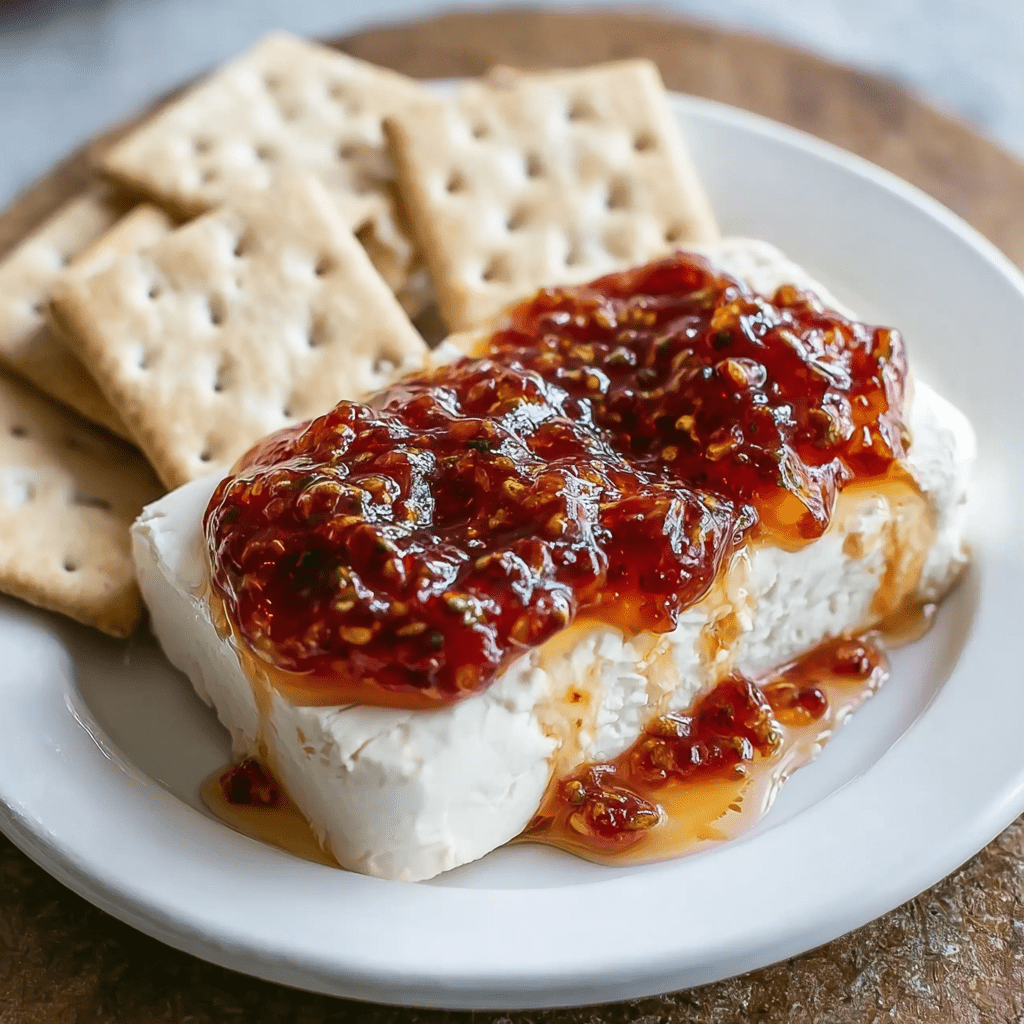
Southern 3-Ingredient Pepper Jelly Dip is the ultimate effortless party appetizer—a creamy, sweet, tangy, and slightly spicy Southern classic that comes together in just minutes with only three simple ingredients. This recipe is a celebration of brilliant simplicity, where a smooth block of cream cheese is transformed into an elegant, crowd-pleasing dip with a generous topping of jewel-toned pepper jelly. The magic begins with the contrast: the rich, cool, velvety cream cheese provides the perfect creamy canvas for the sweet-heat punch of red pepper jelly, which glistens like stained glass and delivers a complex balance of sugar, red bell peppers, and a whisper of chili heat. Served with buttery crackers, each scoop offers a harmonious bite that is at once creamy, sweet, tangy, and just a little spicy.

The brilliance of this dip lies in its stunning presentation and incredible versatility. It’s a no-cook, no-bake wonder that can be assembled in under five minutes on a pretty serving plate, yet it looks and tastes like you fussed for hours. The warm, jewel-toned jelly draped over the snowy white cream cheese is a showstopper on any holiday table, game-day spread, or summer picnic. For a variation, top with crumbled cooked bacon, chopped pecans, or sliced green onions for added texture and flavor. Whether served at a casual gathering or a fancy cocktail party, this Pepper Jelly Dip is guaranteed to be the first thing to disappear from the buffet table—proof that the best recipes are often the simplest.

Why You’ll Love This Recipe:

  • Only 3 Ingredients: Cream cheese, pepper jelly, and crackers—that’s it!
  • No Cooking Required: Ready in minutes with no oven or stove needed.
  • Stunning Presentation: The bright red jelly over white cream cheese looks gorgeous on any table.
  • Perfect Sweet, Tangy, Spicy Balance: Pepper jelly delivers a unique, crowd-pleasing flavor.
  • Endlessly Customizable: Add bacon, nuts, herbs, or serve with different crackers and dippers.

Ingredients:

For the Dip:*
8 ounces full-fat cream cheese block (not whipped)
½ cup red pepper jelly (or hot pepper jelly)

For Serving:*
Buttery crackers, such as Ritz, Town House, or water crackers

Instructions:

Step 1: Prepare the Cream Cheese*
Remove the cream cheese from the refrigerator about 30 minutes before serving to allow it to soften slightly. Place the cream cheese block in the center of a serving plate or small platter.

Step 2: Warm the Pepper Jelly*
If the pepper jelly is thick and firm, warm it briefly in the microwave for 10-15 seconds or stir it vigorously until it becomes loose and spreadable. Do not overheat—it should be pourable, not hot.

Step 3: Assemble the Dip*
Spoon the pepper jelly generously over the cream cheese block, allowing it to cascade down the sides. Spread evenly with the back of a spoon if desired.

Step 4: Serve*
Arrange crackers around the dip on the serving platter. Serve immediately or refrigerate until ready to serve (bring back to room temperature for 15-20 minutes before serving for the best texture).

Tips:

  • Use Block Cream Cheese: Spreadable cream cheese from a tub has a different consistency and won’t hold its shape as well.
  • Full-Fat is Best: Low-fat or non-fat cream cheese lacks the rich, creamy texture that makes this dip irresistible.
  • Choose Quality Pepper Jelly: Look for a brand with a good balance of sweet and heat. Red pepper jelly is classic, but green pepper jelly also works beautifully.
  • Get Fancy: Top with crumbled crispy bacon, chopped toasted pecans or walnuts, sliced green onions, or a sprinkle of fresh parsley.
  • Try Variations: Use jalapeño jelly for more heat, or mix the jelly with a tablespoon of horseradish for an extra kick.

Serving Suggestions:

  • Crackers: Ritz, buttery rounds, water crackers, or wheat crackers.
  • Crostini: Thin slices of toasted baguette.
  • Vegetables: Cucumber rounds, bell pepper strips, or celery sticks for a lighter option.
  • Pretzels: Mini pretzel twists or pretzel chips for a salty crunch.

Storage Options:

  • Refrigerator: Store leftover dip covered in the refrigerator for up to 5 days. The cream cheese will firm up; bring to room temperature for 20 minutes before serving again.
  • Make-Ahead: Assemble the dip up to 24 hours in advance, cover tightly, and refrigerate. Bring to room temperature before serving.
  • Not for Freezing: The cream cheese will become grainy and watery upon thawing.

Southern 3-Ingredient Pepper Jelly Dip is the ultimate stress-free party appetizer—creamy, sweet, spicy, and utterly addictive. It’s proof that sometimes the most memorable dishes come from the simplest combinations. Serve it at your next gathering and watch it disappear!