Crispy Shrimp Casserole

0

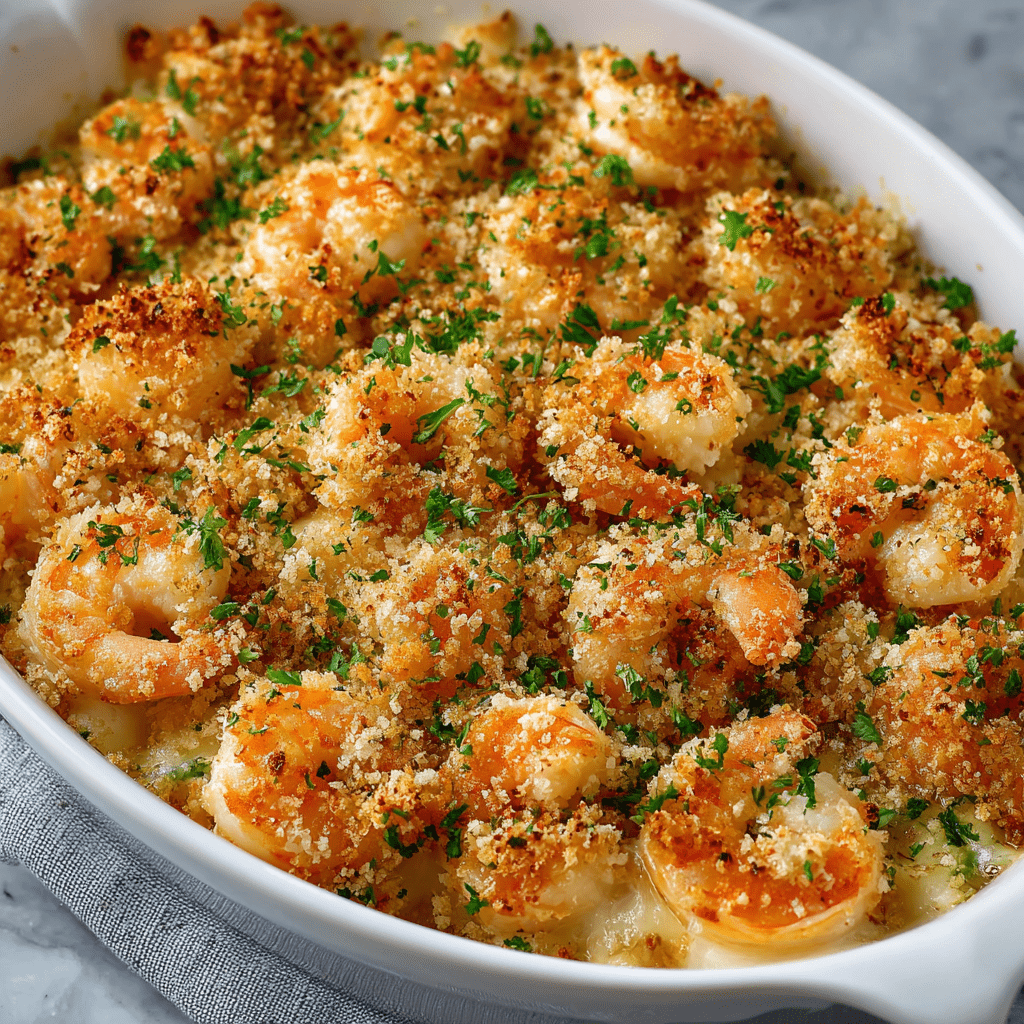
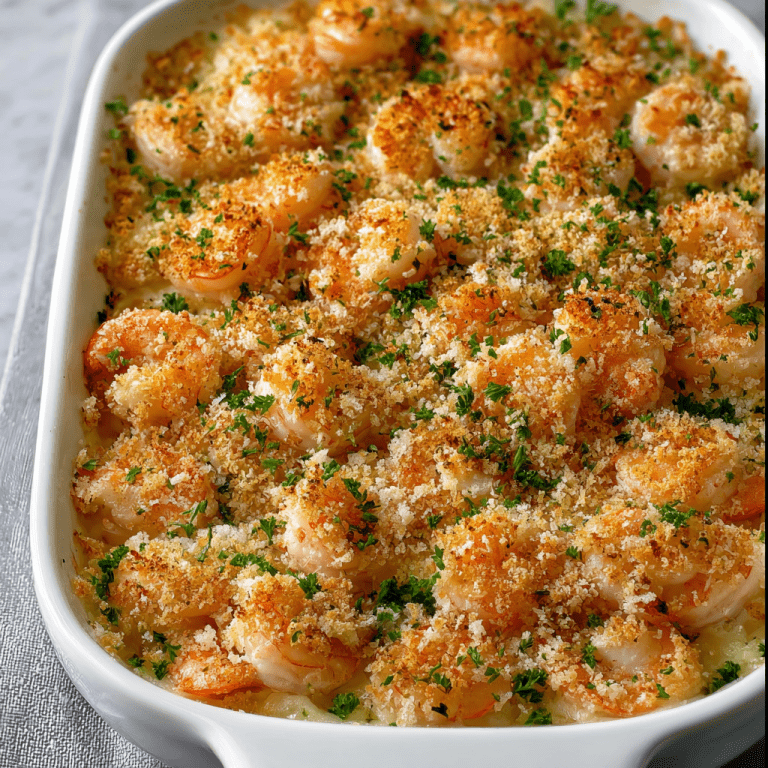
Crispy Shrimp Casserole is a game-changing, one-dish seafood masterpiece that delivers all the rich, creamy, crunchy satisfaction of a decadent shrimp bake with none of the fuss. This recipe is a celebration of bold flavors and irresistible textures, transforming plump, juicy jumbo shrimp into a creamy, garlicky, cheesy casserole, all crowned with a golden, buttery panko crust. The magic begins with a simple yet brilliant coating: shrimp are tossed in a mixture of mayonnaise, Old Bay seasoning, garlic, and black pepper, creating a creamy, tangy, and perfectly spiced base that keeps the shrimp incredibly moist as they bake. The addition of grated mozzarella and Parmesan transforms the mixture into a luscious, cheesy sauce that clings to every piece of shrimp.

The brilliance of this recipe lies in its stunning texture contrast and lightning-fast preparation. The creamy, cheesy shrimp layer bakes into a bubbling, savory center, while the buttery panko topping turns shatteringly crisp and golden under the heat of the oven. A final optional minute under the broiler takes that crunch to the next level, creating a crust that will have everyone fighting over the corner pieces. Ready in under 30 minutes, this casserole is elegant enough for a dinner party yet simple enough for a busy weeknight. Serve it over rice, pasta, or with crusty bread to soak up every bit of that creamy, garlicky sauce. It’s a dish that proves shrimp isn’t just for fancy occasions—it’s for any night you crave something truly spectacular.

Why You’ll Love This Recipe:

  • Incredibly Creamy, Crispy, and Cheesy: A luxurious shrimp bake with a golden, crunchy panko topping.
  • Bold, Tangy, Old Bay Flavor: The classic seafood seasoning shines in the creamy mayonnaise base.
  • Lightning-Fast: Ready in under 30 minutes from prep to plate.
  • Minimal Prep, Maximum Impact: One bowl, one baking dish, and simple ingredients create an impressive meal.
  • Perfect for Company or Weeknights: Elegant enough for guests, easy enough for a Tuesday.

Ingredients:

For the Shrimp Mixture:*
2 pounds jumbo shrimp (16/20 count), peeled and deveined (tails optional)
⅔ cup full-fat mayonnaise
1 teaspoon Old Bay seasoning
2 cloves garlic, minced
½ teaspoon freshly ground black pepper
1 cup shredded mozzarella cheese
¼ cup freshly grated Parmesan cheese

For the Crispy Topping:*
1 tablespoon unsalted butter, melted
½ cup panko breadcrumbs

For Garnish:*
Fresh parsley, finely chopped (optional)

Instructions:

Step 1: Preheat Oven and Prepare Dish*
Preheat your oven to 375°F (190°C). Lightly grease a 2-quart baking dish with butter or nonstick spray.

Step 2: Prepare the Shrimp Mixture*
In a large bowl, combine the peeled and deveined shrimp, mayonnaise, Old Bay seasoning, minced garlic, and black pepper. Stir until the shrimp are evenly coated.

Step 3: Add the Cheese*
Add the shredded mozzarella and grated Parmesan to the shrimp mixture. Stir until well combined.

Step 4: Transfer to Baking Dish*
Transfer the shrimp mixture to the prepared baking dish, spreading it into an even layer.

Step 5: Make the Crispy Topping*
In a small bowl, mix the melted butter with the panko breadcrumbs until the crumbs are evenly moistened. Sprinkle the panko mixture evenly over the shrimp mixture.

Step 6: Bake*
Bake for 15-20 minutes, until the shrimp are just cooked through (internal temperature of 145°F / 63°C) and the topping is golden brown and crisp.

Step 7: Optional Broil for Extra Crisp*
For an even deeper golden crust, turn the oven to HIGH broil and broil for 1-2 minutes, watching closely to prevent burning.

Step 8: Garnish and Serve*
Remove from the oven and let rest for 2-3 minutes. Garnish with fresh parsley if desired. Serve hot.

Tips:

  • Don’t Overcook the Shrimp: Shrimp cook quickly. They are done when they are pink, opaque, and curl into a loose C-shape. Overcooked shrimp become rubbery.
  • Freshly Grate Your Parmesan: Pre-grated Parmesan often contains anti-caking agents that affect melting. Grating from a block ensures a smoother, creamier result.
  • Use Jumbo Shrimp: Larger shrimp hold up better in a casserole and provide a more satisfying bite.
  • Customize the Seasoning: Add a pinch of cayenne for heat, smoked paprika for depth, or a squeeze of lemon juice for brightness.
  • Make it a Meal: Serve over rice, orzo, couscous, or with crusty bread to soak up the creamy sauce.

Storage Options:

  • Refrigerator: Store leftovers in an airtight container in the refrigerator for up to 3 days.
  • Reheating: Reheat gently in a 325°F (165°C) oven until warmed through. The microwave will work but may make the shrimp rubbery and the topping soft.
  • Freezing: Not recommended, as the texture of the shrimp and creamy sauce will change significantly upon thawing.
  • Make-Ahead: Assemble the casserole (without the panko topping), cover, and refrigerate for up to 24 hours. Add the topping just before baking.

Crispy Shrimp Casserole is a creamy, crispy, cheesy revelation. With its bold Old Bay flavor, tender shrimp, and golden panko crust, it’s a dish that feels special yet comes together with almost no effort. Perfect for any night you want to treat yourself.

11 Condiments You Don’t Need to Refrigerate (And Why Your Fridge Will Thank You)

0

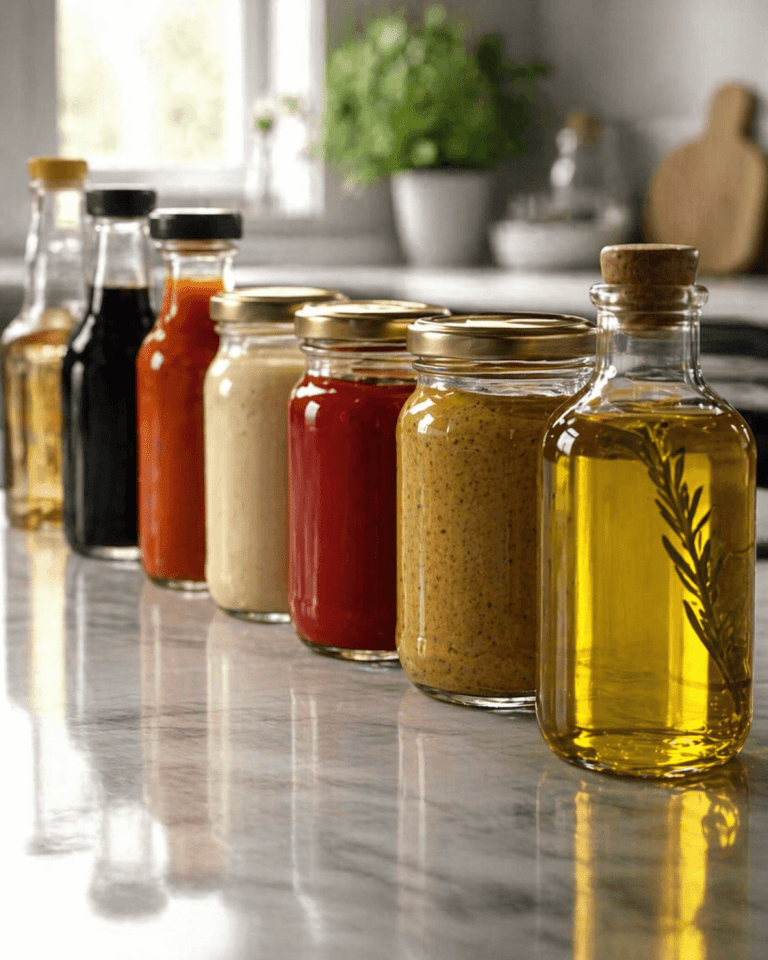
You ever open your fridge and just stare at that crowded door shelf like it’s mocking you? Bottles stacked behind bottles, half of which you haven’t touched since last summer’s BBQ. It’s a whole sauce traffic jam in there.

Well, here’s a little something nobody told us growing up: not everything needs to be refrigerated. I know, I know—we’ve all been there, instinctively tossing every open bottle into the fridge like it’s some kind of food safety boot camp. But truth is, some of those condiments? They’re better off room temp. Like, way better.

Let me explain.

1. Soy Sauce – Just Leave It Be

If soy sauce had a personality, it’d be that low-maintenance friend who never needs anything. It’s salty, fermented, and practically built to last. Stick it in a cool, dark cabinet and it’ll hold up for a couple of years easy. The fridge? It just mutes all that lovely umami. So unless you’re living in a sauna, let it live in the pantry.

2. Ketchup – It’s Fine on the Shelf (Really)

People fight over this one. Some swear it has to be refrigerated. But here’s the deal: ketchup’s got enough acidity to stay safe out on the counter for a good month. If you’re going through it pretty fast—say, burgers once a week?—the fridge is just crowding things up. Though if your bottle tends to linger, okay, cold it is.

3. Hot Sauce – Keep the Heat in the Pantry

Putting hot sauce in the fridge is like sending a firecracker to a snowball fight. Most hot sauces are vinegar-based with plenty of salt, so they’re safe out and about. Plus, the cold can make them taste… flat. Unless it’s one of those fancy ones with fresh fruit or garlic—those might need chilling. Otherwise? Let it stay spicy on the shelf.

4. Mustard – Not As Picky As You Think

Mustard’s another one with a little vinegar magic going on. It can sit in your pantry for a good couple of months before it even thinks about turning. And let’s be honest, spreading mustard straight from the fridge is kind of a pain. Keep it room temp, and your sandwiches will thank you.

5. Honey – Practically Immortal

Honey doesn’t spoil. Like, ever. Archaeologists found pots of honey in ancient tombs that were still edible. (Can you imagine?) But put it in the fridge, and it’ll turn gritty and crystallized. Not dangerous, just annoying. Keep it sealed tight in the cupboard and it’ll stay smooth and golden for years.

6. Peanut Butter – Stop Giving It the Cold Shoulder

Natural peanut butter gets a little oily up top, sure. But that’s normal. Just stir it up. Stick it in the fridge and suddenly it’s a rock-solid block you can’t even spread on toast without tearing the bread. Keep it in a cool spot, use it up in a couple months, and you’ll be just fine.

7. Olive Oil – No, No, No

You know that cloudy, chunky olive oil you pulled out of the fridge? That’s what happens when it gets too cold. It’s not spoiled, but it’s definitely annoying. Olive oil is like a delicate flower—it wants to be kept in the dark, away from heat, and left alone. Pantry’s perfect.

8. Vinegar – Born to Last

White vinegar, apple cider, red wine vinegar… doesn’t matter. It’s all shelf-stable and happy to hang out at room temperature. It’s basically its own preservative. So unless you’re making some wild infusion with fresh herbs or fruit, no need to take up fridge space.

9. Maple Syrup – A Bit of a Diva

Okay, this one’s a little tricky. Unopened maple syrup? Pantry all the way. Once you crack that seal, most folks stick it in the fridge to be safe. But here’s a little secret: if you go through it quickly (ahem, weekend waffle warriors), you can leave it out for a few weeks with no drama. Just keep an eye on it and don’t let it sit open for ages.

10. Jam – Sweet Enough to Handle It

Jam, jelly, preserves—they’ve got enough sugar to keep them safe on the shelf for a few weeks. Sugar acts like a bouncer at the bacteria club. So if you’re someone who uses jam regularly (toast lovers unite), don’t feel like you have to refrigerate it right away. Just screw the lid on tight.

11. Worcestershire Sauce – Funky and Fearless

Worcestershire is a strange little mix of vinegar, molasses, anchovies (yep), and all kinds of goodies. It’s got enough going on to stay fresh in the pantry for a long time—up to a year, even after opening. Honestly, it might even taste better without the chill.

So… What Does Belong in the Fridge?

Anything with dairy, fresh herbs, or anything homemade with no preservatives? Yeah, better safe than sorry. But if it’s salty, vinegary, sugary, or fermented—it’s probably just fine right there in the cupboard.

Next time you declutter your fridge (because let’s be real, it’s overdue), check those bottles. Some of them might be begging for freedom.

And hey—your fridge door? It deserves to breathe, too.

The Plastic Bottle Sitting in Your Bin? It’s Way More Useful Than You Think

0

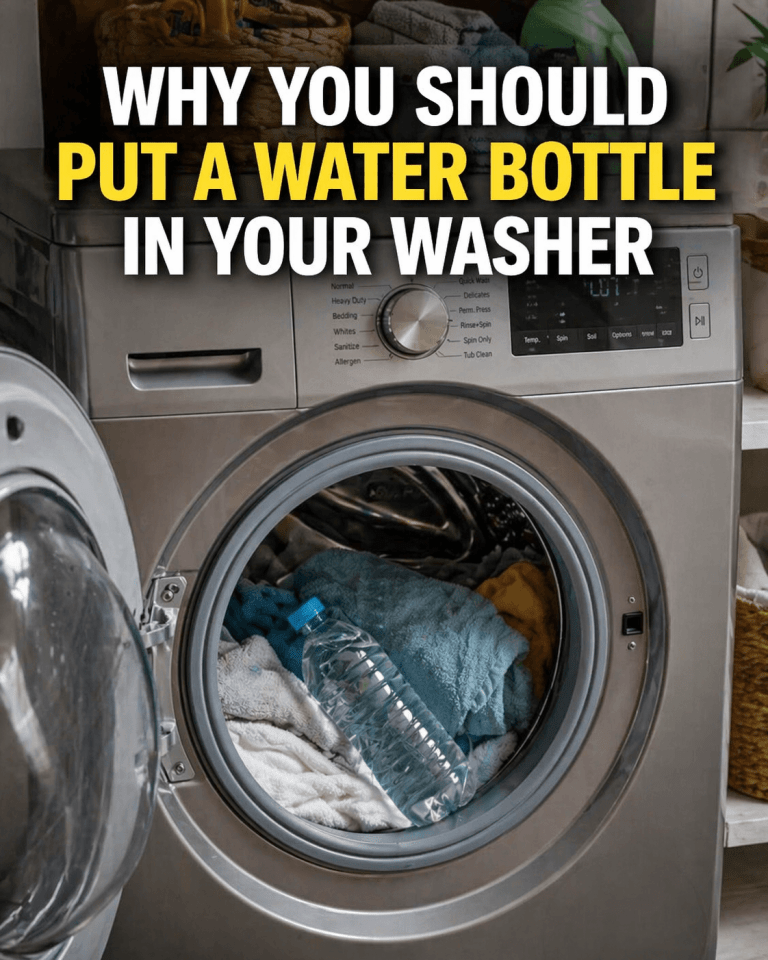
You know that plastic bottle you just tossed into the recycling bin—the one that held water, soda, or maybe juice? It looks like nothing. Light, empty, forgettable. Honestly, most of us don’t give it a second thought.

But here’s the thing… that bottle might be one of the most quietly useful objects in your home.

Not in a “Pinterest craft” kind of way. Not in a “you’ll never actually do this” kind of way either. I mean genuinely useful. The kind of simple fixes that solve small, annoying problems—the ones you didn’t even realize had easy solutions.

And once you see it, you kind of can’t unsee it.

Because plastic bottles aren’t just disposable containers. They’re durable, waterproof, surprisingly strong, and—this is the part people overlook—they’re already shaped in ways that make them perfect for everyday tools.

No special skills needed. No complicated setup. Just a pair of scissors, maybe a heated nail, and a few minutes.

Let me show you what I mean.

Let’s Start With the One That Feels Almost Too Smart

A Drip Irrigation System That Runs Itself

This one catches people off guard. It sounds like something you’d need to buy… but you don’t.

Take a plastic bottle. Make one or two tiny holes in the cap. Fill it with water, screw the cap back on, and place it upside down in the soil next to your plant.

That’s it.

The water drips slowly—really slowly—directly into the roots. No splashing. No waste. No evaporation stealing half of it before it even reaches the plant.

And the best part? It keeps going for hours… sometimes days.

  • Small bottle → 1–2 days
  • Large bottle → up to 3–4 days

So if you’ve ever worried about leaving your plants while traveling, or even just forgetting to water them (it happens), this quietly solves that problem.

Honestly, it’s one of those “why didn’t I think of this earlier?” tricks.

Now Imagine Protecting Plants With… a Bottle

A Mini Greenhouse That Costs Literally Nothing

Cut the bottom off a large bottle, and suddenly you’ve got a tiny greenhouse.

Place it over a young plant or seedling, and something interesting happens. The air inside warms up slightly. The wind gets blocked. The temperature swings aren’t as harsh.

It’s not magic—but it feels close.

Gardeners use these all the time, especially during early spring when the weather can’t quite make up its mind. Cold nights, warm days, random wind—it’s a mess for young plants.

This little plastic dome creates a buffer.

  • Keep the cap on → traps heat
  • Remove the cap → lets air flow

Simple adjustment, real difference.

And yes, it extends your growing season a bit. Maybe not dramatically—but enough to matter.

Here’s Where Things Get Clever

A Self-Watering Planter That Feeds Itself

This one uses something called capillary action—don’t worry, it’s simpler than it sounds.

Cut a bottle in half.

  • Bottom half = water reservoir
  • Top half (flipped upside down) = soil and plant

Now thread a piece of fabric or cotton through the neck of the bottle so it dips into the water below.

That fabric slowly pulls water upward into the soil.

No overwatering. No guessing. No dry soil surprises.

You just refill the bottom every few days and… that’s it.

It’s especially great for:

  • Herbs on a windowsill
  • Small indoor plants
  • Balconies where watering is annoying

And if you’ve ever accidentally killed a plant by either drowning it or forgetting it existed—this helps balance things out.

A Small Upgrade That Makes a Big Difference

Turn a Bottle Into a Gentle Watering Can

If you’ve ever watered seedlings with too much force, you already know how easy it is to ruin them.

They’re fragile. One strong pour, and suddenly the soil shifts, roots get exposed, and everything looks… sad.

Now try this:

Poke several small holes in a bottle cap. Fill the bottle with water. Squeeze gently.

You get a soft, even spray. Almost like rain.

It’s controlled. It’s light. It works.

And you didn’t have to buy anything.

You can even adjust it:

  • More holes → wider spray
  • Fewer holes → slower flow

It’s one of the simplest ideas on this list—and weirdly one of the most useful.

Not Just for Plants, Though…

A Bird Feeder That Takes 10–15 Minutes

You don’t need a store-bought feeder.

Take a larger bottle, cut small openings near the bottom, and slide wooden spoons or sticks through it so they act as perches.

Fill the bottle with birdseed, hang it up, and you’re done.

The seed naturally trickles out as birds eat, and the bottle keeps everything dry when it rains.

And if you’re into hummingbirds, there’s an even easier option—just attach a feeder nozzle that screws onto the bottle.

A bit of sugar water (1:4 ratio), and suddenly you’ve got visitors.

Let’s Talk About the Unexpected Ones

A Garden Scoop You Didn’t Know You Needed

Cut a bottle diagonally, and you get a scoop with a handle.

Sounds basic… but it works really well.

  • Potting soil
  • Compost
  • Fertilizer
  • Even pet food or grains

The shape is already perfect for it. Lightweight, sturdy, easy to hold.

It’s not fancy. But it’s one of those things you keep using once you make it.

A Slightly Brutal—but Effective—Solution

A Slug Trap That Actually Works

If you garden long enough, you’ll deal with slugs.

And honestly… they’re persistent.

Cut a bottle in half, bury the bottom slightly into the soil, and pour in a bit of beer.

That’s it.

Slugs are drawn to it. They fall in. They don’t come out.

Not glamorous—but effective. And chemical-free.

If that’s not your style, there’s a gentler version: use part of the bottle as a barrier around plants. It physically blocks pests from reaching the stem.

Same bottle. Different approach.

When Space Is Tight, This One Changes Everything

A Vertical Garden From “Nothing”

No backyard? No problem.

Plastic bottles can be mounted on a wall, fence, or simple frame. Cut openings, add soil, plant your herbs or greens—and suddenly your garden goes vertical.

Which is kind of brilliant when you think about it.

Instead of spreading out, you stack upward.

People use this for:

  • Lettuce
  • Strawberries
  • Herbs
  • Small flowers

And it works especially well in apartments or small patios where space is limited.

It’s not just practical—it can actually look pretty good too, depending on how you arrange it.

So… Why Does This Work So Well?

Here’s the interesting part.

Plastic bottles weren’t designed for any of this. And yet, they fit into all these roles almost perfectly.

Why?

Because of their structure:

  • Lightweight but strong
  • Waterproof
  • Easy to cut and shape
  • Food-safe (in most cases)
  • Already designed to hold and control liquids

They’re basically pre-made tools hiding in plain sight.

We just don’t think of them that way.

A Small Shift That Adds Up

You don’t have to reuse every bottle. That’s not realistic.

But maybe you keep a few instead of tossing them all.

Maybe one becomes a watering tool. Another turns into a planter. One more helps your plants survive a hot week.

It’s not about being perfect. It’s about being a little more resourceful.

And honestly… once you start doing this, you’ll catch yourself looking at everyday objects differently.

That’s when it gets interesting.

Before You Toss the Next One…

Pause for a second.

Could it solve a problem instead?

Sometimes the simplest tools are the ones we almost threw away.

Garlic Lemon Oven-Baked Zucchini

0

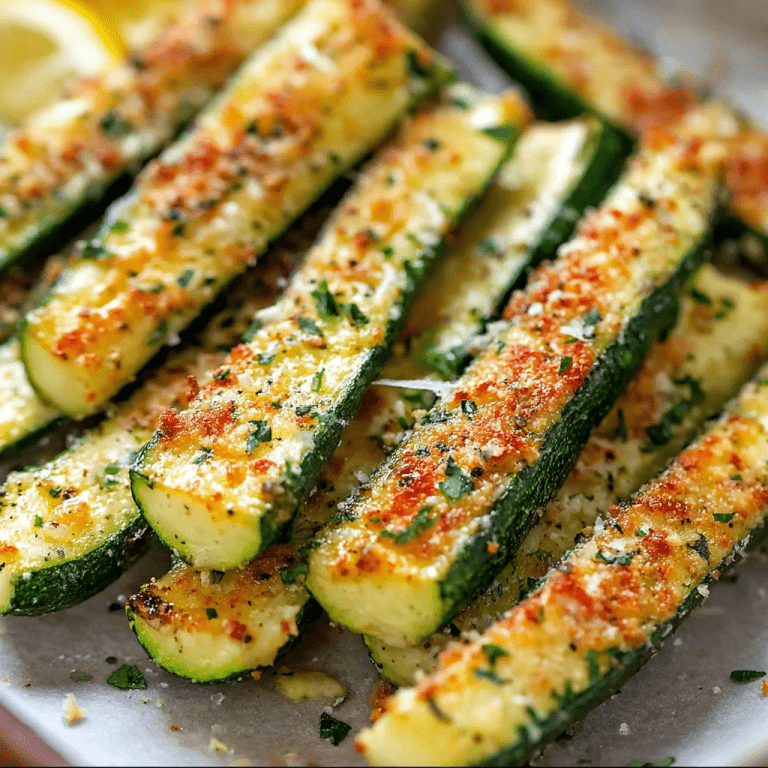
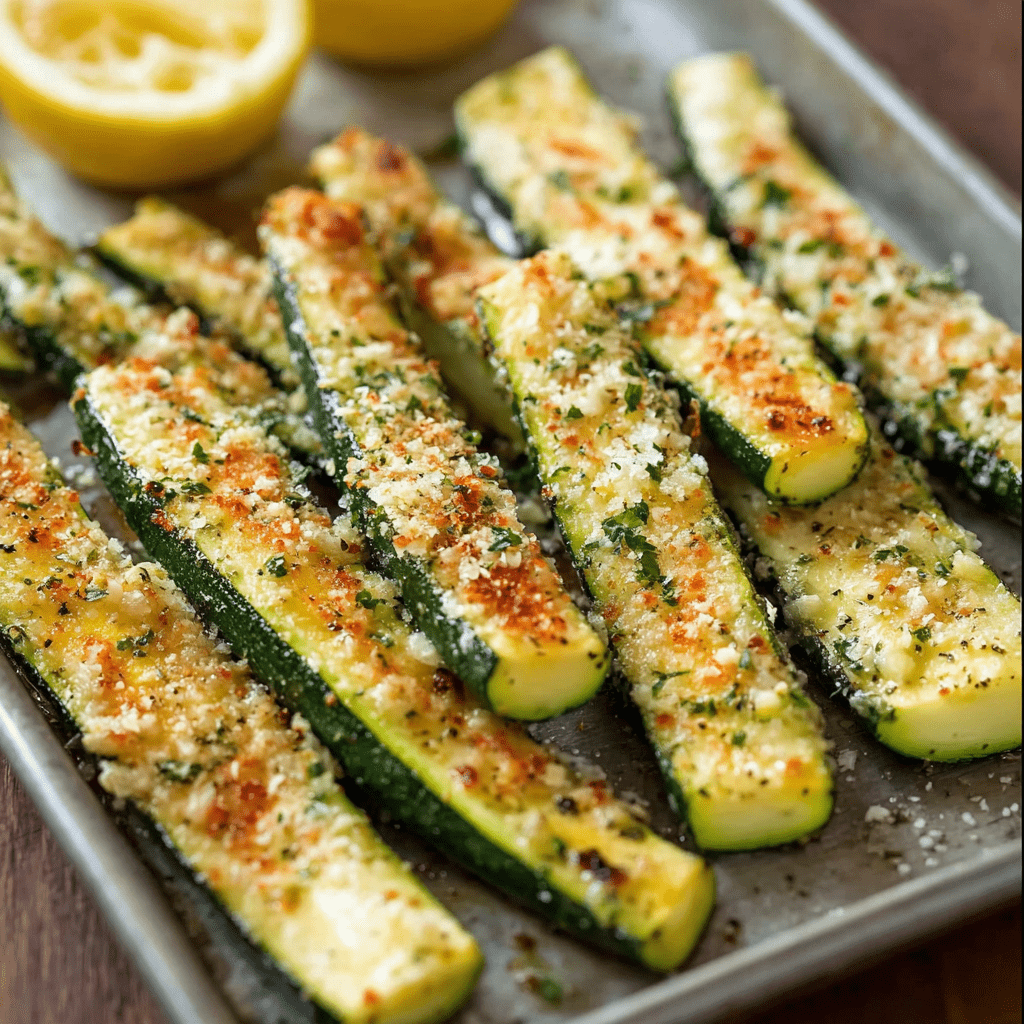
Garlic Lemon Oven-Baked Zucchini is the perfect example of how a few simple ingredients can transform humble zucchini into a bright, flavorful, and irresistibly savory side dish. This recipe is a celebration of fresh, clean flavors—tender zucchini spears are brushed with a zesty mixture of lemon juice and minced garlic, then roasted until golden and finished under the broiler for a beautifully charred, caramelized exterior. The magic begins with quartering the zucchini into spears, which creates more surface area for the garlic-lemon mixture to cling to and allows for even roasting. A simple brush of lemon juice and garlic infuses each piece with bright, tangy, aromatic flavor, while a sprinkle of salt and pepper enhances the vegetable’s natural sweetness.

The brilliance of this recipe lies in its two-stage cooking method. Roasting at 350°F gently cooks the zucchini through, making it tender without becoming mushy. A final few minutes under the broiler adds a gorgeous roasted look and a slightly charred, smoky flavor that elevates the dish from simple to spectacular. The result is a side dish that is light, healthy, and bursting with flavor—perfect alongside grilled chicken, fish, steak, or as a vegetarian main over rice or quinoa. With minimal ingredients and just 30 minutes from prep to plate, this Garlic Lemon Oven-Baked Zucchini is destined to become a weeknight favorite.

Why You’ll Love This Recipe:

  • Bright, Fresh, Garlicky Flavor: Lemon and garlic are a perfect match for tender, roasted zucchini.
  • Healthy and Light: A low-carb, gluten-free, and vegetarian side dish that doesn’t skimp on flavor.
  • Quick and Easy: Ready in about 30 minutes with minimal prep and simple ingredients.
  • Beautiful Caramelized Finish: The broiler adds a gorgeous roasted look and depth of flavor.
  • Versatile Side Dish: Pairs beautifully with chicken, fish, steak, pasta, or rice.

Ingredients:

For the Zucchini:*
2 medium zucchini
3 tablespoons fresh lemon juice (about 1 large lemon)
3 tablespoons minced garlic (about 6-8 cloves)
1 teaspoon kosher salt
1 teaspoon freshly ground black pepper
Parchment paper

Instructions:

Step 1: Preheat Oven and Prepare Baking Sheet*
Preheat your oven to 350°F (175°C). Line a large baking sheet with parchment paper.

Step 2: Prepare the Zucchini*
Wash and dry the zucchini. Cut off the ends, then cut each zucchini in half crosswise. Cut each half lengthwise into 3 or 4 wedges to create quartered spears. For smaller zucchini, cut into halves or thirds as needed.

Step 3: Arrange on Baking Sheet*
Place the zucchini spears on the prepared baking sheet in a single layer, ensuring they are not overcrowded.

Step 4: Make the Garlic Lemon Mixture*
In a small bowl, combine the fresh lemon juice and minced garlic. Stir to blend.

Step 5: Brush the Zucchini*
Using a pastry brush or a grill brush, generously brush the garlic lemon mixture over all sides of the zucchini spears.

Step 6: Season*
Sprinkle the zucchini evenly with the kosher salt and black pepper.

Step 7: Bake*
Bake in the preheated oven for 20 minutes.

Step 8: Broil for Finish*
Remove the baking sheet from the oven. Turn the oven to HIGH broil. Return the baking sheet to the oven and broil for 8-10 minutes, watching closely to prevent burning, until the zucchini is tender, lightly charred on the edges, and has a beautiful roasted appearance.

Step 9: Serve*
Remove from the oven and let cool for 2-3 minutes. Serve warm.

Tips:

  • Don’t Overcrowd: Leave space between the zucchini spears to ensure even roasting and browning. Use two baking sheets if needed.
  • Fresh Garlic is Best: Freshly minced garlic provides a much brighter, more pungent flavor than jarred or powdered garlic.
  • Watch the Broiler: Broilers can vary in intensity. Stay nearby and rotate the pan if needed to prevent burning.
  • Adjust to Your Taste: Add a sprinkle of red pepper flakes for heat, or fresh parsley or dill for a pop of color.
  • Use a Grill Brush: A grill brush is perfect for evenly distributing the garlic and lemon into the crevices of the zucchini spears.

Storage Options:

  • Refrigerator: Store leftovers in an airtight container in the refrigerator for up to 3 days.
  • Reheating: Reheat in a 350°F (175°C) oven or air fryer for 5-7 minutes to restore crispness. The microwave will make them soft.
  • Not for Freezing: The texture of zucchini becomes watery and mushy upon thawing.
  • Make-Ahead: This dish is best enjoyed fresh, but you can prep the zucchini and make the garlic lemon mixture up to a day in advance.

Garlic Lemon Oven-Baked Zucchini is a simple, healthy, and incredibly flavorful side dish that proves you don’t need complicated ingredients or techniques to create something delicious. With its bright, zesty flavor and tender, slightly charred texture, it’s a perfect addition to any meal.

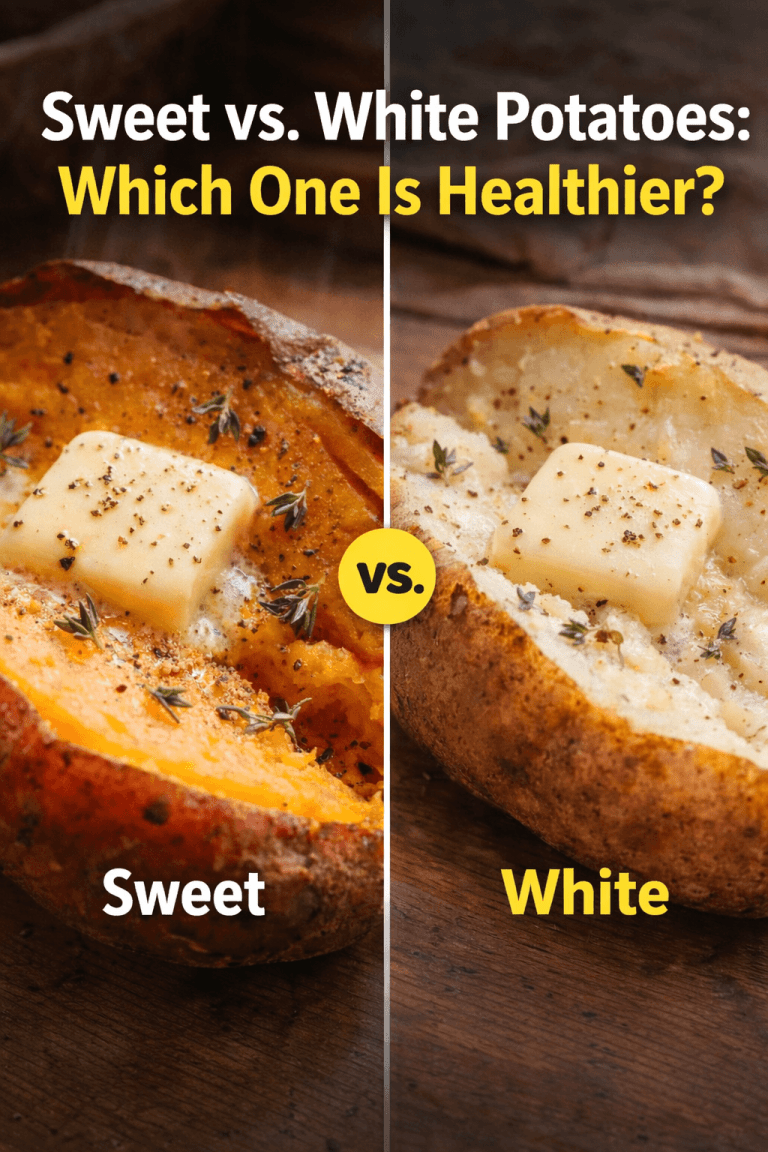
Sweet Potatoes vs. Regular Potatoes: Which One’s Actually Healthier?

0

There are a few food debates that never really go away. Peanut butter—smooth or crunchy. Pancakes—thin or fluffy. And then there’s the potato question, which somehow manages to feel both nerdy and deeply personal at the same time: sweet potatoes or regular potatoes… which one’s healthier?

If you’ve ever stood in the produce aisle holding a russet in one hand and an orange sweet potato in the other like you’re choosing between two job offers, you’re not alone. Potatoes are comfort food. They’re also a practical staple—cheap, filling, easy to store, and honestly kind of hard to mess up unless you forget them in the oven (been there).

Here’s the thing: both sweet potatoes and regular potatoes can be excellent choices. They’re not nutritional villains. They’re not miracle foods either. They’re just… very useful, very satisfying vegetables that get judged mostly by what we do to them—hello, sour cream mountain and deep fryer.

So let’s talk about what really separates them, how each supports different health goals, and how to choose without turning dinner into a math problem.

First, a Quick “Are They Even Related?” Moment

Despite the shared name, sweet potatoes and regular potatoes aren’t close relatives. Sweet potatoes belong to the morning glory family (Convolvulaceae). Regular potatoes belong to the nightshade family (Solanaceae), along with tomatoes, eggplant, and peppers.

That difference matters less for the average eater and more for people who track food sensitivities or follow certain elimination diets. But it does help explain why they behave differently in the kitchen and why their nutrient profiles aren’t identical.

Also: yams are a whole different thing. In the U.S., we often call orange sweet potatoes “yams,” but true yams are starchier, drier, and far less common in most American grocery stores.

The Big Picture: Calories, Carbs, and the “Why Am I Still Hungry?” Factor

Let’s keep this simple and real-life friendly.

Both sweet potatoes and regular potatoes are primarily carbohydrate-based foods. They’re starchy vegetables, meaning they can absolutely fit into balanced eating, but they’ll contribute more carbs than, say, broccoli or zucchini.

In a typical 100-gram serving cooked:

  • Sweet potatoes land around the mid-80s calories
  • Regular potatoes come in a little lower, usually around the high-70s

So if you’ve heard “sweet potatoes are lower calorie,” it’s not really a dramatic difference. It’s close enough that toppings and cooking method make a bigger impact than the potato itself.

Where you may notice a difference is fiber. Sweet potatoes tend to have a bit more fiber than regular potatoes, especially if you eat the skin. Fiber is one of those unglamorous nutrients that quietly does a lot of heavy lifting—digestion, fullness, blood sugar steadiness, and overall gut health.

But let me say this plainly: a plain baked potato (skin on) can also be very filling and fiber-friendly. It’s not a junk food unless we dress it like a loaded nacho situation.

Vitamins and Minerals: They Each Have Their “Best Supporting Actor” Nutrients

This is where sweet potatoes usually win the popularity contest, and I understand why. They’re orange, they’re sweet, and nutrition headlines love a bright-colored hero.

Sweet potatoes: the vitamin A superstar

Orange-fleshed sweet potatoes are rich in beta-carotene, which your body converts into vitamin A. Vitamin A supports:

  • Vision (especially night vision)
  • Immune function
  • Skin and cell health

If you don’t eat many orange or dark green vegetables, sweet potatoes are a very easy way to boost vitamin A intake without trying too hard. Honestly, they’re like the reliable coworker who always brings snacks to the meeting.

Sweet potatoes also contribute:

  • Vitamin C
  • Potassium
  • Manganese
  • Some B vitamins

And if you’ve ever tried a purple sweet potato? Those bring different antioxidants (we’ll get to that).

Regular potatoes: the potassium and vitamin C workhorse

Regular potatoes don’t get enough credit. They’re a solid source of:

  • Potassium (important for blood pressure and muscle function)
  • Vitamin C (yes, really—especially in certain varieties)
  • Vitamin B6 (helps with metabolism and brain function)

Regular potatoes also have some iron, and while it’s not an iron supplement by any means, every little bit helps—especially if your diet is light on red meat or legumes.

One note that matters: much of the fiber and nutrients sit near the skin, so peeling potatoes can lower the nutrition payoff. If you can tolerate the texture, keeping skins on is a simple win.

Blood Sugar Talk: Glycemic Index Is Real… But It’s Not the Whole Story

A lot of folks choose sweet potatoes because they’ve heard they’re “better for blood sugar.” That can be true, but it depends on the type and how it’s cooked.

In general, sweet potatoes often have a lower glycemic index (GI) than regular potatoes. A lower GI means blood sugar may rise more slowly after eating. That can matter for people managing diabetes, prediabetes, insulin resistance, or even just energy crashes after lunch.

But here’s where it gets messy—in a normal, human way.

Cooking method changes everything.

  • Boiling tends to keep GI lower
  • Roasting can raise it
  • Mashing can raise it (more surface area, faster digestion)
  • Frying adds fat (which can slow glucose response but adds calories and can be harder on heart health depending on oils and portion size)

And then there’s the big factor most people forget: what you eat with the potato.

A potato eaten with protein, healthy fat, and fiber (think: salmon + greens + baked potato) affects blood sugar differently than a potato eaten alone. Add beans, Greek yogurt, a little olive oil, or chicken? Your body processes it more gradually.

So yes, sweet potatoes often have an edge here—but it’s not a free pass to eat sweet potato fries every day and call it “health food.”

Antioxidants: Color Matters, But So Does the Skin

Sweet potatoes bring antioxidants, especially:

  • Beta-carotene in orange varieties
  • Anthocyanins in purple varieties (the same general antioxidant family found in blueberries)

These compounds help protect cells from oxidative stress—basically wear-and-tear on the body. Do antioxidants “fix everything”? No. But diets rich in colorful plant foods are consistently linked with better long-term health outcomes. It’s not magic; it’s patterns over time.

Regular potatoes have antioxidants too, especially in:

  • Red potatoes
  • Purple potatoes
  • And yes, the skin

Potato skins contain beneficial plant compounds and fiber, but people toss them like they’re just packaging. If you enjoy the texture, skins are worth keeping.

Fullness and Weight Goals: The Real Enemy Is Often What Goes on Top

If your goal is weight management, potatoes can actually be helpful because they’re filling.

You know what’s funny? Potatoes often rank high on satiety indexes—meaning they tend to keep people full. That’s one reason they’ve been a staple food for so many cultures. They’re affordable energy that satisfies.

But. There’s always a “but.”

The common potato problem isn’t the potato. It’s the extras:

  • Butter + sour cream + cheese
  • Fry oil + salty coatings
  • Giant portions served as the main event instead of part of a balanced plate

Sweet potatoes can also get treated like dessert: brown sugar, marshmallows, candied glazes. Delicious? Absolutely. Everyday “health move”? Not exactly.

A better approach is to treat potatoes like a base and build the meal like you’d build a budget:

  • some protein
  • a lot of vegetables
  • a reasonable portion of starch
  • a little fat for satisfaction

That’s the boring answer. It’s also the one that works.

Fiber and Gut Health: Small Differences, Meaningful Results

Sweet potatoes tend to have slightly more fiber than regular potatoes, especially if eaten with the skin. Fiber helps:

  • Keep digestion regular
  • Feed beneficial gut bacteria
  • Support cholesterol and blood sugar control
  • Increase fullness

But there’s another nerdy little detail that matters for both kinds of potatoes: resistant starch.

When you cook potatoes and then cool them (like in potato salad or meal-prep roasted potatoes you eat later), some starch becomes “resistant,” meaning it acts more like fiber in your body. Resistant starch can support gut health and may help with blood sugar response.

So yes, your grandma’s chilled potato salad—made with a sensible dressing—might be doing more for you than the internet gives it credit for. Life is strange like that.

Practical Meal Planning: When Sweet Potatoes Shine, and When Regular Potatoes Make More Sense

This is where I get very “weekday dinner” about it, because health advice that ignores real schedules is just fantasy.

Sweet potatoes are great when…

  • You want a naturally sweet flavor that pairs with spicy, smoky, or tangy foods
  • You’re trying to increase vitamin A intake
  • You’re leaning into cozy seasonal cooking (fall and winter, especially)
  • You want a slightly steadier carb option for energy

Sweet potatoes love flavors like:

  • cumin, chili powder, smoked paprika
  • lime, cilantro
  • tahini or peanut sauce
  • black beans and corn

They’re also fantastic in a breakfast hash with eggs, greens, and salsa. That meal feels like you’re doing something good for yourself without “trying” too hard.

Regular potatoes are great when…

  • You want a neutral base for herbs, garlic, olive oil, and creamy textures
  • You need a budget-friendly staple that works in a hundred recipes
  • You’re focused on potassium intake
  • You’re feeding picky eaters (no shame—some kids and grownups just want familiar)

Regular potatoes are the MVP of:

  • sheet-pan dinners
  • soups and stews
  • roasted side dishes
  • simple boiled potatoes tossed with herbs and a little butter

And honestly, a baked russet topped with Greek yogurt, chives, and a pile of sautéed broccoli can be a very balanced meal. It’s not flashy, but it gets the job done.

Cooking Methods That Keep the “Healthy” Part Intact

You don’t need fancy gear. You just need a few habits.

Good everyday options:

  • Baking
  • Boiling
  • Steaming
  • Roasting with a reasonable amount of oil

More occasional choices:

  • Deep frying
  • Heavy creamy casseroles
  • Candied sweet potatoes

And I’m not saying “never.” I’m saying “know what you’re doing.” Food is supposed to be enjoyable.

If you want that crisp fry feeling at home, an air fryer or oven-roasting with a little oil can get you close without turning the meal into a calorie bomb. Sprinkle smoked paprika and garlic powder, and suddenly you’re eating something that tastes like takeout but feels better afterward.

So… Are Sweet Potatoes Healthier?

Honestly? Sweet potatoes have a nutritional edge in vitamin A and certain antioxidants, and they often play a little nicer with blood sugar depending on preparation.

But regular potatoes are still nutrient-dense, especially for potassium and vitamin C, and they’re incredibly satisfying. When prepared well, they’re not “empty carbs.” They’re real food.

The better question might be: Which one fits your goals right now?

  • Want more vitamin A and color on your plate? Sweet potato.
  • Want a cheap, flexible staple that works with everything? Regular potato.
  • Managing blood sugar? Either can work—pay attention to portion, cooking method, and meal balance.
  • Trying to eat more whole foods without feeling deprived? Both can help.

And here’s a small truth I’ve learned from years of cooking for people I love: if you pick the potato you actually enjoy, you’re more likely to make a satisfying meal at home instead of rummaging for snacks an hour later.

A Simple “Choose This” Cheat Sheet

If you want a no-drama way to decide:

  • Choose sweet potatoes when you’re light on colorful produce, want a naturally sweet side, or you’re building a bowl with spicy or tangy flavors.
  • Choose regular potatoes when you need comfort, versatility, potassium, or a neutral base for herbs and savory toppings.
  • Choose either when you’ll cook it simply and pair it with protein and vegetables.

Because the healthiest potato is usually the one you cook at home, eat with a balanced plate, and don’t bury under half the dairy aisle.

Final Thought (From Someone Who’s Cooked a Lot of Potatoes)

If you’re looking for one “winner,” sweet potatoes tend to get the crown. But in real life, both have a place, and it’s not even a close call.

Some nights you want the caramel-y sweetness of a roasted sweet potato with chili-lime chicken. Other nights you want a fluffy baked potato because it tastes like home. And if you ask me, that’s the best kind of healthy—food that supports you and makes you feel taken care of.

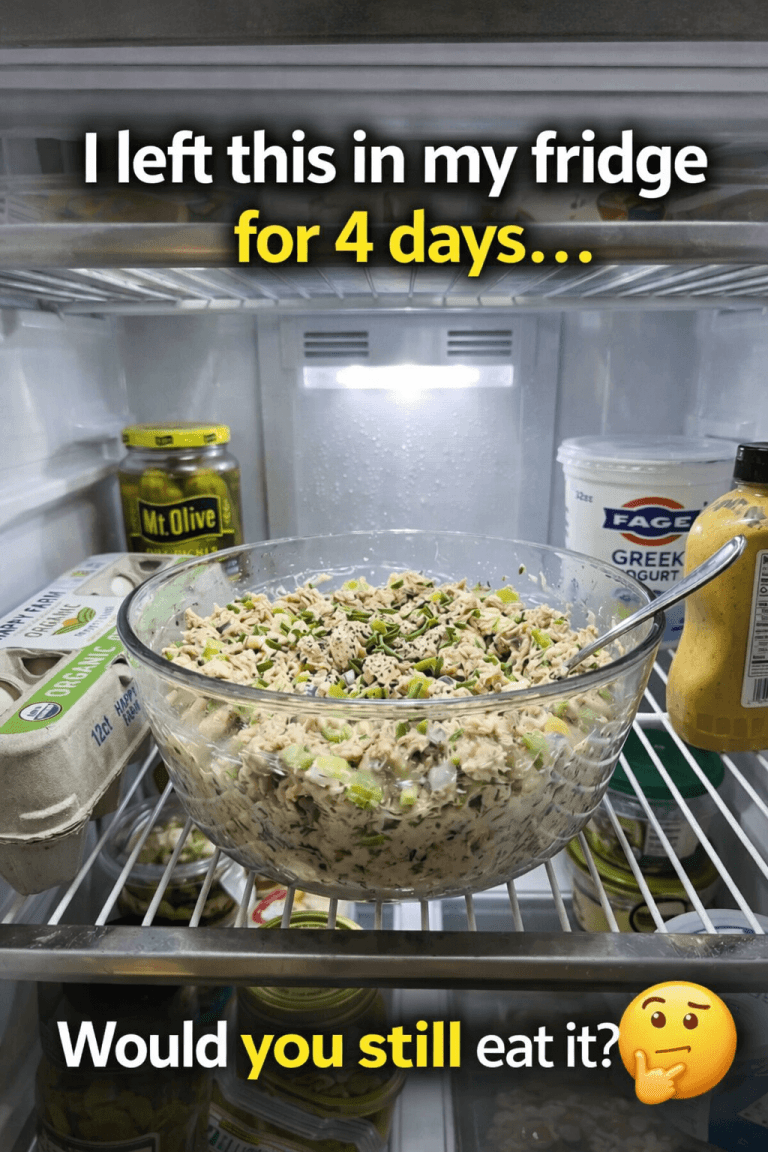
How Long Is Tuna Salad Good in the Fridge? (And Why It’s Not as Simple as You Think)

0

You know that moment—you open the fridge, spot that container of tuna salad sitting in the back, and pause.

Wait… when did I make this?

It still looks fine. Maybe. Smells… okay-ish? And then you’re stuck in that weird mental tug-of-war between not wanting to waste food and not wanting to regret your life choices an hour later.

Honestly, it’s a pretty common situation. I’ve seen it firsthand—someone makes a big batch at the start of the week, thinking they’ve planned ahead like a genius. A few days pass, life gets busy, and suddenly that same bowl feels a little… questionable.

So let’s clear it up. Not in a dramatic, overly technical way—but in a way that actually helps the next time you’re standing there with a fork in hand.

It’s Just Tuna Salad… Right? Well, Not Exactly

At first glance, tuna salad seems simple. A can of tuna, some mayo, maybe chopped celery or onion, a squeeze of lemon if you’re feeling fancy.

But here’s the thing—each of those ingredients has its own timeline.

  • Canned tuna is stable… until you open it
  • Mayonnaise is safe when chilled, but it’s still made with eggs and oil
  • Fresh add-ins like onions and celery? They don’t age gracefully

Put them all together, mix them up, and you’ve got something tasty—but also pretty perishable.

It’s a bit like inviting a group of friends over where one of them is great at keeping things together, and another… not so much. Eventually, things start to fall apart.

Why Tuna Salad Doesn’t Last as Long as You’d Hope

Let me explain without getting too scientific.

Tuna salad has everything bacteria love: moisture, protein, and just enough warmth (even in the fridge) to slowly do their thing. Refrigeration helps, of course—it slows things down—but it doesn’t hit pause completely.

There’s also what food safety folks call the “danger zone” (basically temperatures where bacteria multiply quickly). Even short periods on the counter—like during lunch prep or a long chat—can nudge your tuna salad closer to that edge.

And here’s the slightly annoying part: you won’t always see when bacteria start building up.

So… How Long Is Tuna Salad Actually Good?

Alright, let’s not overcomplicate it.

Most food safety guidelines agree:
👉 Tuna salad is best eaten within 3 to 5 days when stored properly in the fridge.

That’s not a random number—it’s a balance between safety and quality.

  • Day 1–2: Fresh, flavorful, exactly how it should be
  • Day 3: Still good, maybe slightly softer
  • Day 4–5: Borderline—depends on how well it’s been stored
  • After Day 5: You’re taking a risk, even if it “seems fine”

And yeah, I get it—some people push it to a full week. Sometimes nothing happens. But sometimes… it does. That’s the gamble.

The Subtle Signs People Often Ignore

Here’s where things get tricky.

Spoiled tuna salad doesn’t always scream for attention. It doesn’t wave a red flag. It’s more like a quiet hint that’s easy to brush off.

Still, there are a few things worth paying attention to:

  • A slightly sour or “off” smell
  • A watery or slimy texture (not just normal moisture)
  • A dull, grayish color instead of a fresh look

If you’re hesitating—even a little—that’s usually your answer right there.

A Quick Reality Check on Food Poisoning

Not to sound dramatic, but foodborne illness isn’t fun.

We’re talking nausea, stomach cramps, that overall “why did I eat that?” feeling. For most people, it passes. For others—kids, older adults, anyone with a sensitive system—it can hit harder.

And the frustrating part? It’s often avoidable.

Which brings us to the simple habits that actually make a difference.

A Few Small Habits That Go a Long Way

Nothing complicated here. Just the kind of things you’ll actually remember:

  • Store it in an airtight container (not loosely covered)
  • Keep your fridge cold—below 40°F (4°C)
  • Only scoop what you’ll eat—don’t keep reintroducing warm air
  • Don’t leave it sitting out while you “figure out lunch”

And one more thing—labeling the container with a date? Sounds a bit over-the-top… until it saves you from guessing later.

So… Is Day 4 Tuna Salad Worth It?

Honestly? It depends.

If it’s been stored properly, hasn’t sat out, and still smells and looks normal—day 4 is usually fine. Day 5… maybe. After that, it’s less about confidence and more about hope.

And hope is not a food safety strategy.

The Bottom Line (No Lecture, Just Real Talk)

Tuna salad is one of those foods that feels low-risk—but isn’t as forgiving as you might think.

Stick to the 3–5 day window, keep it cold, trust your senses, and don’t overthink it.

Because at the end of the day, it’s not just about avoiding waste—it’s about avoiding that moment where you wish you hadn’t taken that bite.

Oven-Baked 4-Ingredient Amish Beef and Bell Pepper Bake

0

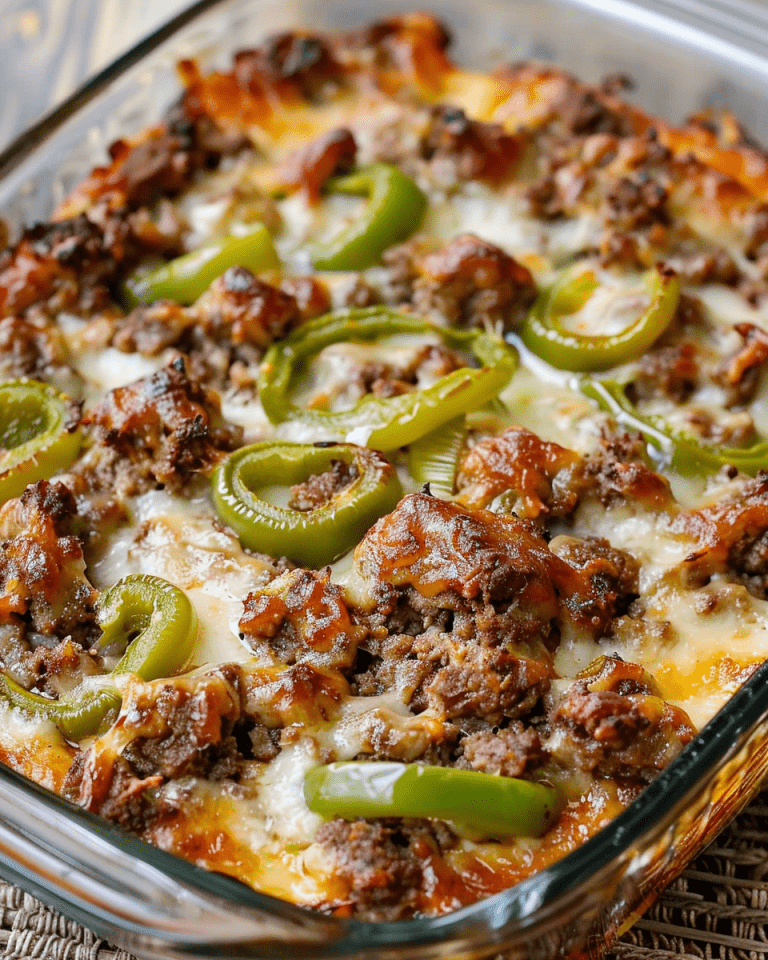
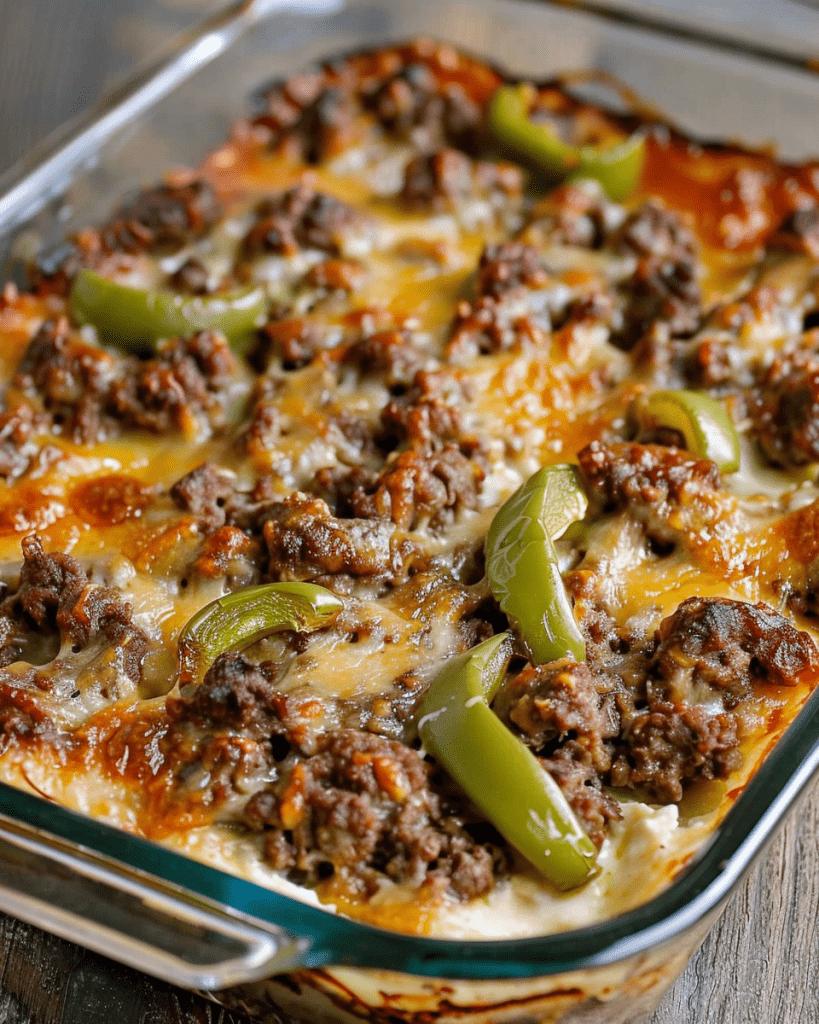
Oven-Baked 4-Ingredient Amish Beef and Bell Pepper Bake is the epitome of simple, hearty, no-fuss Amish cooking—a rustic, satisfying casserole that transforms just four humble ingredients into a warm, cheesy, deeply flavorful family meal. This recipe is a celebration of practicality and comfort, where seasoned ground beef is simmered with rich pasta sauce, then layered over sweet bell peppers and baked under a blanket of melted cheese. The magic begins with browning the ground beef, which creates a savory foundation, then stirring in your favorite pasta sauce to create a quick, robust meat mixture. Sliced bell peppers—red, yellow, orange, or green—provide a sweet, slightly tender crunch that balances the richness of the beef and cheese. A generous topping of shredded cheese melts into a golden, bubbly crust as it bakes, pulling the entire dish together into a cohesive, crowd-pleasing casserole.

The brilliance of this recipe lies in its incredible simplicity and versatility. With only four ingredients and minimal prep, it’s the perfect answer to a busy weeknight when you need dinner on the table without a trip to the grocery store. The bell peppers soften beautifully in the oven, absorbing the flavors of the sauce and beef while retaining just a hint of crispness. Serve it over rice, egg noodles, or mashed potatoes to soak up every bit of the savory sauce, or enjoy it on its own as a low-carb meal. This Amish Beef and Bell Pepper Bake is proof that you don’t need a long ingredient list or complicated techniques to create something truly delicious and satisfying.

Why You’ll Love This Recipe:

  • Only 4 Ingredients: Ground beef, pasta sauce, bell peppers, and cheese—that’s it!
  • Incredibly Quick and Easy: Ready in under an hour with minimal prep and cleanup.
  • Customizable to Your Pantry: Use any color bell peppers, any pasta sauce, and your favorite shredded cheese.
  • Low-Carb Friendly: Skip the rice or pasta for a satisfying, vegetable-forward meal.
  • Family-Pleasing Comfort Food: A warm, cheesy, savory dish that kids and adults love.

Ingredients:

For the Bake:*
1 pound ground beef (85/15 recommended)
2 cups pasta sauce (marinara, tomato basil, or your favorite)
3 large bell peppers (any color: red, yellow, orange, or green), sliced into strips
1½ cups shredded cheese (cheddar, mozzarella, or an Italian blend)

Instructions:

Step 1: Preheat Oven and Prepare Dish*
Preheat your oven to 375°F (190°C). Lightly grease a 9×13-inch baking dish or a similar-sized casserole dish.

Step 2: Brown the Ground Beef*
In a large skillet over medium-high heat, cook the ground beef until fully browned, breaking it up with a spoon, about 6-8 minutes. Drain any excess grease.

Step 3: Add the Pasta Sauce*
Stir the pasta sauce into the browned beef. Reduce the heat to low and let it simmer for 2-3 minutes to allow the flavors to meld.

Step 4: Layer the Bell Peppers*
Arrange the sliced bell peppers evenly across the bottom of the prepared baking dish.

Step 5: Add the Beef Mixture*
Pour the beef and pasta sauce mixture over the bell peppers, spreading it evenly with a spatula.

Step 6: Top with Cheese*
Sprinkle the shredded cheese evenly over the top of the beef mixture.

Step 7: Bake Covered*
Cover the baking dish with aluminum foil. Bake for 25 minutes.

Step 8: Bake Uncovered and Finish*
Remove the foil and continue baking for an additional 10-15 minutes, until the cheese is melted, bubbly, and lightly golden.

Step 9: Rest and Serve*
Let the casserole rest for 5-10 minutes before serving. This allows the layers to set for easier serving.

Tips:

  • Choose Flavorful Pasta Sauce: Since there are so few ingredients, using a high-quality sauce makes a big difference.
  • Use Any Color Bell Peppers: Red, yellow, and orange peppers are sweeter; green peppers are more earthy and slightly bitter. Use your favorite or a mix.
  • Customize Your Cheese: Cheddar adds sharpness, mozzarella adds gooey stretch, and an Italian blend adds herbal notes.
  • Add Seasoning: While the recipe calls for only four ingredients, a sprinkle of Italian seasoning, garlic powder, or red pepper flakes can add extra flavor.
  • Make it a Complete Meal: Serve over rice, egg noodles, mashed potatoes, or with crusty bread to soak up the sauce.

Storage Options:

  • Refrigerator: Store leftovers in an airtight container in the refrigerator for up to 4 days.
  • Reheating: Reheat individual portions in the microwave, or cover the baking dish with foil and reheat in a 325°F (165°C) oven until warmed through.
  • Freezing: This casserole freezes well for up to 2 months. Cool completely, wrap tightly in plastic wrap and foil, and freeze. Thaw overnight in the refrigerator before reheating.
  • Make-Ahead: Assemble the casserole completely (through Step 6), cover, and refrigerate for up to 24 hours. Bake as directed, adding 5-10 minutes to the covered bake time.

Oven-Baked 4-Ingredient Amish Beef and Bell Pepper Bake is a testament to the beauty of simple, wholesome cooking. With just a handful of pantry staples, you can create a warm, cheesy, satisfying meal that brings the family together around the table.

Greek Ham and Cheese Pie (Tyropita me Zymo)

0

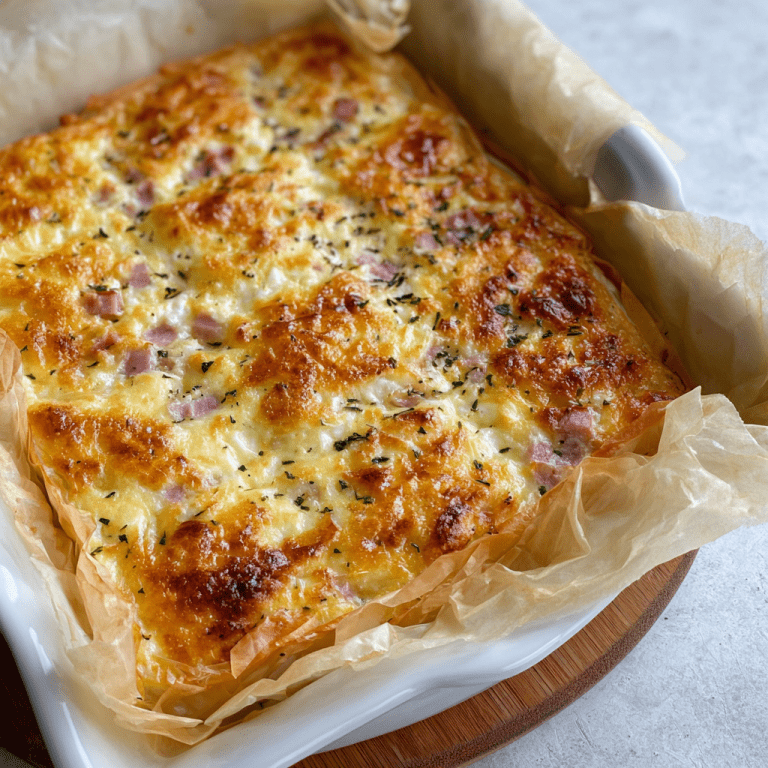
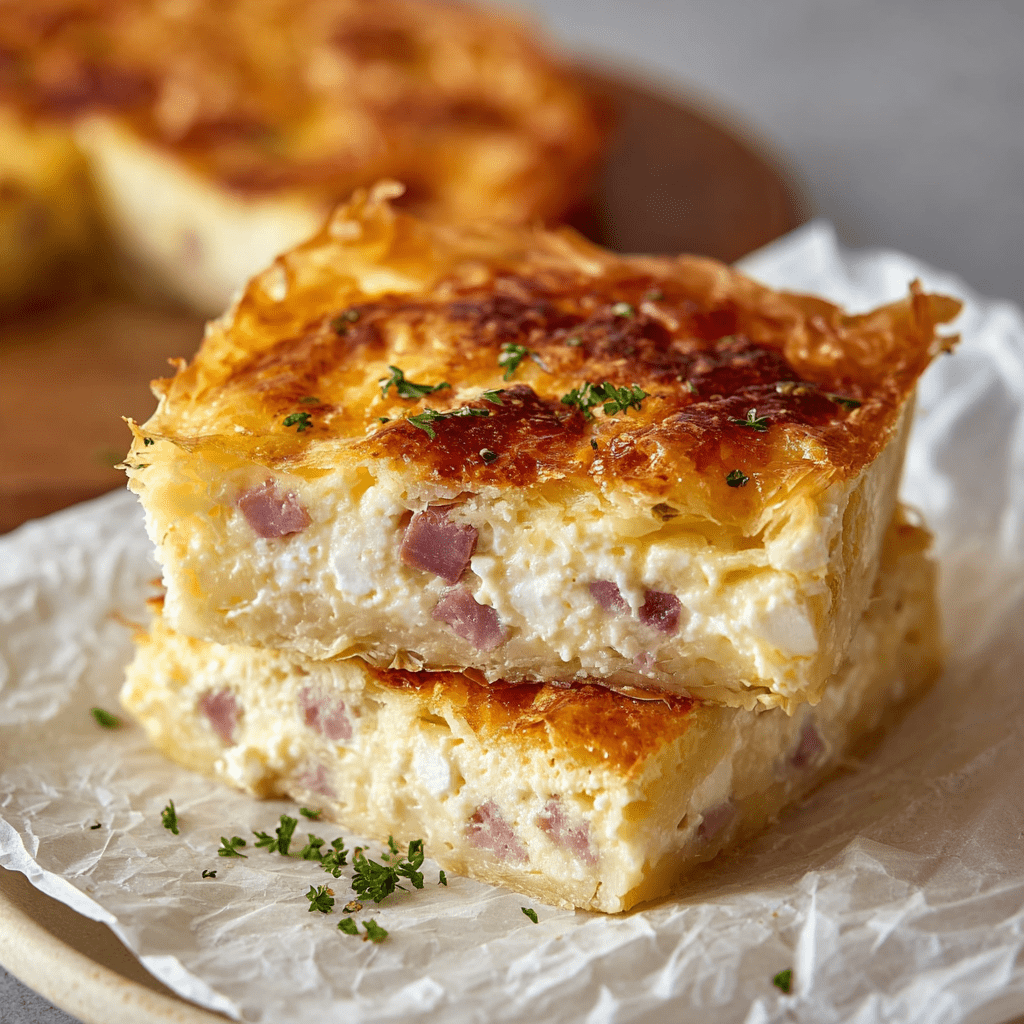
Greek Ham and Cheese Pie is a magnificent, golden-crusted phyllo masterpiece—a savory, creamy, and utterly satisfying dish that layers flaky, buttery phyllo dough around a rich, custard-like filling of ham, Gruyère, feta, and fresh herbs. This recipe is a celebration of Mediterranean comfort food, combining the crispy, shattering texture of baked phyllo with a luscious, protein-packed interior that is perfect for brunch, lunch, or a light dinner. The magic begins with a simple yet luxurious egg, milk, and Greek yogurt custard, which creates a creamy, tangy base that sets beautifully as it bakes. Diced ham adds salty, savory depth, while a combination of shredded Gruyère (or mozzarella) and crumbled feta provides both meltiness and that signature tangy bite. Fresh parsley and dried oregano brighten the filling, making every forkful aromatic and flavorful.

The brilliance of this recipe lies in the contrast between the impossibly crispy, flaky phyllo crust and the creamy, cheesy filling within. Layering half the phyllo sheets on the bottom, then pouring the filling over, and topping with the remaining sheets creates a pie that is both sturdy and elegant. Brushing each layer with olive oil or melted butter ensures that signature golden, shatteringly crisp crust. As it bakes, the filling sets into a velvety, custard-like texture, while the phyllo turns a deep, irresistible golden brown. Whether served warm from the oven or at room temperature, this Greek Ham and Cheese Pie is a showstopper—perfect for Easter brunch, a weekend gathering, or any time you crave something savory, flaky, and unforgettable.

Why You’ll Love This Recipe:

  • Flaky, Buttery, Golden Phyllo Crust: Layers of crisp, shattering phyllo that are irresistible.
  • Creamy, Cheesy, Custard Filling: A rich blend of eggs, milk, Greek yogurt, and three types of cheese.
  • Savory Ham and Herb Notes: Salty ham, fresh parsley, and oregano balance the creamy richness.
  • Perfect for Brunch or Lunch: Elegant enough for company, easy enough for a weekend meal.
  • Serve Warm or at Room Temperature: A versatile dish that travels well for potlucks and picnics.

Ingredients:

For the Phyllo Layers:*
8 sheets phyllo dough, thawed
3 tablespoons olive oil or melted unsalted butter, for brushing

For the Filling:*
2 cups (about 200g) diced cooked ham
1½ cups shredded cheese (Gruyère, mozzarella, or cheddar)
½ cup crumbled feta cheese
3 large eggs
1 cup whole milk
½ cup plain Greek yogurt
1 small yellow onion, finely chopped
1 tablespoon fresh parsley, chopped
½ teaspoon dried oregano
½ teaspoon freshly ground black pepper
¼ teaspoon salt

Instructions:

Step 1: Preheat Oven and Prepare Dish*
Preheat your oven to 375°F (190°C). Lightly grease a 9×13-inch baking dish with olive oil or butter.

Step 2: Make the Egg Mixture*
In a large bowl, whisk together the eggs, whole milk, and Greek yogurt until smooth and well combined.

Step 3: Add the Filling Ingredients*
Stir the diced ham, shredded cheese, crumbled feta, finely chopped onion, parsley, oregano, black pepper, and salt into the egg mixture. Mix well until all ingredients are evenly distributed.

Step 4: Layer the Bottom Phyllo*
Place one sheet of phyllo dough in the prepared baking dish, gently pressing it into the bottom and up the sides. Brush lightly with olive oil or melted butter. Repeat with 3 more sheets (4 total), brushing each layer. Let the edges hang over the sides for now.

Step 5: Add the Filling*
Pour the ham and cheese mixture evenly over the layered phyllo, spreading it to the edges with a spatula.

Step 6: Layer the Top Phyllo*
Place one sheet of phyllo over the filling. Brush lightly with oil or butter. Repeat with the remaining 3 sheets (4 total), brushing each layer. Tuck the edges of the phyllo slightly into the pan to seal.

Step 7: Bake*
Bake for 40-45 minutes, until the top is deeply golden brown and the filling is set (a knife inserted into the center should come out clean).

Step 8: Cool and Serve*
Let the pie rest in the pan for 10 minutes before slicing. Serve warm or at room temperature.

Tips:

  • Thaw Phyllo Properly: Thaw phyllo dough in the refrigerator overnight. Keep it covered with a damp kitchen towel while working to prevent drying out.
  • Brush Generously: Don’t skimp on the oil or butter between layers—this creates that signature flaky, golden crust.
  • Don’t Overfill: Stick to the recommended amounts to prevent the filling from leaking out during baking.
  • Customize the Cheese: Add a handful of grated Parmesan, use provolone instead of mozzarella, or try kasseri for a more authentic Greek touch.
  • Add Vegetables: Sautéed spinach, roasted red peppers, or sliced mushrooms make excellent additions.

Storage Options:

  • Refrigerator: Store cooled pie in an airtight container in the refrigerator for up to 4 days.
  • Reheating: Reheat individual slices in a 350°F (175°C) oven or toaster oven for 8-10 minutes until warmed through and crispy. The microwave will soften the phyllo.
  • Freezing: This pie freezes beautifully. Cool completely, wrap tightly in plastic wrap and foil, and freeze for up to 2 months. Thaw overnight in the refrigerator and reheat in a 350°F oven.
  • Make-Ahead: Assemble the pie completely (without baking), cover, and refrigerate for up to 24 hours. Bake as directed, adding 5-10 minutes to the bake time.

Greek Ham and Cheese Pie is a stunning, savory dish that combines the best of Mediterranean flavors with the irresistible crunch of phyllo. Perfect for any meal of the day, it’s guaranteed to become a favorite.

Hot Dog Burnt Ends

0

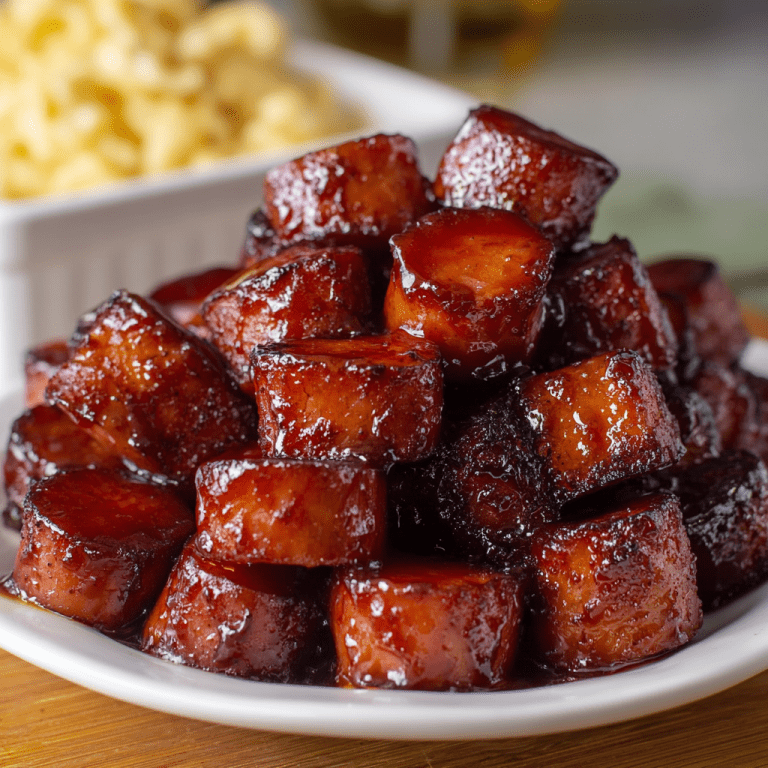
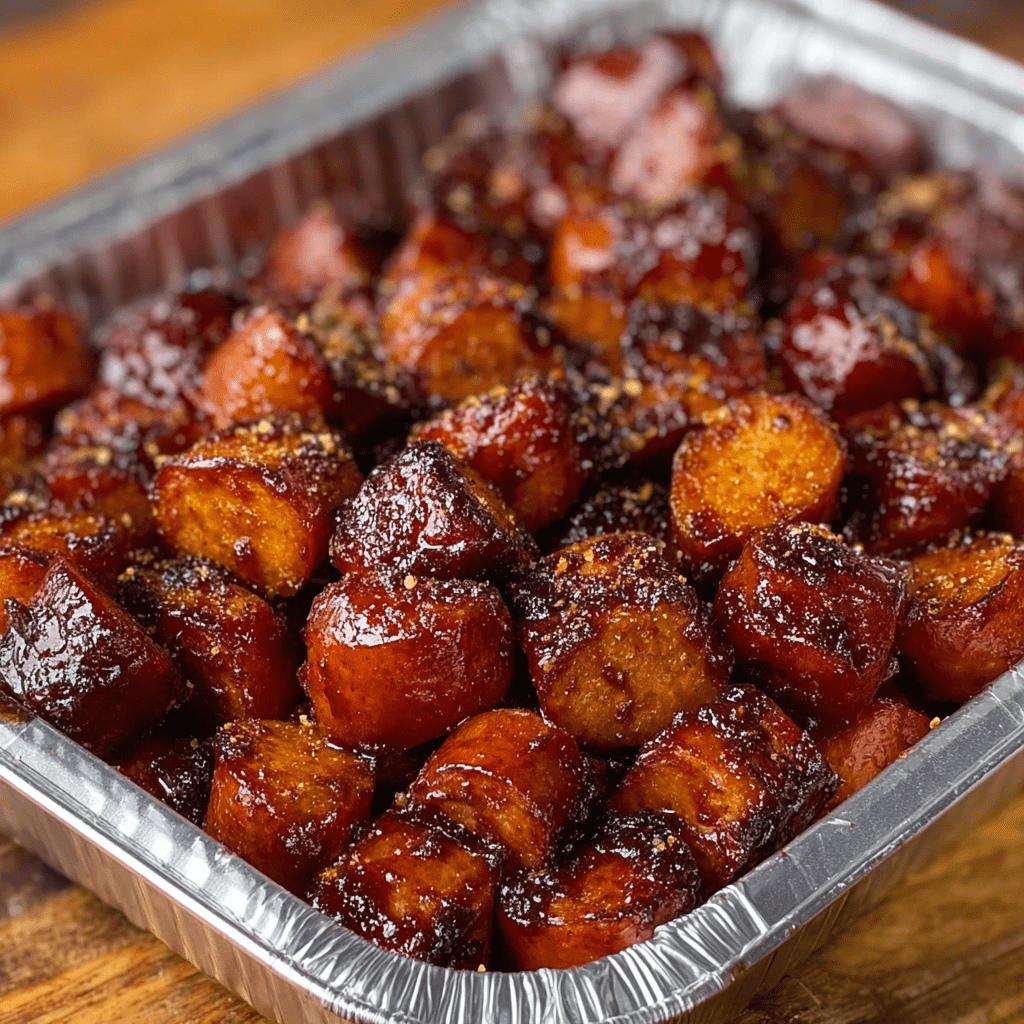
Hot Dog Burnt Ends are the ultimate backyard barbecue hack—a playful, budget-friendly, and utterly addictive twist on the classic Kansas City burnt ends, transforming humble hot dogs into sticky, caramelized, smoky-sweet bites of pure deliciousness. This recipe is a celebration of creative comfort food, where simple hot dogs are sliced into bite-sized pieces, coated in a tangy-sweet glaze of BBQ sauce, yellow mustard, and liquid smoke, then slow-baked until they become tender, caramelized, and beautifully blistered. The magic begins with a generous dusting of a spice rub featuring paprika, garlic powder, onion powder, and brown sugar, which creates a savory-sweet crust as the hot dogs bake low and slow. The final blast of high heat and an extra sprinkle of brown sugar transforms them into gorgeously sticky, slightly charred “burnt ends” that rival the texture and flavor of their much more expensive beef brisket inspiration.

The brilliance of this recipe lies in its simplicity, affordability, and the incredible crowd-pleasing result it delivers. Perfect for game day, cookouts, potlucks, or a fun family dinner, these Hot Dog Burnt Ends are ready in just over an hour and require no smoker, no grill, and no special equipment. The combination of tangy mustard, sweet BBQ sauce, smoky liquid smoke, and caramelized brown sugar creates a complex flavor profile that will have everyone asking, “Wait, these are made from hot dogs?” Served warm with toothpicks for easy grabbing, alongside classic picnic sides like baked beans, coleslaw, or mac and cheese, they’re a guaranteed hit. It’s proof that with a little creativity, even the humblest ingredients can become something extraordinary.

Why You’ll Love This Recipe:

  • Budget-Friendly Brisket Alternative: All the sticky, smoky, caramelized flavor of burnt ends at a fraction of the cost.
  • Incredibly Easy: No smoker, no grill—just an oven and a baking dish.
  • Sweet, Tangy, and Smoky: The combination of BBQ sauce, mustard, liquid smoke, and brown sugar is irresistible.
  • Perfect for Parties and Game Day: A fun, finger-food appetizer that disappears fast.
  • Customizable: Adjust the sweetness, smokiness, or spice to your taste.

Ingredients:

For the Hot Dog Burnt Ends:*
3 (32-ounce) packages hot dogs (about 30-36 hot dogs)
⅔ cup BBQ sauce (your favorite brand)
⅓ cup yellow mustard
2 teaspoons liquid smoke
1 tablespoon paprika
2 teaspoons garlic powder
2 teaspoons onion powder
½ teaspoon salt
1 teaspoon black pepper
½ cup light brown sugar, divided

Instructions:

Step 1: Preheat Oven and Prepare Dish*
Preheat your oven to 300°F (150°C). Lightly grease a 9×13-inch baking dish or a large rimmed baking sheet.

Step 2: Slice the Hot Dogs*
Slice each hot dog into thirds or quarters (about 1-inch pieces) and place them in the prepared baking dish.

Step 3: Coat with Sauce*
Drizzle the BBQ sauce, yellow mustard, and liquid smoke over the hot dog pieces. Toss well with your hands or a spatula until every piece is evenly coated.

Step 4: Make the Spice Rub*
In a small bowl, combine the paprika, garlic powder, onion powder, salt, black pepper, and ¼ cup of the brown sugar. Stir to blend.

Step 5: Sprinkle and Bake*
Sprinkle the spice mixture evenly over the coated hot dog pieces. Toss again to distribute. Bake for 1 hour, stirring halfway through to ensure even cooking.

Step 6: Caramelize*
Remove the dish from the oven. Sprinkle the remaining ¼ cup of brown sugar over the top. Increase the oven temperature to 400°F (200°C). Return the dish to the oven and bake for an additional 10-15 minutes, until the hot dogs are sticky, caramelized, and slightly blistered on the edges.

Step 7: Serve*
Remove from the oven and let cool for 5 minutes. Serve warm with toothpicks for easy grabbing, alongside your favorite deli or picnic sides.

Tips:

  • Use Quality Hot Dogs: All-beef hot dogs with natural casing provide the best flavor and texture.
  • Don’t Skip the Liquid Smoke: This is key to achieving that authentic smoked meat flavor without a smoker.
  • Stir Halfway: Stirring ensures even coating and prevents burning.
  • Adjust Sweetness: For less sweet burnt ends, reduce the brown sugar to ¼ cup total. For extra sticky sweetness, add a drizzle of honey before the final bake.
  • Add Heat: Mix a teaspoon of cayenne pepper into the spice rub or use spicy BBQ sauce for a kick.

Storage Options:

  • Refrigerator: Store leftovers in an airtight container in the refrigerator for up to 5 days.
  • Reheating: Reheat in a 350°F (175°C) oven or air fryer for 5-7 minutes to restore caramelized texture. The microwave works but will soften the coating.
  • Freezing: Not recommended, as the texture of the hot dogs and glaze will change upon thawing.
  • Make-Ahead: Prepare the hot dogs through Step 4, cover, and refrigerate for up to 24 hours. Bake as directed, adding 5-10 minutes to the initial bake time.

Hot Dog Burnt Ends are a fun, clever, and wildly delicious twist on a barbecue classic. They’re proof that great flavor doesn’t have to come with a high price tag—and that sometimes the most unexpected ingredients can create the most memorable dishes.

Slow Cooker Pork Carnitas Tacos

0

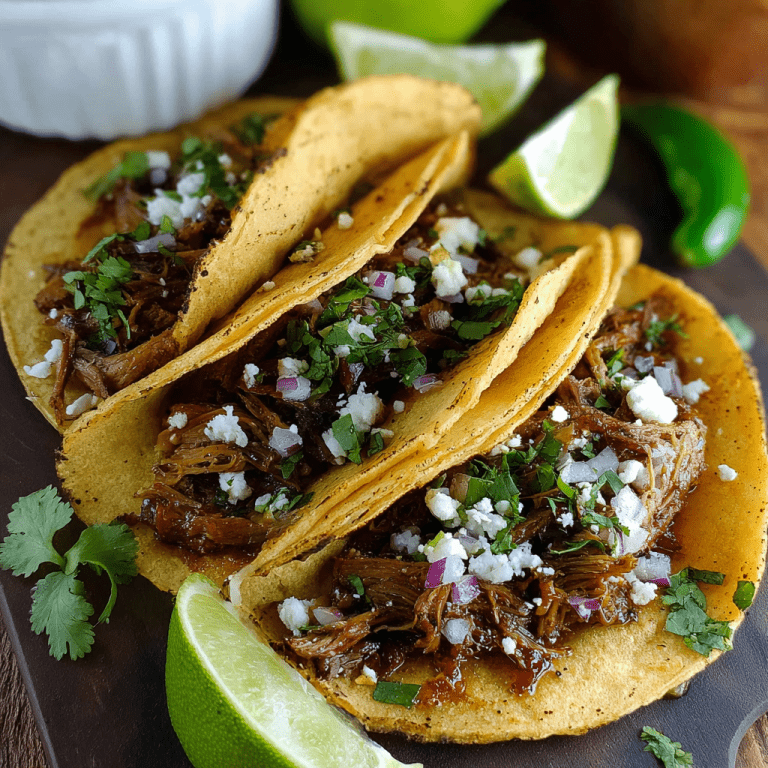
Slow Cooker Pork Carnitas Tacos are the ultimate hands-off, flavor-packed fiesta—a celebration of tender, juicy, citrus-marinated pork that transforms into crispy-edged, caramelized perfection with a final trip under the broiler. This recipe is a masterclass in building deep, authentic Mexican flavor with minimal active effort, where a humble pork shoulder is slowly braised in a fragrant bath of orange juice, Coca-Cola, smoky chipotle peppers, and aromatic spices. The magic begins with a robust dry rub of cumin, oregano, smoked paprika, and chili powder, which creates a savory, slightly smoky crust as the pork cooks for hours until it becomes fall-apart tender. The addition of fresh orange juice and lime provides bright, citrusy notes that cut through the richness, while the Coca-Cola adds a subtle sweetness and helps tenderize the meat to succulent perfection.

The brilliance of this recipe lies in the final, essential step: broiling the shredded pork. After hours in the slow cooker, the meat is pulled into tender strands, tossed with a bit of the cooking liquid, then spread on a baking sheet and placed under a hot broiler. This creates those coveted crispy, caramelized edges that contrast beautifully with the tender, juicy interior—the hallmark of authentic carnitas. Served on warm corn tortillas and topped with fresh cilantro, red onions, tangy cotija cheese, and a generous squeeze of lime, these tacos are a symphony of textures and flavors. They’re perfect for taco night, Cinco de Mayo, or any time you’re craving truly exceptional, restaurant-quality tacos at home.

Why You’ll Love This Recipe:

  • Incredibly Tender, Flavorful Pork: The slow cooker transforms pork shoulder into juicy, pull-apart perfection.
  • Crispy, Caramelized Edges: The broiler step creates the signature crispy bits that make carnitas irresistible.
  • Bright, Citrusy, and Smoky: Orange juice, lime, chipotle, and spices create a complex, authentic flavor profile.
  • Hands-Off Slow Cooker Method: Set it and forget it—perfect for busy days.
  • Perfect for Taco Night: Serve with warm tortillas and all your favorite toppings.

Ingredients:

For the Pork Carnitas:*
3-4 pounds pork butt or shoulder (pork shoulder)
1 tablespoon kosher salt
½ teaspoon black pepper
1 tablespoon ground cumin
1 tablespoon dried oregano
½ tablespoon smoked paprika
1 tablespoon chili powder
1 white onion, sliced
8 cloves garlic, minced
1 chipotle pepper in adobo sauce (from a can)
2 tablespoons adobo sauce (from the can)
1 cup pulp-free orange juice
1 (12-ounce) can Coca-Cola
3 limes

For Serving:*
Corn tortillas, warmed
Fresh cilantro, chopped
Cotija cheese, crumbled
Red onions, finely diced
Lime wedges

Instructions:

Step 1: Make the Spice Rub*
In a small bowl, combine the kosher salt, black pepper, ground cumin, dried oregano, smoked paprika, and chili powder. Mix well until evenly blended.

Step 2: Season the Pork*
Pat the pork roast completely dry with paper towels. Sprinkle the spice mixture generously over the entire roast, rubbing it into all sides with your hands. Add any leftover seasoning from the bowl to the slow cooker.

Step 3: Assemble in the Slow Cooker*
Place the sliced onion and minced garlic in the bottom of a 6-quart slow cooker. Add the chipotle pepper and the 2 tablespoons of adobo sauce. Pour in the orange juice and Coca-Cola. Place the seasoned pork roast on top of the onion and garlic.

Step 4: Slow Cook*
Cover and cook on HIGH for 5-6 hours or on LOW for 8-10 hours, until the pork is fork-tender and shreds easily with no resistance.

Step 5: Shred the Pork*
Carefully remove the pork from the slow cooker and transfer it to a large cutting board or bowl. Use two forks to shred the meat into bite-sized pieces. Discard any large pieces of fat.

Step 6: Broil for Crispy Edges*
Preheat your broiler to HIGH. Line a large baking sheet with aluminum foil. Spread the shredded pork evenly on the baking sheet. Pour about ½ cup of the cooking liquid (from the slow cooker) over the meat. Place under the broiler for 5-6 minutes, until the edges begin to crisp and caramelize. Remove, toss the meat, add another ½ cup of cooking liquid, and broil for an additional 5 minutes. Taste and add more salt and pepper if needed.

Step 7: Assemble the Tacos*
Warm the corn tortillas in a dry skillet or directly over a gas flame until pliable and lightly charred. Fill each tortilla with a generous portion of the crispy carnitas. Top with fresh cilantro, crumbled cotija cheese, diced red onions, and a generous squeeze of fresh lime juice. Serve immediately.

Tips:

  • Choose the Right Cut: Pork shoulder (also called pork butt) is essential for juicy, tender carnitas. Avoid lean cuts like pork loin.
  • Don’t Skip the Broiler: This step creates the signature crispy, caramelized edges that make carnitas special.
  • Save the Cooking Liquid: The flavorful juices in the slow cooker are perfect for spooning over the shredded pork before broiling.
  • Make Ahead: The pork can be cooked, shredded, and stored in the refrigerator for up to 3 days before broiling and serving.
  • Customize Your Toppings: Add pickled red onions, sliced radishes, diced avocado, crumbled queso fresco, or your favorite hot sauce.

Storage Options:

  • Refrigerator: Store shredded carnitas (before broiling) in an airtight container with some cooking liquid for up to 5 days. Broil just before serving.
  • Freezer: Carnitas freeze beautifully for up to 3 months. Cool completely, place in a freezer-safe container with some cooking liquid, and freeze. Thaw overnight in the refrigerator before broiling.
  • Reheating: Reheat leftover carnitas in a skillet over medium heat until warmed through, or spread on a baking sheet and broil for 3-4 minutes to recrisp.
  • Make-Ahead: Cook and shred the pork up to 3 days in advance. Store in the refrigerator with the cooking liquid. Broil just before serving.

Slow Cooker Pork Carnitas Tacos are a fiesta of flavor and texture—tender, juicy, crispy, citrusy, and smoky all at once. Perfect for taco night, parties, or any day you crave authentic Mexican flavor, they’re guaranteed to become a family favorite.