Hearty Mulligan Stew

0

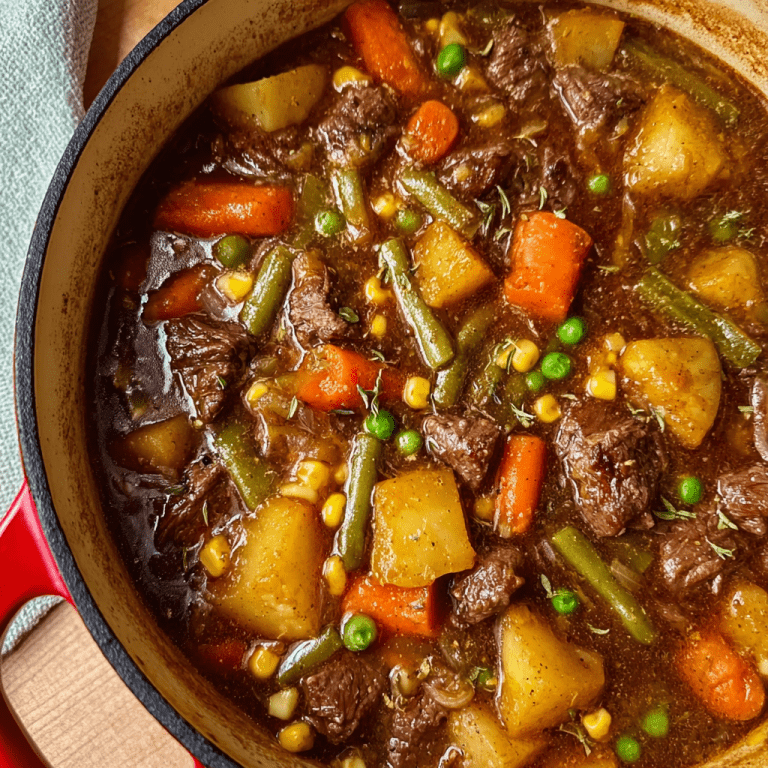
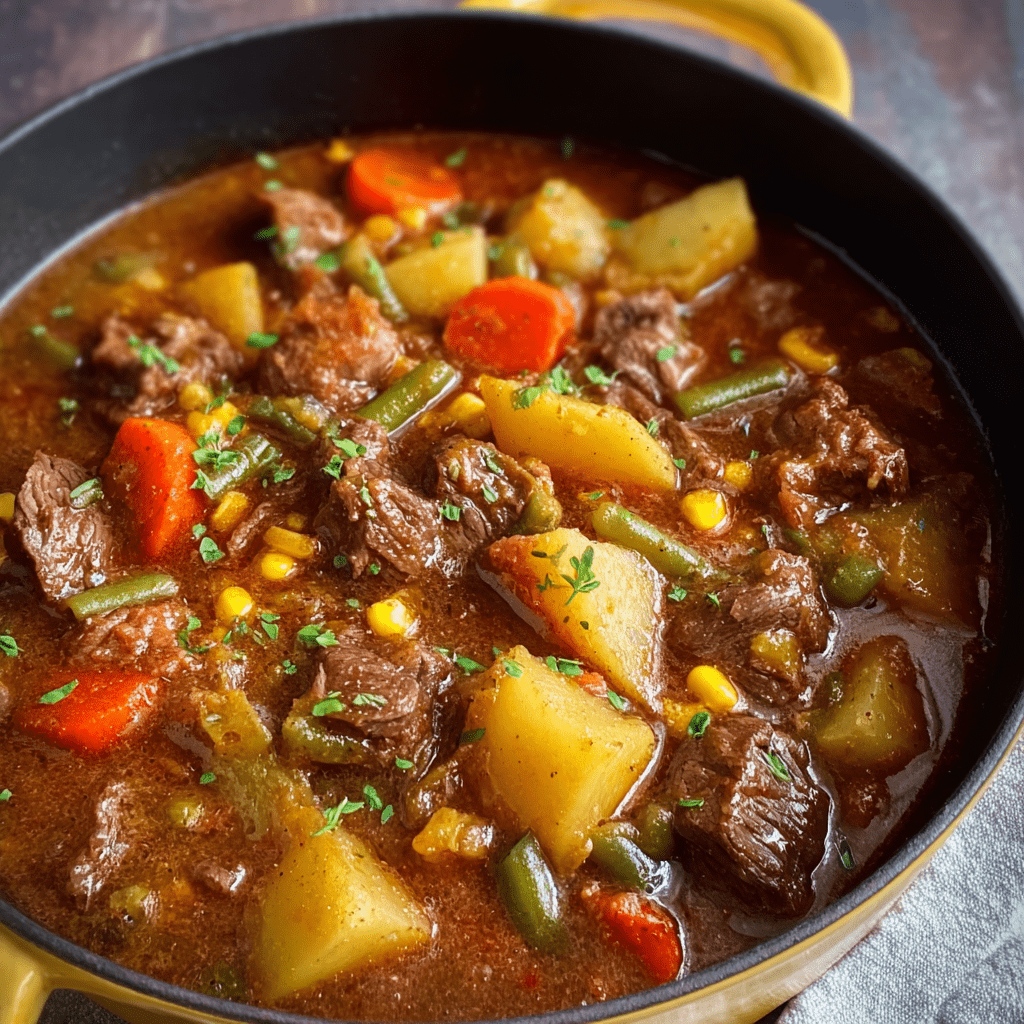
Hearty Mulligan Stew is the epitome of rustic, comforting cuisine—a throw-everything-in-the-pot dish that yields a deeply satisfying and nourishing meal. This recipe follows a tradition of simplicity and resourcefulness, transforming humble ingredients like tough cuts of beef, potatoes, and frozen vegetables into a rich, thick, and flavorful stew that warms you from the inside out. The process begins by dredging the beef in a seasoned flour mixture, which not only promotes a beautiful brown crust when seared but also acts as the primary thickening agent for the gravy as it slowly braises in the oven. The long, gentle cooking time in a Dutch oven is the secret to tenderizing the meat until it practically falls apart, while allowing the flavors of herbs, onions, and beef broth to meld into a savory, aromatic base.

What sets this stew apart is its straightforward, two-stage cooking method. After building a foundation of flavor on the stovetop with the browned beef and sautéed onions, the stew is transferred to the oven. This provides an even, all-encompassing heat that simmers the stew gently without the risk of burning the bottom, resulting in perfectly cooked meat and a robust broth. The frozen mixed vegetables are added during the final half-hour, ensuring they retain their bright color and distinct texture without becoming mushy. This stew is a testament to the magic of slow cooking, where minimal effort produces maximum flavor. It’s a forgiving, flexible recipe perfect for a cozy family dinner on a chilly evening, and it tastes even better the next day.

Why You’ll Love This Recipe:

• Ultimate Comfort Food: A warm, hearty, and filling stew that is the very definition of comfort in a bowl.
• Simple and Forgiving: Easy to prepare with common ingredients and flexible enough to accommodate what you have on hand.
• Oven-Braised Perfection: Cooking in the oven ensures tender meat and a beautifully thickened gravy without any scorching.
• Feeds a Crowd: This recipe makes a large pot of stew, perfect for leftovers or feeding a family.
Ingredients:

  • ⅓ cup all-purpose flour
  • ½ teaspoon onion powder
  • ½ teaspoon garlic powder
  • ¼ teaspoon freshly ground black pepper
  • 1 lb beef stew meat, cut into 1-inch cubes
  • 2 tablespoons vegetable oil, divided
  • 1 medium onion, chopped
  • 2 cups low-sodium beef broth
  • ½ teaspoon dried oregano
  • ¼ teaspoon dried basil
  • ¼ teaspoon dried marjoram
  • 2 medium gold potatoes, cubed (peeling optional)
  • 1 bag (19 ounce) frozen mixed vegetables (typically containing corn, carrots, peas, and green beans)
  • Salt, to taste

Instructions:

Step 1: Preheat Oven and Dredge the Beef
• Preheat your oven to 350°F (175°C). This ensures the oven is ready for braising once the stovetop steps are complete.
• In a large zipper-top bag, combine the all-purpose flour, onion powder, garlic powder, and black pepper. Seal the bag and shake to mix. Add the beef stew meat, reseal the bag, and shake vigorously until all the beef pieces are evenly coated. Reserve any leftover flour mixture in the bag.

Step 2: Brown the Beef
• Heat 1 tablespoon of vegetable oil in a large Dutch oven over medium-high heat. Using tongs, remove the beef from the flour mixture, shaking off any excess, and add it to the hot pot in a single layer. Work in batches to avoid overcrowding.
• Brown the beef on all sides, about 2-3 minutes per side. Do not cook through. Transfer the browned beef to a clean plate.

Step 3: Sauté the Aromatics and Make the Roux
• Reduce the heat to medium. Add the remaining 1 tablespoon of oil to the Dutch oven. Add the chopped onion and cook for 3-4 minutes, until softened and translucent.
• Sprinkle the reserved flour mixture (about 1 ½ tablespoons) over the onions. Cook, stirring constantly, for 2 minutes to cook out the raw flour taste and create a roux.

Step 4: Deglaze and Build the Broth
• Add the dried oregano, basil, and marjoram to the pot and stir for 30 seconds until fragrant.
• Gradually pour in the beef broth, stirring constantly to scrape up any browned bits from the bottom of the pot (this is packed with flavor). Bring the mixture to a simmer, stirring until the broth has thickened slightly, about 2 minutes.

Step 5: Braise the Stew
• Return the browned beef and any accumulated juices to the Dutch oven. Stir to combine. Cover the pot with a tight-fitting lid and carefully transfer it to the preheated oven.
• Bake for 1 hour. This long, slow braise will tenderize the beef beautifully.

Step 6: Add the Vegetables and Finish Cooking
• Carefully remove the pot from the oven. Stir in the cubed potatoes and the entire bag of frozen mixed vegetables.
• Cover the pot again and return it to the oven for an additional 30 minutes, or until the potatoes are fork-tender and the stew is bubbly.

Step 7: Season and Serve
• Remove the stew from the oven. Taste and season with additional salt and pepper as needed. Let it rest for 5-10 minutes before serving to allow it to thicken slightly.

Tips:

• Pat the Beef Dry: Before dredging, pat the beef cubes dry with paper towels. This helps the flour adhere better and promotes a superior sear.
• Don’t Skip the Browning: Browning the meat is essential for developing a deep, rich flavor base for the stew.
• Low-Sodium Broth: Using low-sodium broth allows you to control the salt level of the final dish, especially since the broth will reduce and concentrate during cooking.
• Vegetable Variations: Feel free to use fresh vegetables instead of frozen. Add hearty vegetables like carrots and potatoes with the beef, and quicker-cooking veggies like peas during the last 10 minutes.

Storage Options:

• Refrigerator: Store cooled stew in an airtight container in the refrigerator for up to 4 days. The flavors will continue to meld and improve.
• Reheating: Reheat gently on the stovetop over low heat or in the microwave, stirring occasionally. You may need to add a splash of broth or water if the stew has thickened too much.
• Freezing: This stew freezes exceptionally well. Cool completely and freeze in airtight containers for up to 3 months. Thaw overnight in the refrigerator before reheating.

Hearty Mulligan Stew is a timeless, dependable recipe that delivers deep, comforting flavors with minimal fuss. It’s a bowl of pure, simple goodness that feels like home. Enjoy!
Rustic Peach Galette

0

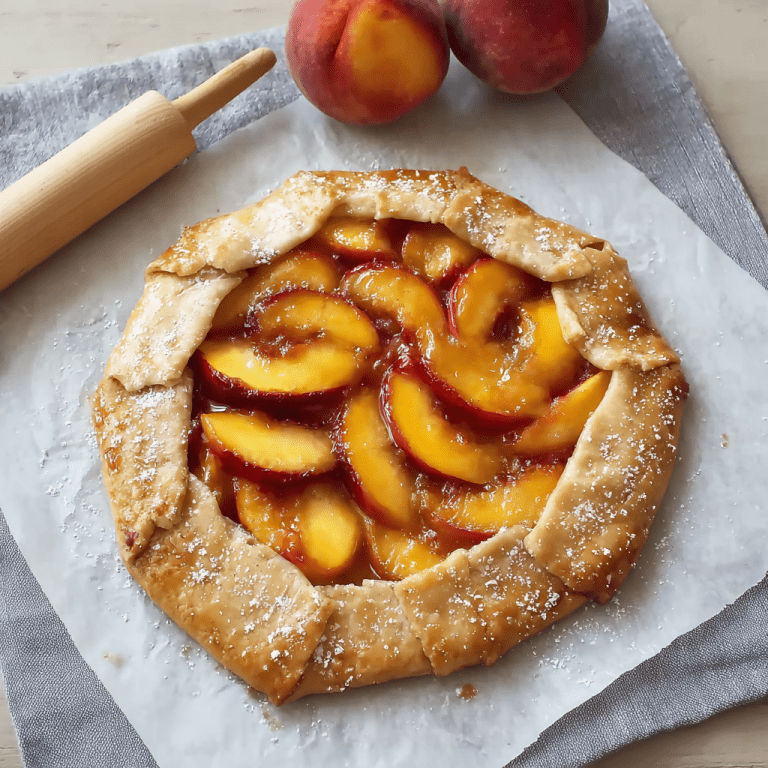
A Rustic Peach Galette is the epitome of effortless elegance in the world of baking, a free-form tart that celebrates the natural beauty and juicy sweetness of summer peaches with a charming, rustic appearance. This dessert forgoes the precision of a pie plate, allowing the baker to simply fold the edges of a flaky, buttery crust over a simple peach filling, resulting in a beautifully imperfect masterpiece that is often more forgiving and quicker to assemble than a traditional pie. The filling, sweetened just enough to enhance the fruit’s natural flavor, is thickened lightly with cornstarch to create a glossy, tender filling that holds its shape without becoming gluey. Each bite offers a perfect contrast between the crisp, golden pastry and the soft, fragrant peaches, making it an ideal dessert for warm evenings that feels both impressively gourmet and wonderfully humble.

The beauty of this galette lies in its simplicity and the quality of its ingredients. A homemade crust, made with cold butter and a gentle hand, provides a rich, tender base that shatters delicately with each forkful. The peaches are the undisputed star, requiring little more than a hint of sugar, a touch of cinnamon, and a splash of vanilla to elevate them to dessert perfection. As it bakes, the galette fills the kitchen with an irresistible aroma of butter, fruit, and spice. The optional but highly recommended egg wash and sprinkle of coarse sugar on the crust create a deep golden, sparkling finish that is as visually appealing as it is delicious. Served warm, perhaps with a scoop of vanilla ice cream, this galette is a testament to the fact that the most stunning desserts are often the simplest to create.

Why You’ll Love This Recipe:

• Easier Than Pie: No need for a pie plate or intricate lattice work; the free-form style is forgiving and encourages creativity.
• Showcases Summer Fruit: The simple preparation allows the fresh, juicy flavor of ripe peaches to truly shine.
• Perfect Textural Contrast: Features a crisp, buttery crust that gives way to a soft, warm fruit filling.
• Impressively Beautiful: Its rustic, artisanal look belies how simple it is to make, guaranteeing compliments.

Ingredients:

For the Pie Crust:

  • 1½ cups all-purpose flour, spooned and leveled
  • 1 tablespoon granulated sugar
  • ½ teaspoon salt
  • ½ cup (1 stick) unsalted butter, cold and cut into small cubes
  • 4-6 tablespoons ice water
  • 1 egg, beaten (for egg wash)
  • Coarse sugar, for sprinkling (such as turbinado)

For the Peach Filling:

  • 1½ lbs ripe but firm peaches (about 4-5 medium), pitted and sliced ¼-inch thick
  • ⅓ cup granulated sugar (adjust based on peach sweetness)
  • 1 tablespoon cornstarch
  • ½ teaspoon ground cinnamon
  • ¾ teaspoon vanilla extract

Instructions:

Step 1: Make the Pie Dough
• In a medium bowl, whisk together the flour, 1 tablespoon of sugar, and salt.
• Add the cold, cubed butter. Using a pastry cutter, two forks, or your fingertips, work the butter into the flour mixture until it resembles coarse meal with some pea-sized butter pieces remaining. These butter pieces are key for a flaky crust.
• Drizzle 4 tablespoons of ice water over the mixture. Gently stir with a fork until the dough begins to clump together. If it seems too dry, add more water, one tablespoon at a time, until the dough holds together when pinched.
• Shape the dough into a flat disk, wrap tightly in plastic wrap, and refrigerate for at least 1 hour (and up to 2 days).

Step 2: Preheat and Prepare
• Preheat your oven to 425°F (220°C). Line a large baking sheet with parchment paper.

Step 3: Roll Out the Dough
• On a lightly floured surface, roll the chilled dough into a rough circle about 12-13 inches in diameter and ⅛-inch thick. Don’t worry about perfect edges. Carefully transfer the dough to the prepared baking sheet.

Step 4: Prepare the Filling
• In a large bowl, gently toss the peach slices with the ⅓ cup sugar, cornstarch, cinnamon, and vanilla extract until evenly coated. Let the mixture sit for 5-10 minutes to allow the peaches to release some of their juices.

Step 5: Assemble the Galette
• Arrange the peach slices in the center of the dough, leaving a 2-3 inch border around the edges. Use a slotted spoon to leave excess juice behind in the bowl (this prevents a soggy bottom).
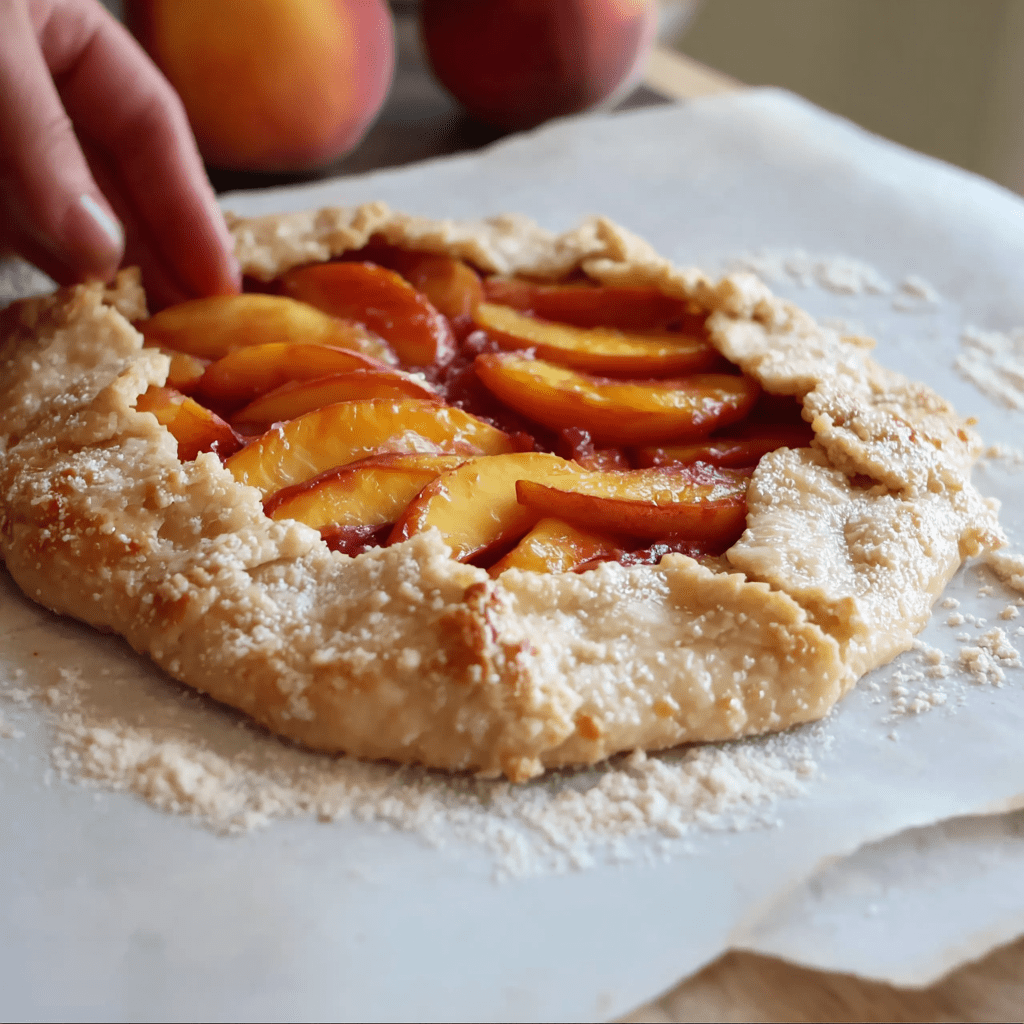
• Fold the edges of the dough up and over the filling, pleating it every few inches as you work your way around. It should look rustic.
• Drizzle 1-2 tablespoons of the reserved peach juices over the fruit. Brush the exposed dough with the beaten egg and sprinkle generously with coarse sugar.

Step 6: Bake to Golden Perfection
• Bake for 25-30 minutes, or until the crust is a deep golden brown and the peach filling is bubbly.
• Remove from the oven and allow the galette to cool on the baking sheet for at least 15-20 minutes before slicing. This allows the filling to set.

Tips:

• Keep Everything Cold: The secret to a flaky crust is keeping the butter cold until it hits the oven. Work quickly and chill the dough thoroughly.
• Thickening Power: The cornstarch is essential for thickening the natural peach juices. Don’t skip it, or your galette may be runny.
• Prevent a Soggy Bottom: Leaving the excess juice behind in the bowl and baking on a hot baking sheet helps ensure a crisp crust.
• Serve with Accompaniments: A galette is wonderful on its own, but it’s sublime with a scoop of vanilla ice cream or a dollop of whipped cream.

Storage Options:

• Room Temperature: The galette is best enjoyed the day it is made. It can be kept, covered loosely, at room temperature for up to 8 hours.
• Refrigerator: Store any leftovers in the refrigerator for up to 2 days. The crust will soften.
• Reheating: Reheat slices in a 350°F (175°C) oven for 5-10 minutes to crisp up the crust.

Rustic Peach Galette is a celebration of summer’s finest fruit, wrapped in a simple, buttery crust. It’s a beautifully imperfect dessert that is sure to become a seasonal favorite. Enjoy

Classic Southern Fish Fry

0

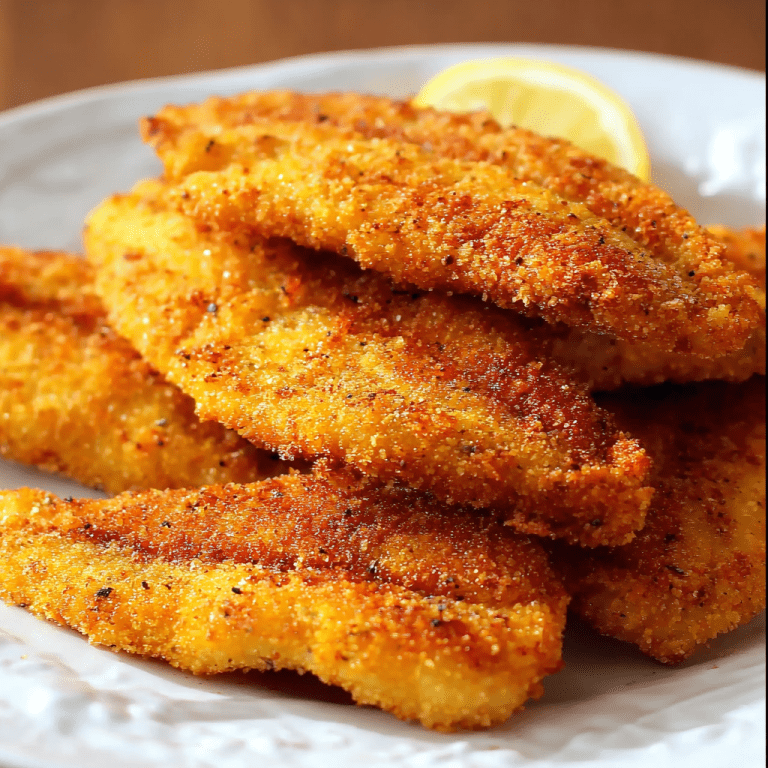
A Classic Southern Fish Fry is a cherished tradition, a celebration of simple ingredients transformed into something truly spectacular through technique and soul. This recipe focuses on catfish, the quintessential Southern fish, prized for its mild, sweet flavor and firm texture that holds up perfectly to frying. The process is a ritual: a soak in tangy buttermilk tenderizes the fish and provides a sticky base, followed by a dredge in a meticulously seasoned coating of cornmeal and flour. This combination is the secret to the ideal fry—a shatteringly crisp, golden-brown crust that gives way to flaky, moist, and perfectly cooked fish beneath. Fried in hot oil until puffed and glorious, and served with a simple wedge of lemon, this dish is the heart of a backyard gathering, a Friday night supper, or any occasion that calls for genuine, down-home comfort food.

The magic of this recipe lies in the balance of its coating and the precision of the fry. The cornmeal provides the essential gritty crunch that is signature to Southern frying, while the flour helps create a cohesive, even layer that adheres beautifully. The blend of paprika, garlic, and onion powder builds a savory foundation, and the touch of cayenne pepper adds a subtle, warm heat that lingers pleasantly. The key to success is maintaining the correct oil temperature—hot enough to immediately sizzle and seal the crust, preventing greasiness, but not so hot that it burns before the fish is cooked through. This method yields fish that is never oily, always crispy, and bursting with flavor. It’s a foolproof path to achieving that iconic, crave-worthy texture and taste that defines a perfect Southern fish fry.

Why You’ll Love This Recipe:

• Iconic Crispy Texture: The cornmeal coating fries up to an incredibly light and crunchy crust that is the hallmark of great Southern fried catfish.
• Perfectly Seasoned: A simple but powerful spice blend ensures every bite is packed with flavor, enhancing the natural sweetness of the fish.
• Foolproof Frying Technique: Clear instructions for temperature and timing guarantee crispy, non-greasy results every time.
• The Ultimate Comfort Food: This dish is simple, satisfying, and evokes a sense of community and celebration.

Ingredients:

  • 4 fresh catfish fillets (about 6-8 ounces each)
  • 1 cup buttermilk
  • 1 cup yellow cornmeal
  • 1/2 cup all-purpose flour
  • 1 teaspoon paprika (smoked paprika adds a great depth)
  • 1 teaspoon garlic powder
  • 1 teaspoon onion powder
  • 1/2 teaspoon cayenne pepper (adjust to taste)
  • Salt and freshly ground black pepper, to taste
  • Vegetable oil, peanut oil, or canola oil (for frying)
  • Lemon wedges, for serving
  • Hot sauce, for serving (optional)

Instructions:

Step 1: Prepare the Fish
• Pat the catfish fillets completely dry with paper towels. This is crucial for the coating to stick. Season both sides of the fillets lightly with salt and black pepper.

Step 2: Soak in Buttermilk
• Pour the buttermilk into a shallow dish large enough to hold the fillets in a single layer. Place the seasoned catfish fillets in the buttermilk, ensuring they are fully submerged. Let them soak for at least 10 minutes (or up to 30 minutes) in the refrigerator. This step tenderizes the fish and helps the coating adhere.

Step 3: Create the Dredging Mixture
• In another shallow dish (like a pie plate), whisk together the cornmeal, flour, paprika, garlic powder, onion powder, cayenne pepper, and a generous pinch of salt and black pepper.

Step 4: Dredge the Fish
• Remove one fillet from the buttermilk, allowing the excess to drip off. Dredge it in the cornmeal mixture, pressing gently to ensure an even, thorough coating on all sides. Place the coated fillet on a wire rack set over a baking sheet. Repeat with the remaining fillets. Letting them rest on the rack for 5-10 minutes helps the coating set.

Step 5: Heat the Oil
• Pour oil into a large, heavy-bottomed skillet (cast iron is ideal) to a depth of about 1 inch. Heat the oil over medium-high heat until it reaches 350°F (175°C). Use a deep-fry or candy thermometer for accuracy. The oil is ready when a pinch of the dredging mixture sizzles immediately upon contact.

Step 6: Fry the Fish
• Carefully place two fillets in the hot oil, being careful not to overcrowd the pan. Fry for 3-4 minutes on the first side, until the crust is deep golden brown.
• Using a wide, slotted spatula or fish turner, carefully flip the fillets. Fry for another 3-4 minutes on the second side, until the fish is cooked through and flakes easily with a fork.

Step 7: Drain and Keep Warm
• Transfer the fried fish to a wire rack set over a paper towel-lined baking sheet. This allows air to circulate, keeping the bottom crust crispy. Do not drain directly on paper towels alone, as this can create steam and make the bottom soggy. You can keep the finished fillets warm in a 200°F (95°C) oven while you fry the remaining batches.

Step 8: Serve Immediately
• Serve the fried catfish hot, accompanied by lemon wedges for squeezing over the top and your favorite hot sauce on the side. Classic accompaniments include coleslaw, hush puppies, and french fries.

Tips:

• Maintain Oil Temperature: This is the most important rule. Adding fish will cause the temperature to drop. Allow it to come back to 350°F before adding the next batch. If the oil is too cool, the fish will be greasy; if too hot, the coating will burn before the fish is cooked.
• Use a Thermometer: Guessing the oil temperature is the leading cause of frying failure. A simple candy thermometer is an invaluable tool.
• Don’t Crowd the Pan: Frying too many pieces at once drastically lowers the oil temperature and leads to steaming instead of frying.
• Freshness of Oil: If your oil is dark or has been used multiple times, it will impart off-flavors and not fry as crisply. Use fresh, clean oil for the best results.

Storage Options:

• Not Ideal for Storage: Fried fish is best enjoyed immediately after cooking while the crust is still crisp.
• Refrigerator: Store leftovers in an airtight container in the refrigerator for up to 2 days.
• Reheating: To recrisp the coating, reheat in an air fryer or a conventional oven at 375°F (190°C) for 5-10 minutes. The microwave will make the coating soft and soggy.

Classic Southern Fish Fry is a timeless technique that delivers unbeatable flavor and texture. It’s a celebration of simplicity that results in a truly magnificent and satisfying meal. Enjoy

Spiced Apple Bundt Cake with Caramel Drizzle

0

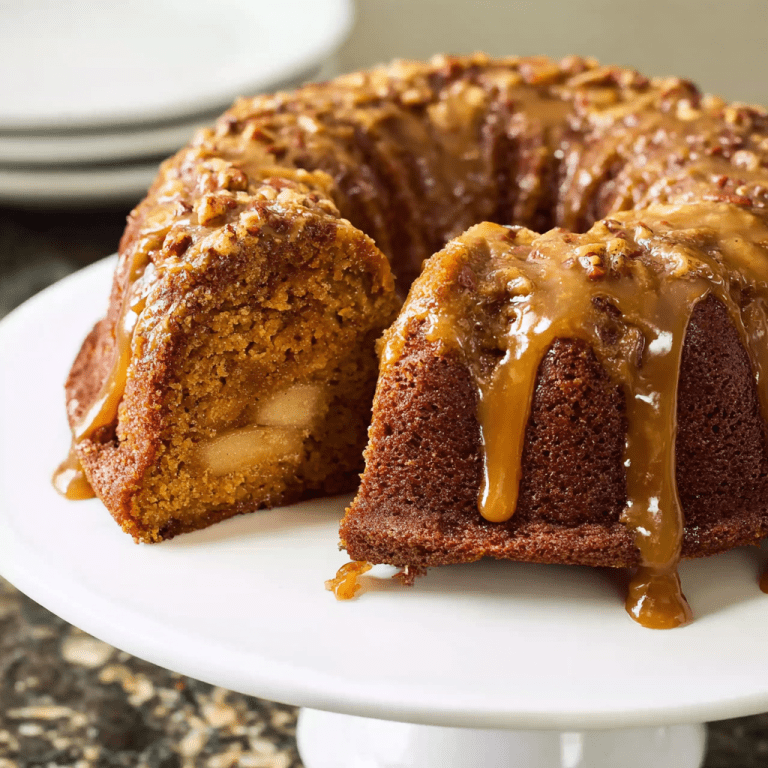
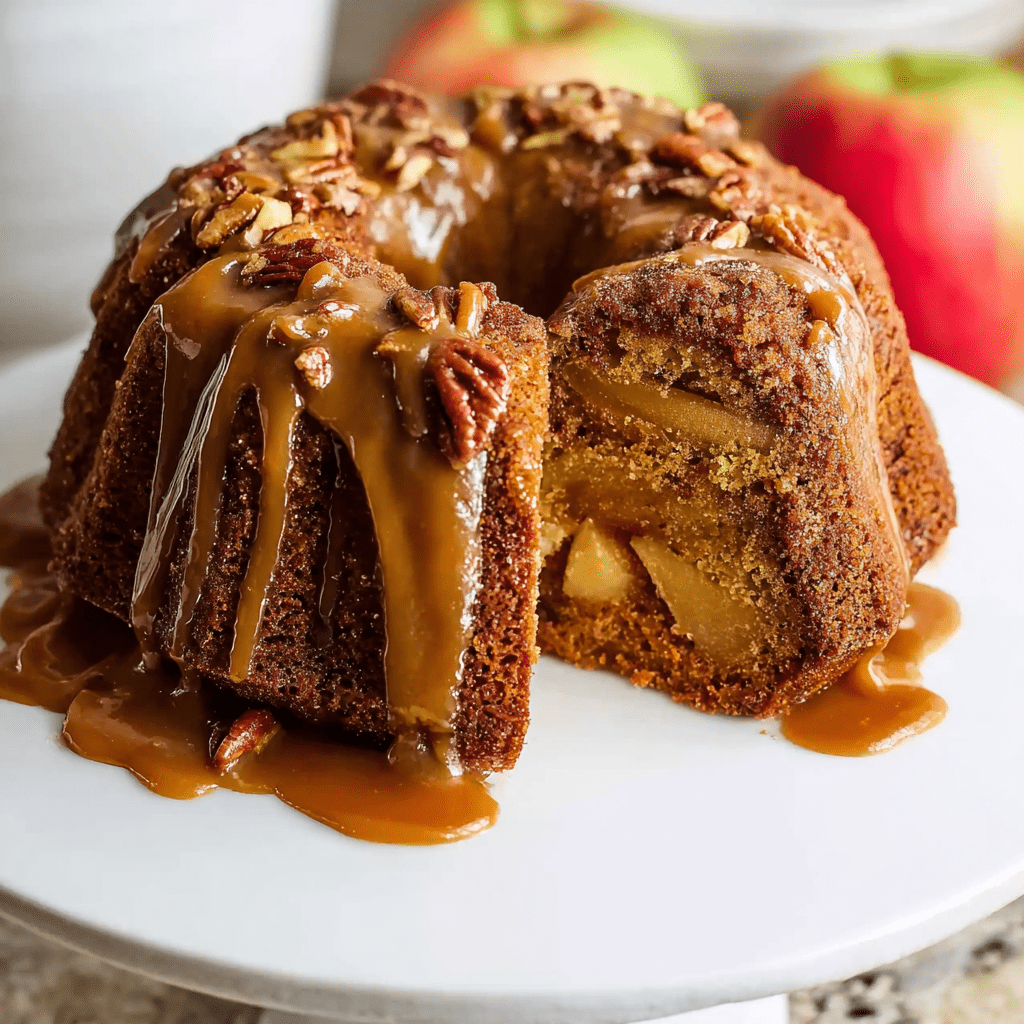
Spiced Apple Bundt Cake with Caramel Drizzle is the epitome of rustic, home-baked elegance—a moist, incredibly flavorful cake that celebrates the humble apple in the most glorious way. This recipe creates a dense, tender crumb, reminiscent of a classic pound cake, but is studded throughout with soft, sweet chunks of Honeycrisp apple and toasted pecans. The warm, aromatic blend of cinnamon, cloves, and nutmeg perfumes the entire cake, making your kitchen smell like autumn itself. Baked in a beautiful Bundt pan, it emerges with a stunning shape that requires no fancy decorating, yet is transformed into a show-stopping dessert with a simple, homemade caramel drizzle that seeps into the warm cake, creating an irresistible glaze. It’s a cake that is equally suited for a casual coffee gathering as it is for a holiday dessert table.

The secret to this cake’s exceptional moisture and richness lies in its unique method. Unlike many cakes that rely on creaming butter and sugar, this one uses vegetable oil, which results in a texture that stays supremely moist for days. The brown sugar contributes a deep, molasses-like sweetness that pairs perfectly with the spices and fruit. The generous amount of apples not only provides pockets of juicy flavor but also ensures every slice is packed with fruit. Letting the cake cool briefly in the pan before inverting is crucial for it to hold its intricate shape, while drizzling the warm caramel over the still-warm cake allows it to be absorbed, creating a sticky, sweet shell that complements the spiced interior. This cake is a timeless, foolproof recipe that delivers immense satisfaction with every bite.

Why You’ll Love This Recipe:

• Unbelievably Moist: The combination of oil and the natural juices from the apples guarantees a cake that stays moist for days.
• Warm, Autumnal Spices: The blend of cinnamon, cloves, and nutmeg provides a classic, comforting flavor that is perfectly balanced.
• Stunning Presentation: The Bundt pan creates a beautiful, elegant shape with zero effort, making it look professionally made.
• Simple Homemade Caramel: The easy three-ingredient caramel drizzle elevates the cake from simple to spectacular.

Ingredients:

For the Cake:

  • 3 cups all-purpose flour, spooned and leveled
  • 1 ½ teaspoons baking soda
  • 1 teaspoon salt
  • 1 tablespoon ground cinnamon
  • ½ teaspoon ground cloves
  • ½ teaspoon ground nutmeg
  • 1 ½ cups vegetable oil (or canola oil)
  • 2 cups packed light or dark brown sugar
  • 3 large eggs, at room temperature
  • 1 ½ teaspoons vanilla extract
  • 4 large Honeycrisp apples (or Granny Smith), peeled, cored, and cut into ½-inch chunks
  • 1 cup chopped pecans, toasted

For the Caramel Drizzle:

  • 1/2 cup packed brown sugar
  • 2 tablespoons unsalted butter
  • 1/4 cup heavy cream
  • 1/2 teaspoon vanilla extract
  • Pinch of salt

Instructions:

Step 1: Preheat and Prepare the Pan
• Preheat your oven to 350°F (175°C). Thoroughly grease a 10-inch Bundt pan with butter or non-stick baking spray. Dust the greased pan with a tablespoon of flour, tapping out any excess. This ensures the cake will release cleanly.

Step 2: Combine the Dry Ingredients
• In a medium bowl, whisk together the flour, baking soda, salt, cinnamon, ground cloves, and nutmeg. This ensures the leavening and spices are evenly distributed throughout the flour.

Step 3: Combine the Wet Ingredients
• In a large mixing bowl, whisk together the vegetable oil and brown sugar until well combined. Add the room-temperature eggs one at a time, whisking well after each addition until the mixture is smooth. Stir in the vanilla extract.

Step 4: Mix Wet and Dry Ingredients
• Add the dry flour mixture to the wet ingredients in three separate additions, stirring with a spatula after each until just combined. Be careful not to overmix; a few streaks of flour are okay.

Step 5: Fold in Apples and Pecans
• Gently fold the chunked apples and toasted pecans into the batter until they are evenly distributed. The batter will be very thick.

Step 6: Bake the Cake
• Spoon the thick batter into the prepared Bundt pan, spreading it evenly. Tap the pan on the counter a few times to release any large air bubbles.
• Bake for 55-65 minutes, or until a long wooden skewer or toothpick inserted into the center of the cake comes out clean or with a few moist crumbs attached.

Step 7: Cool the Cake
• Place the pan on a wire rack and let the cake cool in the pan for 15-20 minutes. This allows the structure to set. Then, carefully invert the cake onto the wire rack to cool completely.

Step 8: Make the Caramel Drizzle
• While the cake is cooling, prepare the caramel. In a small saucepan over medium heat, combine the brown sugar, butter, and heavy cream.
• Bring the mixture to a gentle boil, stirring constantly to dissolve the sugar. Let it boil for 1 minute.
• Remove the pan from the heat and stir in the vanilla extract and a pinch of salt.

Step 9: Glaze and Serve
• Once the cake is mostly cool but still slightly warm, transfer it to a serving plate. Using a spoon, drizzle the warm caramel sauce over the top of the cake, allowing it to drip down the sides.
• Slice and serve.

Tips:

• Apple Selection: Honeycrisp apples provide a sweet-tart flavor and hold their shape well. Granny Smith apples are a great tart alternative.
• Toasting Pecans: Toasting the pecans beforehand in a 350°F oven for 5-7 minutes dramatically enhances their flavor.
• Don’t Overmix: Overmixing the batter after adding the flour can lead to a tough cake. Mix until the ingredients are just combined.
• Cooling is Key: Allowing the cake to cool in the pan is essential. Inverting it while it’s too hot may cause it to break.

Storage Options:

• Room Temperature: Store the cake, covered with a cake dome or plastic wrap, at room temperature for up to 3 days.
• Refrigerator: For longer storage, you can refrigerate it for up to 5 days. Let it come to room temperature for the best texture and flavor.
• Freezing: This cake freezes beautifully without the glaze. Wrap the cooled, unglazed cake tightly in plastic wrap and then foil. Freeze for up to 3 months. Thaw overnight at room temperature and add the caramel drizzle before serving.

Spiced Apple Bundt Cake with Caramel Drizzle is a celebration of simple, wholesome ingredients coming together to create something truly magnificent. It’s a timeless recipe that promises warmth, comfort, and pure delight with every slice. Enjoy

Salted Honey Pistachio Cookies

0

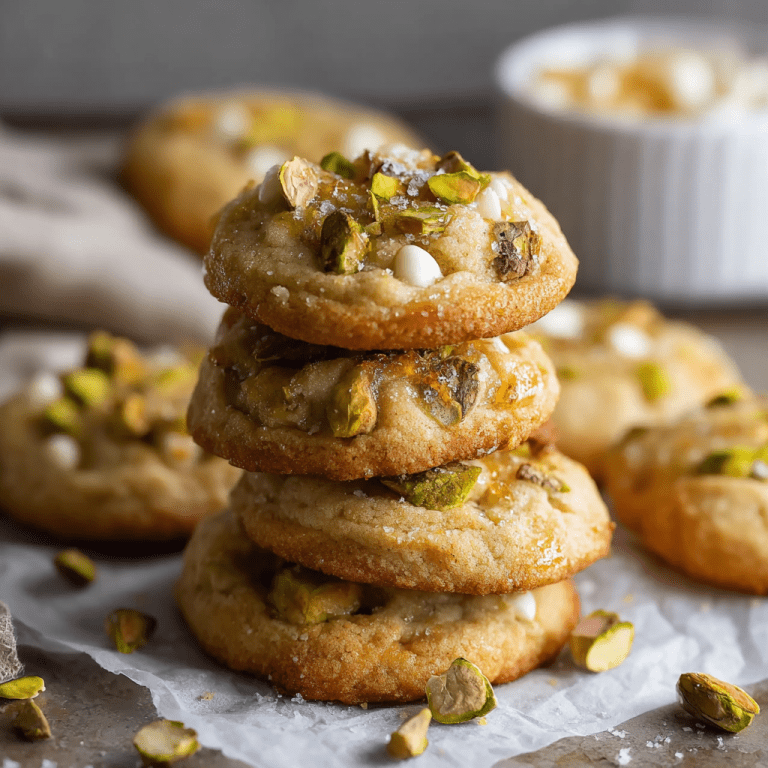
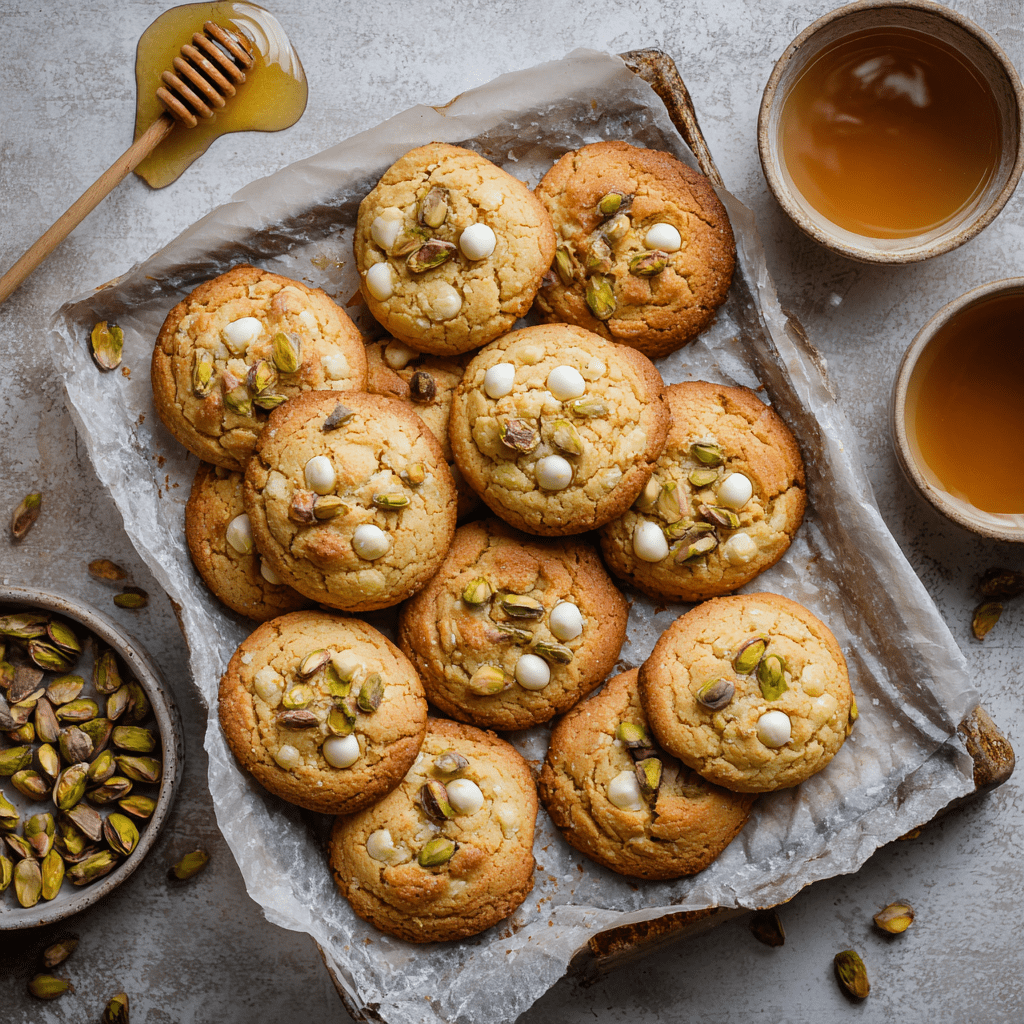
Salted Honey Pistachio Cookies are a sophisticated and unforgettable treat that elevates the classic chocolate chip cookie to new heights of flavor and texture. This recipe hinges on the deep, nutty complexity of brown butter, which forms a rich foundation that is beautifully complemented by the floral sweetness of honey and the savory crunch of roasted pistachios. The addition of white chocolate chips introduces creamy pockets of sweetness that balance the salty, nutty elements perfectly. Each cookie boasts a crisp edge that gives way to a wonderfully chewy center, a texture achieved by slightly underbaking them to preserve a soft, almost gooey interior. The final sprinkle of flaky sea salt just out of the oven is not merely a garnish but an essential component, heightening every other flavor and creating a truly addictive sweet-and-salty experience.

The process of browning the butter is the soul of this recipe, transforming it from a simple ingredient into an aromatic powerhouse with notes of toffee and hazelnut. This extra step, while simple, imbues the entire cookie dough with a warmth and depth that standard melted butter cannot achieve. The honey not only contributes its distinct flavor but also works with the brown sugar to ensure the cookies remain moist and chewy for days. The vibrant green pistachios provide a delightful crunch and a visually stunning contrast to the golden cookie dough and white chocolate chips. These cookies are a testament to the power of quality ingredients and thoughtful technique, resulting in a confection that is both rustic and elegant, perfect for holiday cookie plates, gift-giving, or simply as a special treat with an afternoon coffee.

Why You’ll Love This Recipe:

• Complex Flavor Profile: The combination of brown butter, honey, pistachios, and sea salt creates a multi-layered taste experience that is sophisticated and unique.
• Perfect Texture: Crispy on the outside, chewy on the inside, with delightful crunchy bits from the pistachios.
• Impressively Gourmet: These cookies look and taste like they came from a high-end bakery, yet they are achievable for any home baker.
• Aromatic and Irresistible: The smell of brown butter and honey baking will fill your kitchen with an incredible aroma.

Ingredients:

  • 1 cup (226g) unsalted butter
  • 1/2 cup (100g) light brown sugar, packed
  • 1/4 cup (50g) granulated sugar
  • 1/2 cup (170g) honey
  • 1 large egg, at room temperature
  • 1 tablespoon pure vanilla extract
  • 1 teaspoon coarse sea salt (for the dough)
  • 1 teaspoon baking soda
  • 2 1/2 cups (312g) all-purpose flour
  • 1 cup (125g) roasted, salted pistachios, roughly chopped
  • 1 cup (170g) white chocolate chips
  • Flaky sea salt, for sprinkling (such as Maldon)

Instructions:

Step 1: Brown the Butter
• Place the butter in a light-colored medium saucepan over medium heat. Melt the butter completely, then continue to cook, swirling the pan occasionally. The butter will foam and crackle. After a few minutes, the crackling will subside, and you will see brown specks forming at the bottom of the pan. Once it develops a nutty aroma and turns a deep amber color (about 5-6 minutes total), immediately remove it from the heat to prevent burning.
• Pour the browned butter, including the brown bits, into a heat-safe bowl. Allow it to cool for 20-30 minutes. It should still be liquid but no longer hot to the touch.

Step 2: Preheat and Prepare
• While the butter cools, preheat your oven to 350°F (175°C). Line two large baking sheets with parchment paper.

Step 3: Combine Wet Ingredients
• In the bowl of a stand mixer fitted with the paddle attachment (or using a hand mixer), combine the cooled brown butter, brown sugar, and granulated sugar. Mix on medium speed for about 1 minute until well combined. The mixture will be gritty and liquid.
• Add the honey, room-temperature egg, vanilla extract, 1 teaspoon of coarse sea salt, and baking soda. Beat for another minute on medium speed until the mixture is smooth and fully emulsified.

*Step 4: Incorporate Dry Ingredients and Mix-Ins*
• Reduce the mixer speed to low. Gradually add the all-purpose flour, mixing just until the last streaks of flour disappear. Do not overmix.
• Use a spatula to gently fold in the chopped pistachios and white chocolate chips until they are evenly distributed throughout the dough.

Step 5: Portion the Dough
• Using a medium cookie scoop (about 2 tablespoons), portion the dough onto the prepared baking sheets, spacing the balls about 2 inches apart to allow for spreading.

Step 6: Bake to Perfection
• Bake one sheet at a time in the center of the preheated oven for 8-9 minutes. The cookies are done when the edges are set and lightly golden, but the centers still look soft, puffy, and slightly underbaked.
• Crucial Step: Immediately upon removing the cookies from the oven, gently tap the baking sheet on the counter to deflate them slightly and create a chewier texture. Then, while they are still hot, sprinkle each cookie with a pinch of flaky sea salt.

Step 7: Cool and Serve
• Allow the cookies to cool on the baking sheet for 5-10 minutes before transferring them to a wire rack to cool completely. This allows them to set up properly.

Tips:

• Use a Light-Colored Pan: A light-colored saucepan allows you to easily monitor the color change of the butter as it browns, preventing it from burning.
• Room Temperature Egg: Using a room-temperature egg prevents it from cooking when mixed into the warm brown butter and ensures a smoother, more homogeneous dough.
• Don’t Overbake: The key to a chewy center is taking the cookies out when they still look a bit underdone in the middle. They will continue to cook on the hot baking sheet.
• Chilling the Dough (Optional): For a thicker, slightly denser cookie, you can cover and chill the dough for 30-60 minutes before scooping and baking.

Storage Options:

• Room Temperature: Store cooled cookies in an airtight container at room temperature for up to 5 days.
• Freezing Dough: The cookie dough balls freeze excellently. Place scooped balls on a parchment-lined sheet, freeze until solid, then transfer to a freezer bag. Bake from frozen, adding 1-2 minutes to the baking time.
• Freezing Baked Cookies: Fully baked cookies can also be frozen in an airtight container for up to 3 months. Thaw at room temperature.

Salted Honey Pistachio Cookies are a masterclass in balancing flavors and textures. The effort taken to brown the butter is repaid tenfold in the depth and richness of each delicious bite. Enjoy!

Georgia’s Loaded Baked Beans

0

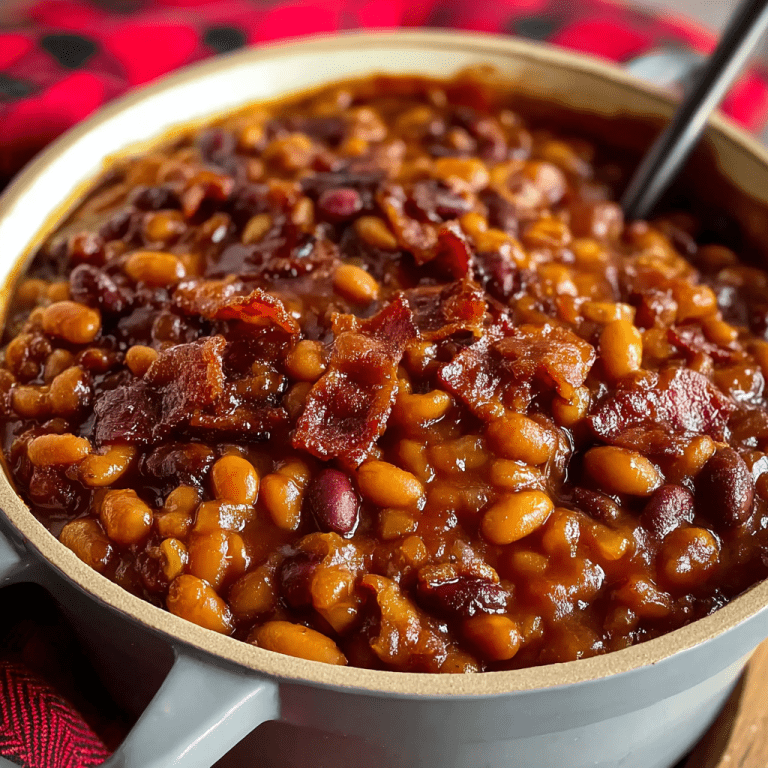
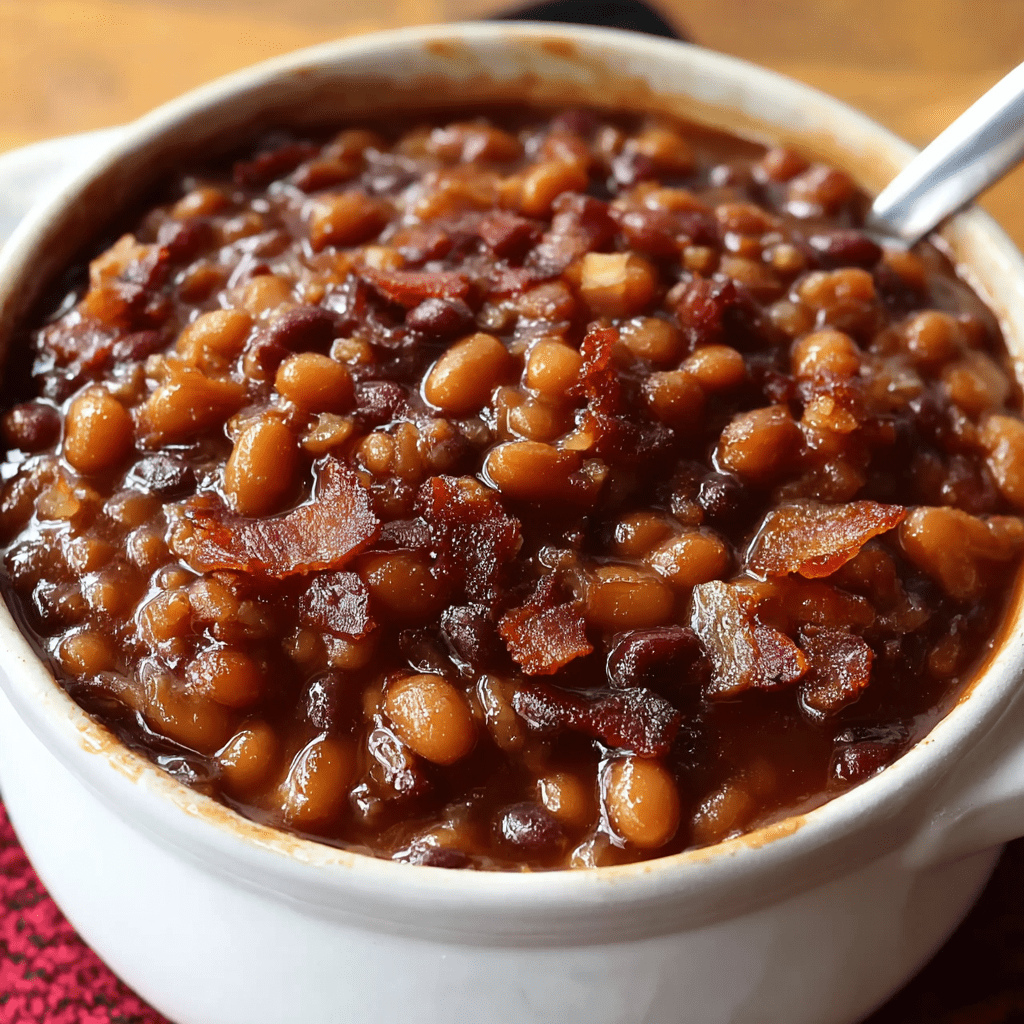
Georgia’s Loaded Baked Beans are the ultimate potluck and barbecue side dish, a hearty, smoky, and irresistibly flavorful upgrade to the classic canned version. This recipe transforms humble beans into a thick, savory, and slightly sweet casserole that is packed with texture and depth. It starts by building a foundation of crispy, rendered bacon and sautéed onions and garlic, creating a rich flavor base that infuses every bite. A trio of beans—pork and beans, kidney beans, and black beans—provides a wonderful variety of sizes and textures, while a homemade sauce blending barbecue sauce, ketchup, brown sugar, and spices ties everything together with a perfect balance of tangy, sweet, and smoky notes. Baked until bubbly and caramelized on top, these beans are a satisfying side dish that often steals the show.

The genius of this recipe lies in its layered approach to flavor. By cooking the bacon first and using its rendered fat to sauté the aromatics, you ensure that the entire dish is imbued with a deep, smoky savoriness. The sauce is a masterful combination where the Worcestershire adds umami depth, the mustard provides a subtle tang, and the smoked paprika enhances the bacony, smoky profile. The slow bake in the oven is crucial, as it allows the flavors to meld together beautifully and the sauce to thicken, concentrating its richness. These beans are more than a side; they are a robust, comforting dish that pairs perfectly with grilled meats, hot dogs, and burgers, but are substantial enough to stand on their own. They are a guaranteed crowd-pleaser that will have everyone asking for the recipe.

Why You’ll Love This Recipe:

• The Ultimate Crowd-Pleaser: This dish is always a hit at potlucks, barbecues, and family gatherings, disappearing fast from the table.
• Deep, Smoky Flavor: The combination of bacon, smoked paprika, and barbecue sauce creates an incredibly rich and complex flavor profile.
• Perfect Make-Ahead Dish: The flavor actually improves if made a day ahead, making it perfect for stress-free entertaining.
• Hearty and Satisfying: Packed with protein and fiber, this is a substantial side dish that can easily serve as a main course.

Ingredients:

  • 1 pound bacon, diced
  • 1 large yellow onion, chopped
  • 2 cloves garlic, minced
  • 2 cans (28 ounces each) pork and beans (do not drain)
  • 1 can (15 ounces) kidney beans, drained and rinsed
  • 1 can (15 ounces) black beans, drained and rinsed
  • 1/2 cup your favorite barbecue sauce
  • 1/4 cup ketchup
  • 1/4 cup packed brown sugar (light or dark)
  • 1 tablespoon Worcestershire sauce
  • 1 tablespoon yellow mustard
  • 1 teaspoon smoked paprika
  • Salt and freshly ground black pepper, to taste

Instructions:

Step 1: Cook the Bacon and Aromatics
• In a large skillet or Dutch oven over medium heat, cook the diced bacon until it is brown and crispy. Using a slotted spoon, remove the bacon and set it aside on a paper towel-lined plate, leaving the rendered bacon drippings in the skillet.
• Add the chopped onion to the hot bacon drippings and sauté for 5-6 minutes, until softened and translucent. Add the minced garlic and cook for 1 more minute, stirring constantly, until fragrant.

Step 2: Combine the Beans and Bacon
• In a large 3-quart baking dish or oven-safe Dutch oven, combine the two cans of pork and beans (with their sauce), the drained and rinsed kidney beans, and the drained and rinsed black beans. Add the cooked bacon and the sautéed onion and garlic mixture. Stir to combine.

Step 3: Prepare the Sauce
• In a medium bowl, whisk together the barbecue sauce, ketchup, brown sugar, Worcestershire sauce, yellow mustard, smoked paprika, salt, and pepper. Pour this sauce over the bean mixture and stir until everything is evenly coated.

Step 4: Preheat and Bake Covered
• Preheat your oven to 350°F (175°C). Cover the baking dish tightly with aluminum foil.
• Bake for 45 minutes. This covered baking time allows the beans to heat through thoroughly and the flavors to meld together.

Step 5: Finish Baking Uncovered
• Carefully remove the foil from the baking dish. Return the dish to the oven and bake, uncovered, for an additional 15-20 minutes. This final step allows the sauce to thicken and the top to become slightly caramelized.

Step 6: Rest and Serve
• Remove the beans from the oven and let them cool for about 10 minutes before serving. This allows the sauce to set slightly. Serve warm.

Tips:

• Bacon Choice: For a smokier flavor, use a hickory-smoked bacon. For a sweeter contrast, a maple-flavored bacon works wonderfully.
• Bean Varieties: Feel free to customize the bean mix. Pinto beans, cannellini beans, or great northern beans are all excellent alternatives or additions.
• Spice Level: For a spicy kick, add a few dashes of hot sauce to the sauce mixture, or use a spicy barbecue sauce.
• Dutch Oven Method: If using a Dutch oven on the stovetop, you can complete the first two steps in the same pot, then transfer it directly to the oven for baking, minimizing cleanup.

Storage Options:

• Refrigerator: Store leftovers in an airtight container in the refrigerator for up to 5 days. The flavors will continue to develop, making them even more delicious the next day.
• Reheating: Reheat gently in a saucepan on the stovetop over low heat, adding a splash of water if the sauce has thickened too much. Alternatively, reheat in the microwave, stirring occasionally.
• Freezing: This dish freezes very well. Cool completely and transfer to a freezer-safe container. Freeze for up to 3 months. Thaw overnight in the refrigerator before reheating.

Georgia’s Loaded Baked Beans are a hearty, flavor-packed side dish that elevates a classic to new heights. Their smoky, savory, and sweet profile makes them the perfect companion for any grilled meal and a guaranteed favorite at any table. Enjoy

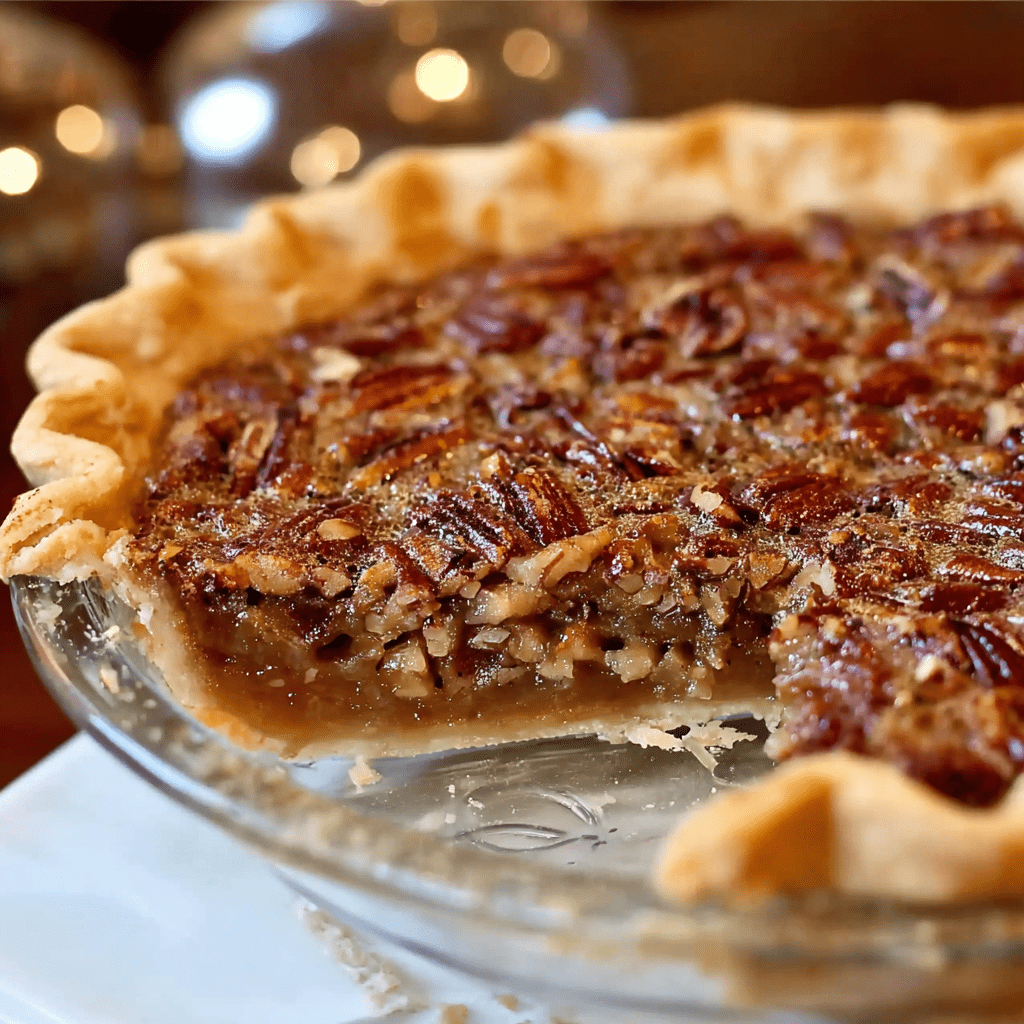
Southern Pecan Pie

0

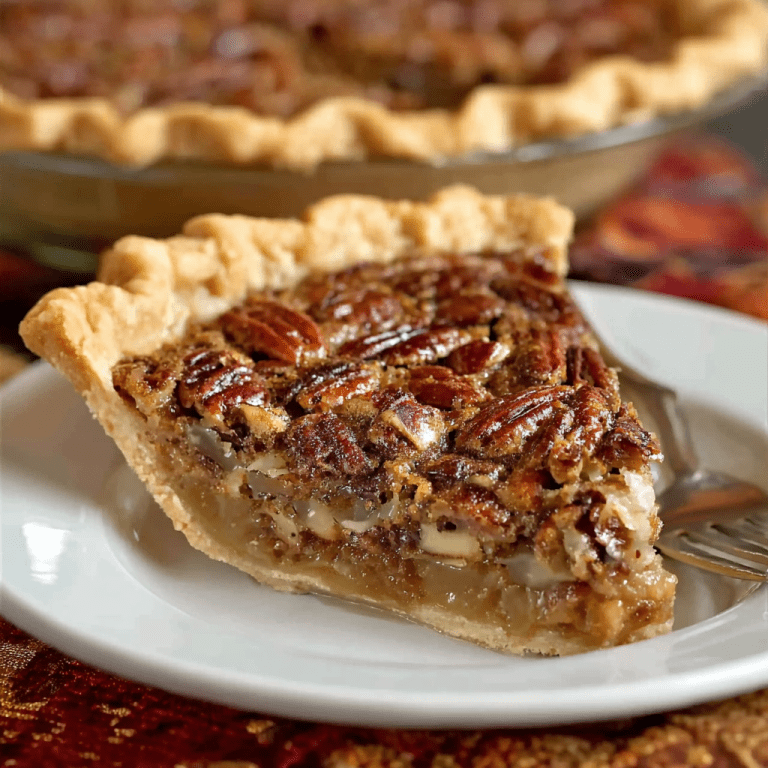
Southern Pecan Pie is more than just a dessert; it is a cherished icon of American baking, a symbol of warmth, hospitality, and rich tradition, particularly in the South. This recipe delivers the classic, quintessential version—a deep, amber-colored filling that is simultaneously rich, sweet, and custardy, encasing a generous layer of toasted, buttery pecans, all housed within a flaky, tender pie crust. The filling achieves a perfect balance of textures, firming to a soft set that is dense without being heavy, while the pecans on top become beautifully roasted during baking, adding a delightful crunch to every slice. It’s a pie that commands attention on any holiday table, from Thanksgiving to Christmas, and is guaranteed to evoke a sense of comfort and celebration with its timeless, decadent flavor.

The magic of a great pecan pie lies in its beautiful simplicity and the chemical reaction that occurs during baking. The combination of eggs, corn syrup, and sugar creates a filling that is inherently sweet but is masterfully balanced by the savory, slightly bitter notes of the pecans and the depth of brown sugar and vanilla. The corn syrup is essential not just for sweetness, but for providing a smooth, non-crystalline texture that is the hallmark of a perfect slice. As the pie bakes, the pecans rise to the top, forming a gorgeous, natural mosaic, while the filling sets firmly beneath. Allowing the pie to cool completely is not a suggestion but a requirement, as this cooling period is when the filling achieves its final, sliceable yet lusciously gooey consistency. This pie is a testament to the fact that the most beloved desserts are often those that honor tradition with flawless execution.

Why You’ll Love This Recipe:

• Timeless and Classic: This is the traditional, foolproof pecan pie recipe that has been loved for generations.
• Perfect Texture: Achieves the ideal balance of a firm, custardy filling and a crunchy, toasted pecan topping.
• Surprisingly Simple: With mostly pantry staples, the recipe is straightforward and requires no special skills beyond patience for cooling.
• The Ultimate Holiday Dessert: Its rich, decadent nature makes it the perfect centerpiece for Thanksgiving, Christmas, or any special occasion.

Ingredients:

  • 1 (9-inch) unbaked or frozen deep-dish pie crust, thawed if frozen
  • 2 ½ cups pecans, coarsely chopped (plus whole halves for topping, optional)
  • 3 large eggs, at room temperature
  • 1 cup light or dark corn syrup
  • ¾ cup packed light or dark brown sugar
  • 3 tablespoons unsalted butter, melted and slightly cooled
  • 1 teaspoon pure vanilla extract
  • 1 teaspoon ground cinnamon
  • ½ teaspoon salt

Instructions:

Step 1: Preheat Oven and Prepare Crust
• Preheat your oven to 350°F (175°C). If using a homemade or store-bought refrigerated pie crust, fit it into a 9-inch pie plate and crimp the edges. Place the unbaked pie shell on a baking sheet; this makes it easier to handle and catches any potential drips.

Step 2: Add the Pecans
• Spread the coarsely chopped pecans evenly over the bottom of the unbaked pie shell. For a more decorative top, you can reserve ½ cup of pecan halves and arrange them in a circular pattern on top of the chopped pecans.

Step 3: Prepare the Filling
• In a large bowl, whisk the eggs until they are well beaten and uniform in color. Add the corn syrup, packed brown sugar, melted (and slightly cooled) butter, vanilla extract, ground cinnamon, and salt.
• Whisk the mixture vigorously until all ingredients are completely smooth and well combined. It is important that the brown sugar is fully dissolved and incorporated.

Step 4: Combine and Bake
• Carefully pour the filling mixture over the pecans in the pie shell. The pecans will float to the top, which is perfect. Gently tap the pie plate on the counter to release any air bubbles.

Step 5: Bake to Perfection
• Place the pie (on the baking sheet) into the preheated oven. Bake for 55-60 minutes. The pie is done when the edges are set and puffed, but the center still has a slight, gentle jiggle when you nudge the pan—similar to Jell-O. The crust should be a deep golden brown.

Step 6: Cool Completely
• This is the most critical step. Remove the pie from the oven and place it on a wire cooling rack. Allow it to cool completely, for at least 2-3 hours, or until it reaches room temperature. This cooling time is non-negotiable, as it allows the filling to set properly. Cutting into a warm pecan pie will result in a runny mess.

Step 7: Serve
• Once completely cool, slice the pie with a sharp knife. Serve as is, or with a dollop of whipped cream or a scoop of vanilla ice cream.

Tips:

• Prevent a Burnt Crust: If the edges of your pie crust begin to brown too quickly during baking, tent them with strips of aluminum foil or a pie crust shield for the remaining baking time.
• Room Temperature Eggs: Using room temperature eggs helps them incorporate more smoothly into the filling, ensuring an even texture.
• Toasting Pecans (Optional but Recommended): For a deeper, nuttier flavor, spread the pecans on a baking sheet and toast them in the 350°F oven for 5-7 minutes before chopping and adding to the pie shell. Let them cool slightly first.
• The Jiggle Test: Trust the jiggle test over a specific timer. Ovens vary, and the perfect pecan pie is slightly underbaked rather than overbaked, which can make the filling tough and watery.

Storage Options:

• Room Temperature: The pie can be kept, covered loosely with foil or plastic wrap, at room temperature for up to 2 days.
• Refrigerator: For longer storage, refrigerate the pie for up to 5 days. The texture is best served at room temperature, so remove it from the fridge about an hour before serving.
• Freezer: Baked pecan pie freezes very well. Wrap the cooled pie tightly in plastic wrap and then foil. Freeze for up to 2 months. Thaw overnight in the refrigerator before serving.

Southern Pecan Pie is a masterpiece of simplicity and flavor, a dessert that embodies the very spirit of celebration and comfort. Its rich, sweet, and nutty profile is a timeless treasure that never fails to impress. Enjoy

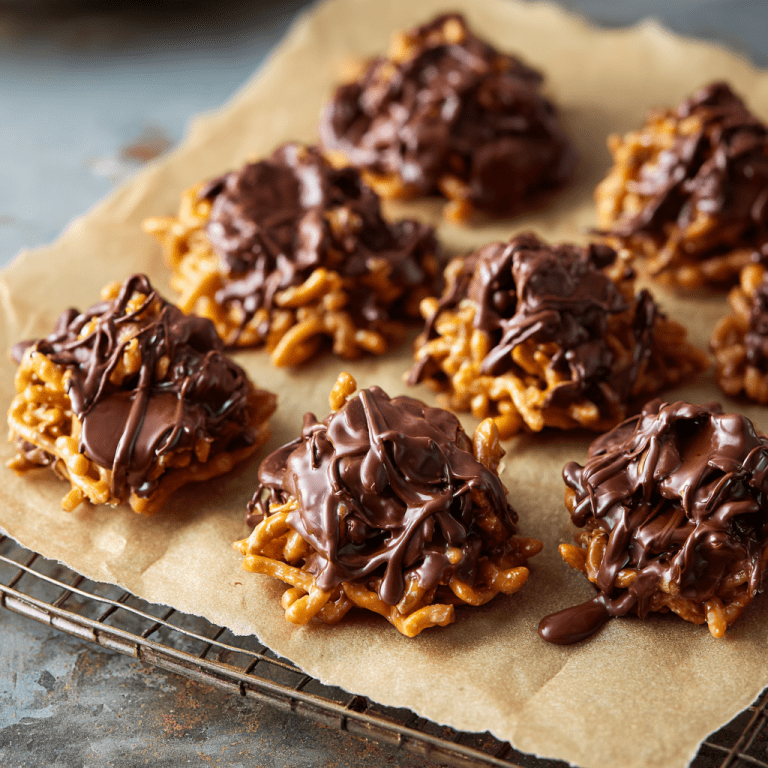
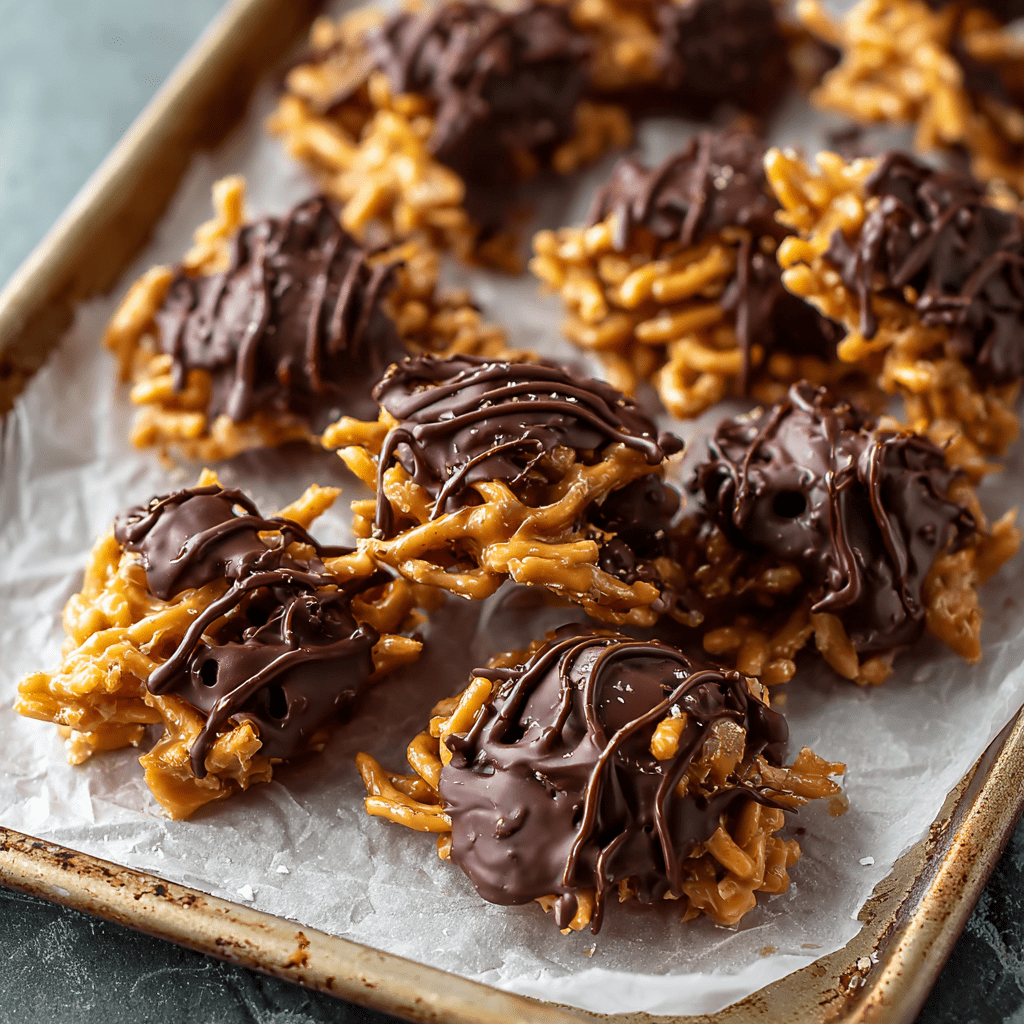
Chocolate Peanut Butter Haystacks

0

Chocolate Peanut Butter Haystacks are a delightfully simple, no-bake confection that delivers an irresistible combination of sweet, salty, crunchy, and chewy textures in every single bite. This classic treat brilliantly combines creamy peanut butter and rich butterscotch chips into a smooth, velvety base that perfectly coats crisp chow mein noodles and salty peanuts, creating a cluster that resembles a whimsical haystack. The final drizzle of melted chocolate adds a layer of decadent flavor and a beautiful finished appearance. These haystacks are the epitome of easy dessert perfection, requiring no oven, no fancy equipment, and just a few minutes of active preparation, making them an ideal project for novice cooks, a fun activity to do with children, or a last-minute lifesaver when you need a quick and crowd-pleasing sweet treat.

The genius of this recipe lies in its foolproof method and its universally loved flavor profile. The microwave melts the chips and peanut butter into a seamless, glossy mixture that acts as both a glue and a flavor powerhouse, binding the crunchy elements together. The chow mein noodles provide an uniquely light and airy crunch that is far more interesting than typical cereal, while the peanuts add a robust, savory saltiness that cuts through the sweetness and prevents the treat from being cloying. As they set at room temperature, the haystacks transform into a firm yet tender cookie that is easy to handle and absolutely addictive. They are a timeless potluck staple, a holiday cookie plate favorite, and a guaranteed hit that proves the most delicious creations are often the simplest.

Why You’ll Love This Recipe:

• No-Bake and Effortless: Requires zero baking and comes together in under 15 minutes, with no special skills or tools needed.
• Irresistible Texture and Flavor: Offers a perfect symphony of creamy, crunchy, salty, and sweet in one delightful mouthful.
• Perfect for All Ages: A fantastic recipe to make with kids, as it involves simple stirring and dropping.
• Great for Gifting: These haystacks are beautiful, portable, and stay fresh, making them perfect for cookie boxes, party favors, or neighbor gifts.

Ingredients:

  • 1 cup semi-sweet chocolate chips
  • 1 cup butterscotch chips
  • 1 cup creamy peanut butter (not natural style)
  • 4 cups chow mein noodles
  • 1 cup salted peanuts

Instructions:

Step 1: Prepare the Baking Sheets
• Line two large baking sheets with parchment paper or wax paper. This prevents the haystacks from sticking and makes for easy cleanup.

Step 2: Melt the Butterscotch and Peanut Butter Mixture
• In a large, microwave-safe bowl, combine the butterscotch chips and the creamy peanut butter.
• Microwave on high power for 60 seconds. Remove the bowl and stir well. Return to the microwave and heat in additional 20-30 second intervals, stirring vigorously after each interval, until the mixture is completely smooth and fluid.

Step 3: Melt the Chocolate Chips
• In a separate, smaller microwave-safe bowl, place the semi-sweet chocolate chips.
• Microwave on high power for 60 seconds. Stir. Continue heating in 15-20 second intervals, stirring after each, until the chocolate is completely melted and smooth.

Step 4: Combine the Base
• To the large bowl with the smooth butterscotch and peanut butter mixture, add the chow mein noodles and the salted peanuts.
• Using a rubber spatula, gently fold the ingredients together until the noodles and peanuts are evenly and thoroughly coated. Be careful not to break the noodles excessively.

Step 5: Form the Haystacks
• Using two spoons or a small cookie scoop, drop tablespoon-sized mounds of the mixture onto the prepared baking sheets, spacing them about an inch apart. You can form them into loose, rustic “haystack” shapes.

Step 6: Drizzle with Chocolate
• Using a spoon, drizzle the melted chocolate over the top of each haystack. Alternatively, you can transfer the melted chocolate to a small zip-top bag, snip off a tiny corner, and pipe the drizzle for more control.

Step 7: Set and Harden
• Allow the haystacks to cool at room temperature until the coating is completely firm and set. This will take between 30 minutes to 1 hour. For faster setting, you can place the trays in the refrigerator for 15-20 minutes.

Step 8: Serve and Enjoy
• Once firm, peel the haystacks from the parchment paper and serve. Store any leftovers in an airtight container.

Tips:

• Use Fresh Chow Mein Noodles: Ensure your chow mein noodles are fresh and crisp. Stale noodles will result in a soft, less enjoyable texture.
• Stir Vigorously: When melting the chips, stirring thoroughly after each microwave interval is key. The residual heat will often melt the remaining lumps without requiring more microwave time, preventing the mixture from burning.
• Gentle Folding: Fold the noodles and peanuts into the melted mixture gently to avoid crushing the noodles into tiny pieces. You want to maintain their structural integrity.
• Customize Your Add-Ins: Feel free to substitute the peanuts with other mix-ins like raisins, crispy rice cereal, or shredded coconut.

Storage Options:

• Room Temperature: Store haystacks in a single layer in an airtight container at cool room temperature for up to 5 days. Place parchment paper between layers if stacking is necessary.
• Refrigerator: For longer storage or in warmer climates, they can be stored in the refrigerator for up to 2 weeks. Let them come to room temperature for a few minutes for the best texture and flavor.
• Freezer: These haystacks freeze exceptionally well. Place them in a single layer on a baking sheet to freeze solid, then transfer to a freezer-safe bag or container. They will keep for up to 3 months. Thaw at room temperature.

Chocolate Peanut Butter Haystacks are a timeless, no-fuss treat that delivers maximum satisfaction with minimal effort. Their incredible crunch and perfect sweet-and-salty balance make them an unforgettable favorite for any occasion. Enjoy

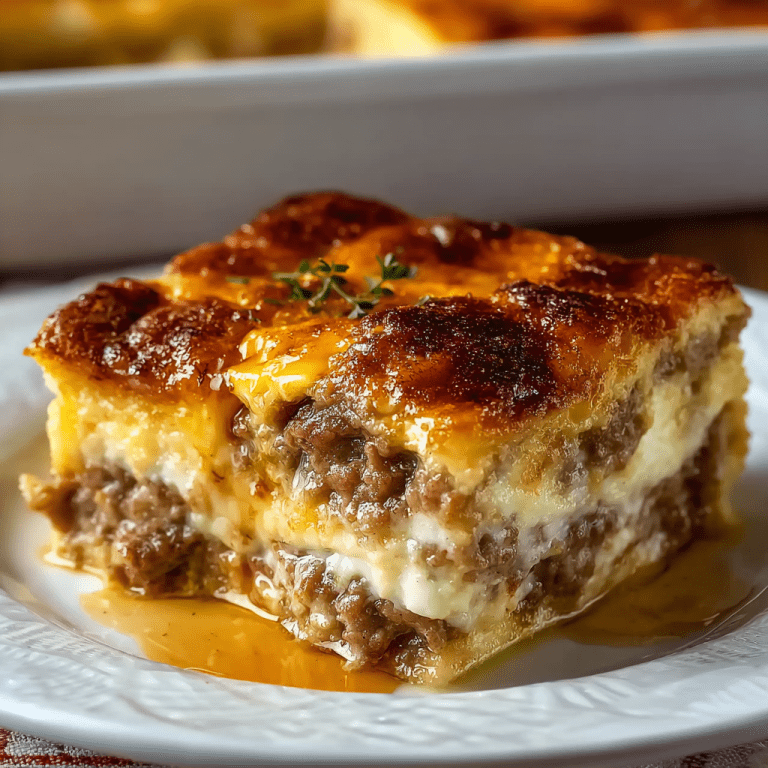
Pancake Sausage Casserole

0

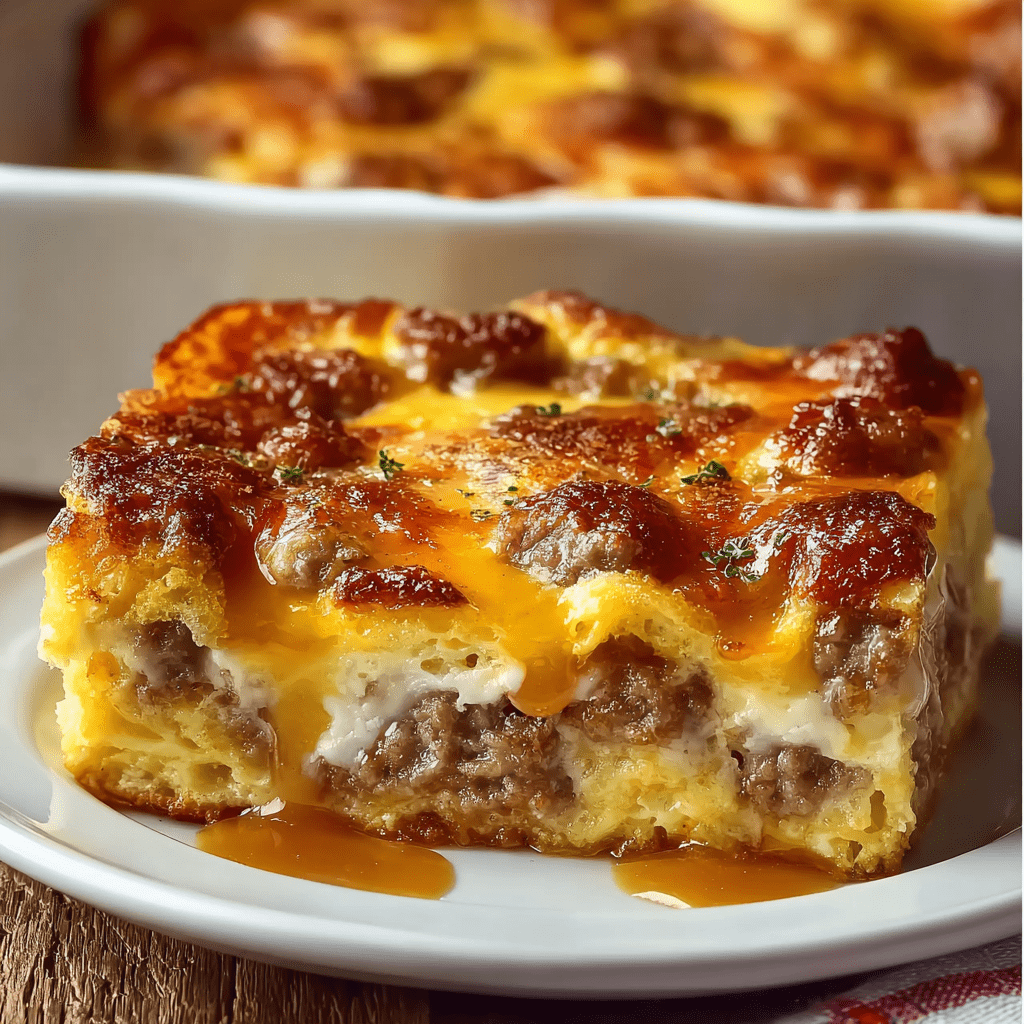
Pancake Sausage Casserole is the ultimate breakfast convenience, a ingenious dish that transforms the classic morning duo of fluffy pancakes and savory sausage into a hearty, all-in-one bake that is perfect for feeding a crowd. This recipe brilliantly layers a simple, sweet pancake batter with crumbled, cooked breakfast sausage, creating a satisfying contrast of flavors and textures in every single bite. The magic happens in the oven, where the batter rises around the sausage, baking into a golden, cake-like layer that is subtly infused with the maple syrup drizzled over the top. It’s the perfect solution for weekend brunches, holiday mornings, or even breakfast-for-dinner, offering all the comforting flavors you love without the need to stand over a griddle, flipping pancakes one by one.

What makes this casserole truly special is its incredible versatility and make-ahead potential. The preparation is straightforward and forgiving, making it an ideal project for novice cooks or a fun recipe to prepare with family. The optional addition of cinnamon to the batter introduces a warm, spiced note that beautifully complements the maple and sausage. As it bakes, the casserole puffs up slightly, with the top becoming lightly golden and crisp while the interior remains moist and tender. The result is a dish that is both familiar and novel—a cross between a savory bread pudding, a fluffy pancake, and a satisfying sausage patty, all baked into a convenient, sliceable format. It’s a guaranteed crowd-pleaser that will have everyone coming back for seconds.

Why You’ll Love This Recipe:

• Feeds a Crowd Effortlessly: Bake a entire breakfast at once in a single dish, perfect for family gatherings, holidays, or house guests.
• No More Flipping Pancakes: Enjoy all the flavor of pancakes without the hassle of cooking them individually on a griddle.
• Perfect Make-Ahead Breakfast: Assemble the casserole the night before, cover, and refrigerate, then simply bake it in the morning for a stress-free meal.
• Customizable Base: Easily adapt this recipe by adding ingredients like shredded cheese, diced apples, or blueberries to the batter.

Ingredients:

  • 1 pound breakfast sausage (mild or spicy, based on preference)
  • 2 cups complete “just-add-water” pancake mix
  • 1 1/2 cups milk (whole or 2% recommended for richness)
  • 2 large eggs
  • 1 teaspoon vanilla extract
  • 1/2 cup pure maple syrup (plus more for serving)
  • 1/4 cup unsalted butter, melted
  • 1 teaspoon ground cinnamon (optional)
  • Butter or non-stick cooking spray, for greasing

Instructions:

Step 1: Preheat the Oven and Prepare the Dish
• Preheat your oven to 350°F (175°C). This temperature is ideal for cooking the casserole through without over-browning the top too quickly. Generously grease a 9×13-inch baking dish with butter or non-stick cooking spray.

Step 2: Cook the Sausage
• In a skillet over medium heat, cook the breakfast sausage, breaking it up with a spoon or spatula into small crumbles. Cook until it is evenly browned and no longer pink. Drain the excess fat thoroughly in a colander. This step is crucial to prevent a greasy casserole.

Step 3: Prepare the Pancake Batter
• In a large mixing bowl, combine the pancake mix, milk, eggs, vanilla extract, and the optional teaspoon of cinnamon. Whisk together until the ingredients are just combined. It is important not to overmix; a few small lumps are perfectly fine and will ensure a tender texture.

Step 4: Assemble the Casserole in Layers
• Pour approximately half of the prepared pancake batter into the bottom of the greased baking dish, spreading it into an even layer.
• Evenly distribute the drained, cooked sausage crumbles over the layer of batter.
• Carefully pour the remaining half of the pancake batter over the sausage layer, trying to cover it as evenly as possible. It’s okay if some sausage peaks through.

Step 5: Add the Sweet Topping
• Drizzle the ½ cup of maple syrup evenly over the entire top of the casserole. Then, drizzle the ¼ cup of melted butter over the syrup.

Step 6: Bake to Golden Perfection
• Place the baking dish in the preheated oven. Bake for 30-35 minutes. The casserole is done when the top is a deep golden brown, the edges are pulling away from the sides of the pan, and a toothpick or knife inserted into the center of the pancake layer comes out clean.

Step 7: Cool and Serve
• Remove the casserole from the oven and let it cool on a wire rack for 5-10 minutes before slicing. This allows it to set slightly, making it easier to cut into neat squares. Serve warm with extra maple syrup on the side.

Tips:

• Avoid Overmixing: Overmixing the pancake batter will develop the gluten in the flour, leading to a tough, dense casserole instead of a light and fluffy one. Mix until the dry ingredients are just moistened.
• Drain the Sausage Well: Taking the time to drain the cooked sausage on paper towels after browning will significantly improve the final texture of your casserole.
• Test for Doneness: Oven temperatures can vary. Start checking for doneness at the 30-minute mark. The center should be fully set and not jiggly.
• Make it Ahead: For an easy morning, assemble the entire casserole (through step 5), cover it tightly with plastic wrap, and refrigerate overnight. In the morning, let it sit at room temperature for 20 minutes while the oven preheats, then bake as directed.

Storage Options:

• Refrigerator: Store any leftover casserole in an airtight container in the refrigerator for up to 3 days.
• Reheating: Reheat individual portions in the microwave for 60-90 seconds until warmed through. For a crisper top, reheat in a toaster oven or conventional oven at 350°F (175°C) for 5-10 minutes.
• Freezing: This casserole freezes very well. Cool completely, then cut into individual portions. Wrap each portion tightly in plastic wrap and then foil. Freeze for up to 2 months. Reheat from frozen in the microwave (remove foil) or in the oven.

Pancake Sausage Casserole is the ultimate breakfast game-changer, combining convenience, comfort, and crowd-feeding power into one delicious, sliceable dish. It’s a surefire way to make any morning feel special. Enjoy

Garlic Butter Chicken Bites with Savory Parmesan Linguine

0

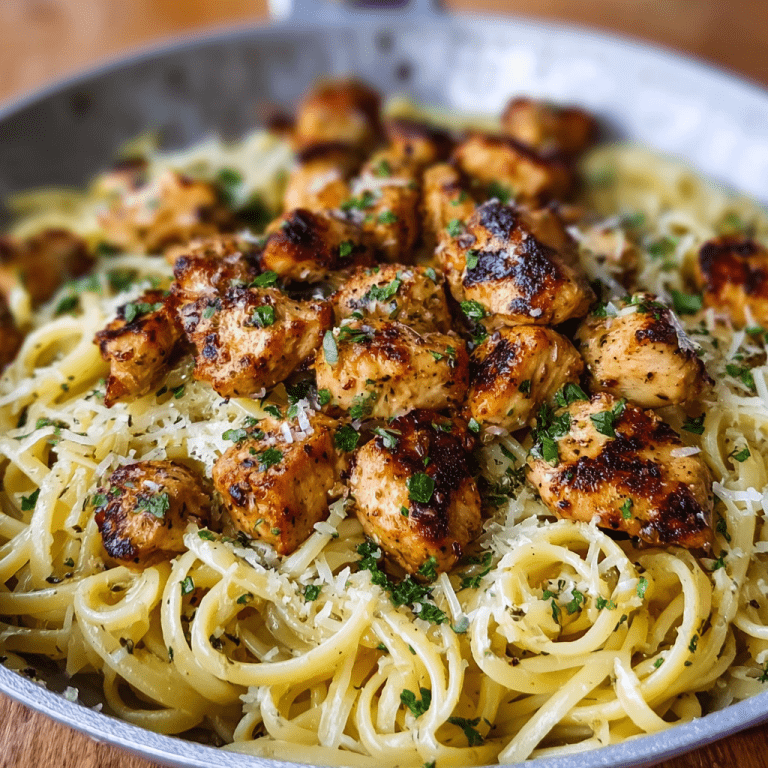
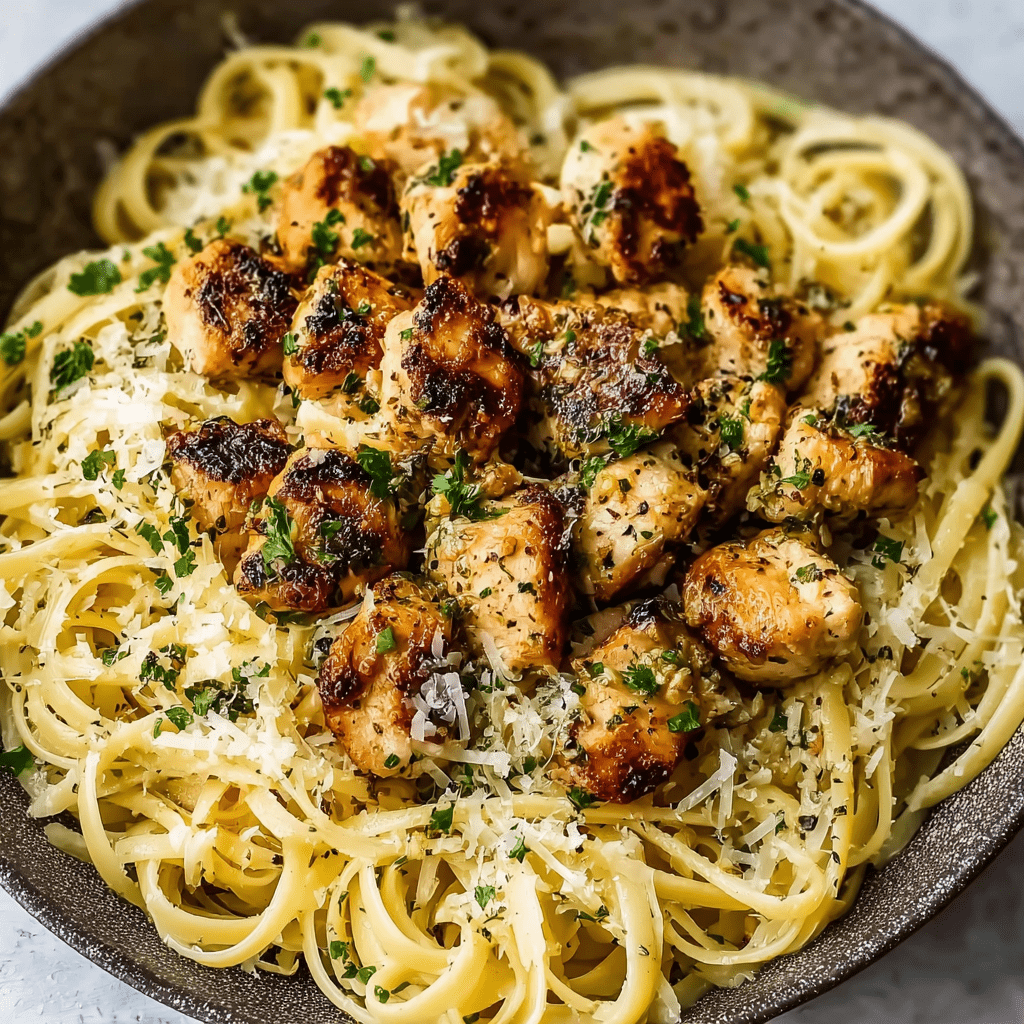
Garlic Butter Chicken Bites with Savory Parmesan Linguine is a restaurant-quality dish that delivers maximum flavor with minimal effort, making it the perfect choice for an impressive yet achievable weeknight dinner. This recipe transforms simple chicken breast into golden, juicy morsels that are seared to perfection and then enveloped in a luxuriously simple pan sauce made from melted butter, freshly minced garlic, and fragrant Italian seasoning. The sauce, rich with the rendered fond from the chicken, clings to every strand of al dente linguine, creating a cohesive and deeply savory dish. The final flourish of freshly grated Parmesan cheese and a sprinkle of bright parsley not only adds layers of salty, umami depth and freshness but also creates a beautiful presentation that belies its straightforward preparation.

The genius of this recipe lies in its efficient, one-pan approach that builds layers of flavor directly in the skillet. By cooking the pasta separately and then finishing it in the sauce, you achieve the ideal texture—firm yet tender pasta that has absorbed the garlicky, buttery essence of the chicken cooking juices. The key is to create a sauce in the same pan used to brown the chicken, ensuring not a single drop of flavor is lost. The Parmesan cheese, stirred in off the heat, melts into the residual warmth of the pasta and sauce, creating a creamy, velvety coating without any need for heavy cream. This dish is a masterclass in balancing rich, savory elements with fresh, herbal notes, resulting in a comforting, elegant, and universally appealing meal that feels both indulgent and wholesome.

Why You’ll Love This Recipe:

• Restaurant-Quality at Home: Achieves a sophisticated, complex flavor profile with simple, accessible ingredients and quick techniques.
• One-Pan Efficiency: Cooking the chicken and sauce in a single skillet maximizes flavor and minimizes cleanup.
• Incredibly Versatile: Easily adaptable with different herbs, a squeeze of lemon juice, or the addition of vegetables like spinach or sun-dried tomatoes.
• Quick and Impressive: Ready in the time it takes to boil pasta, making it perfect for a busy weeknight or a last-minute dinner guest.

Ingredients:

  • 1 lb chicken breast, boneless, skinless, cut into 1-inch bite-sized pieces
  • 2 tbsp olive oil
  • 4 tbsp unsalted butter
  • 4 cloves garlic, minced
  • 1 tsp Italian seasoning
  • salt, to taste
  • black pepper, to taste
  • 8 oz linguine pasta
  • 1/2 cup Parmesan cheese, freshly grated (plus more for serving)
  • 2 tbsp fresh parsley, chopped (for garnish)

Instructions:

Step 1: Cook the Pasta
• Bring a large pot of generously salted water to a rolling boil. Add the linguine and cook according to package directions until it is al dente, meaning it still has a slight bite to it. Reserve about ½ cup of the starchy pasta water before draining. Drain the pasta and set it aside.

Step 2: Cook the Chicken
• Pat the chicken pieces completely dry with paper towels. This is essential for achieving a golden-brown sear instead of steaming.
• In a large skillet, heat the olive oil over medium-high heat. Once the oil is shimmering, add the chicken in a single layer, ensuring the pieces are not crowded (work in batches if necessary). Season generously with salt, pepper, and the Italian seasoning.
• Cook without moving for 2-3 minutes to allow a golden crust to form, then flip and cook for another 3-4 minutes, or until the chicken is cooked through and golden brown on all sides. Remove the chicken to a clean plate.

Step 3: Create the Garlic Butter Sauce
• Reduce the heat to medium. In the same skillet, add the unsalted butter. Once melted, add the minced garlic. Cook for 1-2 minutes, stirring constantly, until the garlic is incredibly fragrant but not browned. Browning the garlic will make it bitter.

Step 4: Combine and Finish the Dish
• Return the cooked chicken and any accumulated juices back to the skillet. Add the drained linguine directly into the skillet with the garlic butter sauce. Using tongs, toss everything together until the pasta is evenly coated and glistening.
• Remove the skillet from the heat. Sprinkle the freshly grated Parmesan cheese over the pasta and chicken. Toss continuously until the cheese has melted into the residual heat, creating a creamy sauce that coats every element. If the sauce seems too thick, add a small splash of the reserved pasta water to loosen it.

Step 5: Garnish and Serve
• Taste and adjust seasoning with more salt or pepper if needed. Transfer to serving plates or a large platter. Garnish generously with chopped fresh parsley and an extra sprinkle of Parmesan cheese. Serve immediately.

Tips:

• The Power of Pasta Water: The starchy water reserved from cooking the pasta is liquid gold. It helps emulsify the butter and cheese into a smooth, restaurant-quality sauce that clings perfectly to the linguine.
• Freshly Grated Parmesan: For the best melting and flavor, always grate your own Parmesan cheese from a block. Pre-shredded cheese contains anti-caking agents that can make the sauce grainy.
• Don’t Crowd the Pan: overcrowding the skillet when browning the chicken will cause it to steam instead of sear. Cook in batches if your skillet isn’t large enough to hold the chicken in a single layer without touching.
• Add Vegetables: Sauté sliced mushrooms, cherry tomatoes, or spinach in the skillet after cooking the chicken and before making the sauce for a more complete meal.

Storage Options:

• Refrigerator: Store leftovers in an airtight container in the refrigerator for up to 3 days. The pasta will absorb the sauce, so it will be less saucy upon reheating.
• Reheating: Reheat gently in a skillet over low heat, adding a small splash of chicken broth, milk, or water to help loosen the sauce and restore creaminess. The microwave can also be used, though it may dry out the chicken slightly.
• Freezing: Freezing is not recommended, as the dairy-based sauce is likely to separate and the pasta will become very soft upon thawing.

Garlic Butter Chicken Bites with Savory Parmesan Linguine is a flawless, foolproof recipe that proves you don’t need complex ingredients to create a truly memorable and delicious meal. It’s a guaranteed crowd-pleaser that will earn a permanent spot in your culinary repertoire. Enjoy