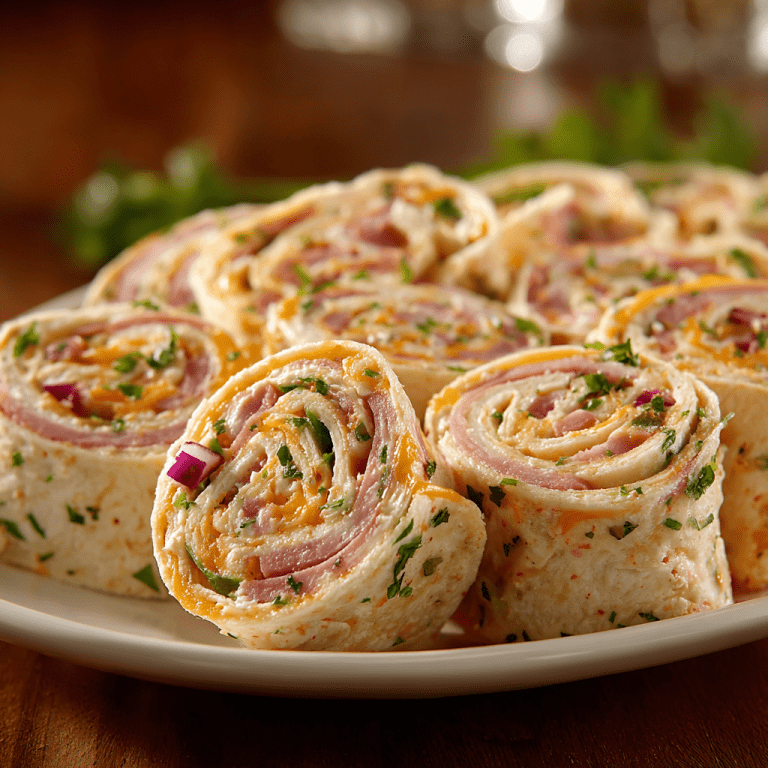
Zesty Pinwheels

0

Zesty Pinwheels are the ultimate no-cook appetizer, a vibrant and flavorful party snack that is as fun to make as it is to eat. These pinwheels combine a creamy, tangy, and subtly spicy cheese spread with the savory crunch of diced ham, bell pepper, and red onion, all rolled up in a soft flour tortilla. The magic lies in the balance of flavors and textures: the rich cream cheese and sour cream base is kicked up a notch with sriracha and garlic powder, creating a spread that is addictive without being overly hot. When sliced into beautiful spirals, each bite-sized piece reveals a colorful, layered interior that is perfect for grazing. They are an indispensable addition to any gathering, from game day spreads and potlucks to holiday parties, because they can be made ahead of time and are always one of the first items to vanish from the platter.

What makes this recipe truly exceptional is its brilliant simplicity and flexibility. The preparation involves no baking or cooking, just mixing, spreading, and rolling. The mandatory 20-minute chilling period is the only secret to a perfect pinwheel; it firms up the filling, making the rolls easy to slice into neat, clean pieces that hold their shape. This recipe is also a fantastic canvas for customization. You can easily adjust the level of heat by increasing or decreasing the sriracha, or swap out the ham for other proteins like cooked bacon, turkey, or even shredded chicken. The vegetables can be altered based on preference or what you have on hand, making this a go-to recipe for using up leftovers in a delicious and impressive way.

Why You’ll Love This Recipe:

• Perfect Make-Ahead Appetizer: These need to be chilled, making them an ideal stress-free option for entertaining.
• Crowd-Pleasing Flavor: The combination of creamy, spicy, salty, and crunchy appeals to a wide range of tastes.
• No Cooking Required: A quick and easy recipe that requires only assembly and a short chill time.
• Easily Customizable: Endlessly adaptable with your favorite meats, cheeses, and veggies.

Ingredients:

  • 6 large (10-inch) flour tortillas
  • 8 oz cream cheese, softened to room temperature
  • 1 cup sour cream
  • 2 tablespoons sriracha sauce (adjust to taste)
  • 1/2 teaspoon granulated garlic powder
  • 1 1/2 cups sliced ham, finely diced
  • 1 green bell pepper, seeds removed, finely diced
  • 1 cup red onion, finely diced
  • 1 1/2 cups pepper jack cheese, grated

Instructions:

Step 1: Prepare the Cream Cheese Spread
• In a medium mixing bowl, combine the softened cream cheese, sour cream, grated pepper jack cheese, sriracha, and garlic powder. Using a hand mixer or a sturdy spatula, beat the mixture until it is completely smooth and well combined.

Step 2: Soften the Tortillas
• To make the tortillas more pliable and prevent cracking when rolled, warm them slightly. You can do this by heating them one at a time in a dry skillet over medium heat for 10-15 seconds per side, or by stacking them on a plate and microwaving for 15-20 seconds, covered with a damp paper towel.

Step 3: Assemble the Pinwheels
• Lay one tortilla flat on a clean work surface. Using an offset spatula or the back of a spoon, spread a thin, even layer of the cream cheese mixture over the entire surface of the tortilla, leaving a half-inch border around the edges.
• Sprinkle a generous amount of the diced ham, green pepper, and red onion evenly over the cream cheese layer.

Step 4: Roll Tightly
• Starting from the bottom edge, tightly and evenly roll the tortilla away from you, applying gentle pressure to create a firm log. Be careful not to squeeze the filling out of the ends.

Step 5: Trim and Slice
• Once rolled, use a sharp knife to trim off the very ends of the log, which often have little filling. This creates a neat presentation.
• Slice the remaining log into 1-inch to 2-inch thick pinwheels. Repeat the process with the remaining tortillas and filling.

Step 6: Chill to Set
• Arrange the pinwheels in a single layer on a plate or baking sheet. Cover loosely with plastic wrap and refrigerate for at least 20-30 minutes, or until the filling is firm. This step is crucial for them to hold their shape.

Step 7: Serve
• Arrange the chilled pinwheels on a serving platter. They can be served cold straight from the refrigerator.

Tips:

• Finely Dice Ingredients: Ensuring the ham and vegetables are finely and uniformly diced makes rolling easier and creates neater slices.
• Don’t Overfill: A thin, even layer of the cream cheese spread and toppings is best. Overfilling can cause the tortilla to burst when rolled.
• Wrap for a Tighter Roll: For the tightest possible roll, wrap each completed log individually in plastic wrap before chilling. Then slice after they have firmed up.
• Make-Ahead: These can be assembled, wrapped tightly in plastic wrap (as whole logs), and refrigerated up to 24 hours in advance. Slice just before serving for the freshest appearance.

Storage Options:

• Refrigerator: Store leftover pinwheels in an airtight container in the refrigerator for up to 3 days. Note that the tortilla may soften slightly over time.
• Freezing: Freezing is not recommended, as the texture of the cream cheese and vegetables will become watery upon thawing.

Zesty Pinwheels are a guaranteed hit for any occasion, offering a perfect bite of creamy, spicy, and crunchy goodness. Their make-ahead nature and vibrant appearance make them an entertainer’s best friend. Enjoy
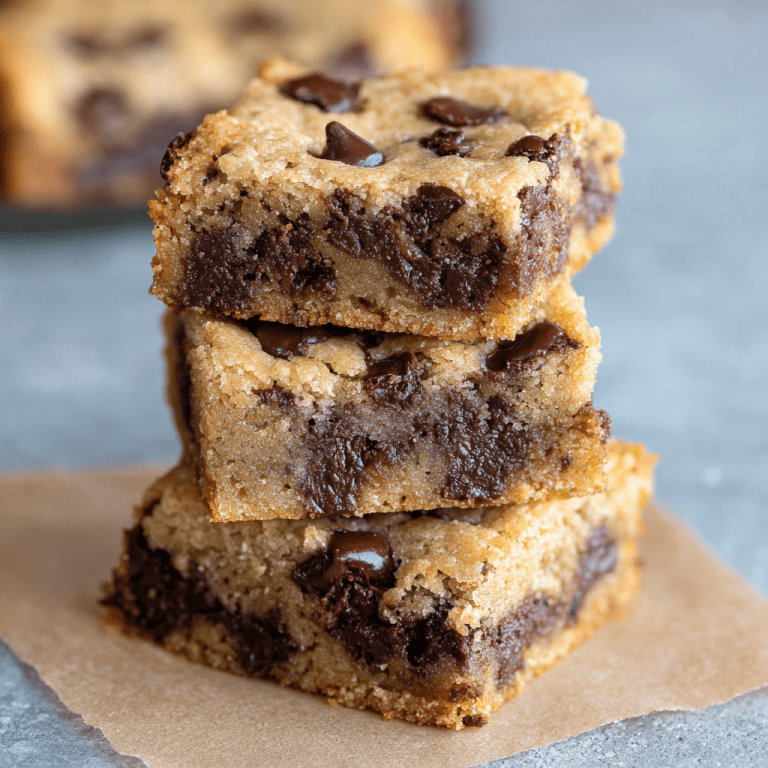
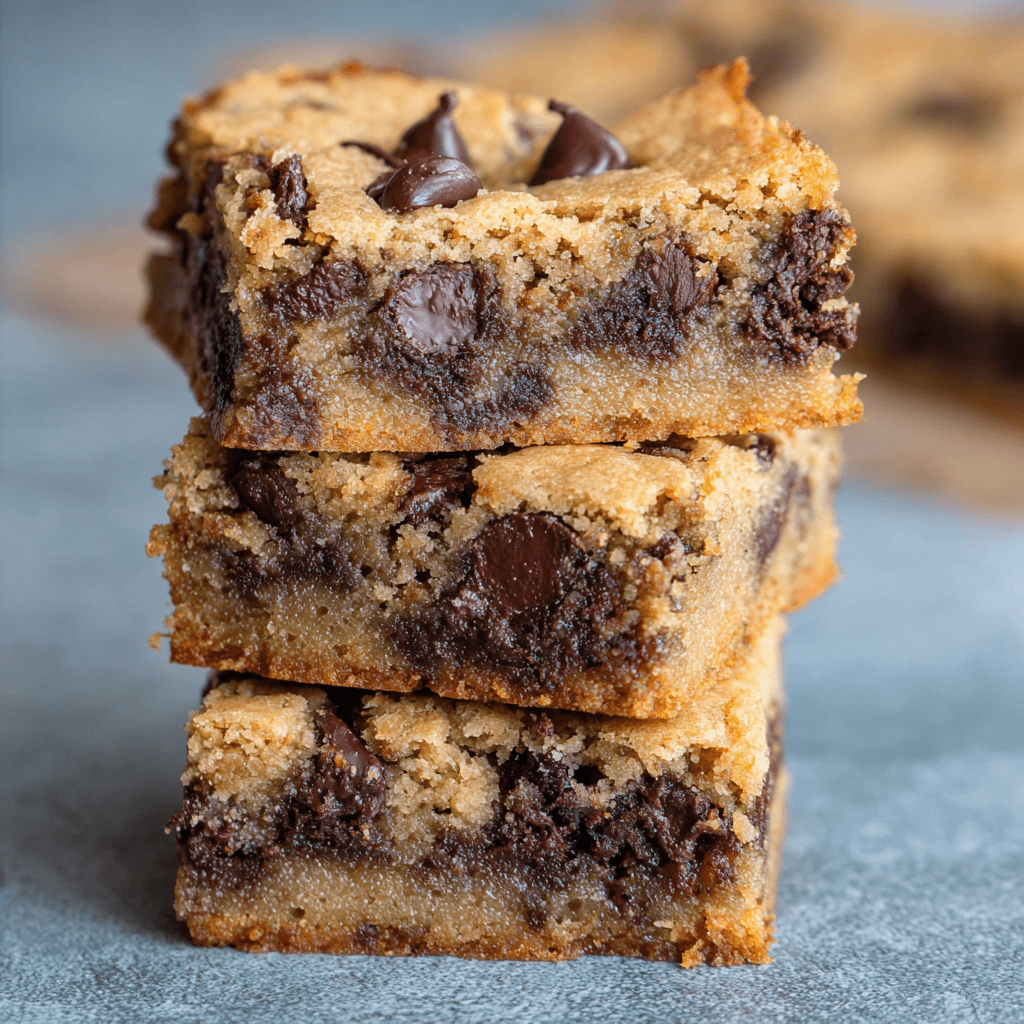
Chewy Keto Chocolate Chip Cookie Bars

0

Chewy Keto Chocolate Chip Cookie Bars offer all the comforting, gooey satisfaction of a classic chocolate chip cookie, but in an incredibly easy, sliceable form that caters to a low-carbohydrate lifestyle. This recipe cleverly uses almond flour as its base, providing a naturally gluten-free structure that bakes into a dense, tender, and wonderfully chewy bar. The rich sweetness comes from a monk fruit sweetener, which mimics the flavor and texture of brown sugar without the glycemic impact, making these bars suitable for those monitoring their sugar intake. Packed with sugar-free chocolate chips, each bite delivers the nostalgic pleasure of melted chocolate against a soft, buttery cookie backdrop. They are the perfect guilt-free treat for anyone craving a classic dessert experience without the traditional ingredients.

The simplicity of this recipe is its greatest asset. By mixing the dough in two straightforward steps and pressing it into a single pan, you bypass the need for scooping and baking multiple batches of individual cookies. The brief chilling of the dough in the pan before baking is a crucial step for these bars; it helps the almond flour hydrate and prevents the bars from spreading too thin, ensuring a thick, bakery-style result. The baking process is designed to yield a perfectly set yet soft center, as the bars will continue to firm up as they cool on the wire rack. This patience is rewarded with a batch of cookie bars that have a golden-brown top, a slightly crisp edge, and a deliciously soft and chewy middle. They are an ideal make-ahead snack, lunchbox treat, or a simple dessert that proves eating keto doesn’t mean sacrificing flavor or fun.

Why You’ll Love This Recipe:

• Keto and Low-Carb Friendly: Made with almond flour and sugar-free sweeteners, these bars allow you to indulge while staying within your dietary goals.
• Incredibly Easy: No cookie scooping required! Just mix, press into a pan, and bake for effortless, crowd-pleasing bars.
• Perfectly Chewy Texture: The combination of ingredients and baking time creates a soft, dense, and satisfyingly chewy bar that rivals any traditional version.
• Gluten-Free: Naturally gluten-free thanks to almond flour, making them a great option for those with gluten sensitivities.

Ingredients:

  • 2 cups blanched almond flour, finely ground
  • 1 teaspoon baking soda
  • 1 teaspoon salt
  • 1/2 cup (1 stick) unsalted butter, softened to room temperature
  • 1 cup golden monk fruit sweetener (or other granulated sugar substitute with a brown sugar-like flavor)
  • 1 teaspoon pure vanilla extract
  • 2 large eggs, at room temperature
  • 1 1/2 cups sugar-free chocolate chips (such as Lily’s)

Instructions:

Step 1: Preheat Oven and Prepare Pan
• Preheat your oven to 350°F (175°C). Line an 8×8-inch baking pan with parchment paper, leaving an overhang on two opposite sides. This “sling” will make it easy to lift the entire batch of bars out for clean slicing later. Lightly grease the parchment paper.

Step 2: Combine the Dry Ingredients
• In a medium bowl, whisk together the almond flour, baking soda, and salt. This ensures the leavening agent is evenly distributed throughout the flour for a consistent rise.

Step 3: Cream the Wet Ingredients
• In a separate large bowl, combine the softened butter and the golden monk fruit sweetener. Using an electric hand mixer or a stand mixer fitted with the paddle attachment, beat on medium speed for 1-2 minutes until the mixture is light and creamy.
• Add the room-temperature eggs and vanilla extract. Continue to beat on medium speed until the mixture is smooth, pale, and well combined.

Step 4: Combine Wet and Dry Mixtures
• With the mixer on low speed, gradually add the dry almond flour mixture to the wet ingredients. Mix until just combined and a soft dough forms. Stop the mixer and use a spatula to scrape down the sides and bottom of the bowl, ensuring there are no dry pockets of flour.

Step 5: Incorporate Chocolate Chips
• Add the sugar-free chocolate chips to the bowl. Use a spatula to fold them into the dough until they are evenly distributed.

Step 6: Press Dough and Chill
• Transfer the cookie dough to the prepared baking pan. Using your fingers or the back of a spatula, press the dough firmly into an even layer that reaches all corners of the pan.
• Place the entire pan in the refrigerator for 10-15 minutes while the oven finishes preheating. This brief chill helps the bars hold their shape and results in a chewier texture.

Step 7: Bake to Perfection
• Place the chilled pan in the preheated oven and bake for 15 minutes. Then, carefully rotate the pan 180 degrees to ensure even browning.
• Continue baking for another 10-15 minutes (25-30 minutes total), or until the top is golden brown and the edges are firm. The center may still look slightly soft and seem underbaked—this is normal and essential for a chewy texture.

Step 8: Cool Completely
• Remove the pan from the oven and place it on a wire cooling rack. Allow the bars to cool completely in the pan. They will continue to set up as they cool. Attempting to cut them while warm will result in messy slices.

Step 9: Slice and Serve
• Once completely cool, use the parchment paper sling to lift the entire block of cookie bars out of the pan. Place it on a cutting board and slice into squares with a sharp knife.

Tips:

• Room Temperature Ingredients: Using room-temperature butter and eggs is key for proper emulsification and a smooth, creamy dough.
• Do Not Overbake: The bars will firm up significantly as they cool. Taking them out when the center is still a bit soft is the secret to a fudgy, chewy texture instead of a cakey one.
• Measuring Almond Flour: For accuracy, spoon the almond flour into the measuring cup and level it off. Scooping directly from the bag can pack it down and lead to using too much flour, resulting in dry bars.
• Customization: Feel free to add ½ cup of chopped walnuts or pecans along with the chocolate chips for added texture and flavor.

Storage Options:

• Room Temperature: Store the cooled bars in an airtight container at room temperature for up to 3 days.
• Refrigerator: For longer storage, keep them in the refrigerator for up to a week. The texture will be firmer but still delicious.
• Freezing: These bars freeze exceptionally well. Wrap individual bars or the entire block tightly in plastic wrap and then foil. Freeze for up to 3 months. Thaw at room temperature.

Chewy Keto Chocolate Chip Cookie Bars are a testament to how delicious low-carb baking can be. They are a simple, satisfying, and foolproof treat that everyone can enjoy.

Carrot Cake Roll with Cream Cheese Frosting Filling

0

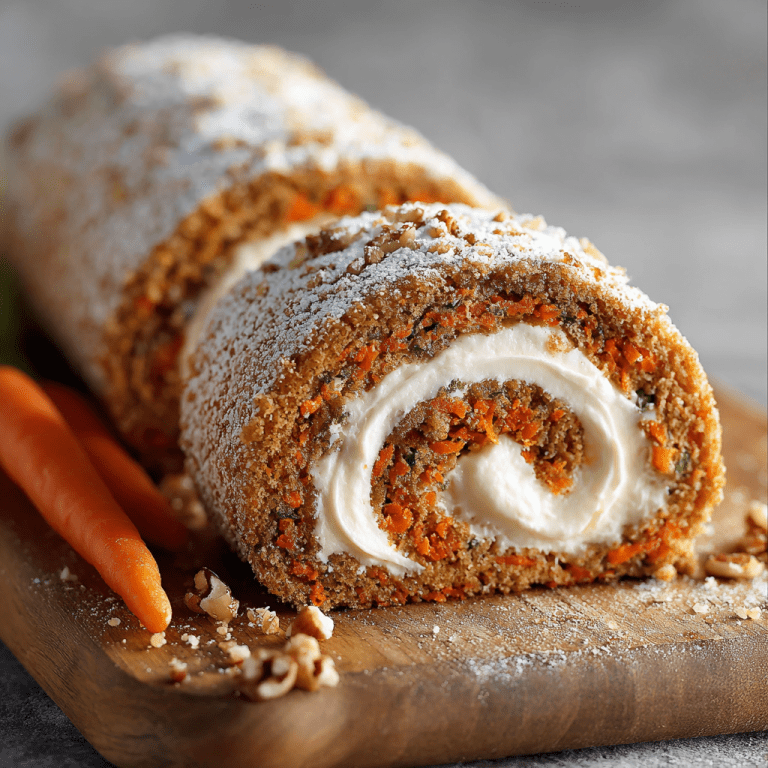
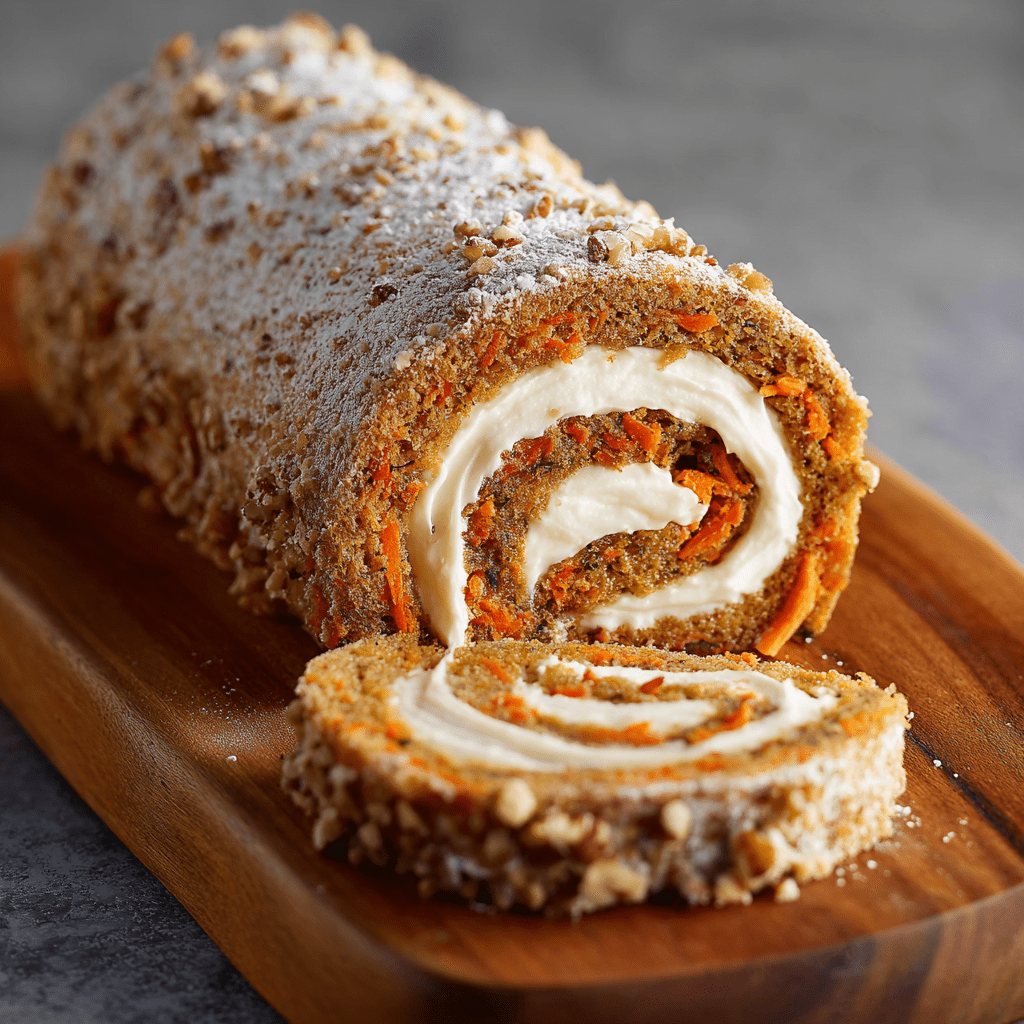
A Carrot Cake Roll is a stunning and elegant twist on the classic layer cake, offering all the warm, spiced flavor and moist texture of traditional carrot cake in a beautiful, spiral presentation that is sure to impress. This recipe creates a surprisingly thin and flexible sheet of cake that is lightly spiced with cinnamon, ginger, and nutmeg, and packed with finely grated carrots for natural sweetness and moisture. The magic happens immediately after baking, when the warm cake is rolled with a towel to “train” its shape, preventing cracks once it’s filled. After cooling, it is unrolled, spread with a luxuriously smooth and tangy cream cheese filling, and then re-rolled into a perfect spiral. The result is a dessert that is visually spectacular, with a delightful contrast between the soft, spiced cake and the rich, creamy filling in every slice.

The genius of this dessert lies in its technique, which may seem daunting but is quite straightforward with careful attention. The key to a pliable cake that rolls without breaking is beating the eggs and sugar until they are thick and pale, which incorporates air and gives the cake structure. Baking it in a thin layer in a jelly roll pan ensures it cooks quickly and evenly. The most critical step is rolling the cake while it is still hot from the oven; this sets its memory so it can be filled and re-rolled later without splitting. The cream cheese filling, a simple blend of cream cheese, butter, and powdered sugar, provides the perfect tangy balance to the sweet cake. Chilling the completed roll firms up the filling and makes it easy to slice into beautiful, swirled servings that are perfect for any special occasion, from Easter brunch to a holiday dinner party.

Why You’ll Love This Recipe:

• Impressive Presentation: The beautiful spiral swirl makes it look like it came from a professional bakery.
• Perfect Balance of Flavors: The spiced carrot cake and tangy cream cheese filling are a classic, unbeatable combination.
• Light and Elegant: A thinner layer of cake and a ribbon of frosting offer a lighter alternative to a heavy layer cake.
• Make-Ahead Friendly: This dessert must be chilled, making it an ideal prepare-ahead option for stress-free entertaining.

Ingredients:

For the Carrot Cake:

  • 3/4 cup (95g) all-purpose flour, spooned and leveled
  • 1 teaspoon baking powder
  • 1/2 teaspoon baking soda
  • 1/2 teaspoon salt
  • 1 teaspoon ground cinnamon
  • 1/2 teaspoon ground ginger
  • 1/4 teaspoon ground nutmeg
  • 3 large eggs, at room temperature
  • 2/3 cup (135g) granulated sugar
  • 1 teaspoon pure vanilla extract
  • 2 cups (about 200g) finely grated carrots (peeled before grating)
  • 1 tablespoon vegetable oil
  • 1/2 cup chopped walnuts or pecans (optional)
  • Powdered sugar, for dusting the towel

For the Cream Cheese Filling:

  • 8 oz (225g) full-fat cream cheese, softened
  • 1/4 cup (60g) unsalted butter, softened
  • 1 teaspoon pure vanilla extract
  • 1 cup (120g) powdered sugar, sifted

Instructions:

Step 1: Preheat Oven & Prepare Pan
• Preheat your oven to 350°F (175°C). Line a 10×15-inch jelly roll pan with parchment paper, ensuring the paper goes up the sides. Lightly grease the parchment paper with butter or non-stick spray.

Step 2: Mix Dry Ingredients
• In a medium bowl, whisk together the all-purpose flour, baking powder, baking soda, salt, cinnamon, ginger, and nutmeg. This ensures the leavening and spices are evenly distributed.

Step 3: Make the Batter
• In a large bowl, using a hand mixer or stand mixer fitted with the whisk attachment, beat the room-temperature eggs, granulated sugar, and vanilla extract on high speed for 2-3 minutes. The mixture should be thick, pale yellow, and form a ribbon when the beaters are lifted.
• Switch to a spatula. Gently fold in the vegetable oil until incorporated. Then, fold in the finely grated carrots.
• Gradually add the dry ingredients to the wet ingredients, folding gently until just combined. Be careful not to overmix. If using, fold in the chopped nuts.

Step 4: Bake
• Pour and spread the batter evenly into the prepared jelly roll pan, reaching all corners.
• Bake for 10-12 minutes, or until the top of the cake springs back when lightly touched. Do not overbake, as a dry cake will crack.

Step 5: Roll the Cake
• While the cake is baking, lay a clean, thin kitchen towel (not terry cloth) on a work surface. Dust it generously with powdered sugar.
• As soon as the cake comes out of the oven, run a knife around the edges to loosen it. Invert the hot cake onto the prepared towel. Carefully peel off the parchment paper.
• Starting from one of the short ends, gently but firmly roll the cake up with the towel inside. Place the rolled cake, seam-side down, on a wire rack to cool completely (about 1-2 hours).

Step 6: Prepare the Filling
• In a medium bowl, beat the softened cream cheese and butter together until completely smooth and creamy. Beat in the vanilla extract.
• Gradually add the sifted powdered sugar, beating on low speed initially to avoid a cloud of sugar, then on medium-high until the filling is light and fluffy.

Step 7: Assemble the Roll
• Once the cake is completely cool, carefully unroll it. It will lie flat.
• Spread the cream cheese filling evenly over the entire surface of the cake, leaving a small border around the edges.
• Gently re-roll the cake, this time without the towel inside, using the towel as a guide. Don’t roll too tightly or the filling will squeeze out.

Step 8: Chill and Serve
• Wrap the finished cake roll tightly in plastic wrap and refrigerate for at least 1-2 hours, or until firm. This makes slicing much easier.
• Before serving, dust the top with additional powdered sugar. Use a sharp knife to slice into servings.

Tips:

• Room Temperature Ingredients: Using room-temperature eggs, cream cheese, and butter is crucial for a smooth batter and filling.
• Finely Grated Carrots: Use the small holes on a box grater. Large shreds can make the cake difficult to roll.
• The Immediate Roll: Rolling the cake while it is still hot and flexible is the most important step for preventing cracks.
• Chilling is Key: Do not skip the chilling step. It sets the filling and makes the roll firm enough to slice cleanly.

Storage Options:

• Refrigerator: Store the cake roll, wrapped in plastic wrap, in the refrigerator for up to 5 days.
• Freezing: This cake roll freezes very well. Wrap the unfrosted, cooled roll in plastic wrap and foil and freeze for up to 2 months. Thaw overnight in the refrigerator, then fill and chill as directed. The filled roll can also be frozen for up to 1 month; thaw in the refrigerator before serving.

Carrot Cake Roll with Cream Cheese Frosting Filling is a show-stopping dessert that combines familiar, comforting flavors with an elegant and fun presentation. It’s a guaranteed crowd-pleaser that will become a treasured recipe. Enjoy

Southern French Onion Butter Rice

0

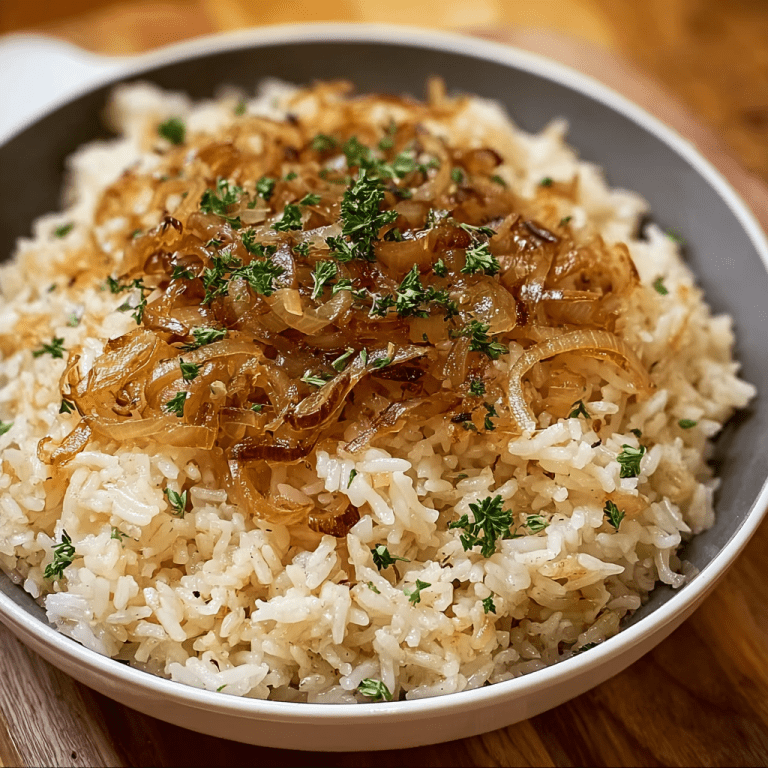
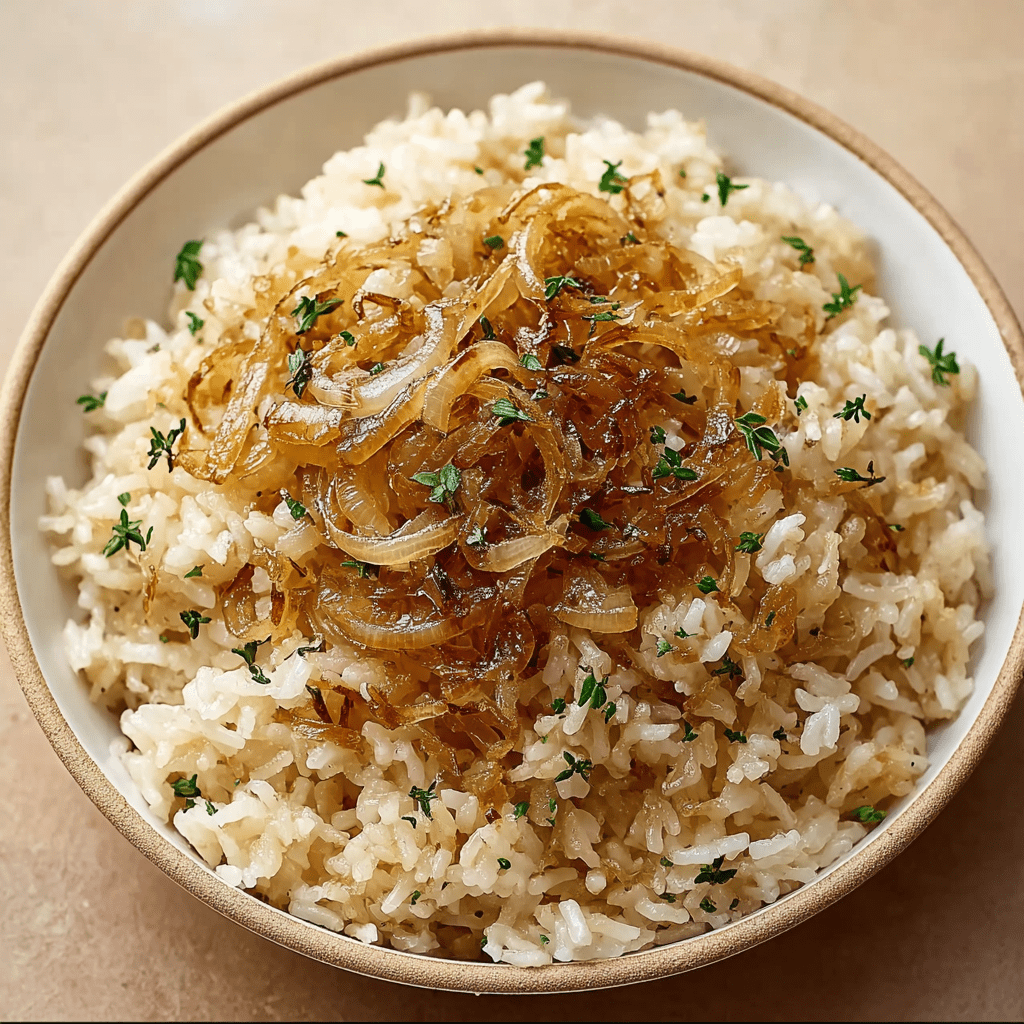
Southern French Onion Butter Rice is a luxurious and deeply flavorful side dish that masterfully blends the humble, comforting nature of Southern-style rice with the rich, savory sophistication of French onion soup. This recipe transforms simple long-grain rice into an unforgettable accompaniment by infusing it with a base of golden, deeply caramelized onions and savory chicken broth. The process of slowly cooking the onions until they are sweet, jam-like, and fragrant forms the soul of the dish, creating a foundation of flavor that permeates every grain. Finished with a generous pat of butter and a stir of nutty Parmesan cheese, this rice is anything but ordinary; it’s a creamy, aromatic, and utterly satisfying dish that can elevate a simple weeknight protein into a special meal.

The genius of this recipe lies in its technique of building layers of flavor before the rice even begins to cook. By taking the time to properly caramelize the onions—a process that cannot be rushed—you develop a profound sweetness and umami depth that store-bought onion soup mixes can never replicate. Cooking the rice in the same broth used to deglaze the onion pan ensures that not a single drop of that precious flavor is lost. The result is a pot of rice that is perfectly fluffy, yet each grain is coated in the essence of onion, thyme, and butter. It’s a stunning side dish for holiday dinners, Sunday suppers, or any time you want a carbohydrate that truly stands on its own as a highlight of the meal.

Why You’ll Love This Recipe:

• Deep, Caramelized Flavor: The slow-cooked onions provide a sweet and savory complexity that elevates simple rice to a gourmet level.
• Foolproof Fluffy Rice: The absorption method ensures perfectly cooked, non-sticky rice every time.
• Restaurant-Quality Side Dish: This rice tastes like it came from a fine dining establishment but is made with simple, pantry-staple ingredients.
• Versatile Companion: Pairs beautifully with everything from roasted chicken and grilled steak to pork chops and seafood.

Ingredients:

  • 1 cup long-grain white rice (such as Jasmine or Basmati)
  • 2 cups chicken broth (or vegetable broth)
  • 2 tablespoons unsalted butter
  • 1 large yellow onion, thinly sliced
  • 1 tablespoon olive oil
  • 1 teaspoon salt
  • 1/2 teaspoon black pepper
  • 1/2 teaspoon dried thyme (or 1 tsp fresh thyme leaves)
  • 1/4 cup Parmesan cheese, freshly grated
  • 2 tablespoons fresh parsley, chopped (optional, for garnish)

Instructions:

Step 1: Caramelize the Onions
• Heat the olive oil in a large skillet or Dutch oven over medium-low heat. Add the thinly sliced onions and stir to coat them in the oil.
• Cook the onions slowly, stirring every 5-7 minutes, for about 20-25 minutes. Be patient. They are ready when they are deeply golden brown, soft, and sweet. If the onions stick or begin to burn, reduce the heat and add a tablespoon of water to deglaze the pan. This slow cooking is essential for developing their flavor.

Step 2: Rinse the Rice
• While the onions are cooking, place the rice in a fine-mesh strainer. Rinse under cold running water, agitating the grains with your hand, until the water runs clear. This removes excess surface starch and prevents the rice from becoming gummy.

Step 3: Cook the Rice
• In a medium saucepan, bring the chicken broth to a rolling boil. Add the rinsed and drained rice, 2 tablespoons of butter, salt, pepper, and dried thyme. Stir once to combine.
• Immediately reduce the heat to the lowest possible setting. Cover the pot with a tight-fitting lid and simmer for 15-18 minutes. Do not lift the lid during this time.
• After 15 minutes, check to see if the liquid is absorbed and the rice is tender. If not, re-cover and cook for 2-3 more minutes. Once done, remove from heat but keep covered.

Step 4: Deglaze the Onion Pan
• Once the onions are caramelized, pour a few tablespoons of the hot chicken broth (from the rice pot before it boils, or use a splash of additional broth) into the onion skillet. Use a wooden spoon to scrape up any browned bits (the fond) from the bottom of the pan. This concentrated flavor is a key ingredient.

Step 5: Combine and Finish
• Fluff the cooked rice with a fork. Add the caramelized onions along with any juices from the skillet directly into the pot of rice.
• Add the freshly grated Parmesan cheese. Gently fold everything together until the onions are evenly distributed and the cheese has melted into the hot rice.

Step 6: Rest and Serve
• Let the rice sit, covered, for 5 minutes off the heat. This allows the flavors to meld together.
• Fluff one more time, transfer to a serving bowl, and garnish with fresh chopped parsley before serving.

Tips:

• Patience with Onions: True caramelization cannot be rushed. Cooking the onions over medium-low heat for a full 20-25 minutes is non-negotiable for the best flavor.
• Do Not Peek: Resist the urge to lift the lid while the rice is steaming. This releases essential steam and can result in undercooked rice.
• Quality of Broth: Since the broth is a primary flavor component, using a good-quality chicken broth will make a significant difference in the final dish.
• Add Protein: For a main course, stir in shredded rotisserie chicken or sautéed mushrooms after combining the rice and onions.

Storage Options:

• Refrigerator: Store leftovers in an airtight container in the refrigerator for up to 4 days.
• Reheating: Reheat gently in the microwave with a splash of broth or water to restore moisture. Alternatively, reheat in a covered skillet over low heat.
• Freezing: This rice freezes well. Place cooled rice in a freezer-safe bag or container for up to 3 months. Thaw overnight in the refrigerator before reheating.

Southern French Onion Butter Rice is a simple yet profoundly flavorful side dish that proves the power of patient, foundational cooking. Its rich, savory, and comforting profile will make it an instant classic on your table. Enjoy

Crock Pot Pepper Steak

0

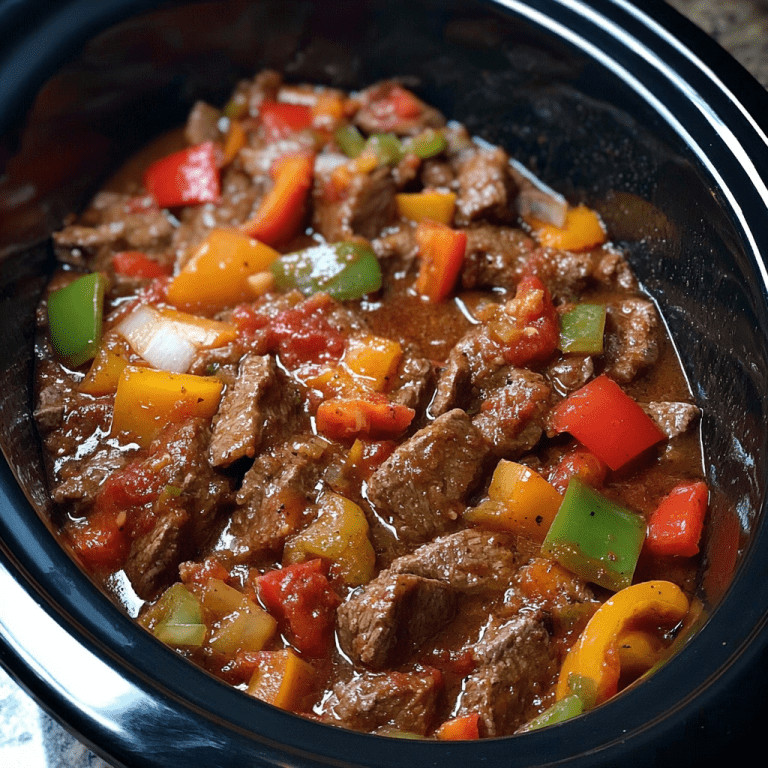
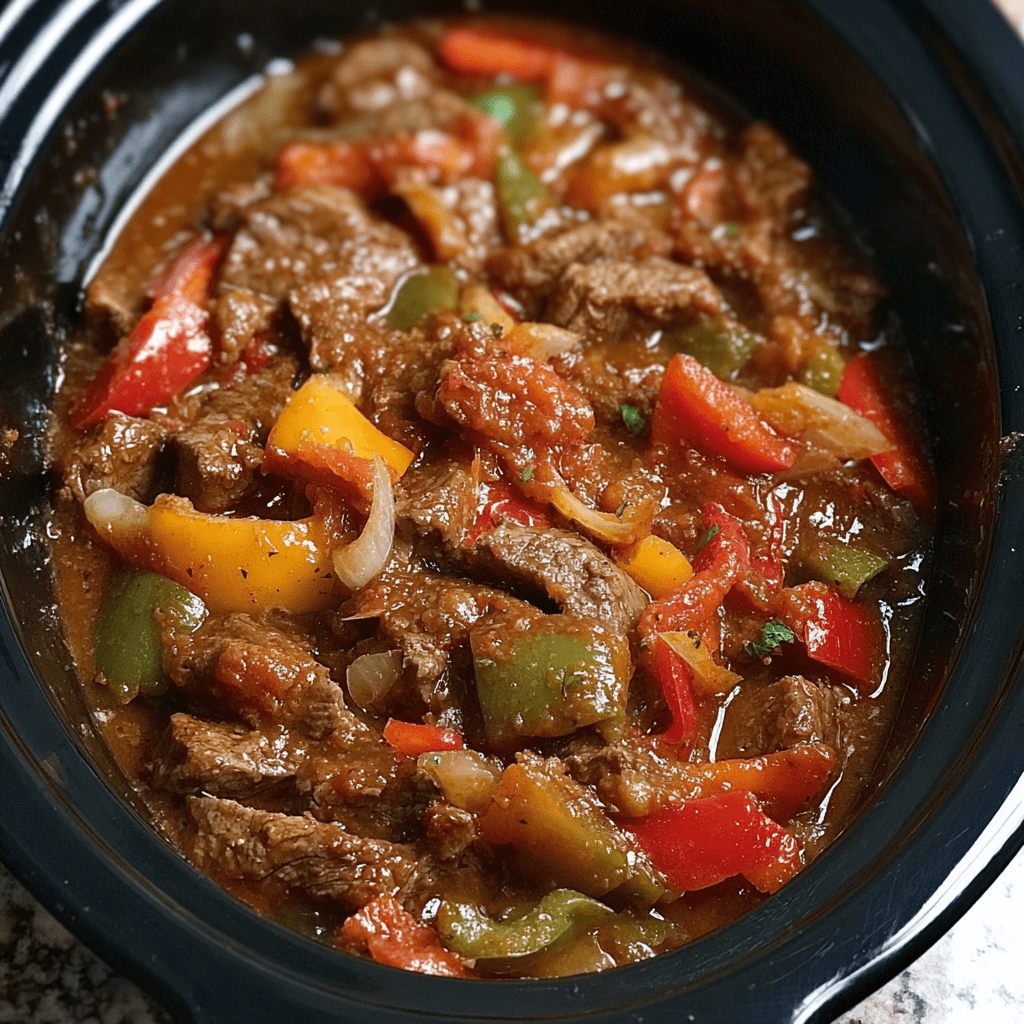
Crock Pot Pepper Steak is a quintessential slow cooker meal that transforms simple, affordable ingredients into a tender, flavorful, and comforting dish with minimal effort. This recipe takes lean beef stew meat and slow-cooks it for hours in a savory broth enriched with Worcestershire sauce, garlic, and stewed tomatoes, resulting in meat that is so tender it practically melts in your mouth. The addition of colorful bell pepper strips introduces a slight crunch and a sweet, fresh contrast to the rich, gravy-like sauce. Unlike traditional stir-fry versions that require constant attention, this set-it-and-forget-it method allows the flavors to meld together beautifully throughout the day, filling your home with an inviting aroma. It’s the perfect solution for a busy weeknight, delivering a hearty, satisfying meal that feels both familiar and special.

The genius of this recipe lies in its simple two-step process that builds a foundation of flavor before the slow cooking even begins. Lightly coating the beef in seasoned flour and quickly browning it in a skillet creates a deeper, richer taste and helps thicken the sauce later on. Sautéing the garlic and peppers alongside the meat for a brief moment wakes up their essential oils, ensuring their flavor permeates the entire dish. The sauce, made by deglazing the skillet with beef broth and tomatoes, captures every bit of the delicious browned bits left behind, guaranteeing no flavor is wasted. After just a few minutes of active prep, the slow cooker takes over, doing all the work to tenderize the beef and create a cohesive, delicious stew that is wonderful served over a bed of fluffy rice or buttery noodles.

Why You’ll Love This Recipe:

• Effortless and Convenient: With just a brief browning step, the slow cooker does the majority of the work, making it perfect for busy days.
• Fall-Apart Tender Beef: The long, slow cooking process breaks down the tough fibers in the stew meat, resulting in incredibly tender bites.
• Rich, Savory Sauce: The combination of beef broth, tomatoes, and Worcestershire creates a deeply flavorful, gravy-like sauce.
• Customizable: Easily adjust the vegetable mix or add a splash of soy sauce for a different flavor profile.

Ingredients:

  • 16 oz (1 lb) beef stew meat
  • 2 bell peppers (a mix of colors is ideal), cut into strips
  • 1 tablespoon vegetable oil
  • 3 tablespoons Worcestershire sauce
  • 1 teaspoon minced garlic
  • 1 can (14.5 oz) stewed tomatoes, undrained
  • 1 can (14.5 oz) low-sodium beef broth
  • 1 teaspoon seasoned salt (like Lawry’s)
  • ¼ cup all-purpose flour, for coating
  • Cooked white rice or egg noodles, for serving

Instructions:

Step 1: Coat and Brown the Beef
• In a medium bowl, combine the ¼ cup of all-purpose flour and the teaspoon of seasoned salt. Add the beef stew meat and toss until all pieces are evenly coated.
• Heat the tablespoon of vegetable oil in a large skillet over medium-high heat. Add the floured beef in a single layer (work in batches if necessary) and cook until browned on all sides, about 5-7 minutes total.

Step 2: Sauté the Aromatics
• When the beef is nearly browned, add the sliced bell peppers and minced garlic to the skillet. Sauté for 2-3 minutes, just until the peppers begin to soften and the garlic is fragrant.

Step 3: Transfer to Slow Cooker
• Using a slotted spoon, transfer the browned beef, peppers, and garlic to the insert of a 4-6 quart slow cooker, leaving any excess oil or drippings in the skillet.

Step 4: Create the Sauce
• Pour the undrained can of stewed tomatoes and the can of beef broth into the still-hot skillet. Add the Worcestershire sauce. Bring the mixture to a simmer, using a wooden spoon to scrape up all the browned bits from the bottom of the pan.
• Sprinkle in the remaining flour-and-seasoned-salt mixture from the coating bowl (usually about 1-2 tablespoons) while whisking constantly. Continue to cook for 1-2 minutes, until the liquid thickens slightly into a gravy.

Step 5: Combine and Cook
• Pour the hot sauce from the skillet over the beef and peppers in the slow cooker. Stir everything to combine.
• Cover and cook on LOW for 6-8 hours or on HIGH for 3-4 hours. The dish is done when the beef is fork-tender.

Step 6: Serve
• Taste and adjust seasoning if needed. Serve the pepper steak hot over a bed of cooked white rice or egg noodles, spooning the abundant savory sauce over the top.

Tips:

• Don’t Skip the Browning: Taking the few minutes to brown the meat adds a crucial layer of flavor that can’t be achieved by simply adding raw meat to the slow cooker.
• Deglaze the Pan Thoroughly: Those browned bits stuck to the skillet are packed with flavor. Make sure to scrape them all up when adding the liquids.
• Avoid Overcooking the Peppers: If you prefer your peppers to have more bite, you can add them during the last hour of cooking instead of at the beginning.
• Add a Kick: For a spicier version, add a pinch of red pepper flakes or a dash of hot sauce to the skillet when making the sauce.

Storage Options:

• Refrigerator: Store leftovers in an airtight container in the refrigerator for up to 3 days. The flavors often improve the next day.
• Reheating: Reheat gently on the stovetop over low heat or in the microwave until warmed through.
• Freezing: This dish freezes very well. Cool completely and freeze in airtight containers for up to 3 months. Thaw overnight in the refrigerator before reheating.

Crock Pot Pepper Steak is a dependable, family-friendly recipe that delivers maximum comfort and flavor with minimal hands-on time. It’s a classic slow cooker meal that is sure to become a regular in your dinner rotation. Enjoy

Smothered Pork Chops with Potatoes in Gravy

0

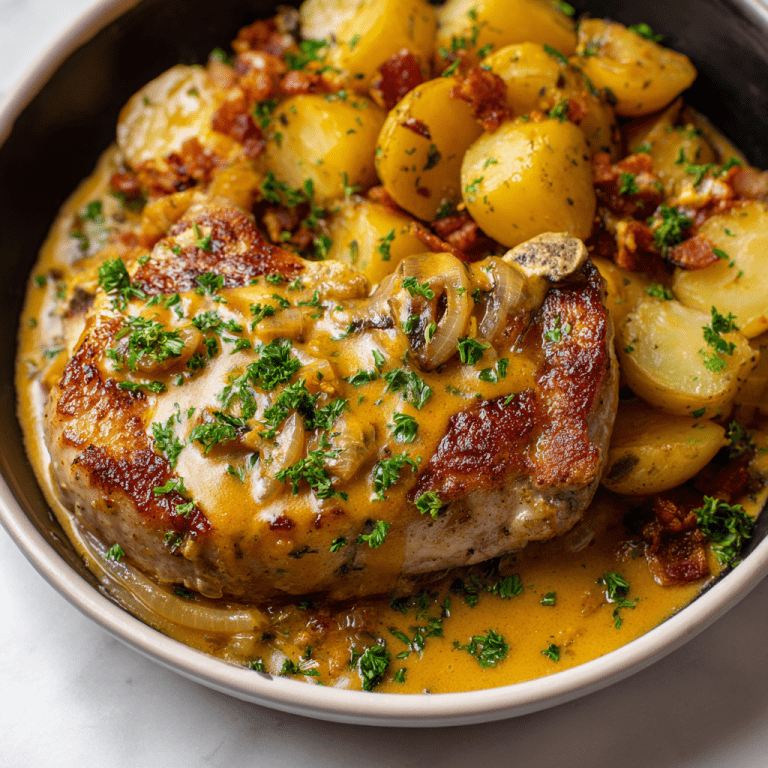
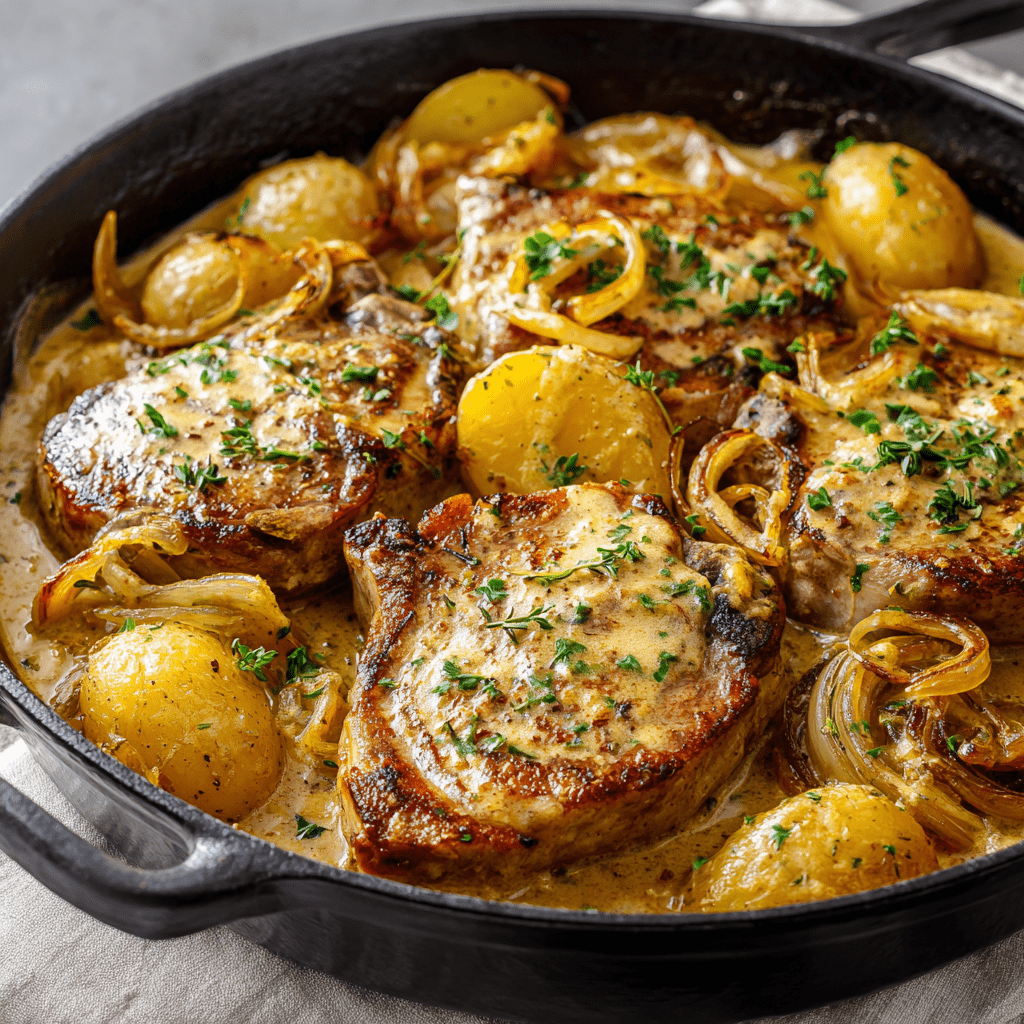
Smothered Pork Chops with Potatoes in Gravy is the ultimate one-pan comfort meal, a hearty and deeply satisfying dish where tender, juicy pork chops and soft, flavorful potatoes are enveloped in a rich, creamy, and savory onion gravy. This recipe elevates simple, economical ingredients into a spectacular family dinner through a method that builds layers of flavor. The process begins by searing seasoned, bone-in pork chops to create a beautiful golden crust, which not only locks in juices but also leaves behind delicious browned bits in the pan—the foundation for an incredible gravy. That gravy, built with slowly caramelized onions, aromatic thyme, and a creamy broth base, becomes the braising liquid that transforms the pork and potatoes into a melt-in-your-mouth masterpiece as they bake together.

The genius of this dish lies in its assembly. By layering the sliced potatoes at the bottom of the baking dish, they act as a platform that soaks up all the savory juices from the pork and gravy as they cook, becoming incredibly tender and infused with flavor. The pork chops, nestled on top, gently finish cooking in the moist heat, ensuring they remain succulent and never dry out. The final result is a complete meal that requires minimal accompaniment; the creamy potatoes and rich gravy are a side dish and sauce in one. It’s a rustic, homestyle recipe that fills the kitchen with an irresistible aroma and delivers a plate of food that is both elegant in its simplicity and profoundly comforting.

Why You’ll Love This Recipe:

• All-in-One Meal: This dish includes your protein and starch cooked together in one pan, making dinner preparation and cleanup a breeze.
• Incredibly Tender Results: The slow baking process in a generous amount of gravy ensures the pork chops and potatoes become exceptionally tender.
• Rich, Savory Gravy: The from-scratch gravy, made with pan drippings and caramelized onions, is far superior to any packet or jar.
• Comfort Food Classic: This is a timeless, satisfying dish that feels like a warm hug on a plate, perfect for a family dinner or a special Sunday supper.

Ingredients:

  • 4 bone-in pork chops, about 1 inch thick
  • 2 tablespoons olive oil or vegetable oil
  • 1 teaspoon salt
  • ½ teaspoon black pepper
  • ½ teaspoon garlic powder
  • ½ teaspoon onion powder
  • 2 tablespoons all-purpose flour, for dredging
  • 1 large onion, thinly sliced
  • 3 cloves garlic, minced
  • 2 cups chicken broth
  • 1 cup whole milk or half-and-half (for a creamier gravy)
  • 2 tablespoons butter
  • 2 tablespoons all-purpose flour, for gravy
  • 1 teaspoon fresh thyme leaves, or ½ teaspoon dried thyme
  • 4 –5 medium potatoes (Yukon Gold or Russet), peeled and sliced into ½-inch rounds
  • 2 tablespoons fresh parsley, chopped (for garnish)

Instructions:

Step 1: Preheat Oven and Season Pork Chops
• Preheat your oven to 375°F (190°C). This ensures it’s ready for baking once the stovetop preparation is complete.
• Pat the pork chops completely dry with paper towels. This is crucial for achieving a good sear. In a small bowl, mix together the salt, black pepper, garlic powder, and onion powder. Season both sides of the pork chops generously with this mixture.
• Lightly dredge the seasoned pork chops in the 2 tablespoons of flour, shaking off any excess.

Step 2: Sear the Pork Chops
• Heat the olive oil in a large, oven-safe skillet or Dutch oven over medium-high heat. Once the oil is shimmering, add the pork chops. Sear for 3-4 minutes per side, until a golden-brown crust forms. The pork chops will not be cooked through at this point.
• Remove the pork chops from the skillet and set them aside on a plate.

Step 3: Caramelize the Onions and Garlic
• Reduce the heat to medium. Add the butter to the same skillet. Once melted, add the thinly sliced onions. Cook, stirring occasionally, for 6-8 minutes, until the onions are soft, golden, and caramelized.
• Add the minced garlic and cook for 1 more minute, stirring constantly, until fragrant.

Step 4: Create the Roux and Gravy
• Sprinkle the 2 tablespoons of flour over the onions and garlic. Cook, stirring constantly, for about 1 minute to eliminate the raw flour taste and create a roux.
• Gradually pour in the chicken broth while whisking constantly to prevent lumps. Then, whisk in the milk. Bring the mixture to a simmer, continuing to whisk until the gravy thickens noticeably, about 3-5 minutes.
• Stir in the fresh or dried thyme. Taste the gravy and adjust seasoning with more salt and pepper if needed.

Step 5: Assemble the Dish
• If you are not using an oven-safe skillet, transfer the gravy to a 9×13-inch baking dish. Arrange the sliced potato rounds in an even layer on the bottom of the dish or skillet.
• Pour about half of the prepared gravy over the potatoes. Place the seared pork chops on top of the potatoes in a single layer. Pour the remaining gravy over the pork chops, covering them as much as possible.

Step 6: Bake to Perfection
• Cover the skillet or baking dish tightly with aluminum foil. Bake in the preheated oven for 40-45 minutes.
• The dish is done when the potatoes are fork-tender and the pork chops have reached an internal temperature of 145°F (63°C).

Step 7: Garnish and Serve
• Carefully remove the dish from the oven. Let it rest, covered, for 5 minutes. Remove the foil, spoon the gravy over the chops and potatoes, and garnish with fresh chopped parsley before serving.

Tips:

• Use an Oven-Safe Skillet: Using a Dutch oven or an oven-safe skillet from start to finish means you only use one pan, capturing all the flavorful bits for the gravy.
• Don’t Crowd the Pan When Searing: If your skillet isn’t large enough, sear the pork chops in two batches to avoid steaming them.
• Slice Potatoes Evenly: Cutting the potatoes into uniform ½-inch slices ensures they all cook at the same rate.
• Check for Doneness: The best way to know if the potatoes are done is to pierce them with a paring knife. It should slide in easily.

Storage Options:

• Refrigerator: Store leftovers in an airtight container in the refrigerator for up to 3 days.
• Reheating: Reheat gently in a covered skillet over low heat on the stovetop, adding a splash of broth or milk to loosen the gravy if necessary. You can also reheat in the microwave.
• Freezing: This dish can be frozen, though the texture of the potatoes may become slightly softer. Freeze in an airtight container for up to 2 months. Thaw overnight in the refrigerator before reheating.

Smothered Pork Chops with Potatoes in Gravy is a classic, soul-warming dish that promises a delicious and satisfying meal with minimal fuss. It’s a guaranteed family favorite that you’ll return to again and again. Enjoy

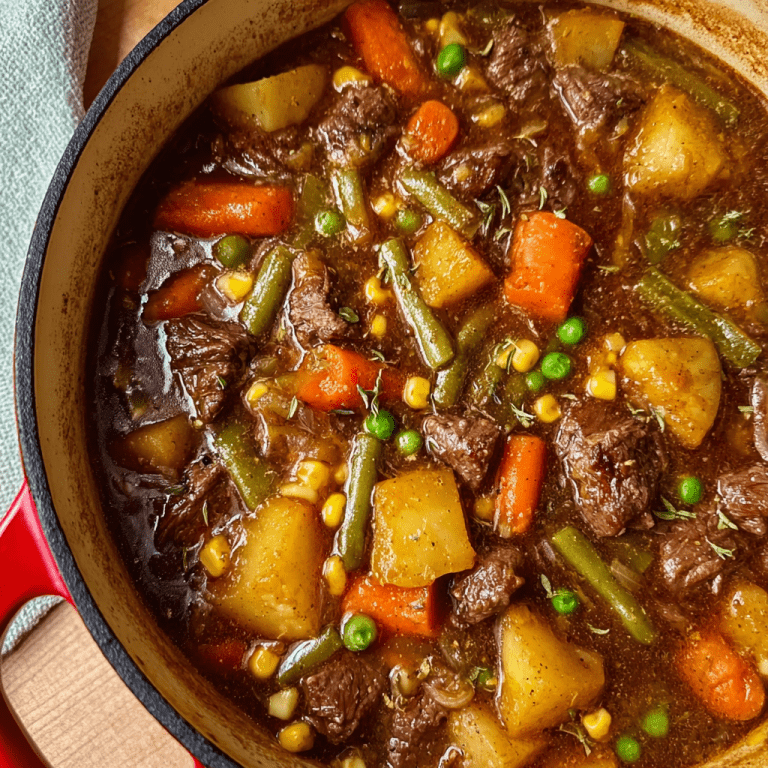
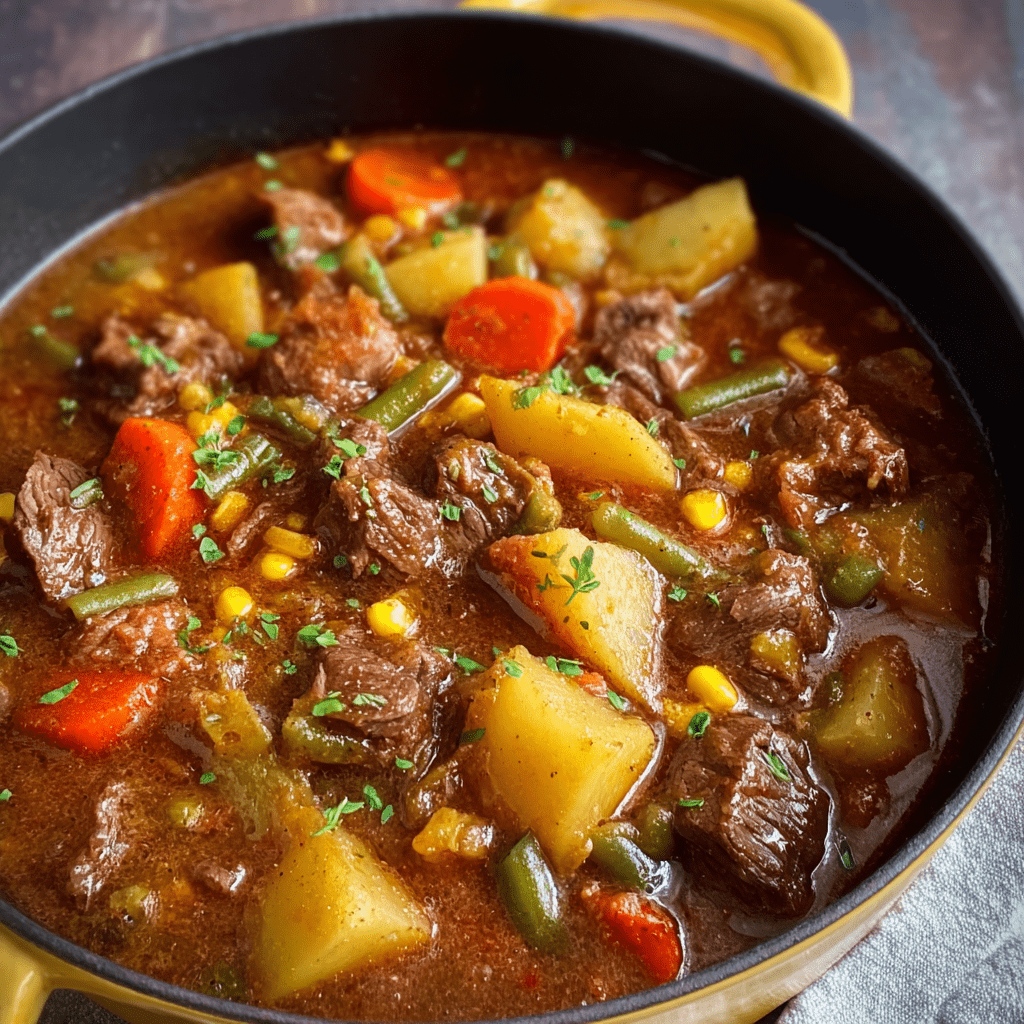
Hearty Mulligan Stew

0

Hearty Mulligan Stew is the epitome of rustic, comforting cuisine—a throw-everything-in-the-pot dish that yields a deeply satisfying and nourishing meal. This recipe follows a tradition of simplicity and resourcefulness, transforming humble ingredients like tough cuts of beef, potatoes, and frozen vegetables into a rich, thick, and flavorful stew that warms you from the inside out. The process begins by dredging the beef in a seasoned flour mixture, which not only promotes a beautiful brown crust when seared but also acts as the primary thickening agent for the gravy as it slowly braises in the oven. The long, gentle cooking time in a Dutch oven is the secret to tenderizing the meat until it practically falls apart, while allowing the flavors of herbs, onions, and beef broth to meld into a savory, aromatic base.

What sets this stew apart is its straightforward, two-stage cooking method. After building a foundation of flavor on the stovetop with the browned beef and sautéed onions, the stew is transferred to the oven. This provides an even, all-encompassing heat that simmers the stew gently without the risk of burning the bottom, resulting in perfectly cooked meat and a robust broth. The frozen mixed vegetables are added during the final half-hour, ensuring they retain their bright color and distinct texture without becoming mushy. This stew is a testament to the magic of slow cooking, where minimal effort produces maximum flavor. It’s a forgiving, flexible recipe perfect for a cozy family dinner on a chilly evening, and it tastes even better the next day.

Why You’ll Love This Recipe:

• Ultimate Comfort Food: A warm, hearty, and filling stew that is the very definition of comfort in a bowl.
• Simple and Forgiving: Easy to prepare with common ingredients and flexible enough to accommodate what you have on hand.
• Oven-Braised Perfection: Cooking in the oven ensures tender meat and a beautifully thickened gravy without any scorching.
• Feeds a Crowd: This recipe makes a large pot of stew, perfect for leftovers or feeding a family.

Ingredients:

  • ⅓ cup all-purpose flour
  • ½ teaspoon onion powder
  • ½ teaspoon garlic powder
  • ¼ teaspoon freshly ground black pepper
  • 1 lb beef stew meat, cut into 1-inch cubes
  • 2 tablespoons vegetable oil, divided
  • 1 medium onion, chopped
  • 2 cups low-sodium beef broth
  • ½ teaspoon dried oregano
  • ¼ teaspoon dried basil
  • ¼ teaspoon dried marjoram
  • 2 medium gold potatoes, cubed (peeling optional)
  • 1 bag (19 ounce) frozen mixed vegetables (typically containing corn, carrots, peas, and green beans)
  • Salt, to taste

Instructions:

Step 1: Preheat Oven and Dredge the Beef
• Preheat your oven to 350°F (175°C). This ensures the oven is ready for braising once the stovetop steps are complete.
• In a large zipper-top bag, combine the all-purpose flour, onion powder, garlic powder, and black pepper. Seal the bag and shake to mix. Add the beef stew meat, reseal the bag, and shake vigorously until all the beef pieces are evenly coated. Reserve any leftover flour mixture in the bag.

Step 2: Brown the Beef
• Heat 1 tablespoon of vegetable oil in a large Dutch oven over medium-high heat. Using tongs, remove the beef from the flour mixture, shaking off any excess, and add it to the hot pot in a single layer. Work in batches to avoid overcrowding.
• Brown the beef on all sides, about 2-3 minutes per side. Do not cook through. Transfer the browned beef to a clean plate.

Step 3: Sauté the Aromatics and Make the Roux
• Reduce the heat to medium. Add the remaining 1 tablespoon of oil to the Dutch oven. Add the chopped onion and cook for 3-4 minutes, until softened and translucent.
• Sprinkle the reserved flour mixture (about 1 ½ tablespoons) over the onions. Cook, stirring constantly, for 2 minutes to cook out the raw flour taste and create a roux.

Step 4: Deglaze and Build the Broth
• Add the dried oregano, basil, and marjoram to the pot and stir for 30 seconds until fragrant.
• Gradually pour in the beef broth, stirring constantly to scrape up any browned bits from the bottom of the pot (this is packed with flavor). Bring the mixture to a simmer, stirring until the broth has thickened slightly, about 2 minutes.

Step 5: Braise the Stew
• Return the browned beef and any accumulated juices to the Dutch oven. Stir to combine. Cover the pot with a tight-fitting lid and carefully transfer it to the preheated oven.
• Bake for 1 hour. This long, slow braise will tenderize the beef beautifully.

Step 6: Add the Vegetables and Finish Cooking
• Carefully remove the pot from the oven. Stir in the cubed potatoes and the entire bag of frozen mixed vegetables.
• Cover the pot again and return it to the oven for an additional 30 minutes, or until the potatoes are fork-tender and the stew is bubbly.

Step 7: Season and Serve
• Remove the stew from the oven. Taste and season with additional salt and pepper as needed. Let it rest for 5-10 minutes before serving to allow it to thicken slightly.

Tips:

• Pat the Beef Dry: Before dredging, pat the beef cubes dry with paper towels. This helps the flour adhere better and promotes a superior sear.
• Don’t Skip the Browning: Browning the meat is essential for developing a deep, rich flavor base for the stew.
• Low-Sodium Broth: Using low-sodium broth allows you to control the salt level of the final dish, especially since the broth will reduce and concentrate during cooking.
• Vegetable Variations: Feel free to use fresh vegetables instead of frozen. Add hearty vegetables like carrots and potatoes with the beef, and quicker-cooking veggies like peas during the last 10 minutes.

Storage Options:

• Refrigerator: Store cooled stew in an airtight container in the refrigerator for up to 4 days. The flavors will continue to meld and improve.
• Reheating: Reheat gently on the stovetop over low heat or in the microwave, stirring occasionally. You may need to add a splash of broth or water if the stew has thickened too much.
• Freezing: This stew freezes exceptionally well. Cool completely and freeze in airtight containers for up to 3 months. Thaw overnight in the refrigerator before reheating.

Hearty Mulligan Stew is a timeless, dependable recipe that delivers deep, comforting flavors with minimal fuss. It’s a bowl of pure, simple goodness that feels like home. Enjoy!

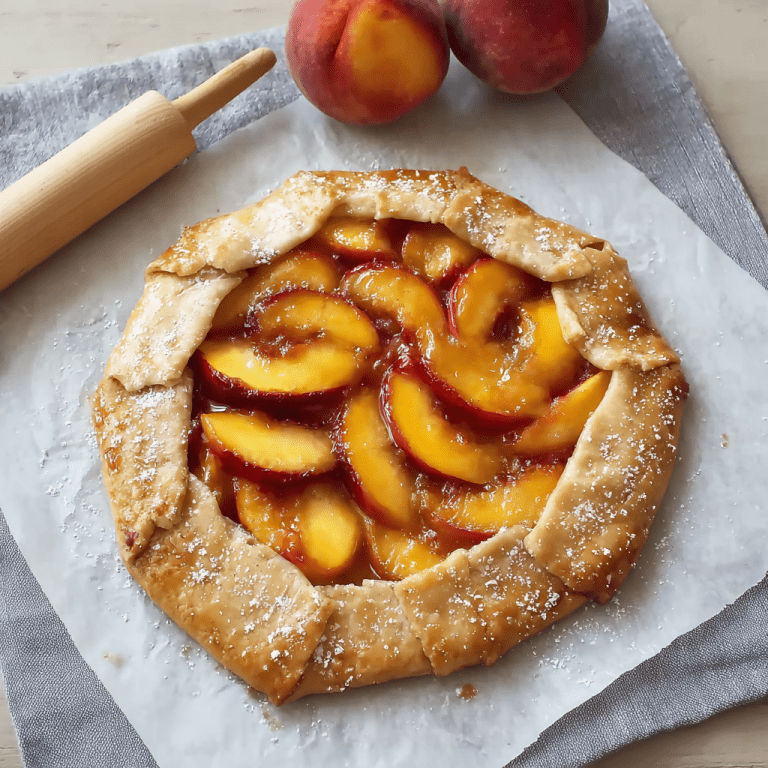
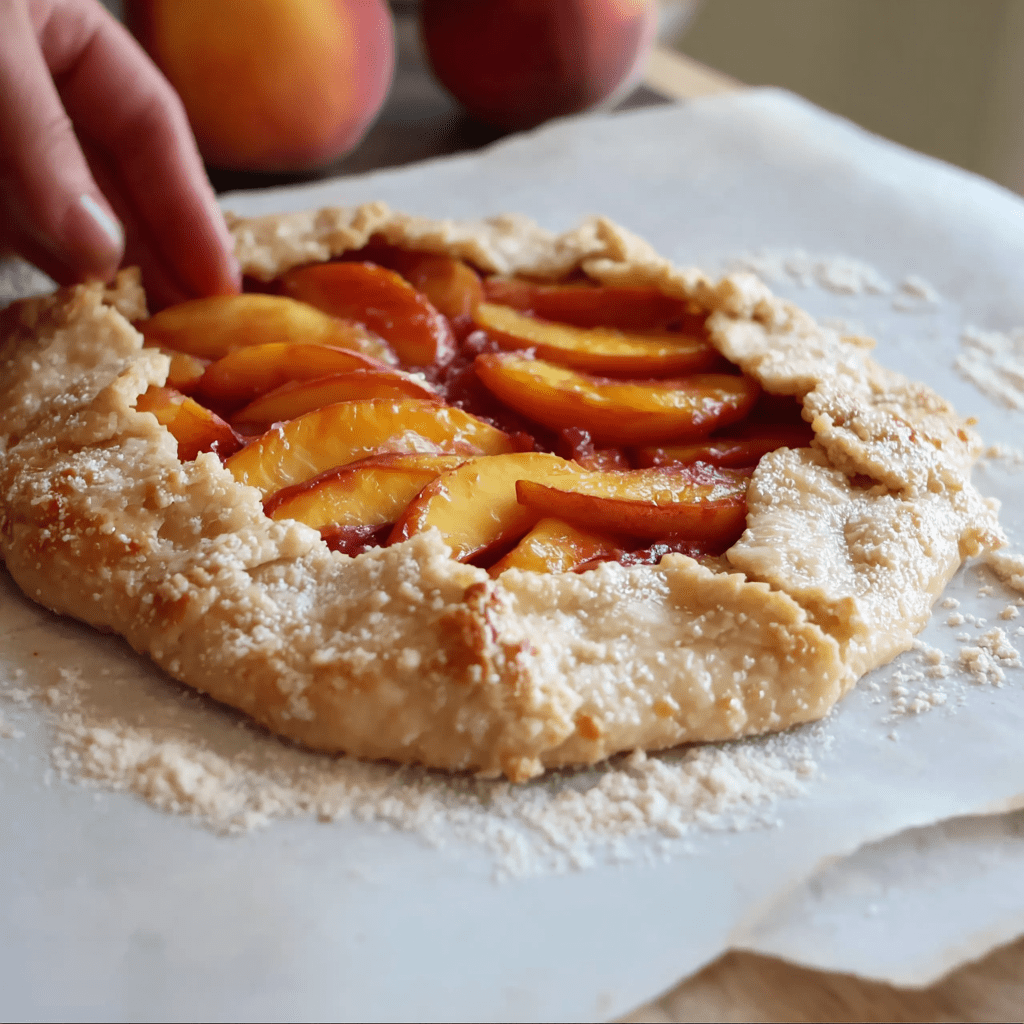
Rustic Peach Galette

0

A Rustic Peach Galette is the epitome of effortless elegance in the world of baking, a free-form tart that celebrates the natural beauty and juicy sweetness of summer peaches with a charming, rustic appearance. This dessert forgoes the precision of a pie plate, allowing the baker to simply fold the edges of a flaky, buttery crust over a simple peach filling, resulting in a beautifully imperfect masterpiece that is often more forgiving and quicker to assemble than a traditional pie. The filling, sweetened just enough to enhance the fruit’s natural flavor, is thickened lightly with cornstarch to create a glossy, tender filling that holds its shape without becoming gluey. Each bite offers a perfect contrast between the crisp, golden pastry and the soft, fragrant peaches, making it an ideal dessert for warm evenings that feels both impressively gourmet and wonderfully humble.

The beauty of this galette lies in its simplicity and the quality of its ingredients. A homemade crust, made with cold butter and a gentle hand, provides a rich, tender base that shatters delicately with each forkful. The peaches are the undisputed star, requiring little more than a hint of sugar, a touch of cinnamon, and a splash of vanilla to elevate them to dessert perfection. As it bakes, the galette fills the kitchen with an irresistible aroma of butter, fruit, and spice. The optional but highly recommended egg wash and sprinkle of coarse sugar on the crust create a deep golden, sparkling finish that is as visually appealing as it is delicious. Served warm, perhaps with a scoop of vanilla ice cream, this galette is a testament to the fact that the most stunning desserts are often the simplest to create.

Why You’ll Love This Recipe:

• Easier Than Pie: No need for a pie plate or intricate lattice work; the free-form style is forgiving and encourages creativity.
• Showcases Summer Fruit: The simple preparation allows the fresh, juicy flavor of ripe peaches to truly shine.
• Perfect Textural Contrast: Features a crisp, buttery crust that gives way to a soft, warm fruit filling.
• Impressively Beautiful: Its rustic, artisanal look belies how simple it is to make, guaranteeing compliments.

Ingredients:

For the Pie Crust:

  • 1½ cups all-purpose flour, spooned and leveled
  • 1 tablespoon granulated sugar
  • ½ teaspoon salt
  • ½ cup (1 stick) unsalted butter, cold and cut into small cubes
  • 4-6 tablespoons ice water
  • 1 egg, beaten (for egg wash)
  • Coarse sugar, for sprinkling (such as turbinado)

For the Peach Filling:

  • 1½ lbs ripe but firm peaches (about 4-5 medium), pitted and sliced ¼-inch thick
  • ⅓ cup granulated sugar (adjust based on peach sweetness)
  • 1 tablespoon cornstarch
  • ½ teaspoon ground cinnamon
  • ¾ teaspoon vanilla extract

Instructions:

Step 1: Make the Pie Dough
• In a medium bowl, whisk together the flour, 1 tablespoon of sugar, and salt.
• Add the cold, cubed butter. Using a pastry cutter, two forks, or your fingertips, work the butter into the flour mixture until it resembles coarse meal with some pea-sized butter pieces remaining. These butter pieces are key for a flaky crust.
• Drizzle 4 tablespoons of ice water over the mixture. Gently stir with a fork until the dough begins to clump together. If it seems too dry, add more water, one tablespoon at a time, until the dough holds together when pinched.
• Shape the dough into a flat disk, wrap tightly in plastic wrap, and refrigerate for at least 1 hour (and up to 2 days).

Step 2: Preheat and Prepare
• Preheat your oven to 425°F (220°C). Line a large baking sheet with parchment paper.

Step 3: Roll Out the Dough
• On a lightly floured surface, roll the chilled dough into a rough circle about 12-13 inches in diameter and ⅛-inch thick. Don’t worry about perfect edges. Carefully transfer the dough to the prepared baking sheet.

Step 4: Prepare the Filling
• In a large bowl, gently toss the peach slices with the ⅓ cup sugar, cornstarch, cinnamon, and vanilla extract until evenly coated. Let the mixture sit for 5-10 minutes to allow the peaches to release some of their juices.

Step 5: Assemble the Galette
• Arrange the peach slices in the center of the dough, leaving a 2-3 inch border around the edges. Use a slotted spoon to leave excess juice behind in the bowl (this prevents a soggy bottom).
• Fold the edges of the dough up and over the filling, pleating it every few inches as you work your way around. It should look rustic.
• Drizzle 1-2 tablespoons of the reserved peach juices over the fruit. Brush the exposed dough with the beaten egg and sprinkle generously with coarse sugar.

Step 6: Bake to Golden Perfection
• Bake for 25-30 minutes, or until the crust is a deep golden brown and the peach filling is bubbly.
• Remove from the oven and allow the galette to cool on the baking sheet for at least 15-20 minutes before slicing. This allows the filling to set.

Tips:

• Keep Everything Cold: The secret to a flaky crust is keeping the butter cold until it hits the oven. Work quickly and chill the dough thoroughly.
• Thickening Power: The cornstarch is essential for thickening the natural peach juices. Don’t skip it, or your galette may be runny.
• Prevent a Soggy Bottom: Leaving the excess juice behind in the bowl and baking on a hot baking sheet helps ensure a crisp crust.
• Serve with Accompaniments: A galette is wonderful on its own, but it’s sublime with a scoop of vanilla ice cream or a dollop of whipped cream.

Storage Options:

• Room Temperature: The galette is best enjoyed the day it is made. It can be kept, covered loosely, at room temperature for up to 8 hours.
• Refrigerator: Store any leftovers in the refrigerator for up to 2 days. The crust will soften.
• Reheating: Reheat slices in a 350°F (175°C) oven for 5-10 minutes to crisp up the crust.

Rustic Peach Galette is a celebration of summer’s finest fruit, wrapped in a simple, buttery crust. It’s a beautifully imperfect dessert that is sure to become a seasonal favorite. Enjoy

Classic Southern Fish Fry

0

A Classic Southern Fish Fry is a cherished tradition, a celebration of simple ingredients transformed into something truly spectacular through technique and soul. This recipe focuses on catfish, the quintessential Southern fish, prized for its mild, sweet flavor and firm texture that holds up perfectly to frying. The process is a ritual: a soak in tangy buttermilk tenderizes the fish and provides a sticky base, followed by a dredge in a meticulously seasoned coating of cornmeal and flour. This combination is the secret to the ideal fry—a shatteringly crisp, golden-brown crust that gives way to flaky, moist, and perfectly cooked fish beneath. Fried in hot oil until puffed and glorious, and served with a simple wedge of lemon, this dish is the heart of a backyard gathering, a Friday night supper, or any occasion that calls for genuine, down-home comfort food.

The magic of this recipe lies in the balance of its coating and the precision of the fry. The cornmeal provides the essential gritty crunch that is signature to Southern frying, while the flour helps create a cohesive, even layer that adheres beautifully. The blend of paprika, garlic, and onion powder builds a savory foundation, and the touch of cayenne pepper adds a subtle, warm heat that lingers pleasantly. The key to success is maintaining the correct oil temperature—hot enough to immediately sizzle and seal the crust, preventing greasiness, but not so hot that it burns before the fish is cooked through. This method yields fish that is never oily, always crispy, and bursting with flavor. It’s a foolproof path to achieving that iconic, crave-worthy texture and taste that defines a perfect Southern fish fry.

Why You’ll Love This Recipe:

• Iconic Crispy Texture: The cornmeal coating fries up to an incredibly light and crunchy crust that is the hallmark of great Southern fried catfish.
• Perfectly Seasoned: A simple but powerful spice blend ensures every bite is packed with flavor, enhancing the natural sweetness of the fish.
• Foolproof Frying Technique: Clear instructions for temperature and timing guarantee crispy, non-greasy results every time.
• The Ultimate Comfort Food: This dish is simple, satisfying, and evokes a sense of community and celebration.

Ingredients:

  • 4 fresh catfish fillets (about 6-8 ounces each)
  • 1 cup buttermilk
  • 1 cup yellow cornmeal
  • 1/2 cup all-purpose flour
  • 1 teaspoon paprika (smoked paprika adds a great depth)
  • 1 teaspoon garlic powder
  • 1 teaspoon onion powder
  • 1/2 teaspoon cayenne pepper (adjust to taste)
  • Salt and freshly ground black pepper, to taste
  • Vegetable oil, peanut oil, or canola oil (for frying)
  • Lemon wedges, for serving
  • Hot sauce, for serving (optional)

Instructions:

Step 1: Prepare the Fish
• Pat the catfish fillets completely dry with paper towels. This is crucial for the coating to stick. Season both sides of the fillets lightly with salt and black pepper.

Step 2: Soak in Buttermilk
• Pour the buttermilk into a shallow dish large enough to hold the fillets in a single layer. Place the seasoned catfish fillets in the buttermilk, ensuring they are fully submerged. Let them soak for at least 10 minutes (or up to 30 minutes) in the refrigerator. This step tenderizes the fish and helps the coating adhere.

Step 3: Create the Dredging Mixture
• In another shallow dish (like a pie plate), whisk together the cornmeal, flour, paprika, garlic powder, onion powder, cayenne pepper, and a generous pinch of salt and black pepper.

Step 4: Dredge the Fish
• Remove one fillet from the buttermilk, allowing the excess to drip off. Dredge it in the cornmeal mixture, pressing gently to ensure an even, thorough coating on all sides. Place the coated fillet on a wire rack set over a baking sheet. Repeat with the remaining fillets. Letting them rest on the rack for 5-10 minutes helps the coating set.

Step 5: Heat the Oil
• Pour oil into a large, heavy-bottomed skillet (cast iron is ideal) to a depth of about 1 inch. Heat the oil over medium-high heat until it reaches 350°F (175°C). Use a deep-fry or candy thermometer for accuracy. The oil is ready when a pinch of the dredging mixture sizzles immediately upon contact.

Step 6: Fry the Fish
• Carefully place two fillets in the hot oil, being careful not to overcrowd the pan. Fry for 3-4 minutes on the first side, until the crust is deep golden brown.
• Using a wide, slotted spatula or fish turner, carefully flip the fillets. Fry for another 3-4 minutes on the second side, until the fish is cooked through and flakes easily with a fork.

Step 7: Drain and Keep Warm
• Transfer the fried fish to a wire rack set over a paper towel-lined baking sheet. This allows air to circulate, keeping the bottom crust crispy. Do not drain directly on paper towels alone, as this can create steam and make the bottom soggy. You can keep the finished fillets warm in a 200°F (95°C) oven while you fry the remaining batches.

Step 8: Serve Immediately
• Serve the fried catfish hot, accompanied by lemon wedges for squeezing over the top and your favorite hot sauce on the side. Classic accompaniments include coleslaw, hush puppies, and french fries.

Tips:

• Maintain Oil Temperature: This is the most important rule. Adding fish will cause the temperature to drop. Allow it to come back to 350°F before adding the next batch. If the oil is too cool, the fish will be greasy; if too hot, the coating will burn before the fish is cooked.
• Use a Thermometer: Guessing the oil temperature is the leading cause of frying failure. A simple candy thermometer is an invaluable tool.
• Don’t Crowd the Pan: Frying too many pieces at once drastically lowers the oil temperature and leads to steaming instead of frying.
• Freshness of Oil: If your oil is dark or has been used multiple times, it will impart off-flavors and not fry as crisply. Use fresh, clean oil for the best results.

Storage Options:

• Not Ideal for Storage: Fried fish is best enjoyed immediately after cooking while the crust is still crisp.
• Refrigerator: Store leftovers in an airtight container in the refrigerator for up to 2 days.
• Reheating: To recrisp the coating, reheat in an air fryer or a conventional oven at 375°F (190°C) for 5-10 minutes. The microwave will make the coating soft and soggy.

Classic Southern Fish Fry is a timeless technique that delivers unbeatable flavor and texture. It’s a celebration of simplicity that results in a truly magnificent and satisfying meal. Enjoy

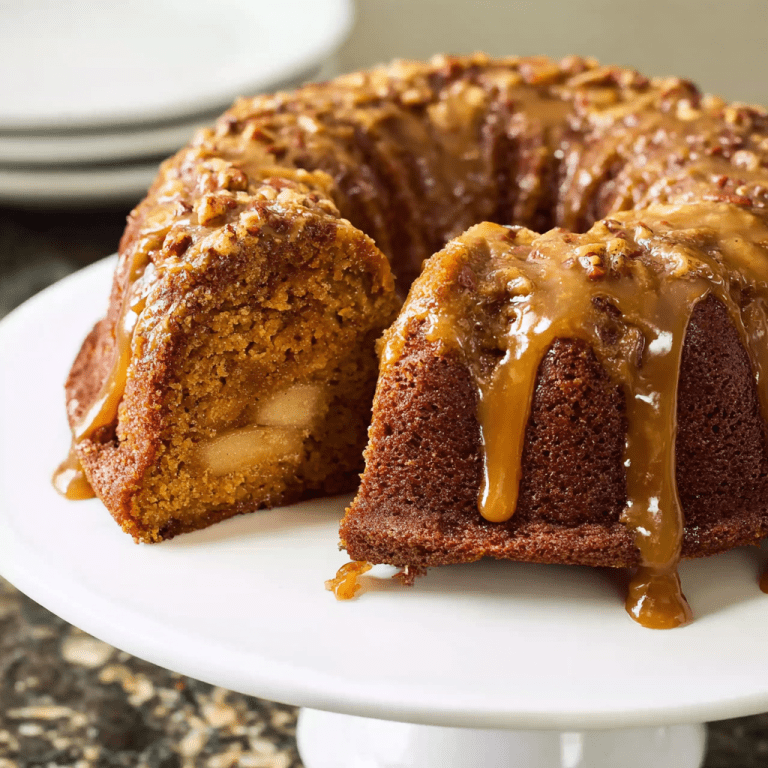
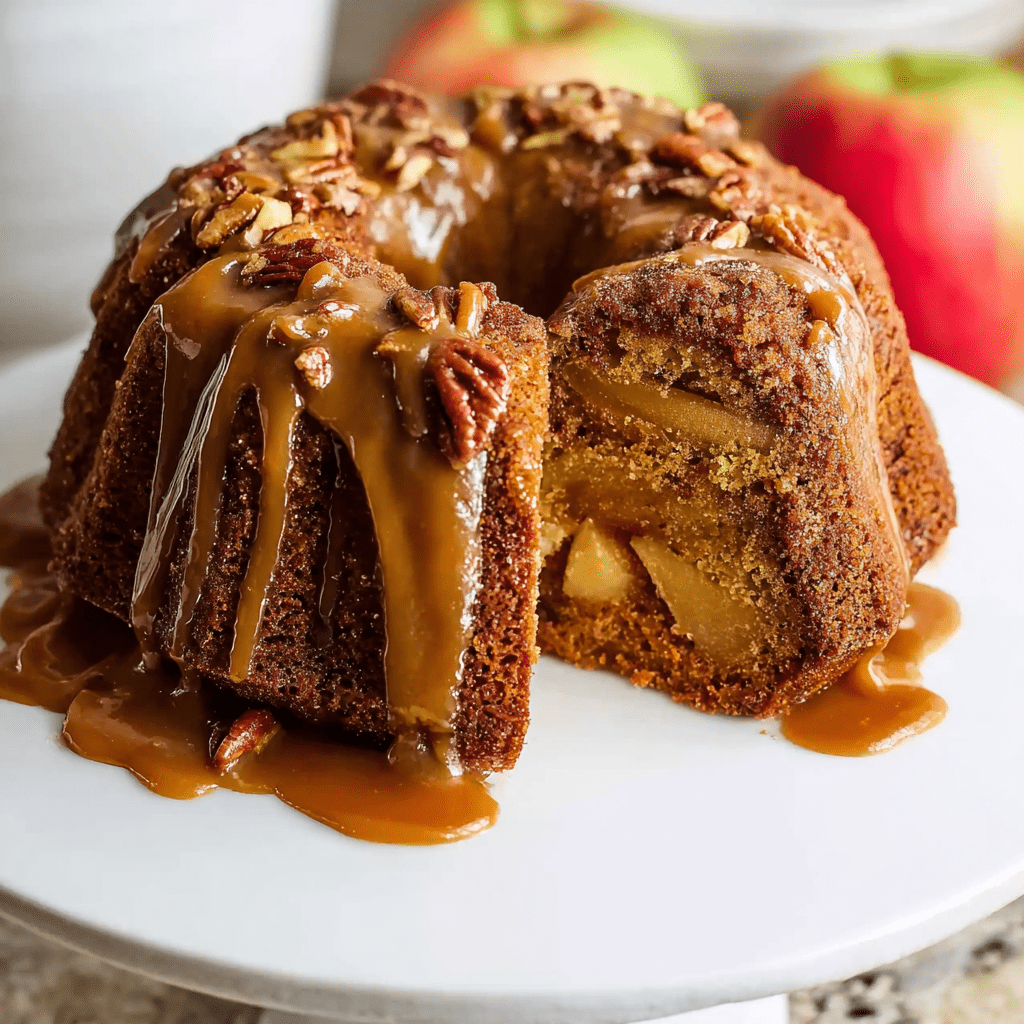
Spiced Apple Bundt Cake with Caramel Drizzle

0

Spiced Apple Bundt Cake with Caramel Drizzle is the epitome of rustic, home-baked elegance—a moist, incredibly flavorful cake that celebrates the humble apple in the most glorious way. This recipe creates a dense, tender crumb, reminiscent of a classic pound cake, but is studded throughout with soft, sweet chunks of Honeycrisp apple and toasted pecans. The warm, aromatic blend of cinnamon, cloves, and nutmeg perfumes the entire cake, making your kitchen smell like autumn itself. Baked in a beautiful Bundt pan, it emerges with a stunning shape that requires no fancy decorating, yet is transformed into a show-stopping dessert with a simple, homemade caramel drizzle that seeps into the warm cake, creating an irresistible glaze. It’s a cake that is equally suited for a casual coffee gathering as it is for a holiday dessert table.

The secret to this cake’s exceptional moisture and richness lies in its unique method. Unlike many cakes that rely on creaming butter and sugar, this one uses vegetable oil, which results in a texture that stays supremely moist for days. The brown sugar contributes a deep, molasses-like sweetness that pairs perfectly with the spices and fruit. The generous amount of apples not only provides pockets of juicy flavor but also ensures every slice is packed with fruit. Letting the cake cool briefly in the pan before inverting is crucial for it to hold its intricate shape, while drizzling the warm caramel over the still-warm cake allows it to be absorbed, creating a sticky, sweet shell that complements the spiced interior. This cake is a timeless, foolproof recipe that delivers immense satisfaction with every bite.

Why You’ll Love This Recipe:

• Unbelievably Moist: The combination of oil and the natural juices from the apples guarantees a cake that stays moist for days.
• Warm, Autumnal Spices: The blend of cinnamon, cloves, and nutmeg provides a classic, comforting flavor that is perfectly balanced.
• Stunning Presentation: The Bundt pan creates a beautiful, elegant shape with zero effort, making it look professionally made.
• Simple Homemade Caramel: The easy three-ingredient caramel drizzle elevates the cake from simple to spectacular.

Ingredients:

For the Cake:

  • 3 cups all-purpose flour, spooned and leveled
  • 1 ½ teaspoons baking soda
  • 1 teaspoon salt
  • 1 tablespoon ground cinnamon
  • ½ teaspoon ground cloves
  • ½ teaspoon ground nutmeg
  • 1 ½ cups vegetable oil (or canola oil)
  • 2 cups packed light or dark brown sugar
  • 3 large eggs, at room temperature
  • 1 ½ teaspoons vanilla extract
  • 4 large Honeycrisp apples (or Granny Smith), peeled, cored, and cut into ½-inch chunks
  • 1 cup chopped pecans, toasted

For the Caramel Drizzle:

  • 1/2 cup packed brown sugar
  • 2 tablespoons unsalted butter
  • 1/4 cup heavy cream
  • 1/2 teaspoon vanilla extract
  • Pinch of salt

Instructions:

Step 1: Preheat and Prepare the Pan
• Preheat your oven to 350°F (175°C). Thoroughly grease a 10-inch Bundt pan with butter or non-stick baking spray. Dust the greased pan with a tablespoon of flour, tapping out any excess. This ensures the cake will release cleanly.

Step 2: Combine the Dry Ingredients
• In a medium bowl, whisk together the flour, baking soda, salt, cinnamon, ground cloves, and nutmeg. This ensures the leavening and spices are evenly distributed throughout the flour.

Step 3: Combine the Wet Ingredients
• In a large mixing bowl, whisk together the vegetable oil and brown sugar until well combined. Add the room-temperature eggs one at a time, whisking well after each addition until the mixture is smooth. Stir in the vanilla extract.

Step 4: Mix Wet and Dry Ingredients
• Add the dry flour mixture to the wet ingredients in three separate additions, stirring with a spatula after each until just combined. Be careful not to overmix; a few streaks of flour are okay.

Step 5: Fold in Apples and Pecans
• Gently fold the chunked apples and toasted pecans into the batter until they are evenly distributed. The batter will be very thick.

Step 6: Bake the Cake
• Spoon the thick batter into the prepared Bundt pan, spreading it evenly. Tap the pan on the counter a few times to release any large air bubbles.
• Bake for 55-65 minutes, or until a long wooden skewer or toothpick inserted into the center of the cake comes out clean or with a few moist crumbs attached.

Step 7: Cool the Cake
• Place the pan on a wire rack and let the cake cool in the pan for 15-20 minutes. This allows the structure to set. Then, carefully invert the cake onto the wire rack to cool completely.

Step 8: Make the Caramel Drizzle
• While the cake is cooling, prepare the caramel. In a small saucepan over medium heat, combine the brown sugar, butter, and heavy cream.
• Bring the mixture to a gentle boil, stirring constantly to dissolve the sugar. Let it boil for 1 minute.
• Remove the pan from the heat and stir in the vanilla extract and a pinch of salt.

Step 9: Glaze and Serve
• Once the cake is mostly cool but still slightly warm, transfer it to a serving plate. Using a spoon, drizzle the warm caramel sauce over the top of the cake, allowing it to drip down the sides.
• Slice and serve.

Tips:

• Apple Selection: Honeycrisp apples provide a sweet-tart flavor and hold their shape well. Granny Smith apples are a great tart alternative.
• Toasting Pecans: Toasting the pecans beforehand in a 350°F oven for 5-7 minutes dramatically enhances their flavor.
• Don’t Overmix: Overmixing the batter after adding the flour can lead to a tough cake. Mix until the ingredients are just combined.
• Cooling is Key: Allowing the cake to cool in the pan is essential. Inverting it while it’s too hot may cause it to break.

Storage Options:

• Room Temperature: Store the cake, covered with a cake dome or plastic wrap, at room temperature for up to 3 days.
• Refrigerator: For longer storage, you can refrigerate it for up to 5 days. Let it come to room temperature for the best texture and flavor.
• Freezing: This cake freezes beautifully without the glaze. Wrap the cooled, unglazed cake tightly in plastic wrap and then foil. Freeze for up to 3 months. Thaw overnight at room temperature and add the caramel drizzle before serving.

Spiced Apple Bundt Cake with Caramel Drizzle is a celebration of simple, wholesome ingredients coming together to create something truly magnificent. It’s a timeless recipe that promises warmth, comfort, and pure delight with every slice. Enjoy