“Are These Eggs Still Good?”: Settling the Great Expired Egg Debate Once and for All

0

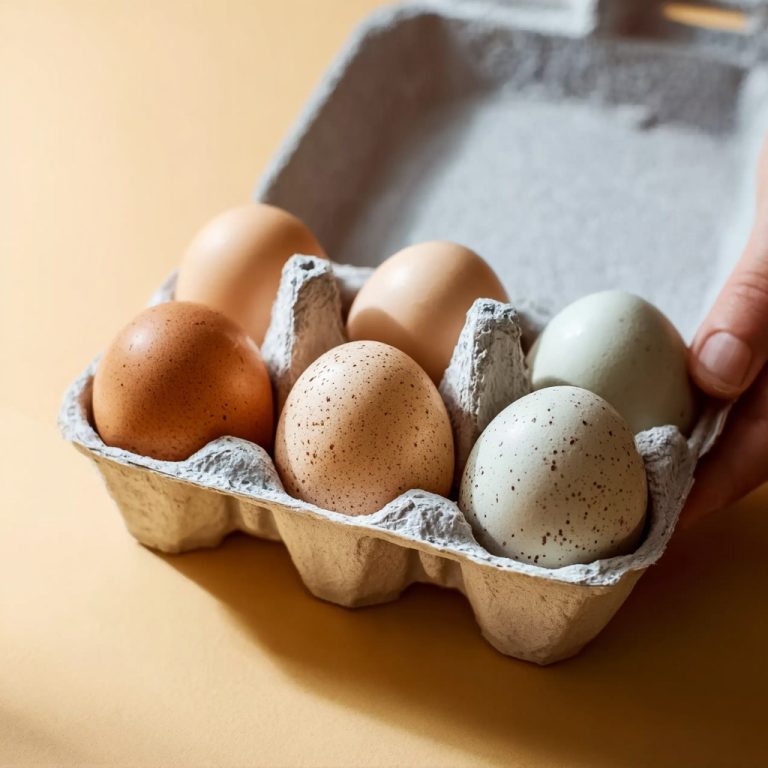
You know how it goes—you’re standing in the kitchen, holding an egg carton like it’s a ticking time bomb, squinting at that faint “sell-by” date and wondering if you’re about to poison the whole family… or just waste perfectly good breakfast.

Maybe your partner is saying, “They’re fine, it’s just a date!”

Meanwhile, you’re Googling things like “how long after expiration can you eat eggs without dying.”

Sound familiar?

Let’s crack this wide open (pun fully intended) and finally settle the score on expired eggs.

Let’s Talk About Those Confusing Egg Carton Dates

Here’s the thing: that little date stamped on the carton? It’s not as dramatic as it looks.

In the U.S., egg cartons often carry a “sell-by” or “expiration” date—but that’s more for the store than it is for you. It helps the grocer know when to rotate stock, not necessarily when the egg becomes a biological hazard.

So, if your eggs are a few days—or even weeks—past that date, don’t toss them just yet.

Okay But… Are They Still Good? Here’s How to Check

If you’re not sure whether those eggs are still edible, there are some old-school tricks worth knowing. The best part? No fancy gadgets or food safety degrees required.

1. The Float Test

  • Fill a bowl with cold water.
  • Gently drop the egg in.

What it tells you:

  • Sinks and lays flat: Super fresh.
  • Stands upright: Still safe, but use soon.
  • Floats to the top: That’s a no-go. Chuck it.

Eggs have tiny pores. Over time, air seeps in, and a floating egg means a whole lot of that has happened.

2. The Sniff Test

Crack the egg into a bowl. If you recoil from the smell, your nose is doing its job. Rotten eggs have a sulfuric odor you won’t miss.

3. Visual Check

Any weird colors? Cloudy whites are usually fine, but greenish yolks or pinkish whites? Yeah… hard pass.

Why Eggs Age (And How to Slow It Down)

Eggs are like the rest of us—they change over time. Moisture and carbon dioxide slowly escape through that porous shell, especially if they’re not stored properly.

But here’s the kicker:

If you keep your eggs in the refrigerator, that aging process slows way down.

In fact, eggs stored cold and consistently can last three to five weeks past the printed date.

So yes, your cautious aunt who refrigerates everything might be right about this one.

Myth-Busting Time: No, Expired Doesn’t Mean Dangerous

Let’s bust a common myth: eggs don’t turn toxic the minute that date passes.

It’s not like Cinderella’s carriage turning into a pumpkin at midnight. A well-stored egg can be totally fine long after that “expiration” stamp fades into obscurity.

Relying solely on dates instead of your senses? That’s where people go wrong.

But Wait—Can Expired Eggs Make You Sick?

Absolutely.

If an egg is truly spoiled, it can carry salmonella, which is no picnic. We’re talking about stomach cramps, diarrhea, fever—you name it.

But that’s why the float and sniff tests matter so much. They can save you from a very unpleasant 24–48 hours (or worse).

When in doubt, toss it out. Your omelet isn’t worth a trip to the ER.

How to Store Eggs So They Last Longer (and Smell Less Like Your Fridge)

Want to keep your eggs fresher, longer? It’s not rocket science:

  • Keep them in the original carton. It protects them from absorbing odors and light.
  • Store them inside the fridge, not the door. The door gets warm every time you open it.
  • Pointy side down. Yep—helps keep the air cell stable and yolk centered. (A little trick from grandma.)

When Eggs Cause Couple Fights (And How to Avoid Them)

You’d be surprised how many couples argue over food safety. One person’s “eh, it’s fine” is another person’s “are you trying to kill me?”

So here’s a tip:

Next time there’s an egg standoff, agree to do the float test together. Make it a weird little ritual. Laugh about it. Talk it out. Heck, make pancakes if it passes.

Food safety doesn’t have to feel like a courtroom trial.

What the Experts Say (Yes, Actual Food Scientists)

The USDA and food safety pros generally agree:

  • Smell and visual cues are more reliable than dates
  • Float test is solid
  • When properly refrigerated, eggs stay safe for weeks

They also emphasize basic hygiene—wash your hands after handling raw eggs, don’t leave them out too long, and always cook them thoroughly.

Final Thought: Don’t Fear the Egg (Just Use Your Senses)

So, are expired eggs the enemy? Not really.

Are they something to be wary of? Definitely.

But with a little common sense, a sniff test, and maybe a bowl of water, you can make the right call without the drama.

And next time someone says, “Those eggs are fine,” you’ll have the knowledge—and the float test bowl—to back you up.

Now go enjoy your breakfast, worry-free.
Sausage and Mushroom Pasta Bake

0

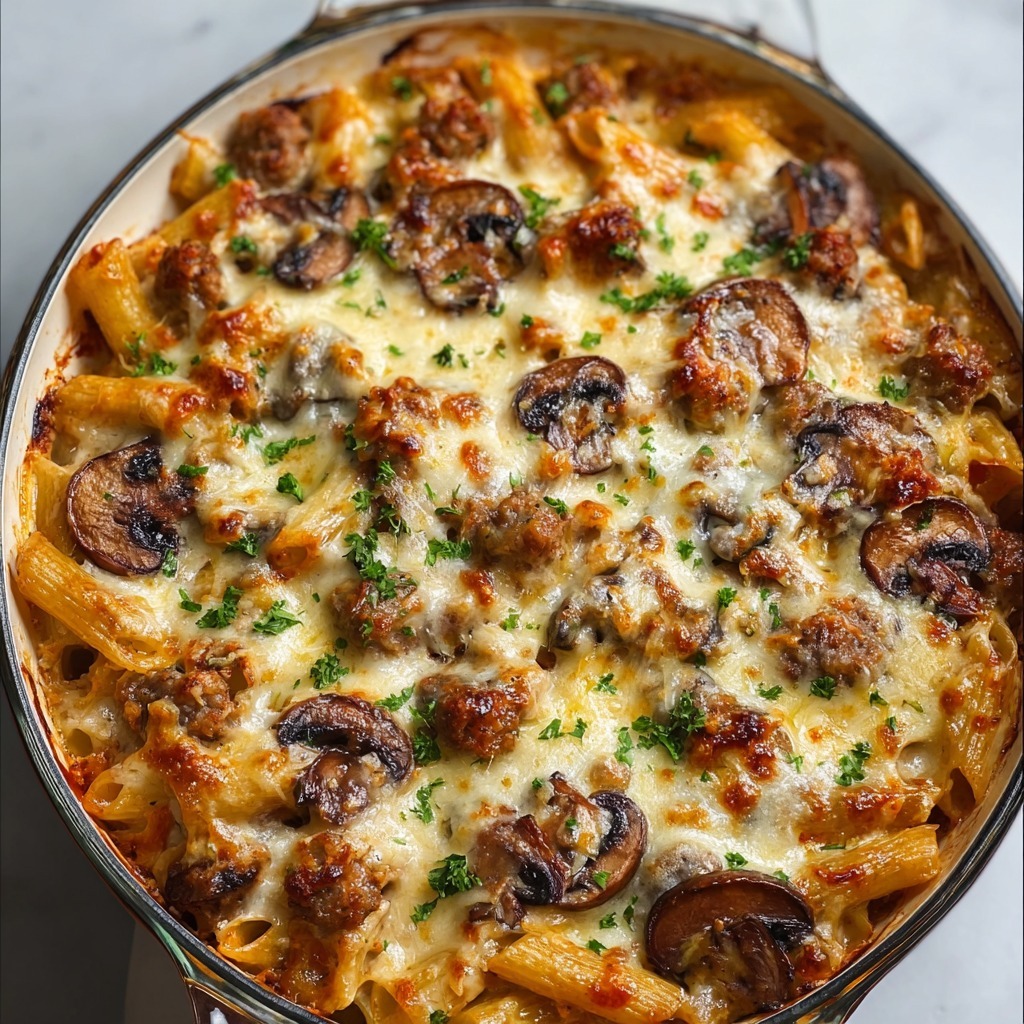
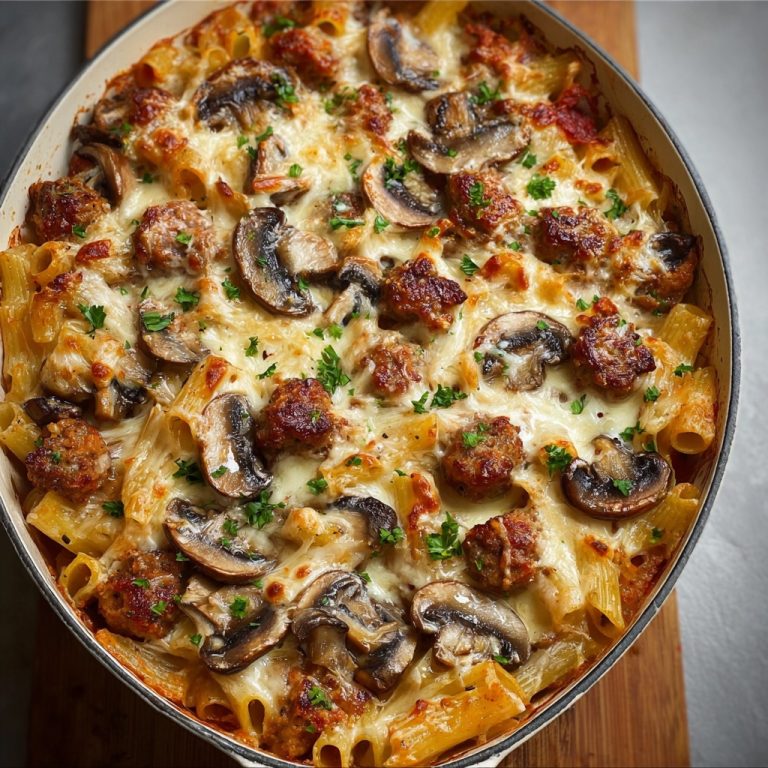
Sausage and Mushroom Pasta Bake is the ultimate crowd-pleasing casserole—a hearty, cheesy, and deeply savory dish that combines tender pasta, savory Italian sausage, earthy mushrooms, and a rich tomato-cream sauce, all baked under a blanket of golden, bubbly mozzarella and Parmesan. This recipe is a celebration of rustic Italian-American comfort, where every component is thoughtfully layered to create a cohesive, satisfying meal that feels like a warm embrace. The magic begins with browning savory Italian sausage, rendering its flavorful fat which then becomes the foundation for sautéing mushrooms and onions, building layers of umami-rich depth. A simple yet luxurious sauce of crushed tomatoes and heavy cream, brightened with herbs and a touch of tomato paste, coats every piece of pasta, ensuring each bite is perfectly sauced without being heavy. The final bake transforms the dish, melting the cheeses into a glorious, golden crust and allowing all the flavors to meld into a harmonious whole.

The brilliance of this recipe lies in its perfect balance of richness and heartiness, and its incredible appeal to a wide range of tastes. The combination of savory sausage and earthy mushrooms creates a deeply satisfying, almost meaty flavor profile, while the creamy tomato sauce adds a touch of indulgence without overwhelming. The penne or rigatoni pasta, with its ridges and hollow centers, is the perfect vehicle for capturing the sauce and cheese in every bite. Baked until bubbly and golden, this casserole is the ultimate one-dish meal—perfect for feeding a hungry family, bringing to a potluck, or simply enjoying as a cozy weekend dinner. It’s a recipe that promises to become a cherished favorite, delivering comfort and joy with every single serving.

Why You’ll Love This Recipe:

  • Rich, Savory, and Deeply Satisfying: Italian sausage, earthy mushrooms, and a creamy tomato sauce create incredible depth of flavor.
  • Perfectly Cheesy and Golden: A generous topping of mozzarella and Parmesan melts into a bubbly, irresistible crust.
  • Complete One-Dish Meal: Pasta, protein, and sauce all bake together for minimal cleanup and maximum flavor.
  • Crowd-Pleasing Comfort Food: Universally loved, hearty, and perfect for family dinners or gatherings.
  • Great for Make-Ahead & Leftovers: Tastes even better the next day and reheats beautifully.

Ingredients:

For the Pasta:
12 oz (340g) penne, rigatoni, or other short pasta
Salted water, for boiling

For the Filling:
1 lb (450g) Italian sausage (mild or spicy), casings removed
8 oz (225g) cremini or button mushrooms, sliced
1 small yellow onion, finely chopped
3 cloves garlic, minced
1 tablespoon olive oil

For the Sauce:
2 tablespoons tomato paste
1 (14 oz / 400g) can crushed tomatoes
½ cup (120ml) heavy cream
½ teaspoon dried oregano
½ teaspoon dried basil
½ teaspoon salt (adjust to taste)
¼ teaspoon freshly ground black pepper
¼ teaspoon red pepper flakes (optional, for heat)

For the Topping:
1 ½ cups (about 6 oz) shredded mozzarella cheese
½ cup (about 2 oz) grated Parmesan cheese
Fresh parsley, chopped (optional, for garnish)

Instructions:

Step 1: Cook the Pasta
Bring a large pot of generously salted water to a boil. Add the pasta and cook according to package directions until just al dente (slightly firm to the bite). Drain well and set aside.

Step 2: Brown the Sausage
While the pasta cooks, heat the olive oil in a large skillet or Dutch oven over medium heat. Add the Italian sausage, breaking it up with a spoon. Cook until well browned, about 5-7 minutes. If there is excess grease, carefully drain it off.

Step 3: Sauté the Vegetables
Add the chopped onion and sliced mushrooms to the skillet with the sausage. Cook for 5-6 minutes, stirring occasionally, until the vegetables have softened and the mushrooms have released their liquid and begun to brown. Stir in the minced garlic and cook for 30 seconds until fragrant. Add the tomato paste and cook, stirring constantly, for 1 minute to caramelize it slightly.

Step 4: Make the Sauce
Pour in the crushed tomatoes, heavy cream, dried oregano, dried basil, salt, pepper, and red pepper flakes (if using). Stir well to combine, scraping up any browned bits from the bottom of the pan. Bring the sauce to a gentle simmer and let it cook for 5 minutes to allow the flavors to meld.

Step 5: Combine and Assemble
Preheat your oven to 375°F (190°C). Lightly grease a 9×13-inch baking dish. In a large bowl, combine the cooked pasta with the sausage and mushroom sauce. Stir until the pasta is evenly coated. Transfer the mixture to the prepared baking dish and spread it into an even layer.

Step 6: Add Cheese and Bake
Sprinkle the shredded mozzarella evenly over the top, followed by the grated Parmesan. Bake, uncovered, for 20-25 minutes, until the sauce is bubbly and the cheese is melted and lightly golden.

Step 7: Rest and Serve
Remove the baking dish from the oven and let it rest for 5-10 minutes before serving. This allows the casserole to set slightly for cleaner portions. Garnish with fresh parsley if desired and serve warm.

Tips:

  • Don’t Overcook the Pasta: Cook it to al dente, as it will continue to cook in the oven. Overcooked pasta will become mushy.
  • Drain Excess Fat: If your sausage is very fatty, drain off the excess after browning to prevent a greasy final dish.
  • Use Quality Sausage: Good-quality Italian sausage with fennel and spices makes a significant difference in flavor.
  • Add Vegetables: Feel free to add a cup of spinach or chopped bell peppers with the mushrooms for extra color and nutrition.
  • Customize the Cheese: A blend of provolone, fontina, or asiago can be used in place of or in addition to the mozzarella.

Storage Options:

  • Refrigerator: Store leftovers in an airtight container in the refrigerator for up to 4 days.
  • Reheating: Reheat individual portions in the microwave, or cover the baking dish with foil and reheat in a 325°F (165°C) oven until warmed through.
  • Freezing: This pasta bake freezes beautifully for up to 2 months. Assemble completely but do not bake, or cool fully after baking. Wrap tightly in plastic and foil. Thaw overnight in the refrigerator before reheating.
  • Make-Ahead: Assemble the entire casserole up to 24 hours in advance. Cover and refrigerate. Bake as directed, adding 10-15 minutes to the bake time.

Sausage and Mushroom Pasta Bake is the epitome of hearty, comforting, and deeply satisfying home cooking. It’s a dish that brings people together, fills the kitchen with incredible aromas, and delivers pure comfort in every single bite.

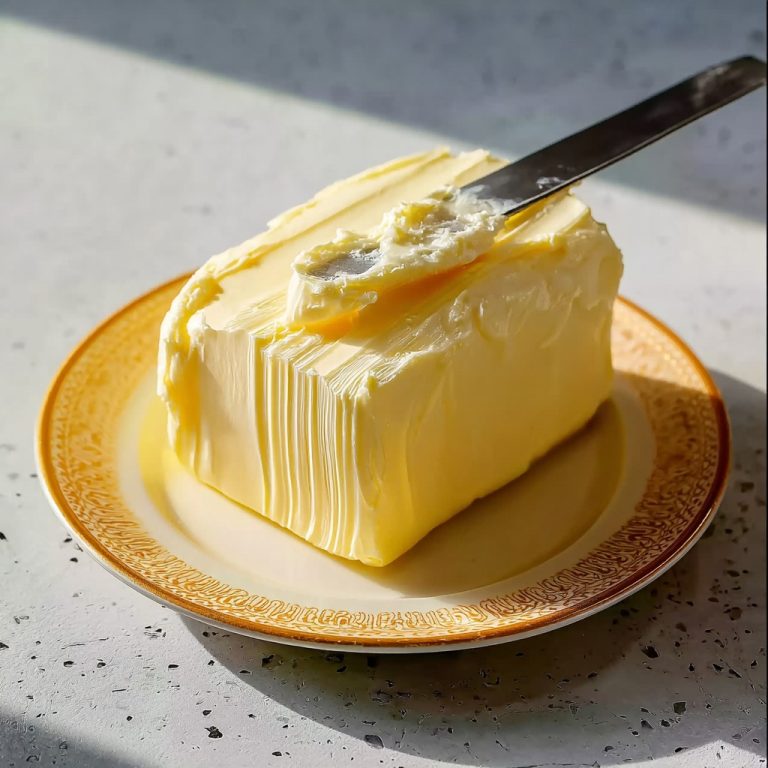
So I Accidentally Hoarded Butter (Here’s What I Did With It)Okay, full honesty?I’m not even sure how it happened.

0

One day I opened the fridge and realized I had, like… an alarming amount of butter.
Like, possibly-enough-to-bake-a-cake-for-every-neighbor-on-the-block amount.

And I had no big baking plans. No dinner parties. No grand holiday menus.
Just me. And way too much butter.

At first, I panicked a little. I hate wasting food. But then I thought — you know what? There are way worse problems to have. Butter is basically gold in the kitchen. So I decided to treat it like a challenge from the universe.

A very delicious, slightly greasy challenge.

And what happened next?
Ten very buttery, very real kitchen moments that reminded me why butter is never just a backup ingredient.

Why Butter Deserves to Be the Main Character
Let’s be real: butter gets treated like the opening act.

Like, “Oh we’ll just add a little butter to the pan” — like it’s a throwaway.
But it’s not.

Butter is the flavor. The mood. The cozy blanket that wraps around a dish and makes it feel like home.

It makes things:

Crispier

Softer

Creamier

Toastier

Just… better.

So if you’ve got extra butter and you’re wondering what to do with it, here’s my totally non-professional, very enthusiastic advice:

Use it like you mean it.

But First, Don’t Throw It Out
Let me just say this loud for the people in the back:

Butter lasts.
Butter freezes beautifully.
Butter is worth saving.

Even if you’re not in a cooking mood, just wrap the sticks up tight and toss them in the freezer. They’ll hang out for months like the chill friends they are, waiting patiently until inspiration strikes.

Okay. Now onto the fun stuff.

10 Things I Made With Too Much Butter (and Zero Regrets)

  1. Flavored Butter That Makes You Feel Fancy at Breakfast
    I took some softened butter and mixed in stuff I had on hand — fresh rosemary, garlic, a little lemon zest. Rolled it into a log. Stuck it in the fridge.

Later, I smeared it on toast and pretended I was at a fancy bed and breakfast with no children yelling about cereal.

Other combos that slapped:

Cinnamon + honey (on pancakes = heaven)

Chives + salt (on eggs or potatoes)

Sriracha + lime (weird but amazing on corn)

  1. The Butter Cookies That Broke Me (In a Good Way)
    These cookies are dangerous.
    Flour. Sugar. Butter. That’s it.

No eggs. No baking soda. Just buttery, melty magic that makes your whole house smell like a bakery where someone actually cares about you.

I made them “for the kids” and then ate four while they were still cooling.

  1. Buttercream, Because Sometimes You Just Need to Whip Something Sweet
    Even if you’re not frosting a cake — buttercream is therapy.
    You whip the butter, add powdered sugar, maybe vanilla, maybe a splash of milk… and suddenly, it’s like dessert just shows up.

I literally dipped strawberries in it. And also a spoon. And also, uh, my finger. Don’t judge.

  1. Steaks With Herb Butter That Made Me Feel Like I Had My Life Together
    I don’t cook steak often. But when I do? I top it with a pat of homemade herb butter and pretend I know what I’m doing.

It melts, it sizzles, it makes everything taste expensive.

You don’t even need a steak — that butter is on mushrooms, grilled chicken, roasted carrots, whatever.

  1. Garlic Bread That Didn’t Even Make It to the Table
    I mixed butter with minced garlic and salt. Smeared it all over a loaf of sourdough. Baked it until golden and crispy on the edges.

I meant to serve it with dinner.
But… we just stood at the counter eating it piece by piece. Standing. Like animals. Delicious, happy animals.

  1. Pasta + Butter = The Meal That Saves Me Every Time
    Ever have one of those days where cooking feels like climbing a mountain?

Melt some butter. Add a little garlic, lemon, maybe some Parmesan. Toss with pasta.

That’s it. That’s the tweet.

Comfort in under 10 minutes. No chopping required. Just a bowl of warm, buttery pasta and the feeling that maybe things are going to be okay.

  1. A Pie Crust So Flaky I Almost Cried
    I made a pie crust from scratch for the first time in ages.
    Just flour, cold butter, water, a pinch of salt.

It was buttery. It was flaky. It was… not perfect, but perfect enough.

I filled it with apple slices and cinnamon and felt like someone’s wholesome grandma, even though I was wearing leggings and had three tabs open about how to get toddlers to nap longer.

  1. Mashed Potatoes That Were Basically Butter With a Side of Potato
    I didn’t even measure. I just kept adding butter until it felt right.
    They were rich. Creamy. A little ridiculous. Completely worth it.

I may or may not have eaten a bowl while standing at the stove, whispering “just one more bite” between bites.

  1. Grilled Veggies That Somehow Tasted Like Summer Campfire Nights
    Instead of oil, I brushed melted butter on zucchini and bell peppers before tossing them on the grill. It gave them this almost caramelized edge — like they’d been kissed by sunshine.

Pro tip: add a sprinkle of smoked paprika or garlic powder to the melted butter. It changes everything.

  1. Butter Pancakes That Basically Gave Me a Hug
    Pancakes are already great. But when you melt butter into the batter and cook them in more butter?

You’re not just having breakfast. You’re having a moment.

Light. Fluffy. Crispy edges.
And yeah, I added syrup AND a pat of butter on top because I believe in joy.

Butter Storage 101 (Because I Googled It So You Don’t Have To)
Fridge: Butter keeps for 1–2 months (even longer if it’s salted).

Freezer: Wrap it tight and freeze it for up to 9 months. Defrost in the fridge overnight.

Counter: Some people keep it out in a butter dish — that’s fine for a few days if it’s not sweltering hot. But if you’re unsure, fridge is safest.

Also: if it smells weird or looks off? Trust your gut. Bad butter is rare, but it happens.

Final Thoughts From a Person Who Accidentally Bought 12 Sticks of Butter
Honestly? I’m glad I overdid it.

That accidental butter stockpile led me to slow down, bake things I hadn’t made in years, and remember that food isn’t just fuel — it’s comfort, creativity, and sometimes, straight-up fun.

So if you’ve got too much butter?
Friend, you’ve got possibilities.

Bake the cookies. Slather the bread. Stir the sauce. Make the buttery mess.
You won’t regret it.

And hey — if you try one of these, or come up with your own genius butter idea? Tell me. I’m always up for new excuses to make something melty and delicious.

Double Chocolate Banana Muffins

0

Double Chocolate Banana Muffins are the ultimate indulgence for chocolate and banana lovers alike—a decadent, bakery-style treat that transforms overripe bananas into incredibly moist, tender muffins, then amplifies them with a rich, double dose of deep, dark cocoa and pools of melted semi-sweet chocolate chips. This recipe is a masterful balance, where the natural sweetness and moisture of ripe bananas create a supremely tender crumb that perfectly complements the intense, fudgy richness of the cocoa. The magic lies in the combination: the bananas ensure the muffins stay incredibly soft and moist for days, while the cocoa powder provides a deep, complex chocolate flavor that doesn’t overwhelm the fruit. A full cup of chocolate chips, folded into the batter and optionally pressed onto the tops, melts into gooey pockets of chocolatey goodness in every single bite.

The brilliance of this recipe extends to its clever baking technique, which guarantees a beautiful, domed top. Starting the muffins at a high temperature (425°F) for the first five minutes creates an initial burst of steam that pushes the batter up, forming that coveted bakery-style rise. Reducing the heat to 350°F for the remainder of the bake ensures the centers cook through without burning the tops. The result is a muffin with a slightly crisp exterior and a luxuriously soft, almost brownie-like interior. These muffins are the perfect solution for those overly ripe bananas sitting on your counter, transforming them into a treat that feels more like dessert than breakfast—a rich, chocolatey, and utterly satisfying indulgence suitable for any time of day.

Why You’ll Love This Recipe:

  • Intensely Chocolatey, Perfectly Moist: The combination of cocoa, chocolate chips, and ripe bananas creates a fudgy, incredibly tender texture.
  • Bakery-Style Tops: The high-heat start guarantees beautiful, domed muffin tops.
  • Great Way to Use Overripe Bananas: Transforms spotty bananas into a decadent, crowd-pleasing treat.
  • Double the Chocolate: Cocoa powder in the batter and a full cup of chocolate chips ensure every bite is rich and satisfying.
  • Versatile Indulgence: Perfect for breakfast, dessert, or a satisfying snack any time.

Ingredients:

For the Wet Ingredients:
1 ½ cups mashed overripe bananas (about 4 medium or 3 large bananas)
1 cup granulated sugar
¼ cup sour cream (full-fat or light)
1 large egg
¼ cup vegetable oil (or canola oil)
1 teaspoon pure vanilla extract

For the Dry Ingredients:
1 cup all-purpose flour, spooned and leveled
½ cup unsweetened cocoa powder (Dutch-process or special dark recommended)
1 teaspoon baking soda
1 teaspoon baking powder
½ teaspoon salt

For the Chocolate Add-In:
1 cup semi-sweet chocolate chips, plus extra for topping (optional)

Instructions:

Step 1: Preheat Oven and Prepare Pan
Preheat your oven to 425°F (220°C). Line a 12-cup standard muffin pan with paper liners or generously spray each cup with non-stick cooking spray.

Step 2: Mash Bananas and Mix Wet Ingredients
In a medium bowl, add the peeled bananas and mash them thoroughly with a fork until mostly smooth with a few small lumps remaining. Add the granulated sugar, sour cream, egg, vegetable oil, and vanilla extract. Whisk vigorously until everything is well combined and smooth.

Step 3: Combine Dry Ingredients
In a large bowl, whisk together the all-purpose flour, cocoa powder, baking soda, baking powder, and salt until evenly combined.

Step 4: Combine Wet and Dry
Pour the wet ingredients into the bowl with the dry ingredients. Using a spatula or wooden spoon, gently fold and stir until just combined. Be careful not to overmix—a few small lumps are fine. Fold in the semi-sweet chocolate chips.

Step 5: Fill Muffin Cups
Divide the batter evenly among the 12 prepared muffin cups, filling each about ¾ full. If desired, press a few extra chocolate chips onto the tops of the muffins for a decorative finish.

Step 6: Bake (Two-Temperature Method)
Place the muffin pan in the preheated 425°F (220°C) oven. Bake for 5 minutes. Without removing the muffins from the oven, reduce the oven temperature to 350°F (175°C). Continue baking for 14-16 minutes, or until a toothpick inserted into the center of a muffin comes out clean or with a few moist crumbs.

Step 7: Cool
Remove the muffin pan from the oven and let it cool on a wire rack for 5-10 minutes. Then, carefully transfer the muffins from the pan to the wire rack to cool completely. (If you added extra chocolate chips to the tops, they may need a few minutes to set.)

Tips:

  • Very Ripe Bananas are Key: Use bananas with plenty of brown spots—they are sweeter and provide more moisture.
  • Spoon and Level the Flour: Scooping directly into the flour bag compacts it. Spoon flour into your measuring cup and level it off with a knife for accuracy.
  • Don’t Overmix: Overmixing develops gluten and can lead to tough, dense muffins. Stir just until the flour disappears.
  • The High-Heat Start: This technique creates a burst of steam that lifts the batter for taller, domed tops.
  • Test for Doneness: A toothpick should come out clean or with a few moist crumbs. If it comes out wet, bake for a few more minutes.

Storage Options:

  • Room Temperature: Store muffins in an airtight container at room temperature for up to 4 days.
  • Refrigerator: For longer storage, keep in the refrigerator for up to 1 week. Bring to room temperature or warm slightly before serving.
  • Freezing: These muffins freeze beautifully for up to 3 months. Wrap individually in plastic wrap and place in a freezer bag. Thaw at room temperature or warm in the microwave.
  • Make-Ahead: The batter can be made, portioned into the muffin tin, covered, and refrigerated overnight. Bake directly from the fridge, adding a few minutes to the bake time.

Double Chocolate Banana Muffins are a chocolate lover’s dream—rich, moist, and packed with chocolate in every single bite. They’re the perfect way to start the day or satisfy an afternoon craving, proving that overripe bananas are always an opportunity for something delicious.

Ham & Swiss Pie

0

Ham & Swiss Pie is a glorious, custardy, savory masterpiece that sits at the perfect intersection of a hearty quiche and a impossibly simple weeknight dinner. This recipe is a celebration of convenience and comfort, transforming just a handful of everyday ingredients into a golden, puffed, and deeply satisfying pie that feels both rustic and refined. The magic begins with a simple, no-roll crust—not a traditional pastry, but a self-forming batter made from dry biscuit mix, eggs, and milk that bakes into a tender, golden shell that cradles the filling beautifully. Layered within are generous amounts of savory diced ham, sweet caramelized notes from finely chopped onion, and nutty, melted Swiss cheese that forms a glorious, stringy top. As it bakes, the batter rises up and around the filling, creating a pie that is both sturdy and impossibly tender.

The brilliance of this recipe lies in its incredible simplicity and the stunning, crowd-pleasing result it delivers. It requires no rolling, no blind baking, and no complicated techniques—just layer, whisk, pour, and bake. The result is a complete meal in a dish that is perfect for breakfast, brunch, lunch, or a light dinner. The combination of salty ham, creamy Swiss, and the rich, savory custard is timeless and universally loved. Served with a simple green salad or a side of roasted vegetables, Ham & Swiss Pie transforms a busy weeknight into a cozy, satisfying occasion. It’s a recipe that proves you don’t need a long ingredient list or hours in the kitchen to create something truly delicious and memorable.

Why You’ll Love This Recipe:

  • Incredibly Easy, No-Roll Crust: The biscuit mix creates its own tender, golden crust as it bakes.
  • Rich, Savory, Custardy Filling: Eggs and milk create a luscious, quiche-like texture that’s packed with flavor.
  • Perfect Use for Leftover Ham: A delicious way to transform holiday ham into a brand new meal.
  • Versatile for Any Meal: Equally perfect for brunch, lunch, or a simple dinner.
  • Crowd-Pleasing Comfort: The classic combination of ham, Swiss, and custard is a guaranteed hit.

Ingredients:

For the Filling Layers:
2 cups diced cooked ham
1 cup (about 4 oz) grated Swiss cheese
½ cup yellow onion, finely chopped

For the Custard Batter:
4 large eggs, beaten
2 cups whole milk
1 cup dry biscuit mix (such as Bisquick)
½ teaspoon salt
½ teaspoon garlic powder
½ teaspoon onion powder
¼ teaspoon freshly ground black pepper

Instructions:

Step 1: Preheat and Prepare Dish
Preheat your oven to 400°F (200°C). Generously grease a 10-inch deep-dish pie plate or a 9-inch deep-dish pie dish.

Step 2: Layer the Fillings
Sprinkle the diced ham evenly over the bottom of the prepared pie dish. Top the ham with the finely chopped onion, spreading it evenly. Sprinkle the grated Swiss cheese over the onion layer.

Step 3: Make the Custard Batter
In a large bowl, whisk together the beaten eggs, whole milk, and dry biscuit mix until the mixture is smooth and well combined, with no large lumps of biscuit mix remaining. Add the salt, garlic powder, onion powder, and black pepper. Whisk again to incorporate.

Step 4: Assemble and Bake
Carefully pour the egg and milk mixture evenly over the layered ham, onion, and cheese in the pie dish. It will rise as it bakes.

Step 5: Bake
Bake in the preheated oven for 35-40 minutes. The pie is done when the top is puffed and golden brown, and a toothpick or knife inserted into the center comes out clean.

Step 6: Rest and Serve
Remove from the oven and let the pie rest on a wire rack for 5-10 minutes before slicing. This allows it to set slightly for cleaner slices. Slice into wedges and serve warm.

Tips:

  • Use Good-Quality Ham: Diced leftover baked ham works beautifully, but you can also use thick-cut ham steak or good-quality deli ham.
  • Grate Your Own Cheese: Pre-shredded cheese contains anti-caking agents that can affect the texture. Grating Swiss cheese yourself ensures a smooth, creamy melt.
  • Don’t Overmix the Batter: Whisk just until the ingredients are combined. Overmixing can make the final texture tough.
  • Check for Doneness: The center should be set and a toothpick should come out clean. If the top is browning too quickly, tent loosely with foil.
  • Customize It: Add a cup of cooked, chopped broccoli or spinach (squeezed dry) for extra vegetables and color.

Storage Options:

  • Refrigerator: Store leftovers in an airtight container in the refrigerator for up to 4 days.
  • Reheating: Reheat individual slices in the microwave, or place the whole pie (covered with foil) in a 325°F (165°C) oven for 15-20 minutes until warmed through.
  • Freezing: This pie freezes well. Cool completely, wrap tightly in plastic wrap and foil, and freeze for up to 2 months. Thaw overnight in the refrigerator before reheating.
  • Make-Ahead: You can assemble the pie completely (through Step 4) up to 8 hours in advance. Cover and refrigerate. Add 5-10 minutes to the bake time if baking from cold.

Ham & Swiss Pie is the ultimate easy, comforting, and satisfying meal. It takes simple ingredients and transforms them into a golden, puffed, and deliciously savory pie that will earn a permanent place in your recipe rotation.

That One Shrimp Dinner That Got Weird (But Taught Me Something)

0

Okay, so here’s what happened.

We’re at my in-laws’. It’s one of those casual dinners — you know the type, where someone shows up with salad in a Tupperware and there’s an open bottle of wine just sitting on the counter. Nothing fancy. Just family. Comfortable. Familiar.

Then my mother-in-law brings out this shrimp dish. It smells incredible. That buttery, garlicky, shrimp-y aroma that makes your stomach literally say “yes, bring that here.”

Except… the shrimp still had their shells on.

And — here’s the thing — they weren’t deveined either.

Now look, I’m not trying to be dramatic. But that little dark line? Still there. Front and center. And in that moment, I just couldn’t. I didn’t want to eat it, and there was no way I was serving it to the kids. Cue the internal panic spiral.

Do I say something? Would that be rude? Am I just being too picky? Should I suck it up and eat it?

We smiled. We thanked her. We loaded up on other sides and made vague comments about how the kids “weren’t really feeling shrimp tonight.” Classic polite avoidance.

But on the drive home, my brain kept circling back: Is deveining shrimp actually that important? Or am I just overthinking this whole thing?

Turns out, it’s not nearly as black-and-white as I assumed.

Why This Isn’t Really About Shrimp
Let’s be real — this is one of those small things that’s kind of not that small.

Because it’s not just about how shrimp get prepared. It’s about food boundaries. Cleanliness. Culture. What each of us was raised to think of as “normal” or “acceptable” at the dinner table.

It’s also about family — and how tricky it can be to navigate food preferences without offending someone who just spent an hour cooking for you. Especially when you’re trying to raise kids with your own standards while also not coming across as That Parent.

So yeah. Shrimp. But also, definitely not just shrimp.

So What Is Deveining, and Does It Actually Matter?
Okay, quick science moment (I’ll keep it short, promise).

That “vein” running along the shrimp’s back is actually its digestive tract. Sometimes it’s clean and barely noticeable. Other times it contains grit, sand, or… well, you know.

Technically speaking, it’s safe to eat — the shrimp is cooked, any bacteria are long gone, and millions of people around the world eat shrimp this way without a second thought.

But also… I mean, ew? Not to be squeamish, but if I have the option to skip the shrimp’s last meal, I’m going to take it.

Here’s the Thing: It’s Cultural Too
This part genuinely surprised me.

In many Western kitchens, especially in the US, we’re taught that deveining is just part of the prep. It’s like shucking corn or peeling a banana. You just do it automatically.

But in lots of other cultures — including many Asian, Caribbean, and Mediterranean cooking traditions — shrimp are often served whole, shells and veins intact. Why? Because the shell adds flavor. Because that’s how it’s always been done. Because the messiness is part of the experience.

So what felt wrong or “unclean” to me might feel completely normal and delicious to someone else.

That’s humbling to realize.

So… Who’s Right?
Honestly? Nobody. Or everybody. Depends how you look at it.

Deveining isn’t mandatory. It’s optional — a choice based on texture, presentation, and what you’re used to.

Some people don’t mind the vein. Some don’t even notice it. Some will insist leaving it in makes the shrimp more flavorful. Others, like me, find it unappealing and would rather skip dinner than accidentally crunch down on sandy grit.

It all comes down to what you grew up with — and what you’re open to now.

Want to Devein Shrimp at Home? It’s Easier Than You Think
If you’re like me and prefer your shrimp vein-free, here’s how to do it without losing your mind:

What you’ll need:

  • A small knife (or a fancy shrimp deveiner if you’ve got one)
  • Cold water
  • A good podcast or playlist to pass the time

Steps:

  1. Rinse your shrimp under cold water.
  2. Peel off the shell (unless you’re keeping it on for a specific recipe).
  3. Make a shallow cut along the back.
  4. Use the knife tip to lift out the vein.
  5. Give everything another rinse.

It’s not difficult, but it does take a little time — which is probably why my mother-in-law skipped it. And honestly? Fair enough.

What If You’re at Someone Else’s Table?
This is where it gets delicate.

You’re at someone’s home. They’ve cooked for you. You notice something about the dish — whether it’s the shrimp or the seasoning or the preparation — that gives you pause.

Do you speak up? Do you eat around it? Do you make an excuse and move on?

I don’t have a perfect answer. But here’s what worked for me:

I led with gratitude first. Always.

I chose silence in the moment. Because sometimes, saying nothing is more respectful than saying something.

I planned for future conversations — not to criticize, just to share. Gently. Later.

Food is personal. So is family. Navigating both? That takes grace.

Can You Adapt Shrimp Recipes Without Hurting Feelings?
Absolutely.

If you want to meet in the middle — honoring tradition while keeping your own preferences — here are some ideas:

  • Use pre-deveined shrimp. No shame in the freezer aisle.
  • Make two versions of the dish — one traditional, one peeled and cleaned.
  • Get family involved in prep. Cooking together can smooth over a lot of differences.
  • Explain your reason simply. “The texture just throws me off” goes much further than “This is gross.”

Food should bring us together, not create distance.

How Long Does Cooked Shrimp Last? (Because Leftovers Happen)
End up with shrimp leftovers? Lucky you.

Here’s how to keep them tasty:

  • Store in the fridge in an airtight container — max 2–3 days.
  • Reheat gently in a skillet with a splash of broth or butter. Low heat is your friend.
  • Skip the microwave if you can. It’s the fastest route to rubbery disappointment.
  • Or just eat them cold in a salad. Honestly, cold shrimp with lemon, arugula, and a little olive oil? Perfection.

Final Thoughts From the Shrimp Situation
So… do I still think shrimp should be deveined?

Yes. For me, personally.

But do I also understand now that there’s no single “correct” way to serve shrimp — and that my preferences are just that: mine?

Also yes.

That dinner turned out fine. My kids were happy with rice and veggies. My mother-in-law never noticed we skipped the shrimp. And I walked away with something important — about food, about culture, and about how small moments can open up bigger conversations.

If you’ve ever been in a similar spot — awkward food moment, cultural difference at the table, or just a “wait, is this normal?” kind of dinner — I’d honestly love to hear about it.

Drop a comment. Send a message. Or just take this as your reminder that food is messy. And human. And honestly, that’s kind of the whole point.

Dutch Oven Pot Roast

0

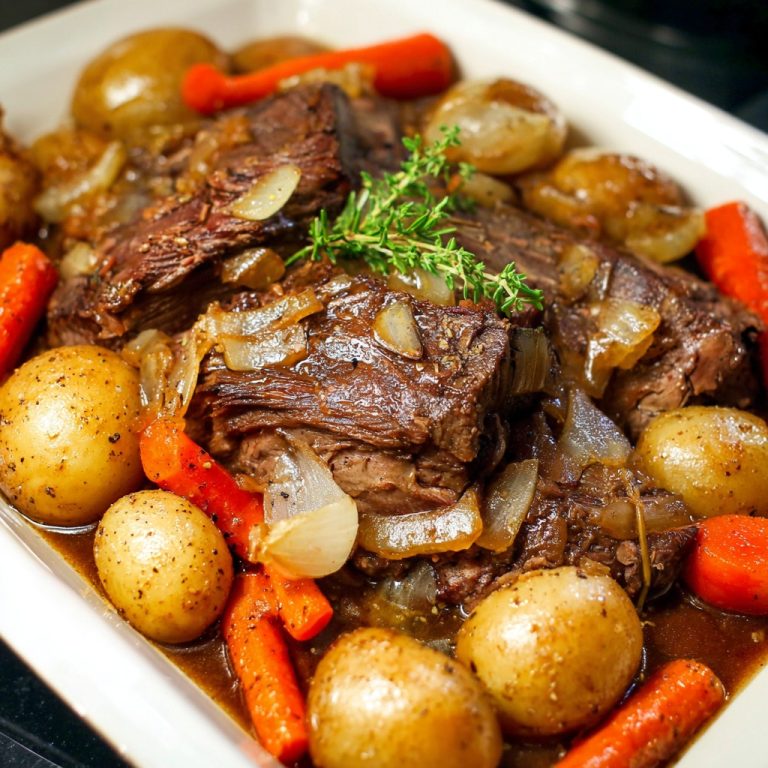
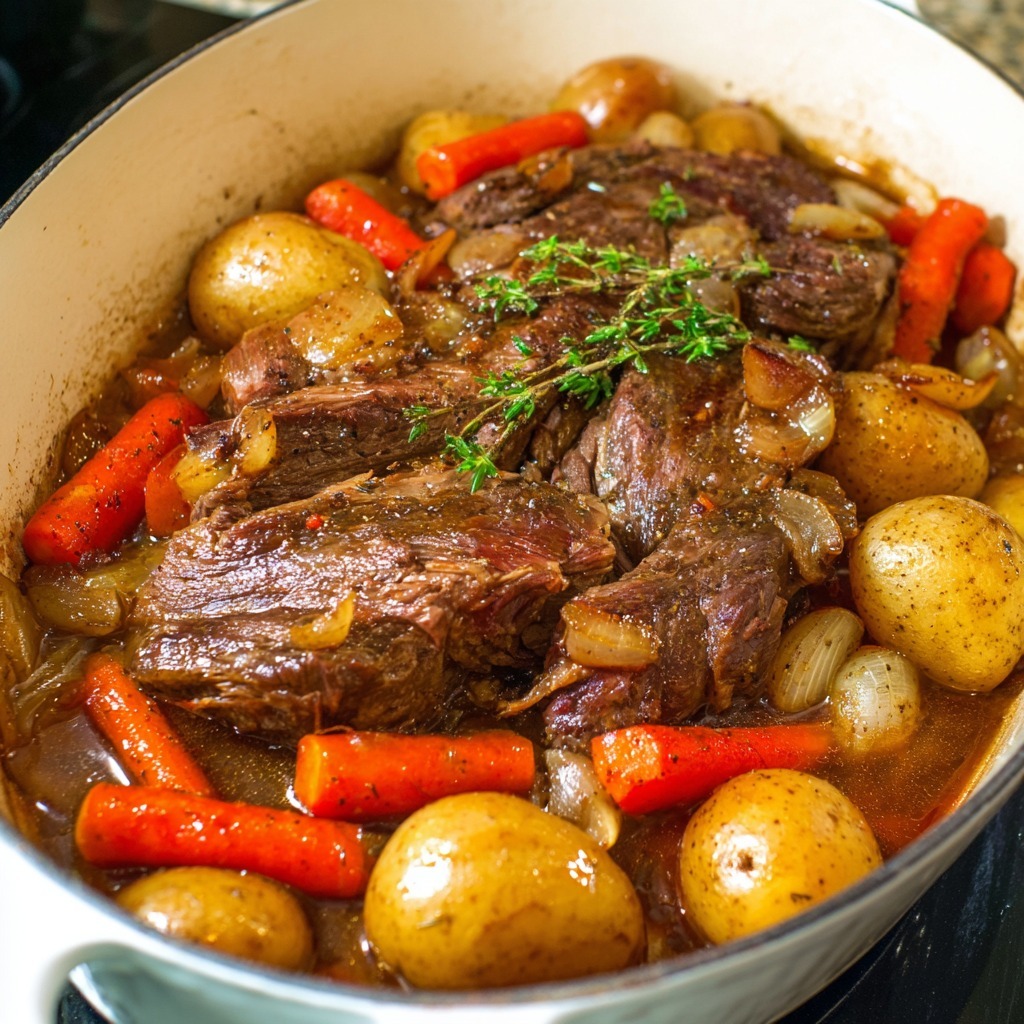
Dutch Oven Pot Roast is the ultimate expression of comfort food—a glorious, fall-apart tender beef roast, surrounded by carrots and potatoes, all swimming in a rich, savory, wine-infused gravy that tastes like it simmered all day in a rustic French farmhouse kitchen. This recipe is a masterclass in the art of braising, transforming a tough, economical cut of beef chuck into a meltingly tender, deeply flavorful centerpiece through the magic of low, slow, moist heat. The magic begins with a hard sear, creating a deep brown crust on the meat that locks in flavor and builds a treasure of caramelized bits—the fond—on the bottom of the pot. A splash of red wine deglazes the pan, lifting those flavor-packed morsels into the braising liquid, which is then enriched with beef broth, Worcestershire, and aromatic herbs. As the roast simmers gently in the oven for hours, the collagen breaks down into unctuous gelatin, the meat becomes fork-tender, and the vegetables absorb the savory essence of the broth.

The brilliance of this recipe lies in its methodical, nearly foolproof technique and the profound rewards it yields. The initial high-heat sear, the aromatic sofrito of onions and garlic, the wine deglazing, and the long, gentle oven braise all work in harmony to create layers of flavor that simply cannot be rushed. The final step—thickening the cooking liquid into a glossy, luscious gravy—elevates the dish from homey to extraordinary. Served on a large platter, surrounded by tender vegetables and generously napped with gravy, this pot roast is more than a meal; it’s an event. It’s the dish you make when you want to fill your home with an intoxicating aroma, gather your loved ones around the table, and share in the deep, soul-satisfying comfort of a true classic.

Why You’ll Love This Recipe:

  • Unbelievably Tender, Flavor-Packed Beef: The long, slow braise transforms chuck roast into melt-in-your-mouth perfection.
  • Rich, Luscious Gravy: The cooking liquid is transformed into a silky, deeply savory gravy that ties the whole dish together.
  • Complete One-Pot Meal: Tender beef, potatoes, and carrots all cook together, absorbing incredible flavor.
  • Classic, Foolproof Technique: A step-by-step method that yields perfect results every time.
  • Make-Ahead & Leftover Hero: Tastes even better the next day and makes incredible sandwiches and soups.

Ingredients:

For the Roast:
1 (3-4 lb) boneless beef chuck roast
2 teaspoons kosher salt, plus more for seasoning
1 teaspoon freshly ground black pepper, plus more for seasoning
2 tablespoons olive oil, divided
1 large yellow onion, thickly sliced
4 cloves garlic, minced

For the Braising Liquid:
1 cup dry red wine (such as Cabernet Sauvignon or Merlot)
2 cups low-sodium beef broth
2 tablespoons Worcestershire sauce
3 sprigs fresh rosemary (or 1 teaspoon dried)
4 sprigs fresh thyme (or 1 teaspoon dried)
2 bay leaves

For the Vegetables:
1 ½ lbs Yukon Gold or baby potatoes, scrubbed (larger ones halved)
4 large carrots, peeled and cut into 2-inch chunks

For the Gravy:
2 tablespoons cornstarch
¼ cup cold water
Kosher salt and freshly ground black pepper, to taste

Instructions:

Step 1: Preheat Oven and Sear the Roast
Preheat your oven to 300°F (150°C). Pat the chuck roast completely dry with paper towels. Generously season all sides with salt and pepper. Heat 1 tablespoon of olive oil in a large Dutch oven over medium-high heat. When the oil shimmers, carefully place the roast in the pot. Sear undisturbed for 4-5 minutes per side, until a deep, dark brown crust forms. Transfer the roast to a large plate.

Step 2: Sauté the Aromatics
Reduce the heat to medium. Add the remaining tablespoon of olive oil if needed. Add the sliced onion and cook, stirring occasionally, for 5-7 minutes until softened and browned on the edges. Turn the heat off, add the minced garlic, and stir constantly for 1 minute—the residual heat will cook it perfectly.

Step 3: Deglaze and Build the Braising Liquid
Return the heat to medium. Pour in the red wine and, using a wooden spoon, scrape up all the browned bits from the bottom of the pot. Add the beef broth, Worcestershire sauce, rosemary, thyme, and bay leaves. Bring to a simmer.

Step 4: Braise
Return the seared roast to the Dutch oven, along with any accumulated juices. The liquid should come about halfway up the sides of the roast. Turn off the heat, cover the pot tightly with the lid, and transfer it to the preheated oven. Braise for 1 hour 45 minutes.

Step 5: Add Vegetables
Carefully remove the pot from the oven. Add the potatoes and carrots to the pot, nestling them around the roast. Cover and return to the oven. Continue braising for 45-60 minutes, until the meat and vegetables are fork-tender.

Step 6: Rest and Make Gravy
Remove the pot from the oven and let it rest, covered, for 20 minutes. Using tongs, carefully transfer the roast to a cutting board and tent loosely with foil. Remove the vegetables to a serving platter and cover to keep warm. Discard the bay leaves and herb sprigs. Skim excess fat from the surface of the braising liquid. Place the pot over low heat. In a small bowl, whisk the cornstarch and cold water into a smooth slurry. Slowly whisk the slurry into the simmering liquid. Cook, stirring constantly, for 2-3 minutes until the gravy thickens. Season with salt and pepper to taste.

Step 7: Slice and Serve
Remove any large pieces of fat and connective tissue from the roast. Slice the meat against the grain into ½-inch thick slices. Arrange the sliced meat on a platter with the vegetables. Pour the gravy over everything or serve it on the side.

Tips:

  • Pat the Roast Dry: This is crucial for a good sear. Moisture is the enemy of browning.
  • Sear Undisturbed: Let the roast develop a deep crust before flipping. If it sticks, it’s not ready to turn.
  • Don’t Skip the Wine: The wine adds essential acidity and complexity to the gravy. If avoiding alcohol, use an additional cup of beef broth with a tablespoon of balsamic vinegar.
  • Slice Against the Grain: Look for the lines of muscle fiber and slice perpendicular to them for the most tender slices.
  • Rest the Meat: The 20-minute rest allows juices to redistribute throughout the roast, ensuring every slice is moist and flavorful.

Storage Options:

  • Refrigerator: Store leftover pot roast, vegetables, and gravy in an airtight container in the refrigerator for up to 4 days. The flavors improve overnight.
  • Reheating: Reheat gently in a covered skillet or Dutch oven over low heat, adding a splash of broth to loosen the gravy if needed.
  • Freezing: This pot roast freezes beautifully for up to 3 months. Cool completely and store in a freezer-safe container. Thaw overnight in the refrigerator before reheating.
  • Make-Ahead: Pot roast is an ideal make-ahead meal. Cook it completely, cool, and refrigerate. The fat will solidify on top, making it easy to remove, and the flavors will be even better the next day. Reheat gently before serving.

Dutch Oven Pot Roast is the pinnacle of comfort cooking—a dish that rewards patience with incredible flavor and tenderness. It’s a meal that brings people together, fills the home with warmth, and creates memories around the table. It’s a classic for a reason.

German Pork Chops and Sauerkraut

0

German Pork Chops and Sauerkraut is a hearty, soul-warming dish that embodies the robust, comforting flavors of traditional German home cooking—a perfect balance of savory, tangy, and subtly sweet elements that come together in a single, satisfying casserole. This recipe is a celebration of contrasts, where juicy, bone-in pork chops are seared to golden perfection, then nestled beneath a bed of tangy sauerkraut that has been transformed by the addition of sweet diced apple, caramelized brown sugar, aromatic caraway seeds, and savory sautéed onion. As it bakes slowly in the oven, the pork chops absorb the complex flavors of the kraut mixture, while the sauerkraut itself mellows and sweetens, its sharp edge softened by the apple and sugar. The result is a dish where every component enhances the others, creating a cohesive, deeply flavorful meal that is far greater than the sum of its parts.

The brilliance of this recipe lies in its rustic simplicity and the profound depth of flavor achieved with minimal effort. A quick sear on the pork chops builds a savory foundation, locking in juices and creating a flavorful crust. The sauerkraut mixture, tossed together in a single bowl, is then piled generously over the chops, ensuring they remain moist and tender as they braise in the oven. The covered baking time allows all the flavors to meld and mingle, the pork becoming fall-apart tender and the sauerkraut evolving into a rich, savory-sweet bed of goodness. Served with classic German sides like mashed potatoes, spaetzle, or crusty rye bread to soak up the delicious juices, this dish is the ultimate comfort food for a cold evening, transporting you straight to a cozy Bavarian gasthaus with every single bite.

Why You’ll Love This Recipe:

  • Classic German Comfort Food: Authentic, hearty flavors that are deeply satisfying and warming.
  • Perfect Sweet & Savory Balance: The tangy sauerkraut is beautifully offset by sweet apple and brown sugar.
  • Tender, Juicy Pork Chops: Braising in the sauerkraut mixture ensures the chops stay moist and flavorful.
  • Simple, One-Dish Meal: Easy to assemble and bakes in a single dish for minimal cleanup.
  • Incredible Aroma: Your kitchen will fill with the irresistible scent of pork, caraway, and apples as it bakes.

Ingredients:

For the Pork Chops:
4 large, bone-in center-cut pork chops (about 1-inch thick)
1 tablespoon olive oil
Kosher salt and freshly ground black pepper, to taste

For the Sauerkraut Mixture:
2 lbs (32 oz) sauerkraut, drained well (reserve a little liquid if desired)
1 large red apple, peeled, cored, and diced
1 medium yellow onion, chopped
⅔ cup packed light brown sugar
1 tablespoon caraway seeds

Instructions:

Step 1: Preheat Oven and Prepare Dish
Preheat your oven to 350°F (175°C). Generously grease a 9×13-inch baking dish with butter or non-stick cooking spray.

Step 2: Sear the Pork Chops
Pat the pork chops dry with paper towels. Season both sides generously with salt and pepper. Heat the olive oil in a large skillet over medium-high heat. Add the pork chops and sear for 3-4 minutes per side, until a deep golden-brown crust forms. They do not need to be cooked through. Transfer the browned chops to the prepared baking dish, arranging them in a single layer.

Step 3: Prepare the Sauerkraut Mixture
In a large mixing bowl, combine the drained sauerkraut, diced apple, chopped onion, brown sugar, and caraway seeds. Stir until all ingredients are well mixed and the sugar is evenly distributed.

Step 4: Assemble the Casserole
Spread the sauerkraut mixture evenly over the pork chops in the baking dish, covering them completely.

Step 5: Bake
Cover the baking dish tightly with aluminum foil. Bake in the preheated oven for 45 minutes.

Step 6: Rest and Serve
Carefully remove the dish from the oven and let it rest, covered, for 10 minutes before serving. This allows the juices to redistribute. Serve hot, spooning the sauerkraut mixture over the pork chops.

Tips:

  • Choose Bone-In Chops: Bone-in pork chops are more flavorful and stay juicier during the longer baking time.
  • Don’t Skip the Sear: Browning the chops adds a crucial layer of savory flavor (the Maillard reaction) that enhances the entire dish.
  • Drain the Sauerkraut: Draining prevents the dish from becoming too watery, but you can reserve a little liquid to add back if you prefer a saucier result.
  • Caraway is Essential: The caraway seeds provide that authentic German flavor profile. Don’t omit them.
  • Customize the Sweetness: Adjust the amount of brown sugar to your taste. You can also use a tart apple like Granny Smith for more contrast.

Storage Options:

  • Refrigerator: Store leftovers in an airtight container in the refrigerator for up to 4 days. The flavors deepen and improve overnight.
  • Reheating: Reheat gently in a covered skillet or baking dish in a 325°F (165°C) oven until warmed through. Can also be reheated in the microwave.
  • Freezing: This dish freezes well for up to 2 months. Cool completely, portion into freezer-safe containers, and freeze. Thaw overnight in the refrigerator before reheating.
  • Make-Ahead: Assemble the entire casserole (without baking) up to 24 hours in advance. Cover and refrigerate. Add 10-15 minutes to the bake time.

German Pork Chops and Sauerkraut is a true taste of Old-World comfort. It’s a hearty, satisfying, and deeply flavorful dish that brings warmth to the table and joy to the soul, proving that simple ingredients, treated with care, can create something truly memorable.

My Mom Always Left the Butter Out — So, Is It Actually Safe?

0

Growing up, there was always a small butter dish on the kitchen counter, right next to the toaster. It was practically a household fixture, like the magnets on the fridge or that pile of mail no one ever sorted. My mom, with all her kitchen wisdom, insisted that cold butter absolutely ruins toast. And honestly? She wasn’t wrong. But now that I’m older (and maybe a tad more paranoid about food safety), I’ve caught myself wondering — is leaving butter out for days really okay?

Turns out, this question leads down a surprisingly fascinating rabbit hole. So let’s dig in.

Why You’ll Fall in Love With Room Temperature Butter (Even If It Feels a Little Risky)

  • No more destroyed toast. Soft butter glides on effortlessly. Say goodbye to torn bread tragedies.
  • Always ready when you are. No waiting around for a solid brick to soften for baking or spreading.
  • Just feels cozier. Something about that little butter dish makes a kitchen feel warm and lived-in.

But the real question lingers: is it actually safe? That’s where things get interesting — and a little complicated.

Let’s Talk About Butter: What’s Actually In It (And Why That Matters)
Butter isn’t just pure fat. It’s mostly fat — about 80% milk fat — but the rest is water and milk solids. And that last part is key, because those non-fat components are where spoilage likes to start.

Here’s the deal: fat doesn’t go bad quickly. It’s actually pretty resistant to bacteria. But add moisture and milk proteins into the mix? That’s when bacteria and mold might decide to move in — especially if your butter is unsalted.

Salted butter, though, comes with a natural preservative. That salt helps keep unwanted microbes away, which is exactly why it lasts longer at room temperature.

So yes, what kind of butter you’re using matters — a lot.

The Science of Spoilage (Or, When Butter Goes From Delicious to Disappointing)
There are two main ways butter can go bad: oxidation and microbial growth.

Oxidation happens when fats react with oxygen. The result? Rancid butter. It smells weird, tastes off, and while it won’t actually hurt you, it will absolutely wreck your morning toast.

Microbial growth is slower in butter than in, say, milk — but it’s still possible. Molds and bacteria can sneak in, especially if the butter’s been exposed to air, moisture, or has been sitting out for days on end.

Warm, humid kitchens speed up both of these processes. So if you live somewhere that feels like a tropical jungle during summer? You might want to rethink keeping butter on the counter.

So… How Long Can Butter Actually Sit Out?
Here’s where the experts mostly agree:

  • Salted butter: generally safe at room temperature for up to two days — maybe three if your kitchen stays cool and dry.
  • Unsalted butter: best used within 24 hours if left out.

Some people push it longer (my mom definitely did). Others keep theirs strictly in the fridge, only pulling it out when breakfast hits. It really comes down to your comfort level — and how closely you’re paying attention to signs of spoilage.

Which brings us to…

How to Tell If Butter Has Gone Bad (And When to Just Toss It)
You don’t need a science degree to figure this out. Your senses will tell you everything.

Watch for:

  • A sour, cheesy, or just generally “wrong” smell
  • Darkening or yellowing, especially around the edges
  • Any spots or streaks of mold
  • A flavor that tastes metallic or bitter

If your butter shows any of these signs? Trust your gut and throw it out.

And please — scraping off the moldy part isn’t enough. Mold has roots. It can spread below the surface. Don’t take that risk.

What Happens If You Accidentally Eat Spoiled Butter?
Let’s not panic — in most cases, a little rancid butter won’t land you in the hospital. But it can cause mild food poisoning symptoms, like:

  • Nausea
  • Stomach cramps
  • Diarrhea
  • Vomiting

People with weaker immune systems — kids, older adults, or anyone immunocompromised — should be extra careful. Butter might not be the most dangerous food out there, but it’s not completely harmless either.

The Great Butter Debate: What Do the Experts Say?
Food safety professionals are (predictably) team refrigerator. They recommend keeping butter chilled when you’re not actively using it — especially unsalted or fancy cultured varieties.

But even they’ll admit that a small amount of salted butter left out for a couple of days in a clean, covered dish? It’s probably fine.

Here’s the unofficial consensus:

A little butter on the counter is okay. A lot of butter sitting out for a long time? Probably not.

How to Store Butter Like a Pro (Without Losing That Cozy Vibe)
Want spreadable butter without the worry? Here’s the sweet spot:

  • Keep a small amount (maybe half a stick) in a covered dish on the counter.
  • Try a butter bell or crock — they create an airtight seal using water, keeping air out and freshness in.
  • Store the rest in the fridge, especially if you buy in bulk or bake often.
  • Always use clean utensils. No crumbs. No toast debris. It genuinely matters.
  • Keep it away from direct sunlight and heat — not above the stove or near a sunny window.

It’s a balancing act — but totally doable.

Quick Flavor Twist: Want to Take Your Butter Up a Notch?
This one’s for the food lovers.

Try making compound butters — softened butter mixed with fresh herbs, honey, roasted garlic, or even cinnamon sugar. They’re incredible on toast, steak, pancakes… you name it.

Keep them in the fridge and let them come to room temp naturally when you’re ready. Better yet, wrap them in parchment and stash them in the freezer for butter whenever you need it.

The Bottom Line (aka, What Would Mom Say?)
So back to my mom. Her countertop butter habit? Not nearly as reckless as I once thought. If she’s using salted butter, keeping the dish clean, and rotating it out every couple of days — she’s totally fine. Honestly, probably safer than some of us with mystery leftovers from last week still hanging out in the fridge.

But if you’re still uneasy? That’s okay too. Refrigerated butter works perfectly — you just need a little patience (or a quick low-power microwave moment).

Either way, butter is better when it makes you feel at home. Whether it’s fridge-cold or counter-soft, that little golden block holds a pretty big place in our kitchens — and our memories.

Got butter questions? Storage tips handed down from your grandma? Strong feelings about butter bells versus classic dishes? I’d honestly love to hear it. Drop a comment below — because the butter debate might just be the tastiest conversation we can have.

The Most Controversial Pizza Toppings (That Might Ruin Your Last Slice)

0

From briny little fish to sweet tropical fruit, let’s dive into the pizza toppings that split households, spark heated debates, and occasionally end friendships. These are the ingredients that—depending on who’s eating—are either pure genius or absolute crimes against crust.

1. Anchovies – The Tiny Fish That Causes Big Drama
Anchovies are basically the culinary version of a strong personality—small but mighty, and definitely not for everyone.

These little fillets are oily, intensely salty, and loaded with umami (that fancy “fifth taste” food enthusiasts never shut up about). If you’re a fan, you can’t imagine pizza without them. If you’re not, a single anchovy can make the whole pie taste like low tide.

Are they technically considered gourmet? Sure. Do they start arguments? Absolutely.

Honestly, anchovies are the reason some people scan the topping list three times before taking a bite. Approach with caution.

2. Pineapple – Tropical Treat or Pizza Heresy?
Ah, the eternal Pineapple Debate™.

This one’s been causing chaos for decades. People have Very Strong Feelings about it. On one side: devotees who insist the sweet-savory combo of pineapple and ham is absolute perfection. On the other: folks who believe fruit has no business anywhere near melted cheese.

My take? Cooked pineapple gets weirdly juicy. Like, why is my crust suddenly damp?

That said, millions of people love it—and if it convinces kids to eat something besides chicken fingers, maybe it’s not all bad.

3. Sardines – Anchovies’ Bolder, Bulkier Cousin
If anchovies are confident, sardines are downright audacious.

They’re larger, oilier, and even more aggressively fishy. Fantastic if you grew up eating Mediterranean street food. Less fantastic if your seafood comfort zone ends at “fried shrimp basket.”

Honestly, sardines on pizza feels like someone took a dare too far. Unless you’re actually in Italy, in which case it’s probably incredible and I’m just revealing my unsophisticated palate.

4. Durian – The Topping That Smells Like Bad Decisions
If you’ve never encountered durian, here’s what you need to know: it’s actually banned on public transportation in some countries because of its overwhelming smell.

The flesh is creamy, custard-like, and genuinely beloved by many. But on pizza? Alongside sauce, cheese, and crust?

That’s a hard no for most people.

Durian pizza absolutely exists—especially throughout Southeast Asia—and it has genuine fans. But if you didn’t grow up with it, you’re basically biting into sweet, garlicky pudding on bread that carries the faint aroma of gym locker. Sorry not sorry.

5. Blue Cheese – Sophisticated or Just Stinky?
Blue cheese is that friend who shows up overdressed to casual events—bold, memorable, and impossible to ignore.

It brings a sharp, tangy punch that some people absolutely crave. Others? They catch one whiff and immediately pass.

The flavor comes from actual mold (Penicillium, if we’re being fancy), which sounds gourmet until you realize your pizza now smells like the forgotten back of your refrigerator drawer.

Delicious to some. Way too much personality for others.

6. Canned Tuna – Kitchen Staple or Pizza Sabotage?
Canned tuna definitely has its moments—tuna salad, casseroles, late-night snacks eaten straight from the tin. But on pizza?

It’s… polarizing.

Several European countries embrace it. Tuna pizza is genuinely popular in Germany, for instance. But for many, combining fish, cheese, and tomato sauce feels like a culinary dare. Throw on some onions and olives, and suddenly you’re tasting someone’s reheated office lunch.

Hard pass for plenty of people, though protein enthusiasts will defend it passionately.

7. Pickles – Did We Go Too Far?
This one feels like something that escaped from a viral TikTok challenge.

Thin dill pickle slices, arranged over cheese and sauce, do deliver a tangy, briny crunch. But here’s the thing: it also tastes suspiciously like a cheeseburger… minus the actual burger.

Pickle devotees (and you know who you are) insist it’s brilliant. Everyone else? They’re quietly wondering who ordered the gag pizza and why it tastes like a practical joke.

8. Olives – You Either Get It or You Don’t
Black olives have been showing up on pizzas forever, and yet they remain surprisingly divisive.

They’re salty, faintly bitter, and have that distinctive chewy texture. Either they provide the perfect briny contrast or they completely overwhelm every bite.

If you love them, great. If you don’t, picking them off just leaves greasy little ghosts behind—and somehow, the olive flavor lingers anyway.

9. Hot Dogs – What Are We Even Doing Here?
Hot dogs on pizza feels like one of those “just because we technically can doesn’t mean we should” situations.

Maybe it’s nostalgia. Maybe it’s budgeting. Maybe someone genuinely thought, “What if we turned cafeteria lunch into dinner?”

Whatever the reason, chopped hot dogs on pizza just feels… wrong. The smoky, processed flavor clashes with sauce and cheese, and the texture gets genuinely strange upon reheating.

Kids love it. Adults find it deeply confusing.

10. Corn – Little Golden Balls of Controversy
Corn seems innocent enough—until you realize it’s quietly dividing pizza eaters everywhere.

In places like South Korea, Brazil, and Japan, corn on pizza is completely normal. Sweet, colorful, and surprisingly mainstream.

Elsewhere? People spot corn and instantly assume the pizza isn’t for them.

It’s sweet, slightly chewy, and definitely disrupts the expected savory experience. But hey, food fusion exists for a reason—maybe corn is just ahead of its time.

11. Eggplant – Satisfying or Soggy?
Eggplant on pizza sounds wonderfully virtuous. Grilled vegetables! Mediterranean flair! Grown-up choices!

But here’s the reality: if not prepared perfectly, eggplant turns problematic. Mushy. Slightly slippery. The flavor? Pretty neutral at best.

To its credit, it absorbs sauce beautifully and remains a vegetarian favorite. But for dedicated meat-lovers or cheese-obsessed diners, eggplant pizza can feel like a disappointing compromise.

Final Thoughts: Just Keep Your Toppings Off My Slice
Pizza is deeply personal. What disgusts one person might be another’s absolute favorite. Some folks swear by shrimp and mayo. Others insist banana curry pizza is where it’s at (yes, Sweden, we’re looking at you).

So yeah—taste is subjective. But if you ever spot anchovies, durian, or hot dogs anywhere near my slice?

Feel free to take it. I’ll happily wait for the next pie.

Now It’s Your Turn
What’s your absolute dealbreaker topping? The one that makes you suddenly “not hungry” even when you’re starving? Drop it in the comments—and don’t worry, no judgment here.

(Unless it’s durian. Then we might need to talk.)