Wait—Are We Not Rinsing Pasta Anymore?

0

It was one of those evenings. A long one.

You know the type—dishes still lurking in the sink from breakfast, a random wet spot on the floor with no obvious source, and the only thing keeping you going was the hope that dinner would somehow fix everything.

Lucky for me, my husband was already at the stove. Spaghetti night! The aroma of garlic filled the air, the sauce was bubbling away, and there was even bread warming in the oven. Pure magic.

Until I glanced at the colander.

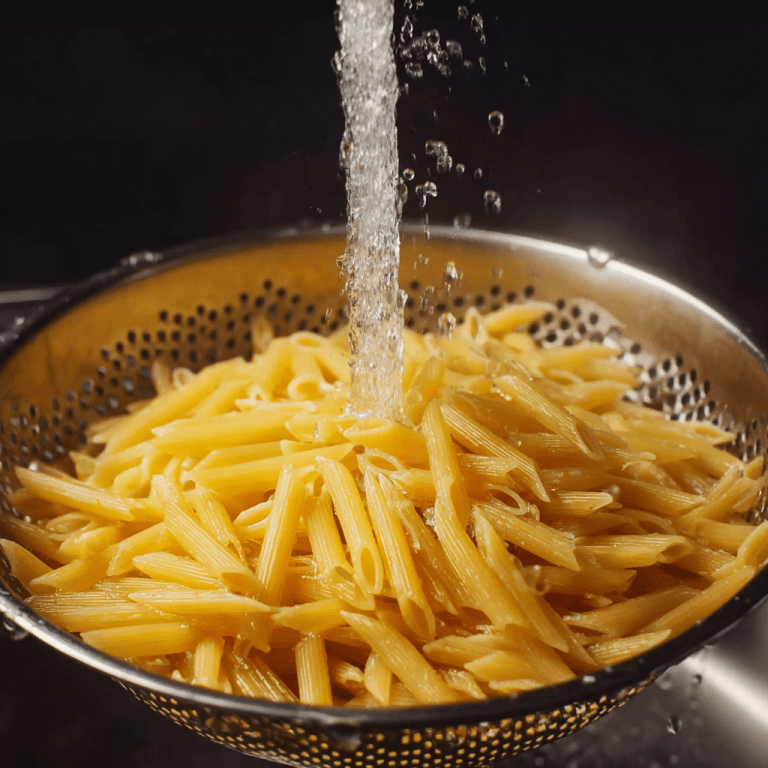
There it was. The spaghetti, fresh out of the pot, dripping with that cloudy, starchy water… completely unrinsed.

I stood there, frozen. It wasn’t just sticky—it was gummy. Clumpy. The kind of texture that makes you pucker.

Now look, I realize most people don’t give this a second thought. But in that moment? I couldn’t eat it. I couldn’t serve it to the kids either. And somehow, we found ourselves in a full-blown kitchen debate about whether rinsing pasta is actually required.

Turns out, the answer isn’t nearly as black and white as I thought.

Let’s Back Up: Why Some of Us Rinse Pasta (Without Question)
Growing up, rinsing pasta was simply part of the routine. You boiled it, drained it, and gave it a quick cold shower. Not some deep culinary statement—just habit. Like soaking beans or trimming the ends off green beans.

But that quick rinse? It does way more than just “cool things down.”

Here’s what skipping the rinse actually does:

The pasta keeps cooking from its own residual heat (especially sitting in a hot strainer).

The starch coats every piece like a layer of glue.

That starch turns into sticky cement.

And if you’re not serving it immediately? You end up with one giant noodle knot.

So yes, I rinse. Not always. But often. Especially when I want those strands separate and smooth—not fused together in some tragic pasta blob.

“But You’re Literally Washing Away the Taste!”
This is the argument people always make. Sometimes loudly. Occasionally with side-eye.

And honestly? They’re not completely off base.

When you rinse, you’re removing that outer layer of starch—which, granted, can help sauce grip the pasta. That’s exactly why traditional Italian cooks would probably faint at the thought of rinsing. And fair enough—in classic dishes, that starch is part of what makes the magic happen.

But here’s the thing—it depends.

Making a hot pasta with a silky sauce?
Sure. Skip the rinse. Let that sauce wrap around every noodle like a warm hug.

But throwing together pasta salad? Meal-prepping for the week? Working with a sauce that’s already plenty thick?
Rinse. Please. Do it for the texture. Do it for everyone who can’t stand mushy noodles. Do it for me.

The Quick Science Lesson (Painless, Promise)
So what’s actually going on in that pot?

When pasta boils, those starch molecules swell up and escape—picture tiny balloons filling with water. That starchy coating is exactly what makes cooked pasta sticky.

Rinsing puts an immediate stop to this process. Cold water does double duty—it stops the cooking cold (literally) and washes away that outer starch layer. End result? Pasta that’s firmer, smoother, and actually stays separated.

Skipping the Rinse = More Flavor? Sometimes.
Here’s where it gets interesting.

For dishes where the sauce really needs to cling—think cacio e pepe, bolognese, carbonara—that surface starch is your best friend. It helps thicken, it helps bind, and it creates that luscious, glossy finish everyone drools over.

This is exactly why so many chefs swear by Team No Rinse.

But reheating leftovers tomorrow? Making cold pasta salad with vinaigrette? That leftover starch turns into glue, fast.

So really, it’s not about “rinsing is right” or “rinsing is wrong.” It’s about: What exactly are you making?

Real Talk: When Rinsing Just Makes Sense
Go ahead and rinse when:

You’re prepping cold pasta salad (especially with lighter dressings).

You’re cooking big batches to eat throughout the week.

You’re making noodle bowls or pasta stir-fry (yes, that’s a thing).

You’re serving buffet-style and want to avoid one giant pasta clump.

Skip the rinse when:

You’re using a hot, hearty sauce and want maximum cling.

You’re tossing the pasta with sauce immediately (no sitting around).

An Italian grandmother is watching. (Mostly kidding. Mostly.)

“Okay, But My Partner Didn’t Rinse—Now What?”
This is the part that actually matters. Because it’s not really about pasta. It’s about habits. Preferences. Those little food “rules” we carry around without knowing why. And how strangely unsettling it feels when someone breaks them.

Here’s what I’ve slowly, awkwardly figured out:

Take a breath before reacting. Maybe it’s not worth the fight. Or maybe it’s a chance to share something.

Stay curious. Try: “Hey, how do you usually handle pasta?” without making it an interrogation.

Share your side gently. “I’ve just always struggled with the sticky thing—it’s a texture thing for me.”

Make it a team experiment. “Want to try rinsing next time and see which we like better?”

We all bring different food histories to the table. What seems completely obvious to one person might be totally new to another. And honestly? That’s not a bad thing—it’s just part of sharing a kitchen.

Pro Tips for Better Pasta, Rinsed or Not
If you want to up your pasta game—regardless of which side you’re on—here’s what actually makes a difference:

✔ Use plenty of water—seriously, more than feels necessary
✔ Salt that water well (“like the sea” is a cliché because it works)
✔ Stir occasionally while it cooks—don’t just abandon it
✔ Taste before draining (timers lie sometimes)
✔ Scoop out some starchy water before draining—it can rescue almost any sauce
✔ And yes, choose rinse or no-rinse based on what you’re actually making

Pasta Already a Sticky Mess? Here’s How to Fix It
If you skipped the rinse and now you’re dealing with a noodle nightmare, don’t panic.

Drizzle a little olive oil and toss gently to break things up.

Add a splash of that reserved pasta water (or even plain hot water) to bring it back to life.

If it’s cold and clumpy, a quick warm rinse can help before you reheat with sauce.

Worst case? Call it “rustic.” Add extra cheese. Nobody’s going to complain.

So What’s the Final Answer? Is Rinsing Necessary?
Nope. Not always. But sometimes? Yeah, it honestly makes a real difference.

It comes down to what you’re cooking. Who you’re feeding. And what textures and flavors feel right to you.

In our house these days? We rinse. Not every single time. But often enough that dinner doesn’t feel like we’re chewing on glue.

So next time you’re hovering over the sink, strainer in hand, asking yourself “To rinse or not to rinse?”—just think about what kind of pasta night you’re actually going for.

And maybe… check with your partner, too.

Got strong pasta opinions? Did someone in your life commit a kitchen crime that made dinner weird? I’d honestly love to hear about it. Drop a comment or send a note—because food is never really just about food. It’s about connection. Even when it gets a little sticky.
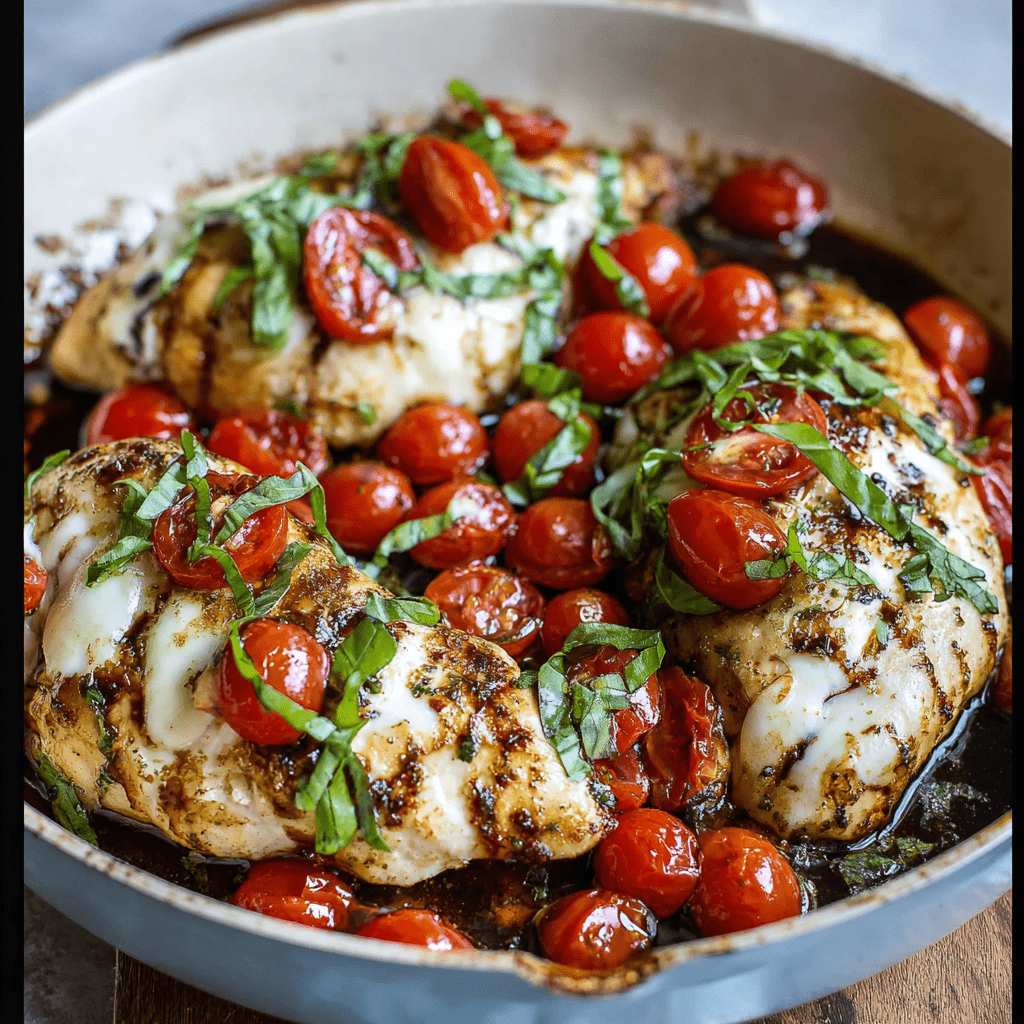
Chicken Caprese

0

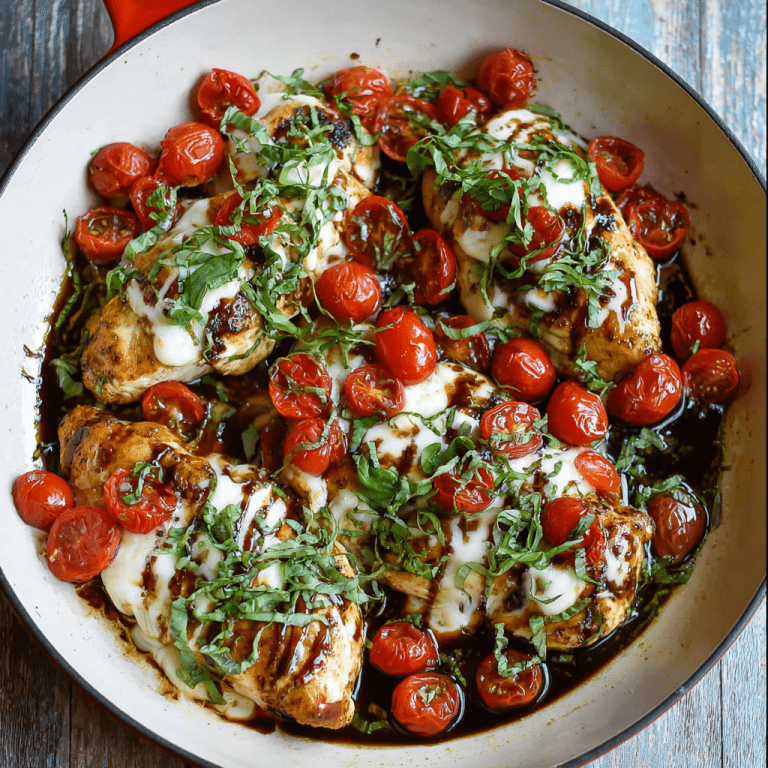
Chicken Caprese is a stunning, restaurant-quality dish that beautifully marries the classic Italian Caprese salad flavors—ripe tomatoes, fresh mozzarella, and fragrant basil—with tender, juicy chicken breast, all elevated by a luscious, tangy-sweet balsamic glaze. This recipe is a celebration of simplicity and elegance, transforming everyday ingredients into a visually impressive and deeply satisfying meal. The magic begins with pan-seared chicken breasts, browned to golden perfection, then finished in the oven to ensure they remain succulent and moist. A generous topping of shredded mozzarella melts into a blanket of creamy, milky goodness, while halved grape tomatoes soften and sweeten in the heat. The crowning glory is the homemade balsamic glaze—a reduction of balsamic vinegar and brown sugar that becomes syrupy, glossy, and intensely flavorful, adding the perfect balance of sweetness and acidity to tie all the elements together.

The brilliance of this dish lies in its beautiful presentation and the way each component complements the others. The rich, savory chicken is the perfect canvas for the bright, fresh flavors of tomato and basil, while the melted cheese adds a luxurious, creamy texture. The balsamic glaze, drizzled artfully over the top, not only enhances the flavor but also creates a stunning visual finish that makes this dish worthy of any dinner party. Served with a side of pasta, crusty bread, or a simple green salad, Chicken Caprese is a complete, elegant meal that feels special yet is surprisingly simple to prepare. It is a testament to the power of a few high-quality ingredients, treated with care and presented beautifully.

Why You’ll Love This Recipe:

  • Restaurant-Quality at Home: A stunning, elegant dish that tastes as incredible as it looks.
  • Fresh, Classic Italian Flavors: The combination of tomato, mozzarella, basil, and balsamic is timeless and universally loved.
  • Simple, Straightforward Technique: Pan-searing and oven-finishing ensures perfectly cooked, juicy chicken every time.
  • Homemade Balsamic Glaze: The sweet-tart reduction elevates the entire dish far beyond a simple drizzle of vinegar.
  • Impressive Yet Approachable: Perfect for date night, entertaining, or a special family dinner.

Ingredients:

For the Balsamic Glaze:
1 cup balsamic vinegar
¼ cup packed light brown sugar

For the Chicken:
4 boneless, skinless chicken breasts (about 6 oz / 170g each)
2 tablespoons extra virgin olive oil
Kosher salt and freshly ground black pepper, to taste

For the Topping:
2 cups shredded whole-milk, low-moisture mozzarella cheese
1½ cups grape tomatoes, sliced in half lengthwise
¼ cup fresh basil leaves, cut into thin ribbons (chiffonade)

Instructions:

Step 1: Make the Balsamic Glaze
In a small saucepan, combine the balsamic vinegar and brown sugar. Bring to a boil over medium-high heat, then reduce the heat to maintain a steady simmer. Cook for 10-15 minutes, stirring occasionally, until the mixture has reduced by about half and is thick enough to coat the back of a spoon. Remove from heat and set aside. It will continue to thicken as it cools.

Step 2: Preheat Oven and Prepare Chicken
Preheat your oven to 350°F (175°C). Pat the chicken breasts dry with paper towels and season generously on both sides with kosher salt and freshly ground black pepper.

Step 3: Sear the Chicken
Heat the olive oil in a large, ovenproof skillet over medium-high heat. Carefully place the chicken breasts in the hot skillet and cook without moving for 4-5 minutes, until a golden-brown crust forms. Flip the chicken and cook for an additional 3-4 minutes on the second side.

Step 4: Finish Cooking in Oven
Cover the skillet loosely with foil and transfer it to the preheated oven. Bake for 10-15 minutes, or until the internal temperature of the chicken reaches 165°F (74°C) when measured with an instant-read thermometer. The cooking time will vary depending on the thickness of your chicken.

Step 5: Add Toppings and Melt Cheese
Carefully remove the skillet from the oven (the handle will be hot!). Increase the oven temperature to broil. Sprinkle the shredded mozzarella evenly over each chicken breast. Scatter the halved grape tomatoes over and around the chicken. Return the skillet to the oven, uncovered, and broil for 2-4 minutes, watching closely, until the cheese is melted, bubbly, and lightly golden in spots.

Step 6: Garnish and Serve
Remove from the oven. Sprinkle the fresh basil ribbons over the top. Drizzle the balsamic glaze generously over the chicken and tomatoes. Serve immediately.

Tips:

  • Pound Chicken for Even Thickness: If your chicken breasts are very thick, pound them to an even ½-inch thickness for more uniform cooking.
  • Use an Ovenproof Skillet: A cast-iron or stainless steel skillet is ideal for going from stovetop to oven. Wrap the handle in a kitchen towel to remind yourself it’s hot.
  • Don’t Over-Reduce the Glaze: It should be syrupy and coat a spoon. It will thicken further as it cools. If it becomes too thick, gently reheat with a splash of water.
  • Fresh Mozzarella Alternative: For an even more authentic Caprese experience, use sliced fresh mozzarella instead of shredded.
  • Add Garlic: Sauté a minced clove of garlic in the skillet for 30 seconds before adding the chicken for extra flavor.

Storage Options:

  • Refrigerator: Store leftovers in an airtight container in the refrigerator for up to 3 days.
  • Reheating: Reheat gently in a covered skillet over low heat or in the microwave. The balsamic glaze can be drizzled fresh after reheating.
  • Make-Ahead: The balsamic glaze can be made up to a week in advance and stored in the refrigerator. The chicken is best cooked fresh.
  • Not for Freezing: The texture of the cooked chicken and melted cheese will suffer upon thawing.

Chicken Caprese is a celebration of fresh, vibrant flavors and elegant simplicity. It’s a dish that proves you don’t need complicated techniques or a long ingredient list to create something truly memorable and delicious. It’s sure to become a favorite in your recipe collection.

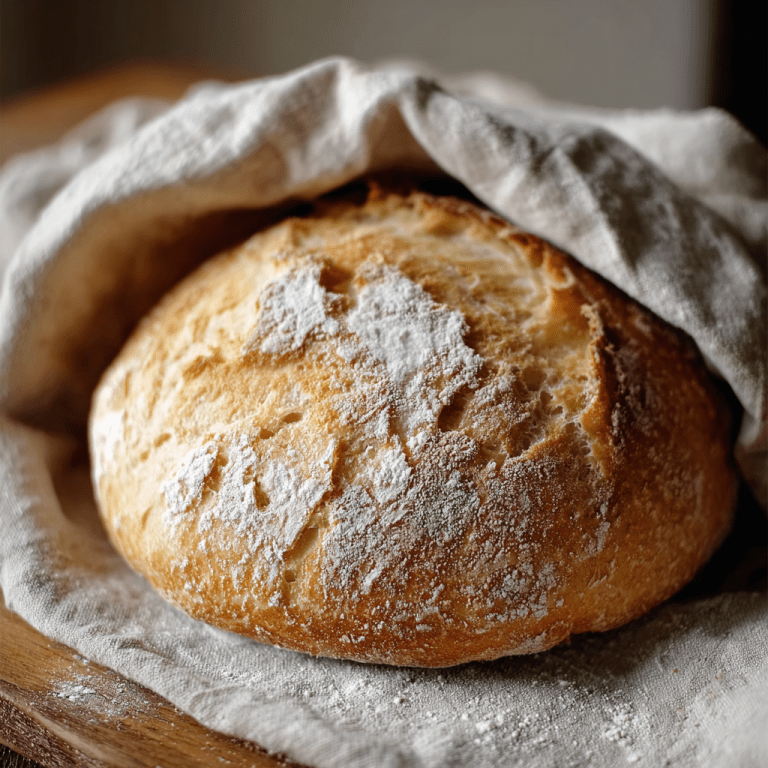
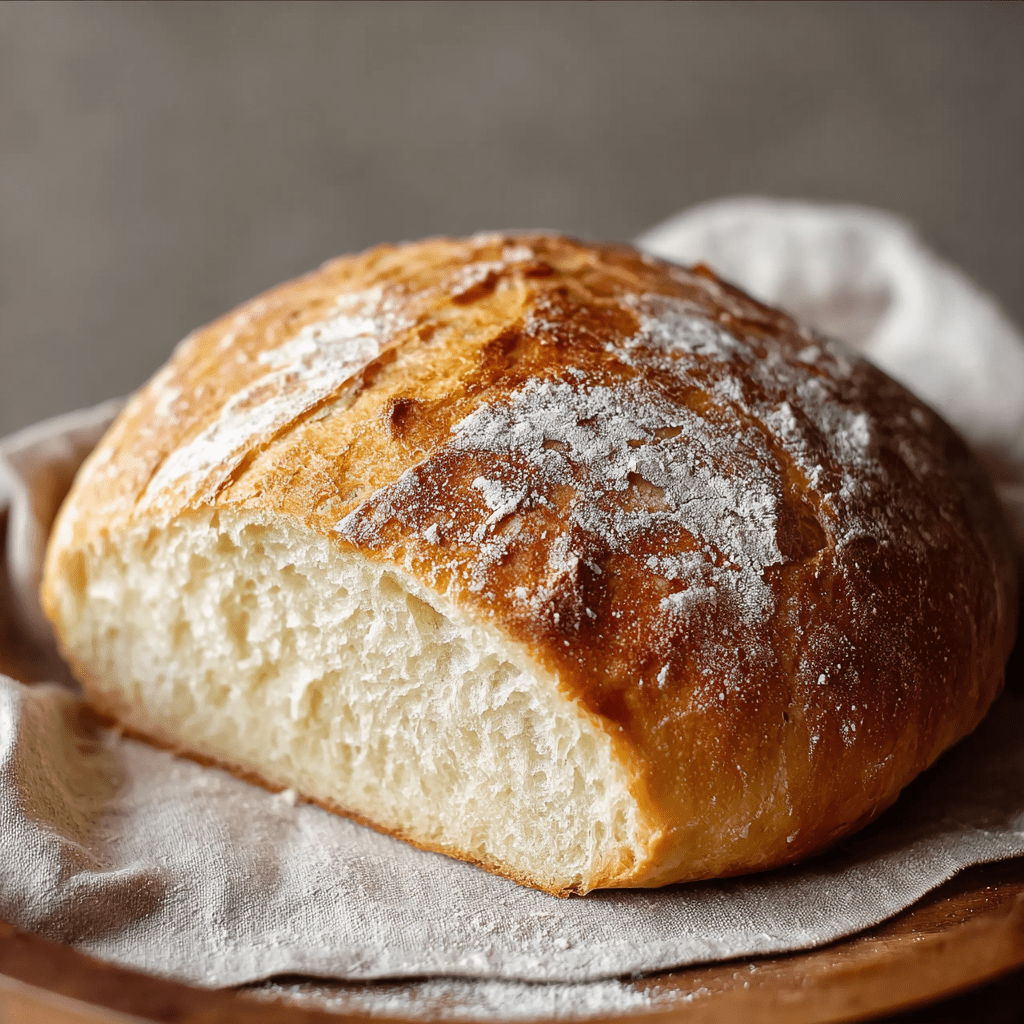
Simple Dough Bread

0

Simple Dough Bread is the foundational recipe every home baker needs—a foolproof, endlessly versatile loaf that proves you don’t need a bread machine or professional training to fill your kitchen with the warm, intoxicating aroma of freshly baked bread. This recipe strips bread-making down to its purest essence: flour, water, yeast, and salt, coming together through a few simple steps to create a loaf with a beautifully crisp, golden crust and a soft, airy interior. The magic begins with activating the yeast in warm water with a touch of sugar, creating a foamy proof that guarantees your bread will rise. From there, a few minutes of kneading transforms the shaggy dough into a smooth, elastic ball that, given time and warmth, will double in size and develop that unmistakable, complex bread flavor.

The brilliance of this recipe lies in its simplicity and the profound satisfaction it delivers. It is the perfect starting point for beginners and a reliable standby for experienced bakers, requiring no special equipment and only the most basic pantry staples. The optional olive oil adds a touch of tenderness to the crumb, while the two-rise method ensures a loaf with excellent structure and flavor. Whether shaped into a rustic round, baked in a loaf pan for perfect sandwiches, or divided into dinner rolls, this bread is a testament to the magic of flour, water, and patience. It is a recipe that invites you to slow down, get your hands in the dough, and experience the pure, simple joy of creating something nourishing and beautiful from scratch.

Why You’ll Love This Recipe:

  • Incredibly Simple & Foolproof: Only 4-5 basic ingredients and straightforward steps for guaranteed success.
  • Versatile Foundation: Use this dough for sandwich loaves, dinner rolls, pizza, focaccia, or breadsticks.
  • No Special Equipment Needed: Just a bowl, your hands, and an oven.
  • Deeply Satisfying Process: The act of kneading and watching your dough rise is incredibly rewarding.
  • Fresh, Homemade Flavor: Nothing compares to the taste and aroma of bread fresh from your own oven.

Ingredients:

For the Dough:
3 cups (375g) all-purpose flour, plus more for dusting
1 cup (240ml) warm water (about 110°F / 43°C)
2¼ teaspoons (1 packet) active dry yeast
1½ teaspoons kosher salt
1 teaspoon sugar or honey (optional, helps activate yeast)
1 tablespoon olive oil (optional, for a softer texture)

Instructions:

Step 1: Activate the Yeast
In a large mixing bowl or the bowl of a stand mixer, combine the warm water and sugar (or honey). Stir gently to dissolve. Sprinkle the yeast evenly over the surface of the water. Let it sit undisturbed for 5-10 minutes until it becomes foamy and bubbly. This confirms your yeast is active and alive.

Step 2: Make the Dough
Add the flour, salt, and olive oil (if using) to the yeast mixture. Stir with a wooden spoon or dough whisk until a shaggy, rough dough forms and all the flour is incorporated.

Step 3: Knead the Dough
Turn the dough out onto a lightly floured surface. Knead for 8-10 minutes, pushing the dough away from you with the heel of your hand, then folding it back toward you. The dough is ready when it is smooth, elastic, and springs back when gently poked.

Step 4: First Rise
Lightly oil a clean bowl. Place the dough in the bowl, turning once to coat with oil. Cover the bowl tightly with plastic wrap or a clean kitchen towel. Let it rise in a warm, draft-free place for 1 to 1 ½ hours, or until doubled in size.

Step 5: Shape the Loaf
Punch down the dough gently to release the air. Turn it out onto a lightly floured surface. Shape it into a round loaf (boule) and place it on a parchment-lined baking sheet, or shape it into a log and place it in a greased 9×5-inch loaf pan.

Step 6: Second Rise
Cover the shaped loaf loosely with the kitchen towel. Let it rise for another 30-45 minutes, until puffy and nearly doubled. About 20 minutes before baking, preheat your oven to 375°F (190°C).

Step 7: Bake
If baking a free-form loaf on a sheet, you can make a few shallow slashes on top with a sharp knife for a decorative touch. Bake for 30-35 minutes, until the crust is deep golden brown and the loaf sounds hollow when tapped on the bottom. An internal temperature of 190-200°F (88-93°C) indicates doneness.

Step 8: Cool and Enjoy
Transfer the baked bread to a wire rack and let it cool completely before slicing. This is crucial for the texture. Resist the urge to cut into it while warm!

Tips:

  • Water Temperature is Key: Too hot will kill the yeast; too cool won’t activate it. Use a thermometer for best results.
  • Kneading Time: Don’t rush the kneading. Proper gluten development is essential for a good rise and chewy texture.
  • The “Windowpane” Test: To check if you’ve kneaded enough, stretch a small piece of dough. If it stretches thin enough to see light through without tearing, it’s ready.
  • Warm Rising Spot: An oven with the light on, or a sunny spot on the counter, works perfectly for rising.
  • Customize It: Add herbs, garlic, cheese, or seeds to the dough for endless flavor variations.

Storage Options:

  • Room Temperature: Store cooled bread in a paper bag or bread box at room temperature for up to 3 days. Avoid plastic bags, which make the crust soft.
  • Freezing: Wrap the completely cooled loaf tightly in plastic wrap and then foil. Freeze for up to 3 months. Thaw at room temperature and reheat in a 350°F oven for 10 minutes to refresh the crust.
  • Make-Ahead: You can prepare the dough through the first rise, then punch it down, cover tightly, and refrigerate for up to 24 hours. Shape and proceed with the second rise when ready.

Simple Dough Bread is more than a recipe; it’s an invitation. It invites you to slow down, connect with a timeless tradition, and experience the profound satisfaction of creating something truly nourishing with your own two hands. It’s the beginning of a beautiful baking journey.

Is It a Good Idea to Crack a Window in Winter? Let’s Chat About It—Like Friends Do

0

A few winters back, after an afternoon spent roasting veggies and simmering chicken stock, I wandered into the bathroom and couldn’t quite make out my reflection. Not because the mirror was fogged—though it definitely was—but because it hit me that I hadn’t opened a window in what felt like forever. The whole house just felt… stagnant. Not in a warm, comforting way, but heavy. That familiar, slightly stale smell had settled in, like damp towels left in a pile a little too long.

So I did something that felt kind of bold for January—I nudged the kitchen window open. Just a crack. Barely enough to notice. But enough to let the air move. And I swear, the whole place breathed a little easier. It felt lighter. So did I. Now? I do it all the time, even when the snow’s piled up outside.

So Why Bother? Here’s What a Little Crack Can Do

  • Flushes out stale air. You know that funky smell that lingers after days of cooking and living indoors? It vanishes.
  • Makes breathing easier. Especially if winter tends to leave you with a dry throat or stuffy nose.
  • Keeps moisture in check. Less condensation on your windows and fewer worries about hidden damp spots.
  • Gives your mood a lift. There’s something refreshing about a quick hit of crisp air, even if you’re still in your cozies.

What’s Floating Around in There?

Oh, more than you’d guess. Food odors, lingering smoke from candles, lint softener particles, fumes from cleaning products, that faint new-carpet smell—it all adds up. And when your home is sealed up tight with the heat blasting, all that stuff just hangs around like an unwanted guest.

You don’t have to throw the place open like it’s spring cleaning day. But a small crack? That’s like giving your home a moment to breathe.

How to Crack a Window Without Freezing the Household

Let’s be honest—no one wants to eat cereal in a wind tunnel. Here’s how to get the benefits without the shivers:

  • Choose the right time. Late morning or early afternoon, when the sun is doing its thing and the house has had time to warm up.
  • Keep it minimal. A quarter-inch gap is plenty. You’re not trying to cool down the block.
  • Focus on damp areas. Kitchens, bathrooms, and laundry rooms benefit most from a little airflow.
  • Block the chill. Use a draft stopper at the door to keep cold air from creeping into the rest of the house.
  • Dress for it. A soft sweater and thick socks make all the difference. You’re not sacrificing warmth—you’re adding a little fresh air to your comfort.

But What If… You’re Worried About Heating Costs? Or Uninvited Guests?

Totally get it. Heating bills are no joke, and neither are surprise critters.

  • Stay safe: Only crack windows on higher floors, or install window stops so they can’t be opened more than an inch.
  • Keep pests out: Make sure your screens are secure. Better yet, use a window with a storm window for extra protection.
  • Stay balanced: If you’re letting in fresh air, be sure the rest of the house is well-sealed so your heat doesn’t escape too quickly.

Other Ways to Freshen the Air Indoors

Not ready to let the cold in just yet? No worries. There are other ways to clear the air without opening a window:

  • Turn on the bathroom fan, even if no one’s showered recently.
  • Pick up a good air purifier—it works like a set of lungs for your home.
  • Try a quick cross-breeze: open two opposite windows for just a few minutes. It’s amazing how fast the air clears.

You Don’t Have to Be Cold to Feel Better

Let’s face it—winter is already tough without your home feeling heavy and stale. And no, you don’t have to deal with freezing drafts or bundle up indoors just to breathe fresh air. It’s really just about small moments of ventilation. A little shift. A quick breath. Just enough to keep things fresh and comfortable.

Honestly, it’s like offering your home a sip of cool water. You don’t realize how much it needs it—until you do.

So What’s Your Take?

Are you team “windows closed till spring,” or do you let in a little fresh air now and then? I’d genuinely love to know what works for you—especially if you’ve found clever ways to keep your space both warm and airy. Drop a comment or send a note. Let’s share winter wisdom, neighbor to neighbor.

And if your grandmother always insisted on leaving the window open “just a crack” at night? Turns out, she had the right idea.

Cherry Danish

0

Cherry Danish are a stunning, bakery-quality pastry that brings the elegance of a European café right into your own kitchen, featuring flaky, buttery puff pastry wrapped around a luscious cream cheese filling and topped with sweet, jewel-toned cherries. This recipe is a masterclass in simplicity and sophistication, transforming a single sheet of frozen puff pastry into eight gorgeous, individual pastries that look and taste like they came from a professional patisserie. The magic begins with the delicate layering of flavors: a smooth, tangy cream cheese filling—enriched with egg yolk and brightened with a touch of lemon—provides the perfect creamy canvas for the sweet, jammy cherry topping. The technique of scoring a border into each pastry square ensures a beautiful, puffed edge that rises into a golden, flaky frame around the luscious filling.

The brilliance of this recipe lies in its foolproof method and the stunning presentation it achieves with minimal effort. Using store-bought puff pastry eliminates hours of laborious laminating, while the simple cream cheese filling and canned cherry pie filling (or quick homemade compote) come together in minutes. The final touch—a delicate drizzle of vanilla glaze—adds a professional finish and an extra layer of sweetness that perfectly complements the tangy cream cheese. These danishes are the perfect centerpiece for a brunch spread, an elegant addition to a holiday table, or a special treat with afternoon coffee. They prove that with a few quality ingredients and a little care, you can create something truly spectacular that will have everyone asking if you made them from scratch.

Why You’ll Love This Recipe:

  • Bakery-Quality Pastry at Home: Flaky, buttery puff pastry with a creamy, tangy filling and sweet cherry topping.
  • Surprisingly Simple to Make: Uses frozen puff pastry and simple ingredients for a stunning result with minimal effort.
  • Perfect for Brunch or Entertaining: Elegant individual pastries that are sure to impress guests.
  • Customizable Filling: Easily swap the cherries for any fruit pie filling or homemade compote.
  • Make-Ahead Friendly: Can be assembled and baked fresh, or even frozen for later.

Ingredients:

For the Pastry:
1 sheet frozen puff pastry, thawed according to package directions
1 tablespoon all-purpose flour (for dusting)

For the Cream Cheese Filling:
8 oz (226g) full-fat cream cheese, softened
¼ cup (50g) granulated sugar
1 teaspoon pure vanilla extract
1 large egg yolk
1 teaspoon fresh lemon juice (optional, for brightness)

For the Cherry Topping:
1 cup canned cherry pie filling or homemade cherry compote

For the Egg Wash:
1 large egg
1 tablespoon milk

For the Optional Glaze:
½ cup (60g) powdered sugar, sifted
1–2 tablespoons milk
¼ teaspoon vanilla extract

Instructions:

Step 1: Preheat and Prepare
Preheat your oven to 400°F (200°C). Line a large baking sheet with parchment paper.

Step 2: Prepare the Pastry
Lightly flour your work surface. Unfold the thawed puff pastry sheet and gently roll it out just enough to smooth the seams. Using a sharp knife or pizza cutter, cut the pastry into 8 equal squares. Transfer the squares to the prepared baking sheet, spacing them about 2 inches apart.

Step 3: Score the Borders
Using a small, sharp knife, lightly score a smaller square inside each pastry square, about ½ inch from the edge. Be careful not to cut all the way through—this creates a raised border that will puff up around the filling.

Step 4: Make the Cream Cheese Filling
In a medium bowl, beat the softened cream cheese with an electric mixer until smooth. Add the sugar, vanilla extract, egg yolk, and lemon juice (if using). Beat until the mixture is completely smooth and creamy.

Step 5: Assemble the Danishes
Spoon about 1 tablespoon of the cream cheese filling into the center of each pastry square, spreading it slightly within the scored border. Top the cream cheese with about 1 tablespoon of cherry pie filling.

Step 6: Apply Egg Wash
In a small bowl, whisk together the egg and milk to make the egg wash. Using a pastry brush, gently brush the egg wash over the outer border of each pastry (the raised edge, not the filling). This will give the pastries a beautiful, golden sheen.

Step 7: Bake
Bake for 18-22 minutes, or until the pastries are puffed and a deep golden brown. Rotate the baking sheet halfway through for even browning.

Step 8: Cool Slightly
Remove from the oven and let the danishes cool on the baking sheet for at least 10 minutes before glazing.

Step 9: Make the Glaze (Optional) and Serve
While the danishes cool, whisk together the sifted powdered sugar, 1 tablespoon of milk, and vanilla extract. Add more milk, a teaspoon at a time, until you reach a thick but pourable consistency. Drizzle the glaze over the slightly cooled danishes. Serve warm or at room temperature.

Tips:

  • Keep Puff Pastry Cold: Work quickly and return any unused pastry to the refrigerator to keep it cold. Cold pastry puffs better.
  • Don’t Overfill: Stick to about 1 tablespoon of each filling to prevent overflow during baking.
  • Score Gently: The border should be scored, not cut through. This allows the edges to puff while the center stays flat.
  • Customize Your Fruit: Use apple, blueberry, raspberry, or any fruit pie filling you love.
  • Add Almond Flavor: For a twist, add ¼ teaspoon of almond extract to the cream cheese filling.

Storage Options:

  • Room Temperature: Store glazed or unglazed danishes in an airtight container at room temperature for up to 2 days.
  • Refrigerator: For longer storage, keep in the refrigerator for up to 4 days. Bring to room temperature or warm slightly before serving.
  • Freezing: Freeze unbaked, assembled danishes on a parchment-lined tray until solid, then transfer to a freezer bag. Bake from frozen, adding 5-10 minutes to the bake time. You can also freeze baked, unglazed danishes.
  • Make-Ahead: Assemble the danishes completely (through Step 5), cover tightly, and refrigerate overnight. Brush with egg wash and bake directly from the fridge, adding a few minutes to the bake time.

Cherry Danishes are a celebration of simplicity and elegance. They deliver the flaky, buttery, creamy, and fruity perfection of a fine bakery pastry with the comfort and satisfaction of homemade baking, making every morning feel like a special occasion.

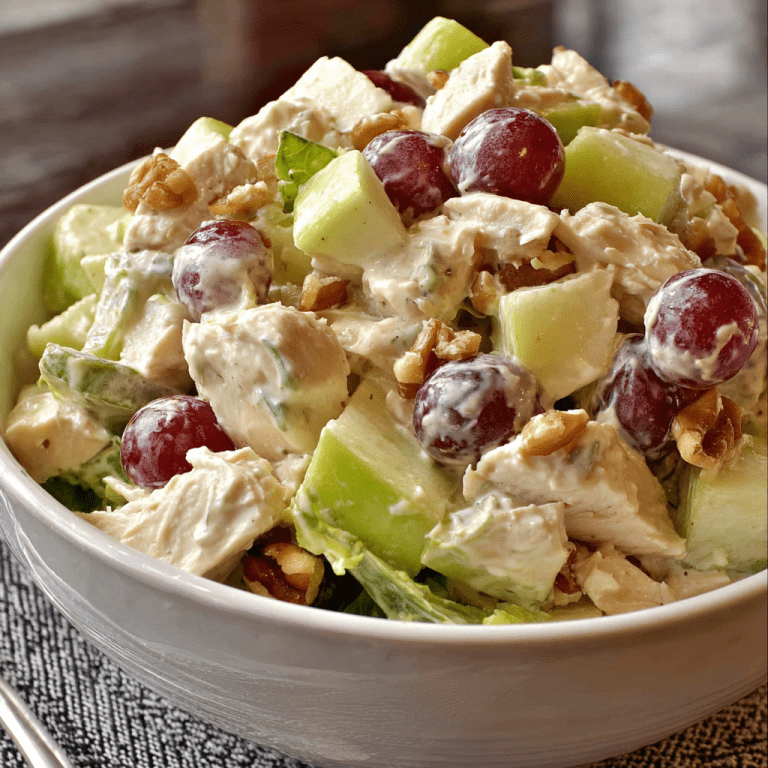
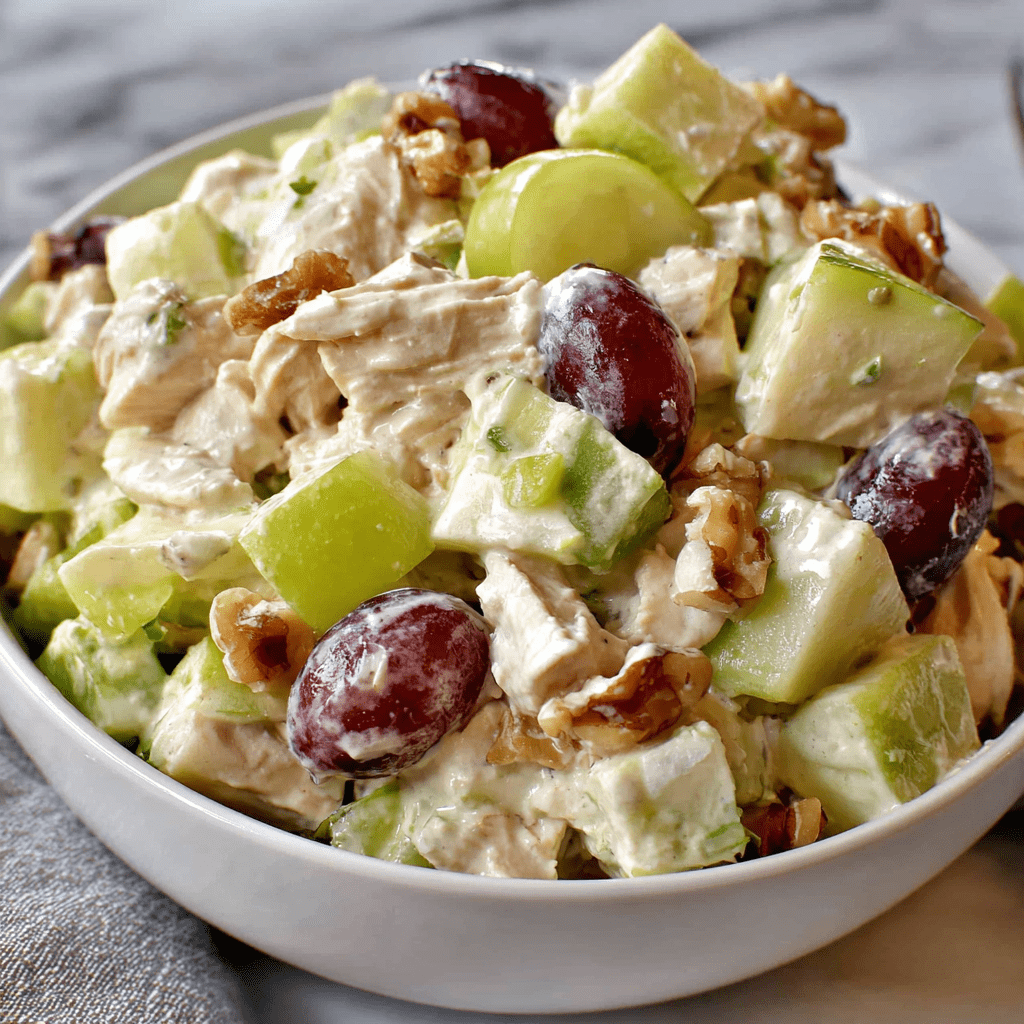
Chicken Waldorf Salad

0

Chicken Waldorf Salad is a timeless, elegant dish that elevates the classic Waldorf salad into a satisfying, protein-rich meal, combining tender rotisserie chicken with crisp apples, juicy grapes, crunchy celery, and toasted walnuts, all enveloped in a creamy, tangy mayonnaise dressing. This recipe is a celebration of contrasting textures and bright, harmonious flavors, where the tartness of a fresh Granny Smith apple—tossed in lemon juice to preserve its color—cuts through the richness of the dressing, while sweet red grapes add pops of juicy sweetness. The toasted walnuts contribute a warm, nutty crunch that perfectly complements the tender chicken and crisp celery. Each ingredient is thoughtfully chosen to create a salad that is both refreshing and deeply satisfying, making it a true classic for good reason.

The brilliance of this recipe lies in its incredible versatility and the speed with which it comes together. Using a rotisserie chicken transforms it into an effortless meal, perfect for a light lunch, a sophisticated picnic, or an elegant starter for a dinner party. The creamy mayonnaise dressing binds all the components into a cohesive whole, while a simple seasoning of salt and pepper allows the fresh flavors to shine. Served on a bed of crisp spring greens or leaf lettuce, it becomes a complete, beautiful dish that is as pleasing to the eye as it is to the palate. Chicken Waldorf Salad is a testament to the power of simple, quality ingredients, proving that a dish can be both quick to prepare and utterly memorable.

Why You’ll Love This Recipe:

  • Perfect Balance of Flavors & Textures: Sweet, tart, savory, creamy, and crunchy all in one delightful bite.
  • Quick & Effortless: Comes together in minutes using a convenient rotisserie chicken.
  • Elegant & Versatile: Perfect for lunch, brunch, picnics, or as a sophisticated starter.
  • Make-Ahead Friendly: The flavors meld beautifully when made a few hours in advance.
  • Customizable to Your Taste: Easily adapt with different nuts, apples, or add-ins like dried cranberries.

Ingredients:

For the Salad:
1 Granny Smith apple, cored, peeled (optional), and diced
2 tablespoons fresh lemon juice
2 cups chopped rotisserie chicken (about 1 whole breast)
2 stalks celery, chopped
1 cup red seedless grapes, halved
½ cup walnuts, toasted and roughly chopped
⅔ cup high-quality mayonnaise
Kosher salt and freshly ground black pepper, to taste

For Serving:
Spring greens or leaf lettuce

Instructions:

Step 1: Prepare the Apple
In a large mixing bowl, combine the diced apple with the lemon juice. Toss well to coat. This prevents the apple from browning and adds a bright, tangy note.

Step 2: Combine All Ingredients
To the bowl with the apples, add the chopped rotisserie chicken, celery, halved grapes, and toasted walnuts. Add the mayonnaise.

Step 3: Mix and Season
Stir everything together gently but thoroughly until all ingredients are evenly coated with the mayonnaise. Season generously with kosher salt and freshly ground black pepper to taste.

Step 4: Serve
Arrange a bed of spring greens or leaf lettuce on a serving platter or individual plates. Spoon the Chicken Waldorf Salad over the greens. Serve immediately or chill for later.

Tips:

  • Toast the Walnuts: Spread walnuts on a baking sheet and toast at 350°F (175°C) for 5-7 minutes until fragrant. This step greatly enhances their flavor.
  • Keep the Peel On: For extra color and texture, you can leave the peel on the apple. Just wash it thoroughly.
  • Dice Uniformly: Cut all ingredients into similar-sized, bite-sized pieces for the best eating experience.
  • Adjust Creaminess: Start with ⅔ cup of mayonnaise and add more to your desired level of creaminess.
  • Add Herbs: A tablespoon of chopped fresh parsley or tarragon adds a lovely freshness.

Storage Options:

  • Refrigerator: Store in an airtight container in the refrigerator for up to 2 days. The apples may soften slightly, but the flavor remains delicious.
  • Not for Freezing: The mayonnaise-based dressing and fresh fruits will not freeze well.
  • Make-Ahead: This salad can be made up to 24 hours in advance. The flavors will meld and deepen. Give it a good stir before serving.

Chicken Waldorf Salad is a timeless classic that never goes out of style. It’s a refreshing, satisfying, and elegant dish that transforms simple ingredients into something truly special, making it a perfect addition to any meal.

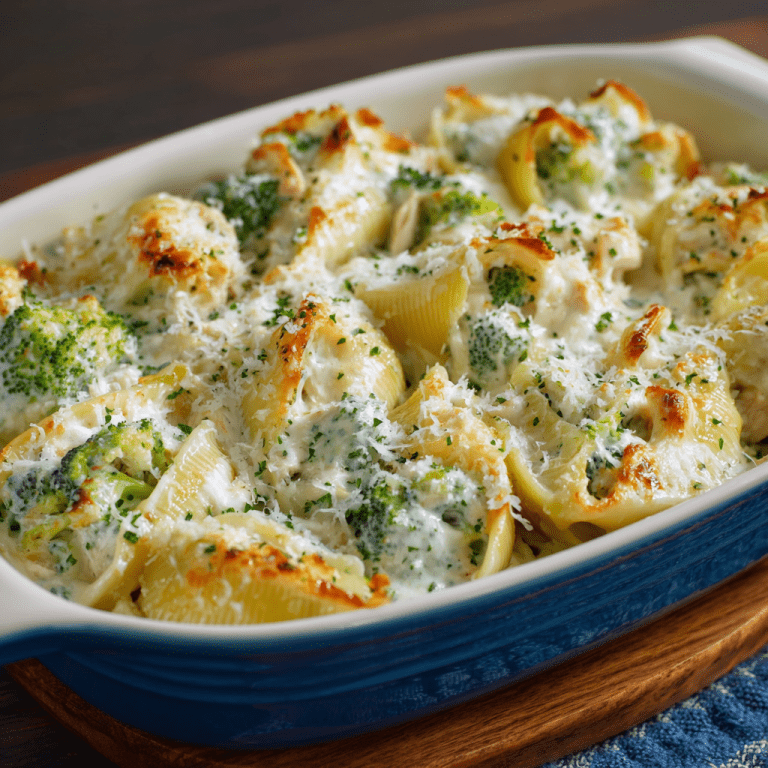
Chicken Broccoli Alfredo Stuffed Shells

0

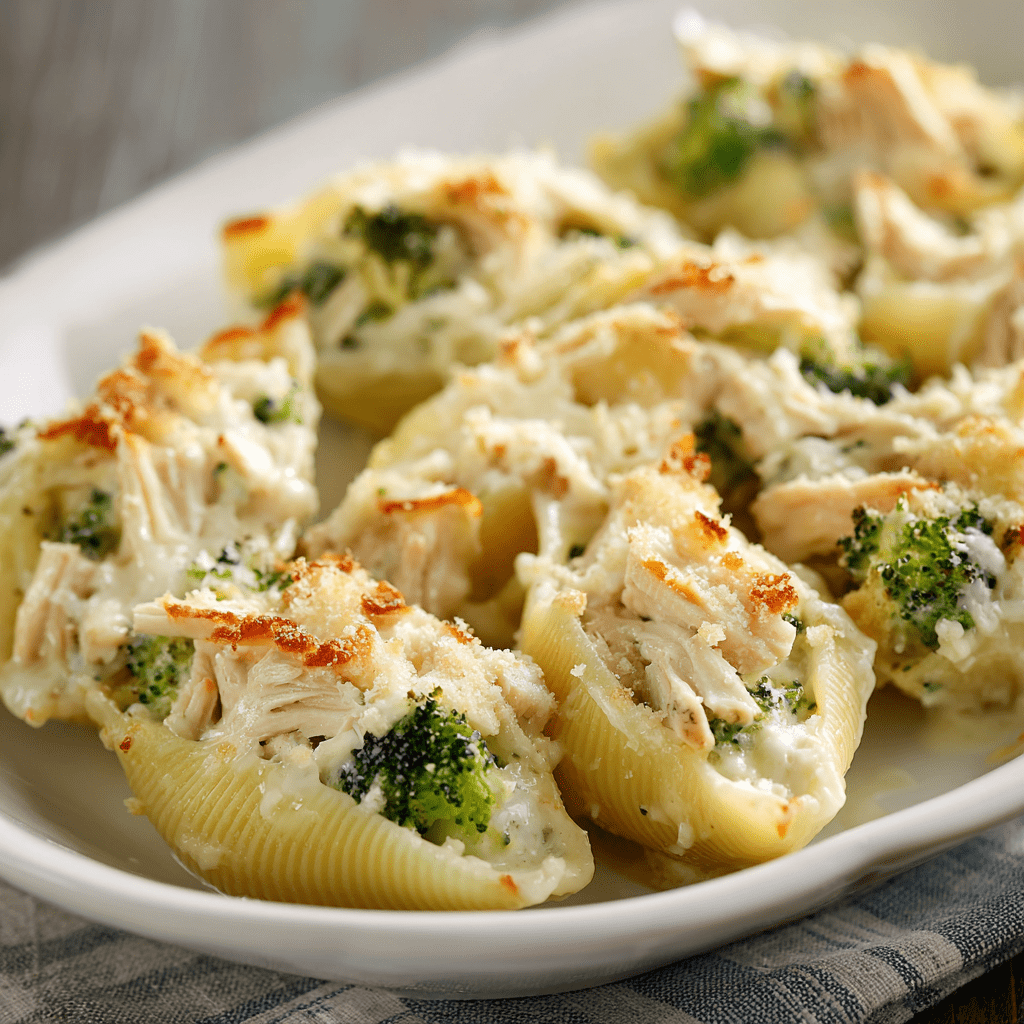
Chicken Broccoli Alfredo Stuffed Shells are the epitome of creamy, cheesy comfort food, reimagined in a beautiful, family-friendly pasta bake that delivers restaurant-quality indulgence from your own kitchen. This recipe is a masterful fusion of classic Italian-American flavors, where tender, jumbo pasta shells become edible vessels for a luscious filling of shredded rotisserie chicken, vibrant broccoli, and a hint of garlic, all bound together with rich Alfredo sauce. The magic lies in the assembly: each shell is generously stuffed, then nestled into a bed of more creamy Alfredo sauce and baked until bubbly and golden. As it bakes, the sauce permeates the shells, the cheeses melt into a cohesive, velvety blanket, and the edges of the pasta become delightfully tender-crisp, creating a dish that is as visually stunning as it is delicious.

The brilliance of this recipe is its incredible convenience and the way it transforms simple, ready-made ingredients into a spectacular, crowd-pleasing meal. Using a rotisserie chicken, jarred Alfredo sauce, and frozen broccoli streamlines the process without sacrificing any of the homemade flavor or satisfaction. The result is a complete, all-in-one dinner that requires minimal prep but delivers maximum impact—perfect for busy weeknights when you crave something special. Each forkful offers a perfect harmony of tender pasta, creamy sauce, savory chicken, and fresh-tasting broccoli, all elevated by the subtle nuttiness of Parmesan. It’s a dish that promises to bring smiles to the table and have everyone reaching for seconds.

Why You’ll Love This Recipe:

  • Creamy, Cheesy, and Comforting: The Alfredo sauce and melted cheeses create a luxuriously rich and satisfying dish.
  • Great Way to Use Rotisserie Chicken: A convenient, flavorful shortcut that makes prep a breeze.
  • Family-Friendly & Crowd-Pleasing: Pasta, chicken, and cheese in a creamy sauce is a guaranteed hit with all ages.
  • Make-Ahead Friendly: Assemble the entire dish in advance and bake when ready to serve.
  • All-in-One Meal: Protein, vegetables, and carbs are all baked together in one delicious dish.

Ingredients:

For the Filling & Pasta:
1 (12 oz) box jumbo shell pasta
1 bag (12-16 oz) frozen chopped broccoli, cooked according to package directions and drained well
2 cups shredded rotisserie chicken
1 cup shredded mozzarella cheese
½ cup grated Parmesan cheese
¼ teaspoon garlic powder
Salt and freshly ground black pepper, to taste

For the Sauce & Assembly:
1 (15 oz) jar Alfredo sauce (or about 2 cups homemade)
Additional grated Parmesan, for topping (optional)

Instructions:

Step 1: Preheat Oven and Cook Pasta
Preheat your oven to 350°F (175°C). Bring a large pot of salted water to a boil. Cook the jumbo shells according to package directions until al dente. Drain and rinse with cool water to stop the cooking process. Set aside.

Step 2: Prepare the Filling
In a large bowl, combine the cooked and drained broccoli, shredded chicken, ½ cup of the Alfredo sauce, garlic powder, and a pinch of salt and pepper. Mix until everything is well combined and evenly coated.

Step 3: Assemble the Casserole
Spread about ½ cup of the remaining Alfredo sauce evenly over the bottom of a 9×13-inch baking dish. Carefully stuff each cooked shell with a generous spoonful of the chicken and broccoli mixture. Arrange the stuffed shells in a single layer in the prepared dish, snugly fitting them together.

Step 4: Top and Bake
Pour the remaining Alfredo sauce over the stuffed shells, spreading it gently to cover them evenly. Sprinkle the shredded mozzarella and the remaining ½ cup of Parmesan cheese over the top.

Step 5: Bake
Bake, uncovered, for 20-25 minutes, or until the casserole is hot and bubbly and the cheese on top is melted and lightly golden.

Step 6: Rest and Serve
Let the casserole rest for 5-10 minutes before serving. This allows it to set slightly for easier serving. Garnish with additional Parmesan and fresh parsley if desired.

Tips:

  • Drain Broccoli Well: After cooking the frozen broccoli, press it between paper towels to remove excess moisture. This prevents a watery filling.
  • Don’t Overcook the Pasta: Cook the shells just to al dente. They will continue to cook in the oven.
  • Be Gentle When Stuffing: Jumbo shells are delicate. Handle them carefully to avoid tearing.
  • Customize Your Fillings: Add sautéed mushrooms, swap the chicken for cooked Italian sausage, or use a mix of cheeses like provolone or Asiago.
  • Homemade Alfredo Shortcut: For an even richer dish, use homemade Alfredo sauce.

Storage Options:

  • Refrigerator: Store leftovers in an airtight container in the refrigerator for up to 4 days.
  • Reheating: Reheat individual portions in the microwave, or cover the baking dish with foil and reheat in a 325°F (165°C) oven until warmed through.
  • Freezing: Assemble the casserole completely but do not bake. Wrap tightly in plastic wrap and foil. Freeze for up to 2 months. Thaw overnight in the refrigerator and bake as directed, adding 10-15 minutes to the bake time.
  • Make-Ahead: Assemble the dish up to 24 hours in advance. Cover and refrigerate. Bake as directed, adding 5-10 minutes to the bake time.

Chicken Broccoli Alfredo Stuffed Shells are a celebration of creamy, comforting, and convenient cooking. They take simple ingredients and transform them into a spectacular, shareable meal that is sure to become a cherished favorite in your family’s dinner rotation.

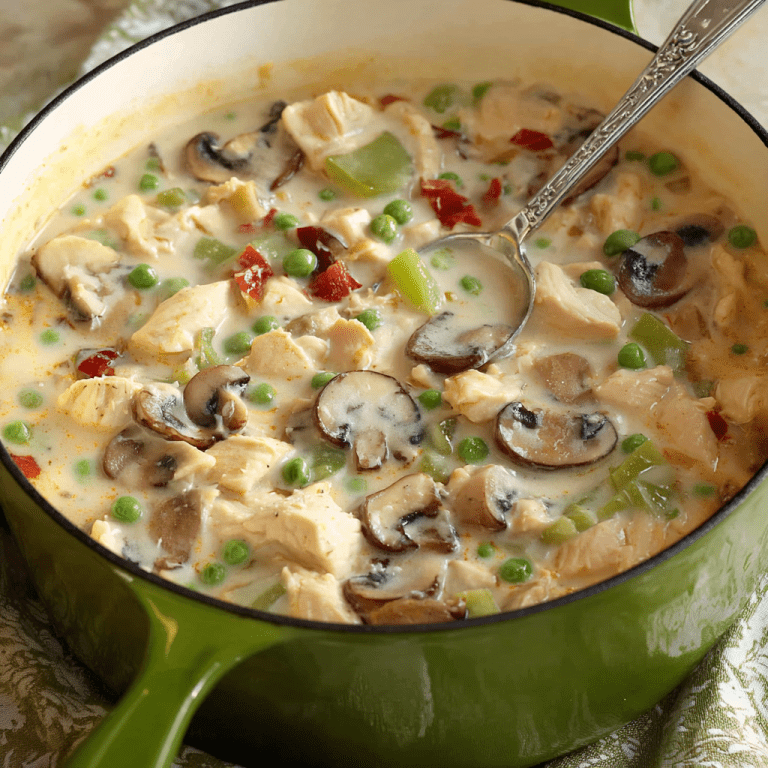
Chicken à la King

0

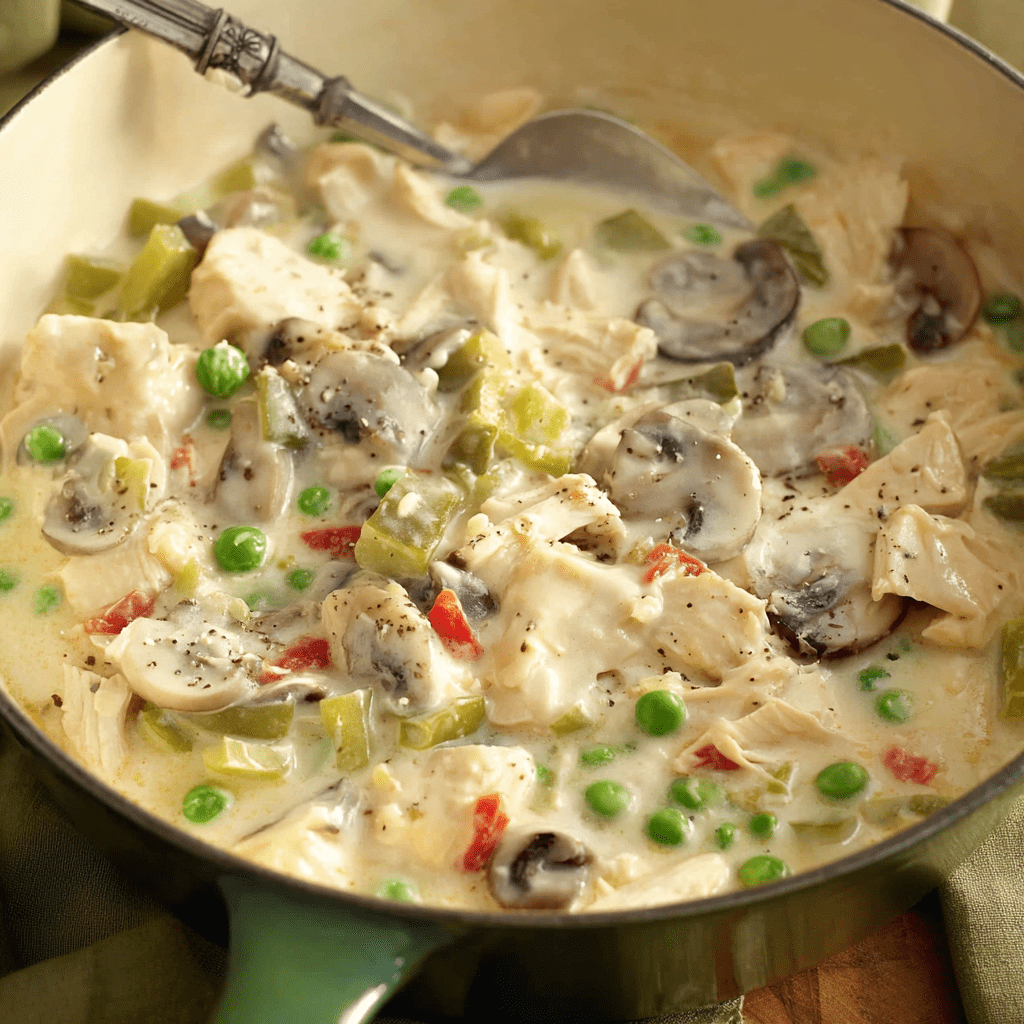
Chicken à la King is a timeless, elegant classic that has graced dinner tables for generations—a luxuriously creamy, deeply savory medley of tender chicken, earthy mushrooms, sweet peas, and vibrant pimentos, all enveloped in a velvety, golden sauce. This recipe is a masterclass in classic comfort, transforming simple ingredients into a dish that feels both sophisticated and deeply satisfying. The magic begins with a generous sauté of mushrooms, onion, and bell pepper in butter, building a foundation of sweet and savory flavors. The sauce is then crafted with care, starting with a roux of flour cooked in the buttery vegetable base, which is then slowly enriched with chicken broth and half-and-half to create a silky, pourable consistency that clings perfectly to every component. The final addition of bright peas and pimentos not only adds pops of color but also a subtle sweetness and tang that balances the richness beautifully.

The brilliance of this dish lies in its incredible versatility and its ability to elevate a simple weeknight meal into a special occasion. It is the ultimate “company’s coming” recipe that can be prepared ahead and gently reheated, making it a stress-free choice for entertaining. Served over a bed of fluffy rice, buttered egg noodles, or crispy puff pastry shells, it becomes a complete, elegant meal that feels like a warm embrace. The sauce is so luxurious and flavorful that the choice of base becomes a delightful decision. Chicken à la King is a testament to the enduring power of classic cooking, proving that with careful technique and quality ingredients, a dish can be both timeless and unforgettable.

Why You’ll Love This Recipe:

  • Rich, Velvety, Old-Fashioned Sauce: The roux-based cream sauce is luxuriously smooth and packed with savory flavor.
  • Loaded with Tender Chicken and Vegetables: Every bite is filled with chicken, earthy mushrooms, sweet peas, and tangy pimentos.
  • Incredibly Versatile Serving Options: Perfect over rice, noodles, toast, biscuits, or classic puff pastry shells.
  • Make-Ahead & Entertaining Friendly: Can be prepared in advance and gently reheated without losing quality.
  • Elegant Yet Comforting: A dish that feels special enough for company but is simple enough for a cozy family dinner.

Ingredients:

For the Chicken & Vegetable Base:
8 tablespoons (1 stick / 113g) unsalted butter
8 ounces cremini or white button mushrooms, sliced
1 small yellow onion, chopped
1 green bell pepper, diced
2 cloves garlic, minced
½ teaspoon dry mustard

For the Creamy Sauce:
½ cup all-purpose flour
2 cups low-sodium chicken broth
1 cup half-and-half

For Finishing:
1 cup frozen peas (no need to thaw)
7 ounces diced pimentos, well drained
3 cups cooked chicken, diced or shredded
Kosher salt, to taste
Freshly ground black pepper, to taste

For Serving (Choose One):
Cooked white rice, buttered egg noodles, toast points, split biscuits, or puff pastry shells

Instructions:

Step 1: Sauté the Vegetables
In a large pot or Dutch oven, melt the butter over medium-high heat. Add the sliced mushrooms and cook for 2-3 minutes, stirring occasionally. Add the chopped onion and diced green pepper. Continue cooking for 5-7 minutes, until the vegetables have softened and the mushrooms are nicely browned.

Step 2: Bloom the Aromatics and Make the Roux
Reduce the heat to medium-low. Add the minced garlic and dry mustard, and cook, stirring constantly, for 1 minute until fragrant. Sprinkle the flour over the vegetable mixture. Cook, stirring constantly, for 2 minutes to form a golden roux and cook out the raw flour taste.

Step 3: Build the Sauce
Slowly pour in the chicken broth while whisking continuously to prevent lumps. Bring the mixture to a gentle simmer, stirring often, and cook until the sauce has thickened, about 3-5 minutes.

Step 4: Add Dairy and Finish
Reduce the heat to low. Stir in the half-and-half, frozen peas, drained pimentos, and cooked chicken. Cook gently, stirring occasionally, until everything is heated through, about 5-7 minutes. Do not boil.

Step 5: Adjust Consistency and Season
If the sauce becomes too thick, add additional chicken broth, ¼ cup at a time, until your desired consistency is reached. Season generously with kosher salt and freshly ground black pepper to taste.

Step 6: Serve
Serve hot over your chosen base—rice, noodles, toast, biscuits, or puff pastry shells.

Tips:

  • Uniform Chopping: Dice the vegetables into uniform, bite-sized pieces for even cooking and a pleasant texture.
  • Don’t Skip the Roux: Cooking the flour for a full 2 minutes removes the raw taste and ensures a smooth, lump-free sauce.
  • Warm Your Liquids: For the smoothest sauce, use room-temperature or gently warmed broth and half-and-half. Cold liquids can cause the roux to seize.
  • Use Leftover or Rotisserie Chicken: This dish is perfect for using up leftover roasted chicken or a store-bought rotisserie chicken.
  • Make it a Meal: Add a splash of dry sherry with the broth for an extra layer of sophisticated flavor.

Storage Options:

  • Refrigerator: Store cooled Chicken à la King in an airtight container in the refrigerator for up to 4 days.
  • Reheating: Reheat gently in a saucepan over low heat, stirring frequently. Add a splash of broth or milk to loosen the sauce if needed.
  • Freezing: The sauce may separate slightly upon thawing, but it can be frozen for up to 2 months. Thaw overnight in the refrigerator and reheat gently, whisking to recombine.
  • Make-Ahead: Prepare the dish completely, cool, and refrigerate. Reheat gently before serving. It’s an excellent choice for entertaining.

Chicken à la King is a cherished classic for good reason—it is elegant, comforting, and deeply satisfying. With its creamy sauce and tender chicken and vegetables, it is a dish that promises warmth and nostalgia in every single bite, making it a timeless addition to any cook’s repertoire.

3-Ingredient Easy Homemade Mounds Bars

0

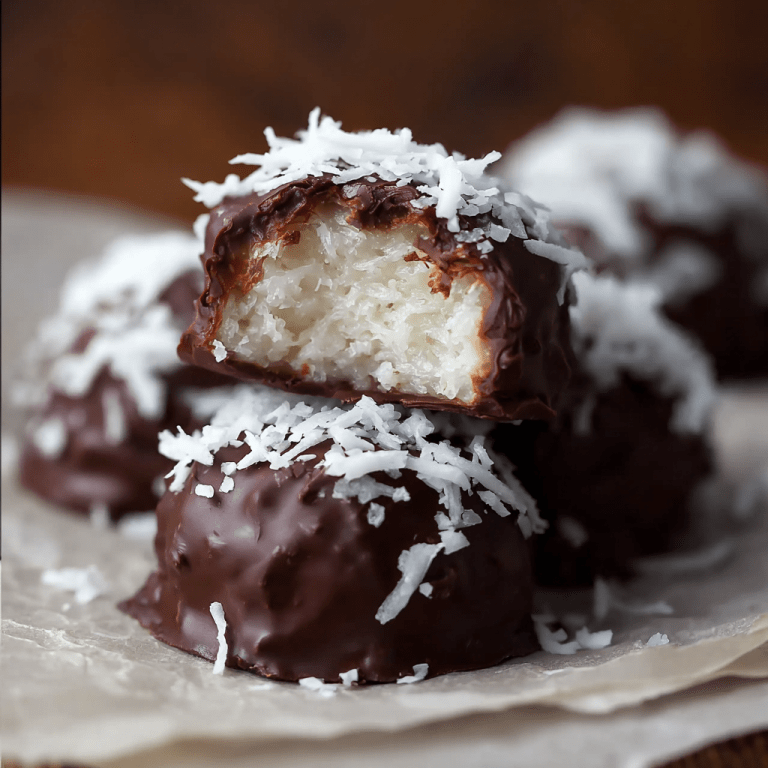
3-Ingredient Easy Homemade Mounds Bars are a testament to the beauty of simplicity—a candy-making miracle that transforms just three humble ingredients into a decadent, copycat version of the beloved coconut-chocolate candy bar. This recipe is a masterclass in minimalist indulgence, where sweetened shredded coconut is bound together with rich, creamy sweetened condensed milk to form a lusciously sticky, chewy filling that perfectly mimics the dense, moist texture of the original. The magic happens in the shaping: small, rustic mounds formed by hand and briefly chilled to firm up before being enrobed in a generous bath of melted chocolate. Whether you choose milk chocolate for classic sweetness or dark chocolate for a sophisticated, bitter counterpoint, the result is a candy that is astoundingly authentic, profoundly satisfying, and dangerously easy to make.

The brilliance of this recipe lies in its foolproof, no-bake method and the sheer joy of creating a professional-quality confection at home with almost no effort. It requires no candy thermometers, no tempering, and no complicated steps—just stirring, shaping, dipping, and chilling. The optional pinch of salt is a masterstroke, elevating the sweetness and deepening the chocolate flavor with a tiny, effortless addition. These homemade Mounds bars are the perfect solution for a quick candy craving, a fun activity to do with kids, or a thoughtful, homemade gift packaged in a pretty box. They are a delicious reminder that the most extraordinary treats often come from the simplest places, and that you are only three ingredients away from pure, coconut-chocolate bliss.

Why You’ll Love This Recipe:

  • Only 3 Ingredients: Uses pantry staples you likely already have or can easily find.
  • Incredibly Easy & Foolproof: No baking, no candy thermometers, no complicated techniques.
  • Authentic Mounds Bar Flavor: Perfectly captures the chewy, sweet coconut center and rich chocolate coating of the classic candy.
  • Customizable Chocolate Choice: Use milk chocolate for classic sweetness or dark chocolate for a more sophisticated, less sweet version.
  • Perfect for Gifting & Sharing: Homemade candies make thoughtful, delicious gifts for holidays and special occasions.

Ingredients:

For the Coconut Filling:
2 cups (about 180g) sweetened shredded coconut
1 (14 oz / 400g) can sweetened condensed milk
Pinch of salt (optional, for flavor balance)

For the Coating:
12 oz (340g) chocolate chips (milk chocolate, dark chocolate, or a mix)
Optional: flaky sea salt, for sprinkling on top

Instructions:

Step 1: Prepare the Coconut Mixture
In a medium mixing bowl, combine the sweetened shredded coconut and the entire can of sweetened condensed milk. Add a pinch of salt if desired. Stir with a spatula until the mixture is fully combined, very sticky, and holds together when pressed.

Step 2: Shape the Mounds
Line a baking sheet with parchment paper. Scoop about 1-2 tablespoons of the coconut mixture and, using your hands, shape it into a small oval or mound, similar to the shape of a classic Mounds bar. Place on the prepared baking sheet. Repeat with the remaining mixture. You should get about 12-16 pieces, depending on size.

Step 3: Chill to Firm
Place the baking sheet with the shaped coconut mounds in the refrigerator for 15-20 minutes, or until they are slightly firm and easier to handle.

Step 4: Melt the Chocolate
While the mounds chill, melt the chocolate chips. You can do this in a microwave-safe bowl in 30-second intervals, stirring well after each, until smooth. Alternatively, melt them gently using a double boiler on the stovetop.

Step 5: Coat the Mounds
Using a fork or a dipping tool, carefully dip one chilled coconut mound into the melted chocolate, turning to coat it completely. Lift it out and gently tap the fork on the edge of the bowl to allow excess chocolate to drip off. Place the coated mound back on the parchment-lined baking sheet. If desired, sprinkle a tiny pinch of flaky sea salt on top while the chocolate is still soft. Repeat with all mounds.

Step 6: Chill and Set
Place the baking sheet back in the refrigerator for 10-15 minutes, or until the chocolate coating is completely firm and set.

Step 7: Serve and Enjoy
Serve immediately or transfer to an airtight container for storage.

Tips:

  • Chill Before Dipping: This step is crucial. Firm mounds are much easier to dip and hold their shape better.
  • Use a Fork for Dipping: A fork allows excess chocolate to drip off easily and gives a nice textured bottom.
  • Work Quickly with Chocolate: If the chocolate begins to thicken as it cools, reheat it gently in the microwave for 10-15 seconds.
  • Customize the Size: Make them smaller for bite-sized treats or larger for a more substantial candy.
  • Add Mix-Ins: For variety, stir a few chopped almonds or a teaspoon of almond extract into the coconut mixture.

Storage Options:

  • Refrigerator: Store in an airtight container in the refrigerator for up to 1 week. They are deliciously firm and cool straight from the fridge.
  • Room Temperature: They can be stored at cool room temperature for 2-3 days, but the chocolate may soften.
  • Freezing: These freeze beautifully for up to 2 months. Place in a single layer in a freezer-safe container with parchment between layers. Thaw in the refrigerator.
  • Gifting: Package in a decorative box or cellophane bag for a beautiful homemade gift.

3-Ingredient Easy Homemade Mounds Bars are a celebration of simplicity and pure flavor. They prove that with just a handful of ingredients and a few minutes of effort, you can create a candy that rivals any store-bought treat, bringing a little bit of homemade magic to every single bite.

Keto No-Bake Cookies

0

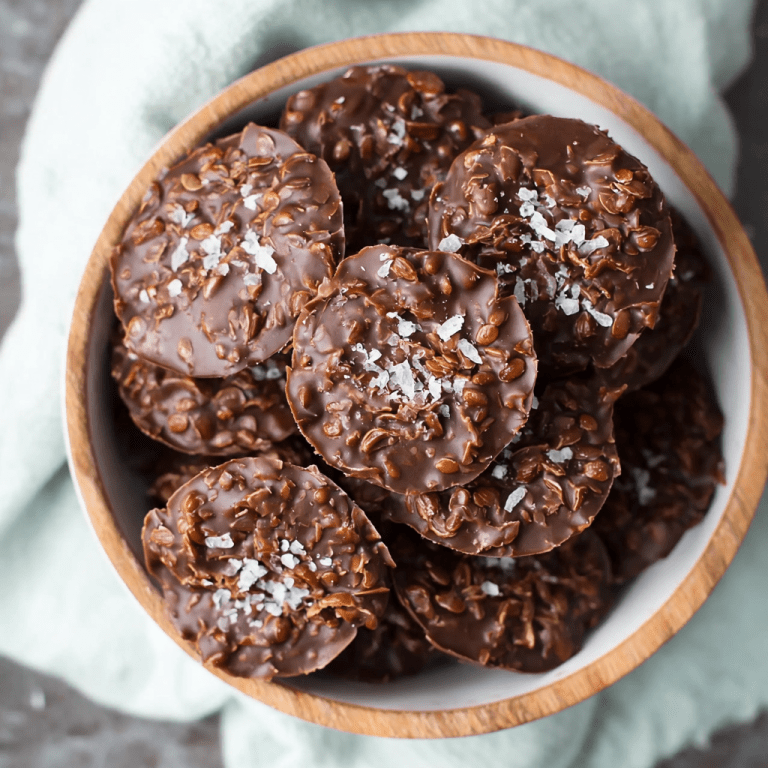
Keto No-Bake Cookies are a miraculous low-carb creation, delivering all the rich, fudgy, chocolate-peanut butter satisfaction of the classic childhood treat in a completely sugar-free, grain-free package that aligns perfectly with a ketogenic lifestyle. This recipe is a masterclass in keto-friendly alchemy, transforming a handful of wholesome ingredients into decadent, bite-sized morsels that are as addictive as they are virtuous. The magic begins with a simple stovetop melting of coconut oil and creamy peanut butter, which forms a luscious, fatty base. The addition of cocoa powder transforms it into a deep, dark chocolate fudge, while the low-carb sweetener dissolves seamlessly, providing the necessary sweetness without any sugar crash. The final stir of unsweetened coconut flakes and nutritious hemp seeds adds delightful texture and chew, creating a cookie that is satisfyingly substantial.

The brilliance of these cookies lies in their astonishing simplicity and their perfect nutritional profile for keto dieters. With no baking required and just 15 minutes in the freezer, they come together in a flash, making them the ideal solution for a sudden sweet craving or an easy, crowd-pleasing dessert for gatherings where dietary restrictions are a concern. The use of coconut oil ensures they set firmly at cool temperatures, creating a meltaway texture that is both rich and refreshing. Stored in the freezer, they are a perfect portion-controlled treat, ready to be enjoyed straight from the cold. These cookies prove that a ketogenic diet never has to mean deprivation, offering a deeply satisfying, fudgy, and utterly delicious experience that will fool even the most dedicated sugar-lover.

Why You’ll Love This Recipe:

  • Authentic No-Bake Flavor: Perfectly captures the fudgy, chocolate-peanut butter taste of the classic cookies without any sugar or grains.
  • Keto-Friendly & Low-Carb: Uses monk fruit or Swerve, unsweetened coconut, and healthy fats to keep carbs minimal and flavor maximal.
  • Incredibly Quick & Easy: Ready in under 20 minutes with just a saucepan and a freezer—no baking required.
  • Perfectly Portioned Treats: The mini muffin size makes for easy portion control and satisfying snacking.
  • Customizable & Adaptable: Easily swap the peanut butter for almond butter, add nuts, or adjust the sweetness to your preference.

Ingredients:

For the Fudge Base:
¾ cup (170g) coconut oil
¾ cup (190g) creamy low-carb peanut butter or almond butter
¼ cup (20g) unsweetened cocoa powder
1 cup (180g) Monkfruit, Swerve, or other erythritol-based sweetener (brown sugar or granular)
1 teaspoon vanilla extract (optional)

For Texture & Flavor:
1 ½ cups (120g) unsweetened coconut flakes
2 tablespoons hulled hemp seeds (hemp hearts)
Flaky sea salt, for topping (optional)

Instructions:

Step 1: Melt the Base
In a medium saucepan over medium-low heat, combine the coconut oil and peanut butter. Stir frequently as they melt together until the mixture is smooth, fully combined, and glossy.

Step 2: Add Dry Ingredients
Stir in the cocoa powder, vanilla extract (if using), and the low-carb sweetener. Continue to stir until the sweetener is completely dissolved and the mixture is smooth with no visible granules.

Step 3: Incorporate Texture
Remove the saucepan from the heat. Stir in the unsweetened coconut flakes and hemp seeds until everything is evenly coated in the fudge mixture.

Step 4: Cool Slightly
Allow the mixture to cool for 5-10 minutes at room temperature. This prevents it from being so hot that it melts the silicone molds, but it should still be pourable.

Step 5: Portion and Set
Carefully spoon the mixture into silicone mini muffin tins, filling each cup about ¾ full. If desired, sprinkle a tiny pinch of flaky sea salt over the top of each cookie.

Step 6: Freeze to Set
Place the filled muffin tin in the freezer for 15-20 minutes, or until the cookies are completely firm and set.

Step 7: Store and Enjoy
Pop the cookies out of the silicone molds. Transfer to an airtight container and store in the freezer. Enjoy straight from the freezer for the perfect fudgy texture.

Tips:

  • Silicone Molds are Essential: Silicone mini muffin tins make removal effortless. If using metal, line with paper liners and grease well.
  • Sweetener Dissolving: Ensure your sweetener is fully dissolved into the warm fat mixture. Granular sweeteners can leave a gritty texture if not fully melted.
  • Watch the Heat: Don’t overheat the mixture once the sweetener is added, as erythritol can recrystallize.
  • Customize Texture: Add chopped pecans or walnuts, sugar-free chocolate chips, or a dash of cinnamon for variety.
  • Peanut Butter Note: Use a no-sugar-added peanut butter. Avoid natural brands that separate, as they can affect the set.

Storage Options:

  • Freezer (Recommended): Store in an airtight container in the freezer for up to 2 months. They are meant to be enjoyed firm and cold.
  • Refrigerator: They can be stored in the refrigerator for up to 1 week, but they will be softer. Keep in a sealed container.
  • Room Temperature: Not recommended, as coconut oil melts at warm room temperatures and the cookies will lose their shape.
  • Make-Ahead: These are perfect for making ahead and keeping on hand for a quick keto dessert fix.

Keto No-Bake Cookies are a revelation for anyone following a low-carb lifestyle. They deliver the nostalgic joy of a classic treat with absolutely no compromise on taste or texture, proving that healthy eating can be delicious, satisfying, and incredibly simple.