
Milk in Scrambled Eggs: A Culinary Genius Move or a Total Mistake?

0

Scrambled eggs really are one of those kitchen classics, aren’t they? On the surface, they seem so simple—just eggs and a skillet. But ask just about anybody how they make theirs and, oh boy, you’ll get a passionate answer (maybe even a family secret or two). One question that seems to get folks fired up over brunch is this: Should you add milk to your scrambled eggs?

Some folks swear by it—they’ll say it’s the secret to fluffy, creamy eggs. Others feel just as strongly that it waters everything down and messes with that lovely pure egg flavor. Who’s right? Well, grab your mug and let’s dig into the science, the opinions, and what the experts have to say about this very important kitchen debate.

Why Do You Add Milk to Scrambled Eggs?

Adding milk to your morning eggs isn’t exactly a newfangled notion—it’s straight out of the comfort food playbook, right up there with buttery toast and weekend pajamas. So why do so many home cooks and grandmas keep reaching for the milk carton?

  • For a Creamier Texture
    A splash of milk brings extra moisture to your eggs, which most people agree leads to a softer, more pillowy bite. If you use whole milk or even cream, that extra fat can make your scrambled eggs feel almost luscious, especially if you go slow and gentle with the heat.
  • To Balance the Richness
    Egg yolks are rich and a little bit decadent all on their own (especially if you get the good eggs). But not everyone’s on board with that super-savory, almost buttery flavor on its own. Some folks add milk just to temper things down a little—make it a gentler experience for those whose palates aren’t ready for straight-up eggy richness.
  • To Stretch the Dish
    If you’ve got extended family rolling in for breakfast, but not quite enough eggs for everyone, a bit of milk can help stretch things out. It adds to the volume, so your skillet goes just a little bit further—handy for feeding a crowd (or for when the groceries are running thin… ask me how I know).

Why Some Cooks Avoid Milk

On the other side of things, there’s a whole contingent—professional chefs, egg fanatics, some picky kids—who say milk in scrambled eggs is a mistake. Here’s where they’re coming from:

  • It Dilutes the Flavor
    Eggs are already rich, tender, and basically perfect when cooked right. Purists will tell you that milk just blurs those flavors, making your eggs feel milder, maybe even a touch bland or sweet.
  • It Can Cause a Rubber-Band Texture
    Cooking is part science, part art. Toss in too much milk, and the eggs might take longer to cook. And once the pan sits on the heat for too long, those curds can turn rubbery, or worse—end up sitting in a watery puddle (if you’ve had a sad brunch buffet, you’ll know).
  • Eggs Don’t Need It
    If you’re starting with good eggs—especially those beautiful farm eggs with rich, golden yolks—you just don’t need anything else competing for attention. Many chefs will tell you: Let your eggs shine, all on their own, and focus on good technique.

The Science Behind Adding Milk

Let’s nerd out for a quick second: Eggs have proteins that firm up, or “coagulate,” as you raise the heat. When you add milk, you’re bringing in more water and fat. That can slow down the way those proteins set up.

  • Too much milk? The eggs drag out on the stove, sometimes turning soupy or rubbery (we’ve all been there).
  • Just a teeny bit? If you’re cooking nice and gently, you can get a silkier finish, but there’s a sweet spot.

The big secret? If you like milk, a little goes a long way. Less is always more.

What Do Experts Say?

Most celebrity chefs have pretty strong feelings about this one. Truth is, nearly all side with the no-milk crowd. Gordon Ramsay, Jacques Pépin, Julia Child—these folks put their faith in classic methods.

Instead of milk, they focus on technique:

  • Low and Slow Cooking – Gentle heat keeps those eggs from seizing up. It’s the key to creamy, dreamy results.
  • Butter Is Better – A pat of butter adds depth and richness without getting in the way of the eggs’ natural flavor.
  • Well Whisked – Give your eggs a real workout with the whisk before they hit the pan. It brings in air for built-in fluffiness.

Milk: The Middle Ground, When It Might Work

Now, let’s be honest—sometimes you just want to do things your own way, and that’s perfectly fine. There are a couple times when milk actually comes in pretty handy:

  • For Beginners
    If you’re just getting comfortable with the frying pan, a bit of milk helps keep things from overcooking and going dry on you. It offers a touch of forgiveness if you’re easily distracted (raises hand… who else forgets to stir?).
  • For Buffet-Style Serving
    Big breakfast spreads and brunch buffets have their own challenges. Eggs can dry out and sit a bit too long. Adding a little milk to the mix keeps them moist for longer—helpful for those lazy, linger-over-coffee mornings.
  • If You Simply Prefer It
    At the end of the day, cooking is about making food you love. If you grew up adding milk and you love the creamy, mellow result, then why not? There’s no rulebook in the kitchen, just what tastes best to you and yours.

How to Make Perfect Scrambled Eggs (No Milk Needed)

If you want to skip the milk and let those eggs really shine, here’s my go-to, never-fails method for scrambles that are tender, silky, and rich enough for Sunday best.

Ingredients:

  • 4 large eggs
  • 1 tablespoon unsalted butter
  • A pinch of salt and pepper
  • Optional: Fresh herbs like chives or parsley (your call, but fresh always wakes things up)

Instructions:

  1. Whisk the Eggs – Get in there with a fork or whisk. You want the yolks and whites well blended and just a couple pinches of salt tossed in early. (Trust me, a good whisk builds natural fluff.)
  2. Melt Butter Low – Slide your knob of butter into a nonstick skillet and let it melt nice and slow over low heat.
  3. Pour In the Eggs – Once the butter is melted but not browning, in go the eggs. Use a spatula to gently sweep the eggs from the edges into the center.
  4. Cook Low and Slow – Patience pays off here—keep the heat low and move those eggs gently. Creaminess is all about slow setting.
  5. Take Off the Heat Just Before Cooked Through – They’ll keep cooking once you pull the pan off, thanks to that hot skillet. This makes the difference between perfect and overcooked.
  6. Season and Serve – Sprinkle on fresh herbs, a little cheese, or a grind of black pepper if you want. Plate up and enjoy on warm toast.

The Verdict: Who’s Right?

In the end, there’s no one-size-fits-all answer—just what makes you swoon over your breakfast plate.

  • If extra-creamy and mild eggs make your morning, go ahead and add that splash of milk. (Maybe it’s your mother-in-law’s way, and that’s perfectly okay.)
  • If you want those rich, pure egg flavors to shine, skip the milk and focus on your cooking method.

Final Thought

The “perfect” scrambled eggs are the ones that make you (and your family) smile. Play around, trust your taste buds, and don’t be afraid to make breakfast your own—no matter what the experts say. Who knows, you might end up with a brand-new family tradition. (And if you ever have a scramble cook-off with a stubborn relative, let me know how it goes… I’ll bring the coffee!)
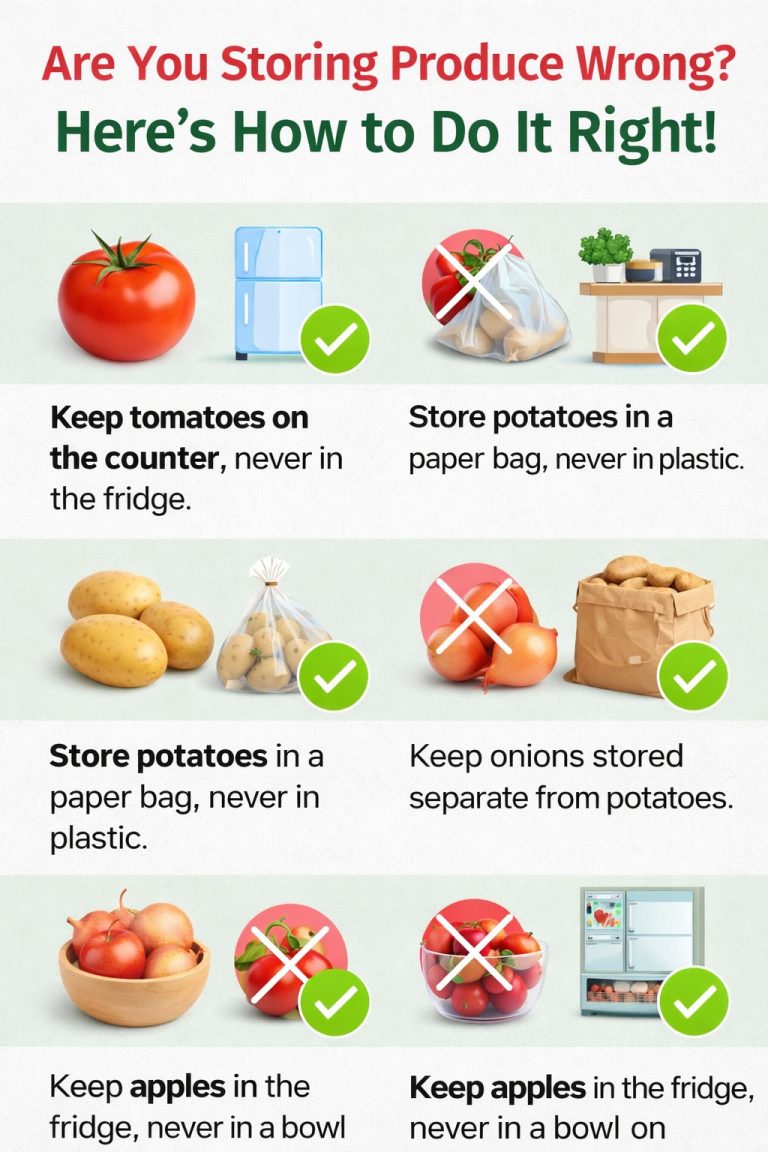

You’re Doing It All Wrong: Here’s the Right Way to Store Produce

0

When it comes to storing fruits and vegetables, most of us are guilty of one simple mistake: tossing everything into the fridge without a second thought. It seems convenient, sure. But that one-size-fits-all approach? It’s actually shortening the life of your produce, messing with the flavor, and even zapping some of the nutritional value.

The truth is, different fruits and vegetables have different needs. They’re picky. And once you understand what they want, they’ll reward you by staying fresh way longer.

So let’s fix this. No fancy equipment needed—just a little knowledge and a few small tweaks to how you handle your grocery haul.

1. Tomatoes: Counter, Never Fridge

Tomatoes might be the most misunderstood item in your kitchen. We get it—they look like they belong in the fridge. But here’s the thing: cold temps turn tomatoes into sad, mealy versions of themselves. The flavor basically vanishes.

Instead, let them hang out on the counter. Keep them in a single layer so they don’t bruise each other. If they’re still a little underripe, place them stem-side down—it helps them ripen more evenly. Once they’re where you want them, eat them within a few days. They won’t last forever, but every bite will actually taste like something.

2. Potatoes: Paper Bags, Not Plastic

Potatoes need a cool, dark, airy spot. Light is the enemy—it turns them green and can create solanine, a compound you definitely don’t want in your dinner.

Plastic bags? Also the enemy. They trap moisture and speed up spoilage. Go with paper bags or a cardboard box instead. Aim for a spot around 45–50°F—cooler than room temp but warmer than the fridge. A pantry or basement works perfectly. And check on them now and then; one bad potato really can spoil the whole bunch.

3. Onions and Potatoes: Keep Them Apart

Here’s a mistake even experienced cooks make: storing onions and potatoes together. They’re both kitchen staples, so it seems natural to keep them in the same basket. But onions release gases and moisture that make potatoes sprout and spoil faster.

Give them separate homes. Onions like cool, dry, well-ventilated spaces too—mesh bags or baskets work great. Keeping them apart means both last longer and taste better.

4. Apples: Crisper Drawer Over Fruit Bowl

Apples are one of the few fruits that genuinely prefer the fridge. The crisper drawer gives them the humidity they crave, keeping them fresh and crunchy for weeks.

Before storing, sort through and remove any bruised or damaged ones—they’ll speed up spoilage for the rest. If you’re set on keeping apples on the counter, know this: they’ll ripen fast. A week, tops. In the fridge? You’ve got several weeks of good eating ahead.

5. Leafy Greens: Dry Them Out First

Lettuce, spinach, kale—they all wilt and get sad when stored wrong. The secret? Dry them thoroughly before they ever see the fridge.

Rinse your greens, then spin them dry in a salad spinner or pat them down with paper towels. Excess moisture is the enemy here. Once they’re dry, wrap them in a clean paper towel and stash them in a breathable container or perforated bag in the crisper drawer. That paper towel soaks up any extra moisture while letting air circulate. They’ll stay crisp for up to a week.

6. Berries: Don’t Wash Until You’re Ready

Berries are fragile little things. They bruise easily, and moisture is their downfall.

Sort through them as soon as you get home—remove any moldy or squished ones immediately. And whatever you do, don’t wash them until right before you eat them. Water speeds up mold growth like crazy.

Store them in a single layer on a paper towel-lined tray or container. The towel catches excess moisture. Some people even put another paper towel on top for good measure. Your berries will thank you.

7. Citrus: Depends on Your Timeline

Oranges, lemons, limes—they’re flexible. If you’re going to eat them within a week, the counter is fine. For longer storage, move them to the fridge.

The crisper drawer is ideal. A mesh bag works well, or just tuck them in loose. If you notice the skins starting to dry out, switch to a sealed plastic bag to lock in moisture.

8. Bananas: Let Them Ripen, Then Chill

Bananas keep ripening after you buy them—that’s just what they do. For best results, let them ripen at room temperature, preferably on a banana hook so they don’t bruise.

Once they’re as ripe as you like, you can slow things down by moving them to the fridge. Yes, the peel will turn brown. It looks weird, but the fruit inside stays good for several more days. And if they get too ripe? Peel and freeze them. Smoothies and banana bread are waiting.

9. Avocados: Paper Bag Trick for Faster Ripening

Hard avocados need time. Leave them on the counter until they yield slightly to gentle pressure. Want to speed things up? Toss them in a paper bag with an apple or banana. Those fruits release ethylene gas, which helps avocados ripen faster.

Once ripe, move them to the fridge to pause the process. If you’ve got half an avocado left, squeeze some lemon or lime juice on the cut surface and wrap it tightly in plastic. That’ll buy you another day or two before browning takes over.

10. Root Vegetables: Snip the Tops First

Carrots, beets, parsnips—they love cool, humid conditions. Before storing, cut off any leafy tops. Those greens pull moisture from the roots, making them go limp.

Pop them in a perforated plastic bag or a container with a lid and stash them in the crisper drawer. For serious long-term storage, a cool cellar or basement works wonders. Some folks pack them in sand or sawdust to keep moisture steady and prevent sprouting. Old-school? Yes. Effective? Absolutely.

11. Fresh Herbs: Treat Them Like Flowers

Most herbs do best when you treat them like a bouquet. Trim the ends, pop them in a glass of water, cover the leaves loosely with a plastic bag, and refrigerate. It’s like a mini greenhouse.

Basil is the exception. Cold turns it black, so keep it on the counter in that same water setup. Change the water every few days and pull off any sad-looking leaves. They’ll stay fresh and flavorful way longer than they would in the crisper.

French Dip Biscuits

0

French Dip Biscuits are the ultimate handheld comfort food—a brilliant, ingenious fusion that takes the classic, beloved French dip sandwich and transforms it into a warm, flaky, impossibly delicious biscuit sandwich that’s perfect for dipping. This recipe is a celebration of simplicity and bold flavor, using convenient refrigerated biscuits as the base to create golden, buttery pockets filled with savory deli roast beef, melted provolone cheese, and a kick of creamy horseradish sauce. The magic lies in the assembly: each biscuit is split, spread with zesty horseradish, layered with beef and cheese, then sealed and baked until the biscuits are golden brown and the cheese is gloriously melted. The result is a perfectly portioned, handheld meal that delivers all the savory, beefy, cheesy satisfaction of the original sandwich in a fun, dippable form.

The brilliance of this recipe is its incredible ease and the way it elevates simple store-bought ingredients into a meal that feels special and indulgent. The crowning glory is the accompanying au jus—a rich, savory gravy made from a simple packet mix that provides the perfect dipping companion. Each bite of the warm, flaky biscuit, packed with salty beef and melted provolone, is made even better when dunked into that deep, beefy broth. These French Dip Biscuits are the perfect answer for a quick weeknight dinner, a game-day snack, or any time you’re craving the classic flavors of a French dip but want something a little different and a lot easier. They’re guaranteed to disappear fast and leave everyone asking for more.

Why You’ll Love This Recipe:

  • All the Flavor of a French Dip, in Bite-Sized Form: Savory roast beef, melted provolone, and horseradish in a warm, flaky biscuit.
  • Incredibly Quick and Easy: Uses refrigerated biscuits and deli roast beef for a meal that comes together in under 30 minutes.
  • Perfect for Dipping: Served with a rich, savory au jus for the ultimate dunking experience.
  • Fun, Handheld, and Crowd-Pleasing: A guaranteed hit with both kids and adults for dinner or parties.
  • Customizable to Your Taste: Adjust the horseradish, use different cheeses, or add caramelized onions for extra flavor.

Ingredients:

For the Biscuit Sandwiches:
1 (16.3 oz) can refrigerated biscuits (8-count)
1 lb thinly sliced deli roast beef
2 tablespoons creamy horseradish sauce (adjust to taste)
8 slices provolone cheese

For Dipping:
1 (1 oz) packet Au Jus gravy mix, prepared according to package directions

Instructions:

Step 1: Preheat Oven and Prepare Pan
Preheat your oven to 400°F (200°C). Line a baking sheet with parchment paper.

Step 2: Prepare the Biscuits
Open the can of refrigerated biscuits and separate them. Using a sharp knife, carefully split each biscuit in half horizontally, as if you were splitting a dinner roll. You will have 16 thin biscuit rounds.

Step 3: Spread Horseradish
Spread a thin layer of creamy horseradish sauce on the cut side of each biscuit half. Use more or less to suit your taste.

Step 4: Assemble the Sandwiches
On half of the biscuit halves (8 pieces), place a slice of provolone cheese, folding it to fit if needed. Top the cheese with a portion of the thinly sliced roast beef, dividing it evenly among the 8 biscuit halves. Place the remaining biscuit halves (horseradish-side down) on top of the beef, gently pressing the edges together to seal.

Step 5: Bake
Arrange the assembled biscuits on the prepared baking sheet, leaving a little space between them. Bake for 12-15 minutes, or until the biscuits are puffed and deep golden brown.

Step 6: Prepare Au Jus
While the biscuits bake, prepare the au jus gravy mix according to the package instructions (usually simmering with water).

Step 7: Serve
Remove the biscuits from the oven and let them cool for a few minutes. Serve warm with small bowls of the hot au jus for dipping.

Tips:

  • Adjust Horseradish: Start with 2 tablespoons and add more to taste. You can also use Dijon mustard for a different flavor profile.
  • Don’t Overfill: Use a moderate amount of roast beef to ensure the biscuits seal properly and don’t burst open.
  • Seal the Edges: Gently press the biscuit edges together to keep the filling inside during baking.
  • Make it Your Own: Add caramelized onions, sautéed mushrooms, or a sprinkle of fresh thyme inside the biscuits for extra flavor.
  • Serving Suggestion: Serve with a side of crispy fries or a simple green salad for a complete meal.

Storage Options:

  • Refrigerator: Store leftover baked biscuits in an airtight container in the refrigerator for up to 3 days.
  • Reheating: Reheat in a 350°F (175°C) oven or air fryer for 5-7 minutes to restore crispness. The microwave will make the biscuits soft.
  • Not for Freezing: The texture of the biscuits will suffer upon thawing.
  • Make-Ahead: You can assemble the biscuits and keep them covered in the refrigerator for up to 2 hours before baking.

French Dip Biscuits are a fun, delicious, and incredibly easy twist on a classic sandwich. They deliver all the savory, beefy, cheesy goodness of a French dip in a warm, flaky, dippable package that’s guaranteed to be a hit at any table.

Classic Roasted Potatoes and Onions

0

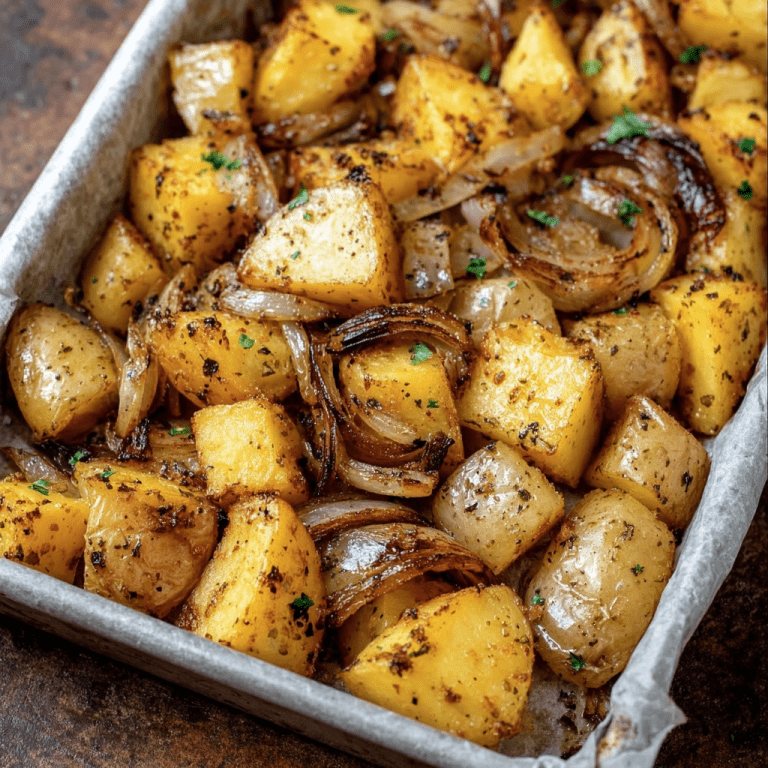
Classic Roasted Potatoes and Onions is the ultimate testament to the beauty of simplicity—a humble, rustic side dish that, when executed with care, transforms the most basic ingredients into golden, crispy, caramelized perfection. This recipe is a masterclass in the art of roasting, where Yukon Gold or red potatoes are cut into uniform chunks and tossed with thick onion wedges, then coated in a fragrant blend of olive oil, garlic powder, thyme, and a hint of paprika. As they roast at high heat, the potatoes develop a beautifully crisp, golden-brown exterior while remaining impossibly tender and fluffy on the inside. The onions, cut into thick wedges, caramelize slowly, becoming sweet, soft, and slightly charred at the edges, adding a depth of savory sweetness that perfectly complements the earthy potatoes.

The brilliance of this dish lies in its foolproof technique and the universally beloved result it delivers. The key is in the preparation: cutting the potatoes into even-sized pieces ensures they cook uniformly, and giving them space on the baking sheet prevents steaming, allowing for maximum caramelization. A single stir halfway through the roasting time ensures even browning on all sides. The result is a side dish that is at once comforting and elegant, familiar yet elevated. It pairs beautifully with everything from roasted chicken and steak to meatloaf or simply a fried egg for a hearty breakfast. Classic Roasted Potatoes and Onions is a recipe that belongs in every home cook’s repertoire—a dependable, delicious, and endlessly satisfying accompaniment to any meal.

Why You’ll Love This Recipe:

  • Perfectly Crispy Outside, Fluffy Inside: High-heat roasting creates the ideal texture contrast.
  • Caramelized, Sweet Onions: Onion wedges become soft, sweet, and slightly charred, adding incredible depth.
  • Simple, Pantry-Friendly Ingredients: Uses basic seasonings you likely already have on hand.
  • Versatile Side Dish: Complements almost any main course, from roasts to burgers to breakfast.
  • Easy, Hands-Off Method: Minimal prep and a single stir during roasting is all it takes.

Ingredients:

For the Vegetables:
2 lbs (about 900g) Yukon Gold or red potatoes, scrubbed and cut into 1-inch chunks
1 large yellow onion, sliced into ½-inch thick wedges

For the Seasoning:
3 tablespoons olive oil
1 teaspoon kosher salt
½ teaspoon freshly ground black pepper
1 teaspoon garlic powder
1 teaspoon dried thyme or rosemary
½ teaspoon paprika (optional, for color)

For Garnish (Optional):
2 tablespoons fresh parsley, chopped

Instructions:

Step 1: Preheat Oven and Prepare Pan
Preheat your oven to 400°F (200°C). Line a large, rimmed baking sheet with parchment paper for easy cleanup, or lightly grease it with cooking spray or a thin layer of oil.

Step 2: Prepare the Vegetables
Cut the potatoes into uniform 1-inch chunks—this ensures even cooking. Slice the onion into thick wedges (about ½ inch thick) so they roast without burning.

Step 3: Season the Vegetables
In a large bowl, combine the potato chunks and onion wedges. Drizzle with olive oil. Sprinkle with salt, pepper, garlic powder, dried thyme (or rosemary), and paprika (if using). Toss well until every piece is evenly coated.

Step 4: Arrange on Baking Sheet
Spread the seasoned potatoes and onions in a single, even layer on the prepared baking sheet. Make sure they have a little space between them—crowding will cause them to steam instead of roast.

Step 5: Roast
Roast in the preheated oven for 40-45 minutes, stirring gently with a spatula halfway through the cooking time. The potatoes are done when they are golden brown and crispy on the outside, and easily pierced with a fork.

Step 6: Garnish and Serve
Remove from the oven. If desired, sprinkle with fresh chopped parsley. Serve immediately.

Tips:

  • Cut Uniformly: Consistent potato size is crucial for even cooking. Aim for 1-inch chunks.
  • Don’t Crowd the Pan: Give the vegetables room to breathe. Use two pans if necessary.
  • Use a Hot Oven: 400°F is the sweet spot for crispy exteriors and tender interiors.
  • Flip Halfway: Stirring ensures even browning on all sides.
  • Customize the Herbs: Try fresh rosemary, thyme, or even a sprinkle of grated Parmesan in the last 5 minutes of roasting.

Storage Options:

  • Refrigerator: Store leftovers in an airtight container in the refrigerator for up to 4 days.
  • Reheating: For best results, reheat in a 375°F (190°C) oven or air fryer for 5-10 minutes to restore crispness. The microwave will make them soft.
  • Freezing: Not recommended, as potatoes tend to become grainy and waterlogged upon thawing.
  • Make-Ahead: You can cut the potatoes and onions a day in advance and store them submerged in cold water in the refrigerator. Drain and pat thoroughly dry before seasoning and roasting.

Classic Roasted Potatoes and Onions are a timeless, foolproof side dish that proves the simplest preparations often yield the most satisfying results. With their crispy edges, tender centers, and sweet, caramelized onions, they are the perfect companion to any meal and a staple every cook should master.

What’s Fair in This Case?

0

When two people decide to move in together, it’s often an exciting step in a relationship. But it also comes with practical questions—especially around money. One of the most common? How to split rent fairly when incomes don’t match up.

Let’s look at a real scenario. A man earns $65,000 a year. His partner earns $33,000. Their rent is $2,000 a month. Should they split it right down the middle? Or is there a more balanced way to handle it?

Assessing Income Disparities in Cohabiting Couples

Income gaps like this are more common than you might think. When one person brings home nearly twice as much as the other, a straight 50/50 split can start to feel less like fairness and more like a burden. The key is to look at the full picture—not just income, but debts, savings goals, and what feels manageable for both people long-term.

Method 1: Income Proportionate Rent Split

One straightforward approach is to divide the rent in the same proportion as each person’s income. In this case, the man earns about 66% of the household income, and the woman earns about 34%. Applied to the $2,000 rent, that works out to roughly $1,320 for him and $680 for her.

This method keeps the rent aligned with what each person can realistically afford, without either one feeling stretched too thin.

Method 2: Flat Percentage of Income Contribution

Another option is for both partners to contribute the same percentage of their individual income toward rent. For example, if they agreed to put 30% of their monthly earnings toward housing, the man would pay about $1,625 and the woman about $825.

This approach ensures that rent takes up a similar portion of each person’s budget, which can feel more balanced—even though the dollar amounts are different.

Method 3: Equal Value Contributions Beyond Rent

Sometimes, rent doesn’t have to be the only way to balance things out. A couple might agree to split rent equally, but the partner with the lower income takes on a larger share of other household costs—like utilities, groceries, or shared subscriptions. Or one person handles more of the domestic responsibilities while the other contributes more financially.

This method works best when both partners are open about what feels fair and are willing to look at the full picture of shared life, not just the rent check.

The Importance of Open Communication in Financial Decisions

None of these methods work without honest conversation. Money can be a sensitive topic, but avoiding it usually makes things harder. The goal isn’t to find the one “right” answer—it’s to find an arrangement that both people genuinely feel good about. That means talking openly about income, expectations, and what each person needs to feel secure.

Considering Other Shared Expenses and Their Impact

Rent is just the starting point. Once you’re living together, shared expenses add up quickly—groceries, utilities, internet, streaming services, maybe a shared car or pet care. A budget that accounts for all of these costs gives a clearer picture of what’s truly fair. Sometimes the person who pays less in rent ends up covering more in other areas, and that can be a completely reasonable trade-off.

Impact of Financial Stress on Relationships

Money stress is one of the biggest strains on relationships. When one person feels stretched too thin, or when there’s unspoken resentment about who’s paying for what, it can leak into everyday life. Tackling financial decisions together, with transparency and empathy, helps keep the relationship strong—and keeps the focus where it belongs: on building a life together.

Legal Considerations for Cohabiting Couples

While it may not feel romantic, it’s worth being aware of the legal side of living together. In many places, unmarried couples don’t automatically have the same protections as married couples when it comes to shared property or financial obligations. A simple cohabitation agreement can outline who pays for what, what happens if someone moves out, and how shared items are handled—offering clarity and peace of mind.

Conclusion: Finding a Fair and Balanced Approach

There’s no universal formula for splitting rent. What’s fair depends on income, expenses, values, and what both people agree feels right. Whether you choose proportional rent, flat percentages, or a mix of financial and non-financial contributions, the most important thing is that the arrangement is discussed openly and revisited as needed.

Fairness isn’t just about math. It’s about respect, communication, and making sure both partners feel supported—financially and otherwise—in the home they’re building together.

“Are These Eggs Still Good?”: Settling the Great Expired Egg Debate Once and for All

0

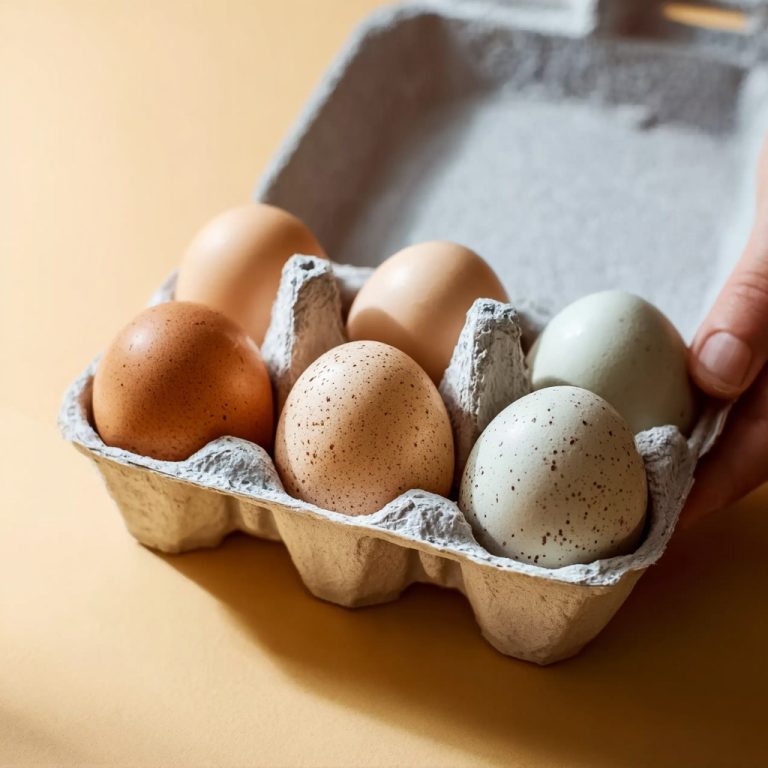
You know how it goes—you’re standing in the kitchen, holding an egg carton like it’s a ticking time bomb, squinting at that faint “sell-by” date and wondering if you’re about to poison the whole family… or just waste perfectly good breakfast.

Maybe your partner is saying, “They’re fine, it’s just a date!”

Meanwhile, you’re Googling things like “how long after expiration can you eat eggs without dying.”

Sound familiar?

Let’s crack this wide open (pun fully intended) and finally settle the score on expired eggs.

Let’s Talk About Those Confusing Egg Carton Dates

Here’s the thing: that little date stamped on the carton? It’s not as dramatic as it looks.

In the U.S., egg cartons often carry a “sell-by” or “expiration” date—but that’s more for the store than it is for you. It helps the grocer know when to rotate stock, not necessarily when the egg becomes a biological hazard.

So, if your eggs are a few days—or even weeks—past that date, don’t toss them just yet.

Okay But… Are They Still Good? Here’s How to Check

If you’re not sure whether those eggs are still edible, there are some old-school tricks worth knowing. The best part? No fancy gadgets or food safety degrees required.

1. The Float Test

  • Fill a bowl with cold water.
  • Gently drop the egg in.

What it tells you:

  • Sinks and lays flat: Super fresh.
  • Stands upright: Still safe, but use soon.
  • Floats to the top: That’s a no-go. Chuck it.

Eggs have tiny pores. Over time, air seeps in, and a floating egg means a whole lot of that has happened.

2. The Sniff Test

Crack the egg into a bowl. If you recoil from the smell, your nose is doing its job. Rotten eggs have a sulfuric odor you won’t miss.

3. Visual Check

Any weird colors? Cloudy whites are usually fine, but greenish yolks or pinkish whites? Yeah… hard pass.

Why Eggs Age (And How to Slow It Down)

Eggs are like the rest of us—they change over time. Moisture and carbon dioxide slowly escape through that porous shell, especially if they’re not stored properly.

But here’s the kicker:

If you keep your eggs in the refrigerator, that aging process slows way down.

In fact, eggs stored cold and consistently can last three to five weeks past the printed date.

So yes, your cautious aunt who refrigerates everything might be right about this one.

Myth-Busting Time: No, Expired Doesn’t Mean Dangerous

Let’s bust a common myth: eggs don’t turn toxic the minute that date passes.

It’s not like Cinderella’s carriage turning into a pumpkin at midnight. A well-stored egg can be totally fine long after that “expiration” stamp fades into obscurity.

Relying solely on dates instead of your senses? That’s where people go wrong.

But Wait—Can Expired Eggs Make You Sick?

Absolutely.

If an egg is truly spoiled, it can carry salmonella, which is no picnic. We’re talking about stomach cramps, diarrhea, fever—you name it.

But that’s why the float and sniff tests matter so much. They can save you from a very unpleasant 24–48 hours (or worse).

When in doubt, toss it out. Your omelet isn’t worth a trip to the ER.

How to Store Eggs So They Last Longer (and Smell Less Like Your Fridge)

Want to keep your eggs fresher, longer? It’s not rocket science:

  • Keep them in the original carton. It protects them from absorbing odors and light.
  • Store them inside the fridge, not the door. The door gets warm every time you open it.
  • Pointy side down. Yep—helps keep the air cell stable and yolk centered. (A little trick from grandma.)

When Eggs Cause Couple Fights (And How to Avoid Them)

You’d be surprised how many couples argue over food safety. One person’s “eh, it’s fine” is another person’s “are you trying to kill me?”

So here’s a tip:

Next time there’s an egg standoff, agree to do the float test together. Make it a weird little ritual. Laugh about it. Talk it out. Heck, make pancakes if it passes.

Food safety doesn’t have to feel like a courtroom trial.

What the Experts Say (Yes, Actual Food Scientists)

The USDA and food safety pros generally agree:

  • Smell and visual cues are more reliable than dates
  • Float test is solid
  • When properly refrigerated, eggs stay safe for weeks

They also emphasize basic hygiene—wash your hands after handling raw eggs, don’t leave them out too long, and always cook them thoroughly.

Final Thought: Don’t Fear the Egg (Just Use Your Senses)

So, are expired eggs the enemy? Not really.

Are they something to be wary of? Definitely.

But with a little common sense, a sniff test, and maybe a bowl of water, you can make the right call without the drama.

And next time someone says, “Those eggs are fine,” you’ll have the knowledge—and the float test bowl—to back you up.

Now go enjoy your breakfast, worry-free.

Noticed These Tiny Red Specks Crawling All Over My Sunny Windowsill. They Look Like Moving Red Dust, But They Leave a Blood-Like Smear If I Accidentally Squish One. Should I Be Worried?

0

Finding tiny red specks on your windowsill can be an unsettling experience, especially when these specks seem to move on their own. At first glance, they might just appear as harmless flecks of dust, but a closer look reveals that they are very much alive. These tiny creatures, though small in size, can leave a noticeable mark both on your window ledges and in your mind.

These specks are often the result of a common household invader known as the clover mite. While they are not dangerous to humans, their sheer numbers can make them quite a nuisance. Understanding what these mites are, why they are there, and how to manage them is crucial for any homeowner looking to keep their living space comfortable and clean.

1. What Those Tiny Red Specks on Your Windowsill Actually Are

Clover mites are tiny arachnids, closely related to ticks and spiders, that measure about 0.75 millimeters or 1/30th of an inch in length. They are oval-shaped and have a reddish-brown color, which can make them appear as moving red dust to the naked eye. Their defining feature is their long front legs, which are much longer than the other six legs.

These mites are most active during the cooler parts of the year, particularly in the early spring and fall. They often invade homes in large numbers when their populations explode outdoors, seeking refuge in warm, sunny areas like windowsills. Despite their alarming appearance when squished, clover mites are not harmful to humans or pets and do not carry diseases.

2. How to Tell Clover Mites From Bed Bugs, Ticks, and Other Pests

Distinguishing clover mites from other common pests is important to ensure proper management. Unlike bed bugs, which are about 5 millimeters long and reddish-brown, clover mites are much smaller and do not bite humans. Ticks, which are also larger and can pose health risks, have a more oval body and lack the distinctive long front legs of clover mites.

Another pest that often gets mistaken for clover mites is the red spider mite, which is also tiny and red. However, spider mites typically infest plants and are less likely to be found on windowsills in large numbers. When identifying clover mites, look for their signature long front legs, which they use as sensory organs.

3. Why Clover Mites Love Sunny Windowsills and Siding

Clover mites are particularly drawn to sunny windowsills because they thrive in warm, sunny conditions. They tend to congregate on the south and west sides of buildings where sunlight is most abundant. These areas provide the warmth they need to remain active, especially during cooler months.

Additionally, clover mites are herbivores and feed on the juices of grasses and plants. If you have a lush lawn or vegetation close to your home, clover mites may find your property particularly attractive. They often migrate indoors when their outdoor food sources are depleted or when they are seeking shelter from unfavorable weather conditions.

4. Are Clover Mites Dangerous to You, Your Kids, or Pets?

Clover mites are not dangerous to humans, kids, or pets. They do not bite, sting, or transmit diseases. Their primary impact is as a nuisance pest due to their large numbers and potential to cause stains when crushed.

While they may be alarming to see in large groups, clover mites are more of an aesthetic problem than a health concern. They are generally harmless and do not pose any direct threat to the health and safety of your family or pets.

5. Will Clover Mites Damage Your Houseplants, Lawn, or Home?

Clover mites do not typically cause significant damage to houseplants or lawns. They feed on grass and plant juices, but their feeding habits are not usually extensive enough to cause noticeable harm to your plants.

However, if they invade your home in large numbers, they can leave behind red stains on walls, curtains, and furniture if crushed. While these stains are not permanent, they can be difficult to remove and may require thorough cleaning.

6. The Tell-Tale Red Smear: What It Means and What It Doesn’t

The red smear left behind when a clover mite is crushed is not blood, but rather the pigments from their bodies. This smear can be quite noticeable on lighter surfaces and is often the first clue that you have a clover mite problem.

While the red stain can be unsightly, it does not indicate any harmful substance and is not a health risk. The color comes from their body pigments, which are released when the mite is squished. The key is to avoid crushing them to prevent these stains.

7. Simple DIY Ways to Get Rid of Clover Mites Indoors

One effective way to manage clover mites indoors is to vacuum them up using a vacuum cleaner with a hose attachment. This method prevents the mites from being crushed and leaving red stains.

Sealing cracks and crevices around windows and doors can also help prevent their entry. Use weather stripping or caulk to close entry points. Additionally, removing excess vegetation and keeping grass trimmed away from the foundation of your home can reduce the number of mites that get indoors.

8. Outdoor Fixes to Stop Clover Mites Before They Invade

To prevent clover mites from entering your home, create a barrier between your home’s foundation and any vegetation. This can be achieved by maintaining a strip of gravel or mulch around the foundation.

Additionally, keep your lawn mowed and remove leaf litter, which can harbor clover mites. Applying a perimeter treatment of insecticide around the foundation of your home can also help reduce the likelihood of an indoor invasion.

9. Cleaning Hacks to Remove Red Stains Without Ruining Surfaces

If you find red stains from crushed clover mites, act quickly to clean them. Use a mixture of warm water and mild detergent to gently blot the stain from the affected surface. Avoid rubbing, as this can spread the stain.

For tougher stains, a solution of water and white vinegar can be effective. Test the cleaning solution on a small, inconspicuous area first to ensure it doesn’t damage the surface. Always use a soft cloth or sponge to avoid scratching or damaging the surface.

10. When It’s Time to Call a Pro (And What They’ll Actually Do)

If your clover mite problem persists despite DIY efforts, it may be time to call a professional pest control service. Professionals can assess the scale of the infestation and implement targeted treatments that are safe and effective.

Pest control experts may use specialized insecticides and application techniques that are not available to the general public. They can also provide advice on long-term prevention strategies to keep clover mites and other pests at bay.

11. How to Keep Clover Mites From Coming Back Next Season

Preventing future clover mite infestations involves a combination of proper landscaping and home maintenance. Ensure that there is a vegetation-free zone around your home’s foundation to deter mites from migrating indoors.

Regularly inspect and seal potential entry points like windows, doors, and vents. Additionally, maintaining a healthy lawn and garden through proper fertilization and watering can reduce the attractiveness of your property to clover mites. Implementing these strategies can help ensure that your home remains clover mite-free in the future.

Sausage and Mushroom Pasta Bake

0

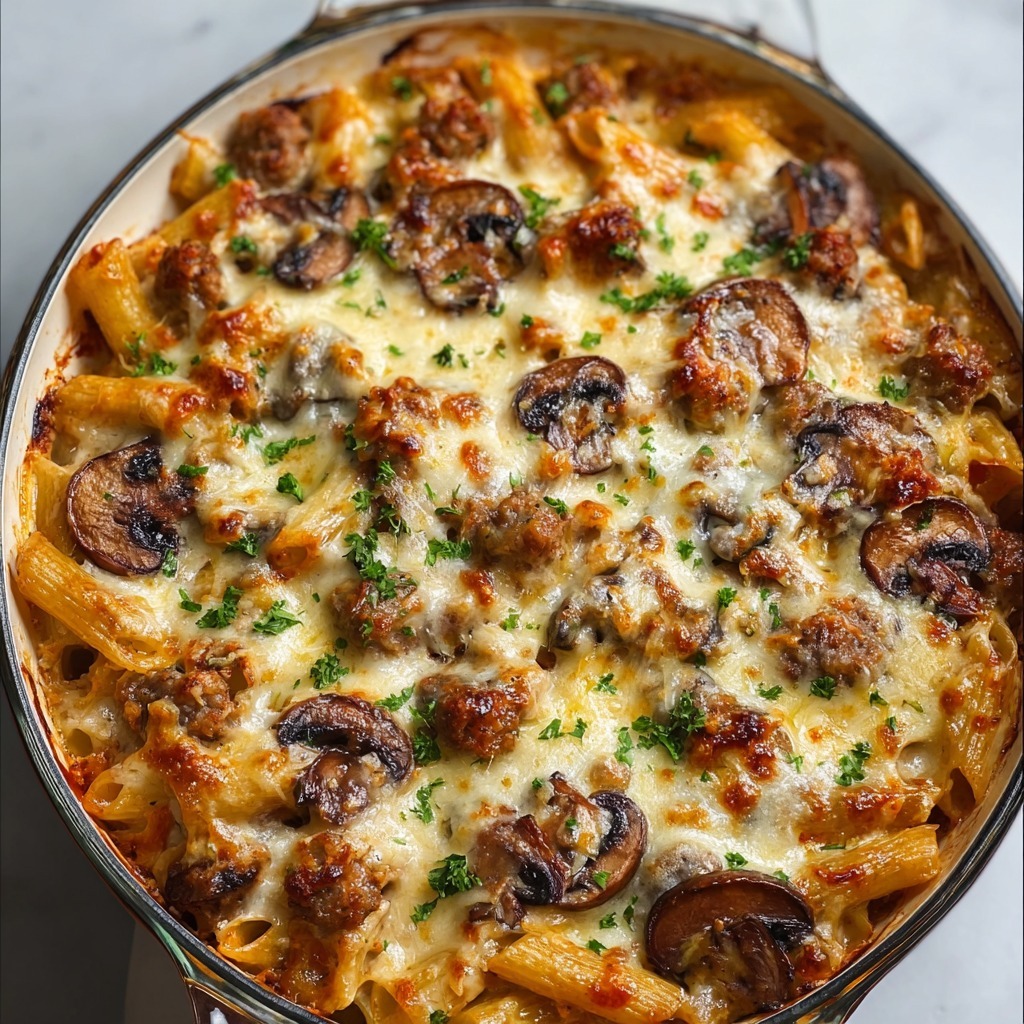
Sausage and Mushroom Pasta Bake is the ultimate crowd-pleasing casserole—a hearty, cheesy, and deeply savory dish that combines tender pasta, savory Italian sausage, earthy mushrooms, and a rich tomato-cream sauce, all baked under a blanket of golden, bubbly mozzarella and Parmesan. This recipe is a celebration of rustic Italian-American comfort, where every component is thoughtfully layered to create a cohesive, satisfying meal that feels like a warm embrace. The magic begins with browning savory Italian sausage, rendering its flavorful fat which then becomes the foundation for sautéing mushrooms and onions, building layers of umami-rich depth. A simple yet luxurious sauce of crushed tomatoes and heavy cream, brightened with herbs and a touch of tomato paste, coats every piece of pasta, ensuring each bite is perfectly sauced without being heavy. The final bake transforms the dish, melting the cheeses into a glorious, golden crust and allowing all the flavors to meld into a harmonious whole.

The brilliance of this recipe lies in its perfect balance of richness and heartiness, and its incredible appeal to a wide range of tastes. The combination of savory sausage and earthy mushrooms creates a deeply satisfying, almost meaty flavor profile, while the creamy tomato sauce adds a touch of indulgence without overwhelming. The penne or rigatoni pasta, with its ridges and hollow centers, is the perfect vehicle for capturing the sauce and cheese in every bite. Baked until bubbly and golden, this casserole is the ultimate one-dish meal—perfect for feeding a hungry family, bringing to a potluck, or simply enjoying as a cozy weekend dinner. It’s a recipe that promises to become a cherished favorite, delivering comfort and joy with every single serving.

Why You’ll Love This Recipe:

  • Rich, Savory, and Deeply Satisfying: Italian sausage, earthy mushrooms, and a creamy tomato sauce create incredible depth of flavor.
  • Perfectly Cheesy and Golden: A generous topping of mozzarella and Parmesan melts into a bubbly, irresistible crust.
  • Complete One-Dish Meal: Pasta, protein, and sauce all bake together for minimal cleanup and maximum flavor.
  • Crowd-Pleasing Comfort Food: Universally loved, hearty, and perfect for family dinners or gatherings.
  • Great for Make-Ahead & Leftovers: Tastes even better the next day and reheats beautifully.

Ingredients:

For the Pasta:
12 oz (340g) penne, rigatoni, or other short pasta
Salted water, for boiling

For the Filling:
1 lb (450g) Italian sausage (mild or spicy), casings removed
8 oz (225g) cremini or button mushrooms, sliced
1 small yellow onion, finely chopped
3 cloves garlic, minced
1 tablespoon olive oil

For the Sauce:
2 tablespoons tomato paste
1 (14 oz / 400g) can crushed tomatoes
½ cup (120ml) heavy cream
½ teaspoon dried oregano
½ teaspoon dried basil
½ teaspoon salt (adjust to taste)
¼ teaspoon freshly ground black pepper
¼ teaspoon red pepper flakes (optional, for heat)

For the Topping:
1 ½ cups (about 6 oz) shredded mozzarella cheese
½ cup (about 2 oz) grated Parmesan cheese
Fresh parsley, chopped (optional, for garnish)

Instructions:

Step 1: Cook the Pasta
Bring a large pot of generously salted water to a boil. Add the pasta and cook according to package directions until just al dente (slightly firm to the bite). Drain well and set aside.

Step 2: Brown the Sausage
While the pasta cooks, heat the olive oil in a large skillet or Dutch oven over medium heat. Add the Italian sausage, breaking it up with a spoon. Cook until well browned, about 5-7 minutes. If there is excess grease, carefully drain it off.

Step 3: Sauté the Vegetables
Add the chopped onion and sliced mushrooms to the skillet with the sausage. Cook for 5-6 minutes, stirring occasionally, until the vegetables have softened and the mushrooms have released their liquid and begun to brown. Stir in the minced garlic and cook for 30 seconds until fragrant. Add the tomato paste and cook, stirring constantly, for 1 minute to caramelize it slightly.

Step 4: Make the Sauce
Pour in the crushed tomatoes, heavy cream, dried oregano, dried basil, salt, pepper, and red pepper flakes (if using). Stir well to combine, scraping up any browned bits from the bottom of the pan. Bring the sauce to a gentle simmer and let it cook for 5 minutes to allow the flavors to meld.

Step 5: Combine and Assemble
Preheat your oven to 375°F (190°C). Lightly grease a 9×13-inch baking dish. In a large bowl, combine the cooked pasta with the sausage and mushroom sauce. Stir until the pasta is evenly coated. Transfer the mixture to the prepared baking dish and spread it into an even layer.

Step 6: Add Cheese and Bake
Sprinkle the shredded mozzarella evenly over the top, followed by the grated Parmesan. Bake, uncovered, for 20-25 minutes, until the sauce is bubbly and the cheese is melted and lightly golden.

Step 7: Rest and Serve
Remove the baking dish from the oven and let it rest for 5-10 minutes before serving. This allows the casserole to set slightly for cleaner portions. Garnish with fresh parsley if desired and serve warm.

Tips:

  • Don’t Overcook the Pasta: Cook it to al dente, as it will continue to cook in the oven. Overcooked pasta will become mushy.
  • Drain Excess Fat: If your sausage is very fatty, drain off the excess after browning to prevent a greasy final dish.
  • Use Quality Sausage: Good-quality Italian sausage with fennel and spices makes a significant difference in flavor.
  • Add Vegetables: Feel free to add a cup of spinach or chopped bell peppers with the mushrooms for extra color and nutrition.
  • Customize the Cheese: A blend of provolone, fontina, or asiago can be used in place of or in addition to the mozzarella.

Storage Options:

  • Refrigerator: Store leftovers in an airtight container in the refrigerator for up to 4 days.
  • Reheating: Reheat individual portions in the microwave, or cover the baking dish with foil and reheat in a 325°F (165°C) oven until warmed through.
  • Freezing: This pasta bake freezes beautifully for up to 2 months. Assemble completely but do not bake, or cool fully after baking. Wrap tightly in plastic and foil. Thaw overnight in the refrigerator before reheating.
  • Make-Ahead: Assemble the entire casserole up to 24 hours in advance. Cover and refrigerate. Bake as directed, adding 10-15 minutes to the bake time.

Sausage and Mushroom Pasta Bake is the epitome of hearty, comforting, and deeply satisfying home cooking. It’s a dish that brings people together, fills the kitchen with incredible aromas, and delivers pure comfort in every single bite.

What Does the “57” on a Heinz Ketchup Bottle Actually Mean? (It’s Not What Most People Think)

0

You’ve probably seen it a hundred times and never really thought about it.

That little “57” on the neck of a Heinz ketchup bottle.

It’s just… there.

Not big enough to demand attention, not explained anywhere obvious—just stamped into the glass like it’s supposed to mean something. And somehow, that makes it more interesting.

Because once you notice it, you can’t really un-notice it.

And then the question shows up: why 57?

The First Guess Is Almost Always Wrong

Most people assume it must be something practical.

Number of ingredients, maybe. Or the number of recipes. Or factories. Or countries.

Something measurable.

That would make sense.

Except… none of that is true.

The number isn’t based on anything concrete like that, which is honestly the part that throws people off the most.

It Actually Started With an Advertisement

This goes back to the late 1800s.

Henry Heinz—the guy behind the brand—was looking for a way to make his products stand out. Not just in quality, but in how people remembered them.

And apparently, he saw an ad for “21 styles of shoes.”

For some reason, that stuck.

So he borrowed the idea—but instead of picking a number that matched reality, he picked one that felt right.

At the time, the company had more than 60 products already. So the number wasn’t accurate even then.

But Heinz liked how it sounded. Thought it was catchy.

And that was enough.

Which Is Kind of Funny, If You Think About It

A number that doesn’t actually mean anything… becoming one of the most recognizable details in food branding.

It shouldn’t work, but it does.

“57 varieties” just sticks in your head. It has rhythm. It feels specific without being complicated.

And once people hear it a few times, it becomes part of how they see the brand.

That’s not accidental. That’s good marketing—before marketing was even really a formal thing.

The “57” Didn’t Go Anywhere (Even When It Could Have)

Over time, Heinz expanded. A lot.

More products, more countries, more everything.

They could have updated the number. Made it more accurate.

But they didn’t.

Because by that point, “57” wasn’t about counting anymore—it was identity.

Changing it would’ve felt like changing the brand itself.

So it stayed.

And Then There’s the Weirdly Practical Part

This is the part people usually hear about later—and it feels almost like a bonus detail.

That “57” isn’t just decorative.

It’s actually the spot you’re supposed to tap when ketchup won’t come out of the bottle.

Not the bottom. Not random shaking.

Right there—on the neck, where the “57” is.

Apparently, that’s the “sweet spot” for getting the ketchup to flow properly.

Which, if you’ve ever struggled with one of those glass bottles, makes this detail way more useful than expected.

There Are Still a Lot of Myths Around It

Even now, people keep coming up with explanations.

“It’s the number of ingredients.”
“It’s how many products they sell.”
“It’s a secret formula code.”

None of those hold up.

But they keep circulating anyway.

Which kind of shows how powerful a simple number can be when it’s left unexplained.

People fill in the blanks themselves.

It Somehow Became Part of Pop Culture Too

This is the part that sneaks up on you.

The “57” isn’t just a brand detail anymore—it shows up in movies, references, jokes, nostalgia pieces.

It’s tied to this idea of classic, reliable, old-school Americana.

Not flashy. Not modern in a loud way. Just… familiar.

And that familiarity sticks.

Why This Works (Even Today)

Here’s the interesting part.

Modern branding tends to over-explain everything. Features, benefits, numbers that need to be justified.

But “57” doesn’t explain itself.

It doesn’t need to.

It’s memorable, slightly mysterious, and consistent.

And somehow, that’s enough.

Final Thought (The Kind You Don’t Expect From Ketchup)

It’s just a number on a bottle.

But also… not really.

It’s a reminder that sometimes things stick not because they’re accurate or logical—but because they feel right and people remember them.

And once something is remembered long enough, it becomes part of the story.

Even if it started as a completely arbitrary choice.

So I Accidentally Hoarded Butter (Here’s What I Did With It)Okay, full honesty?I’m not even sure how it happened.

0

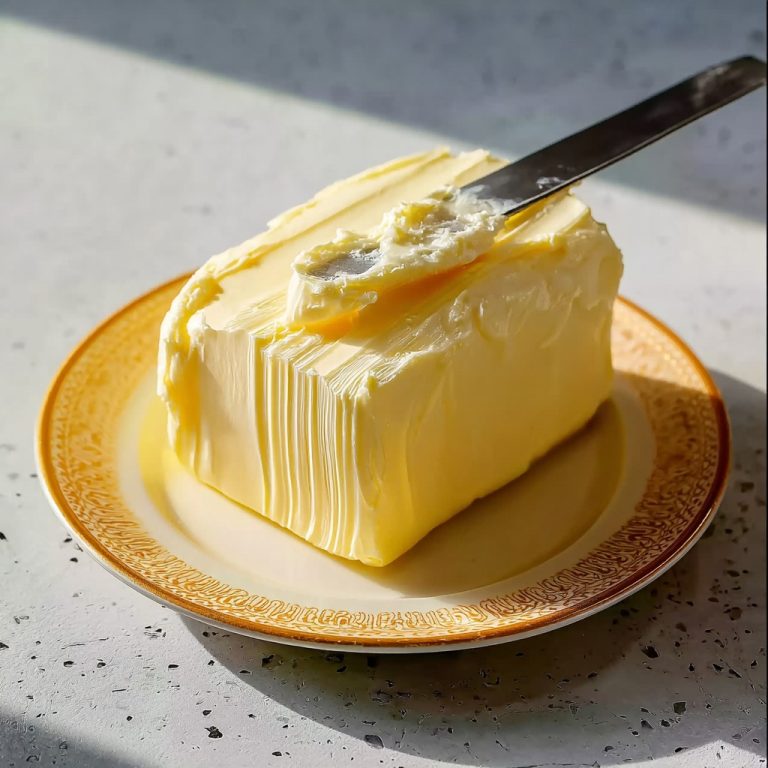
One day I opened the fridge and realized I had, like… an alarming amount of butter.
Like, possibly-enough-to-bake-a-cake-for-every-neighbor-on-the-block amount.

And I had no big baking plans. No dinner parties. No grand holiday menus.
Just me. And way too much butter.

At first, I panicked a little. I hate wasting food. But then I thought — you know what? There are way worse problems to have. Butter is basically gold in the kitchen. So I decided to treat it like a challenge from the universe.

A very delicious, slightly greasy challenge.

And what happened next?
Ten very buttery, very real kitchen moments that reminded me why butter is never just a backup ingredient.

Why Butter Deserves to Be the Main Character
Let’s be real: butter gets treated like the opening act.

Like, “Oh we’ll just add a little butter to the pan” — like it’s a throwaway.
But it’s not.

Butter is the flavor. The mood. The cozy blanket that wraps around a dish and makes it feel like home.

It makes things:

Crispier

Softer

Creamier

Toastier

Just… better.

So if you’ve got extra butter and you’re wondering what to do with it, here’s my totally non-professional, very enthusiastic advice:

Use it like you mean it.

But First, Don’t Throw It Out
Let me just say this loud for the people in the back:

Butter lasts.
Butter freezes beautifully.
Butter is worth saving.

Even if you’re not in a cooking mood, just wrap the sticks up tight and toss them in the freezer. They’ll hang out for months like the chill friends they are, waiting patiently until inspiration strikes.

Okay. Now onto the fun stuff.

10 Things I Made With Too Much Butter (and Zero Regrets)

  1. Flavored Butter That Makes You Feel Fancy at Breakfast
    I took some softened butter and mixed in stuff I had on hand — fresh rosemary, garlic, a little lemon zest. Rolled it into a log. Stuck it in the fridge.

Later, I smeared it on toast and pretended I was at a fancy bed and breakfast with no children yelling about cereal.

Other combos that slapped:

Cinnamon + honey (on pancakes = heaven)

Chives + salt (on eggs or potatoes)

Sriracha + lime (weird but amazing on corn)

  1. The Butter Cookies That Broke Me (In a Good Way)
    These cookies are dangerous.
    Flour. Sugar. Butter. That’s it.

No eggs. No baking soda. Just buttery, melty magic that makes your whole house smell like a bakery where someone actually cares about you.

I made them “for the kids” and then ate four while they were still cooling.

  1. Buttercream, Because Sometimes You Just Need to Whip Something Sweet
    Even if you’re not frosting a cake — buttercream is therapy.
    You whip the butter, add powdered sugar, maybe vanilla, maybe a splash of milk… and suddenly, it’s like dessert just shows up.

I literally dipped strawberries in it. And also a spoon. And also, uh, my finger. Don’t judge.

  1. Steaks With Herb Butter That Made Me Feel Like I Had My Life Together
    I don’t cook steak often. But when I do? I top it with a pat of homemade herb butter and pretend I know what I’m doing.

It melts, it sizzles, it makes everything taste expensive.

You don’t even need a steak — that butter is on mushrooms, grilled chicken, roasted carrots, whatever.

  1. Garlic Bread That Didn’t Even Make It to the Table
    I mixed butter with minced garlic and salt. Smeared it all over a loaf of sourdough. Baked it until golden and crispy on the edges.

I meant to serve it with dinner.
But… we just stood at the counter eating it piece by piece. Standing. Like animals. Delicious, happy animals.

  1. Pasta + Butter = The Meal That Saves Me Every Time
    Ever have one of those days where cooking feels like climbing a mountain?

Melt some butter. Add a little garlic, lemon, maybe some Parmesan. Toss with pasta.

That’s it. That’s the tweet.

Comfort in under 10 minutes. No chopping required. Just a bowl of warm, buttery pasta and the feeling that maybe things are going to be okay.

  1. A Pie Crust So Flaky I Almost Cried
    I made a pie crust from scratch for the first time in ages.
    Just flour, cold butter, water, a pinch of salt.

It was buttery. It was flaky. It was… not perfect, but perfect enough.

I filled it with apple slices and cinnamon and felt like someone’s wholesome grandma, even though I was wearing leggings and had three tabs open about how to get toddlers to nap longer.

  1. Mashed Potatoes That Were Basically Butter With a Side of Potato
    I didn’t even measure. I just kept adding butter until it felt right.
    They were rich. Creamy. A little ridiculous. Completely worth it.

I may or may not have eaten a bowl while standing at the stove, whispering “just one more bite” between bites.

  1. Grilled Veggies That Somehow Tasted Like Summer Campfire Nights
    Instead of oil, I brushed melted butter on zucchini and bell peppers before tossing them on the grill. It gave them this almost caramelized edge — like they’d been kissed by sunshine.

Pro tip: add a sprinkle of smoked paprika or garlic powder to the melted butter. It changes everything.

  1. Butter Pancakes That Basically Gave Me a Hug
    Pancakes are already great. But when you melt butter into the batter and cook them in more butter?

You’re not just having breakfast. You’re having a moment.

Light. Fluffy. Crispy edges.
And yeah, I added syrup AND a pat of butter on top because I believe in joy.

Butter Storage 101 (Because I Googled It So You Don’t Have To)
Fridge: Butter keeps for 1–2 months (even longer if it’s salted).

Freezer: Wrap it tight and freeze it for up to 9 months. Defrost in the fridge overnight.

Counter: Some people keep it out in a butter dish — that’s fine for a few days if it’s not sweltering hot. But if you’re unsure, fridge is safest.

Also: if it smells weird or looks off? Trust your gut. Bad butter is rare, but it happens.

Final Thoughts From a Person Who Accidentally Bought 12 Sticks of Butter
Honestly? I’m glad I overdid it.

That accidental butter stockpile led me to slow down, bake things I hadn’t made in years, and remember that food isn’t just fuel — it’s comfort, creativity, and sometimes, straight-up fun.

So if you’ve got too much butter?
Friend, you’ve got possibilities.

Bake the cookies. Slather the bread. Stir the sauce. Make the buttery mess.
You won’t regret it.

And hey — if you try one of these, or come up with your own genius butter idea? Tell me. I’m always up for new excuses to make something melty and delicious.